
Solid-State Batteries Get a Boost With New Gel Electrolyte Promising Up to 1,000 Miles of Range
Researchers have developed a new gel electrolyte that could help future EVs travel farther.
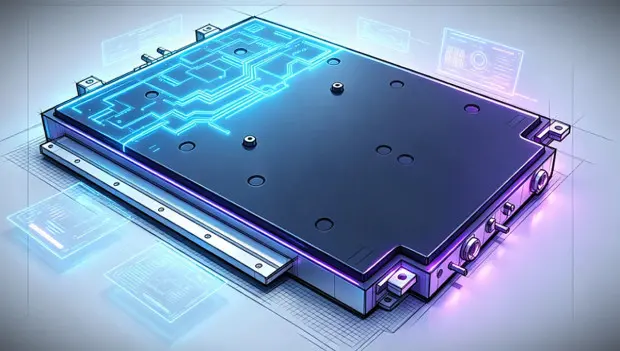
Researchers at the Dalian Institute of Chemical Physics have reported a breakthrough that could accelerate the development of next-generation solid-state batteries. Scientists from the Chinese Academy of Sciences created an innovative organic-inorganic gel electrolyte designed to extend battery life while addressing one of the biggest challenges facing solid-state technology — the interface between the electrolyte and battery components.
The new design uses lithium oxychloride to trigger an in-situ chemical transformation of polyvinylidene fluoride. This process creates a continuous network that allows lithium ions to move more efficiently. As a result, the material combines the high ionic conductivity associated with inorganic compounds with the flexibility of organic polymers.
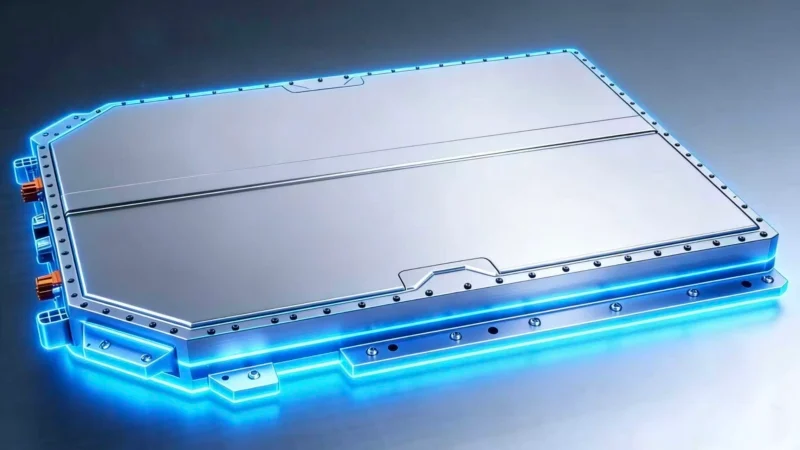
Solid-State Battery Performance and Testing Results
Laboratory tests showed the new electrolyte achieved ionic conductivity of 2.73 × 10⁻⁴ S/cm at room temperature. Researchers also measured a lithium-ion transference number of 0.90 and an electrochemical stability window above 4.78 volts. Mechanical testing indicated a Young’s modulus of 892.53 MPa, providing strong structural support for battery cells.
When used in a symmetrical cell configuration, the material maintained stable operation for more than 2,500 hours at a current density of 0.1 mA/cm². Full battery cells equipped with nickel-cobalt-aluminum cathodes completed 350 charge cycles at a 1C rate while retaining 84.15% of their original capacity. According to the researchers, these results outperform conventional lithium-lanthanum-zirconium-titanium oxide-based systems.
The development comes as automakers and battery manufacturers continue to pursue different timelines for bringing solid-state batteries to market. Chinese automaker Dongfeng plans to begin mass production of solid-state batteries during the second half of 2026, targeting vehicles capable of traveling about 621 miles on a single charge.
However, recent comments from CATL suggest widespread commercialization remains several years away. The battery giant believes large-scale adoption of solid-state technology is unlikely before 2030, highlighting the differing strategies among major industry players.
For now, lithium iron phosphate (LFP) batteries remain the dominant technology in the market. According to data from China EV DataTracker, CATL currently leads the sector with 23.12 GWh of installed capacity, representing a 40.1% market share. BYD ranks second with 11.87 GWh and a 20.6% share.
Several smaller manufacturers are also expanding their presence. Gotion High-Tech recorded 4.43 GWh, accounting for 7.7% of the market. CALB followed with 3.67 GWh, while Eve Energy reached 3.16 GWh. Rept Battero Energy posted 2.63 GWh, with Zenergy and Sunwoda reporting 2.25 GWh and 2.14 GWh, respectively. Energee registered 1.82 GWh, and Yinpai Battery rounded out the top ten with 0.82 GWh.
These figures indicate that conventional battery chemistries will continue to dominate in the near term. Still, advances in electrolyte materials and composite technologies could eventually pave the way for premium electric vehicles capable of delivering as much as 1,000 miles of driving range.
You may also be interested in the news:
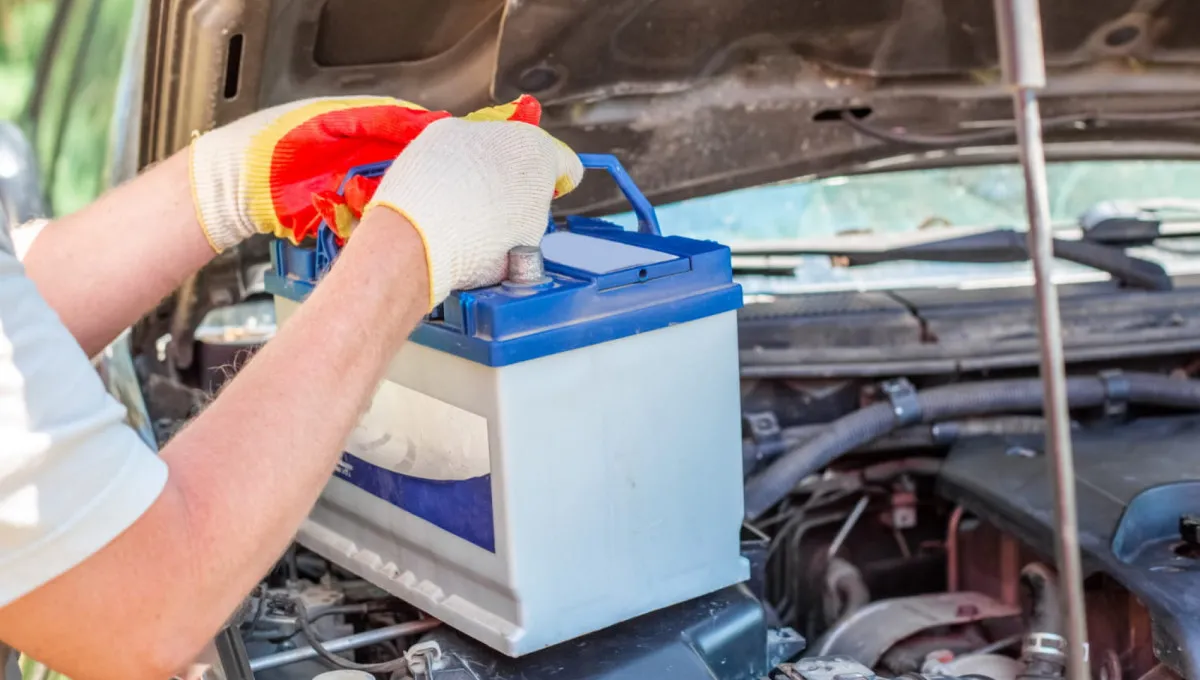
3 Signs Your Car Battery Is About to Die — And the Warning Signs Drivers Often Miss
A failing car battery rarely dies without warning, and these three signs can give drivers time to act before getting stranded.
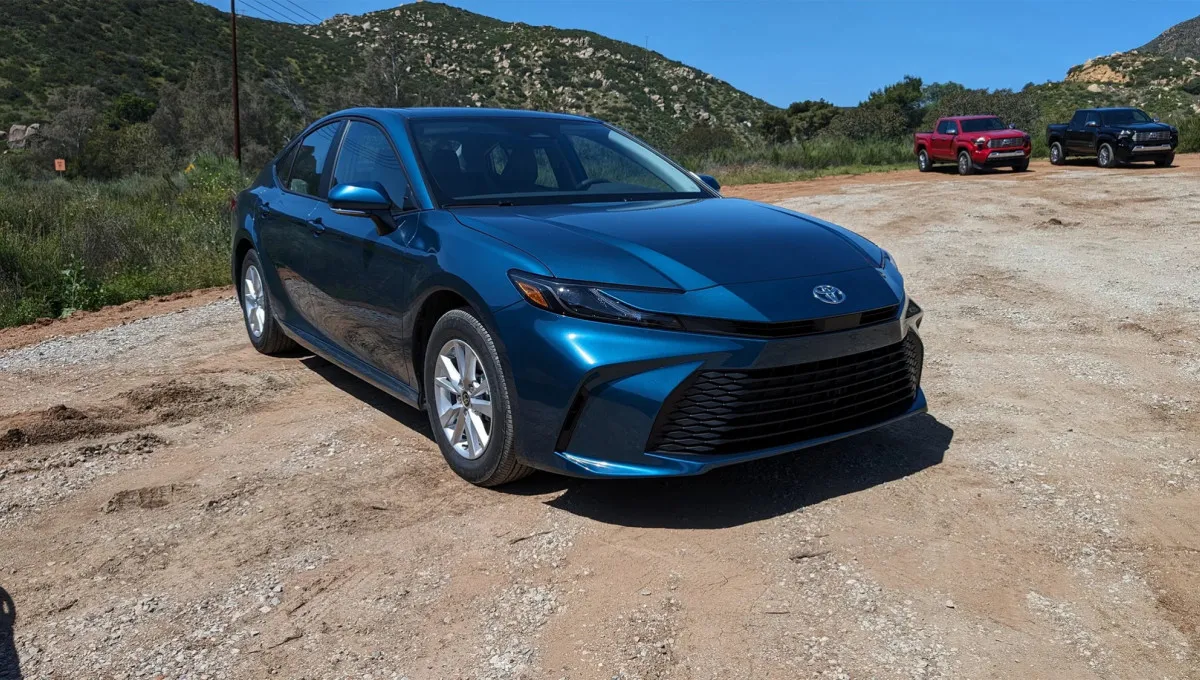
Americans Are Finding Out How Much It Costs to Replace a Hybrid Battery in a Modern Toyota
A Toyota hybrid battery can cost as much as $4,500 to replace, depending on the model and battery type.
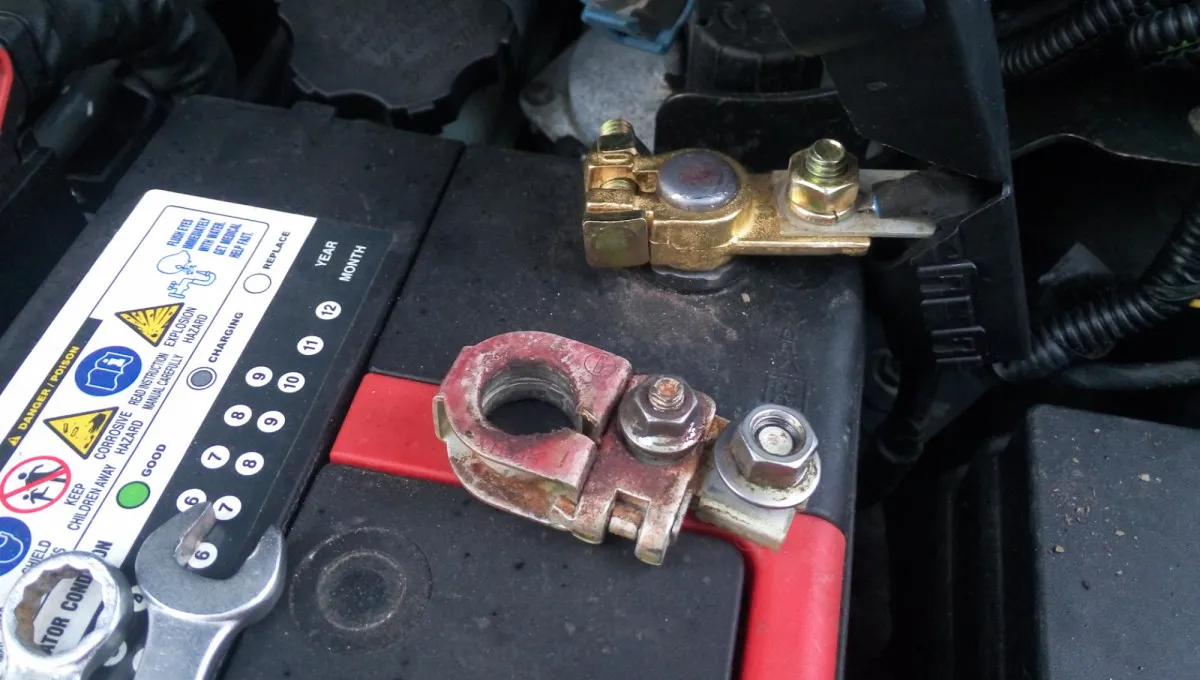
Most Drivers Ignore This When Buying a Car Battery—and It Can Cause Problems
Choosing a replacement car battery requires attention to detail, because even one incorrect specification can cause major installation problems.
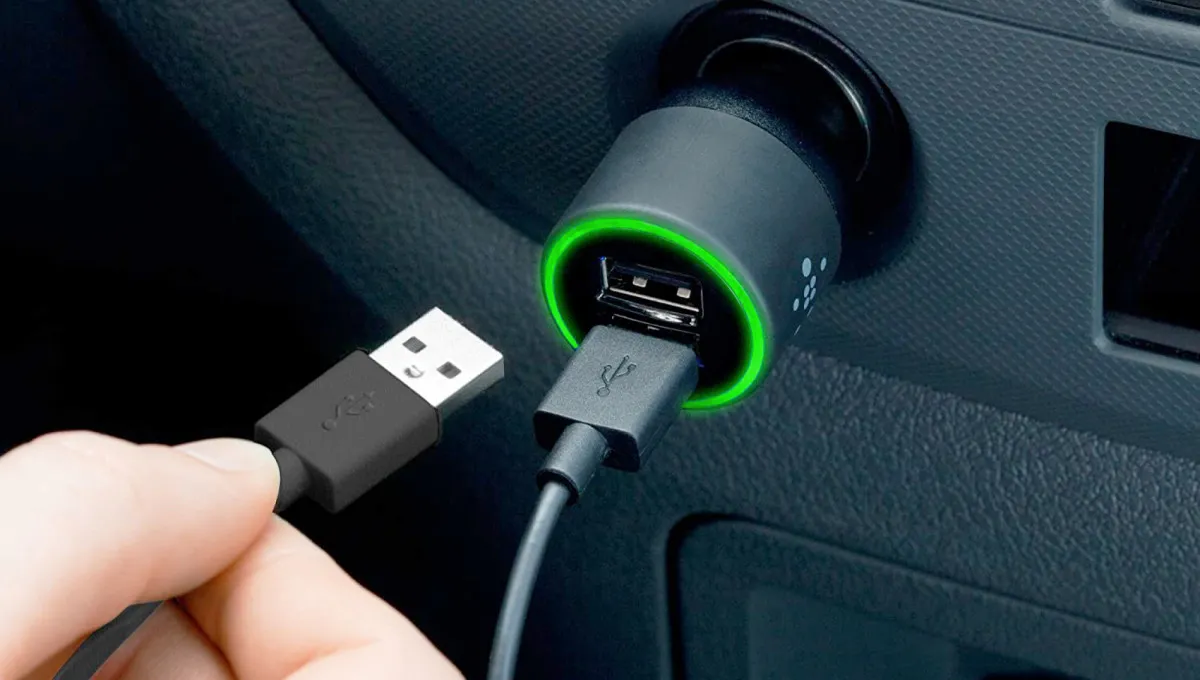
Can Charging Your Phone in the Car Really Kill the Battery
Charging your phone the wrong way can affect more than just your smartphone—it can also put a strain on your car.
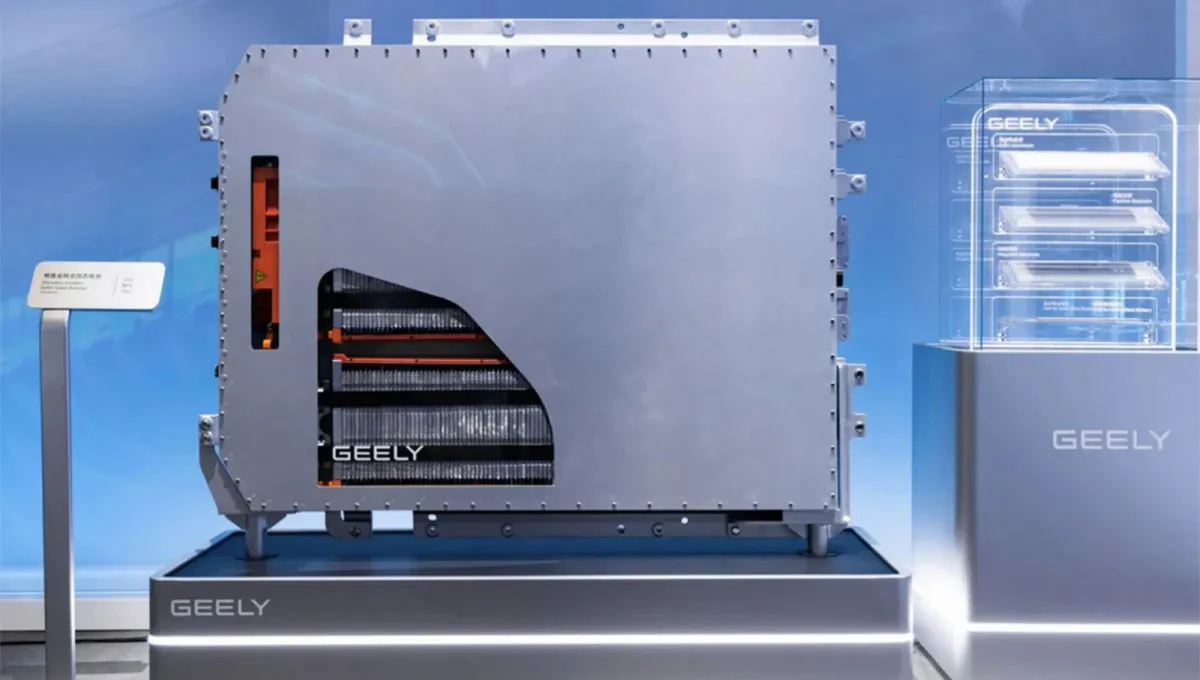
Geely Solid-State Batteries With 500 Wh/kg Density Will Hit the Road in 2027
Geely plans to begin pilot testing solid-state batteries in vehicles from Zeekr, Volvo, and Polestar in 2027.