
10 Key Milestones in the Evolution of the G-Class, in Photos
Today, the Mercedes-Benz G-Class can confidently be considered the world's best-known and one of the most recognizable off-road SUVs.
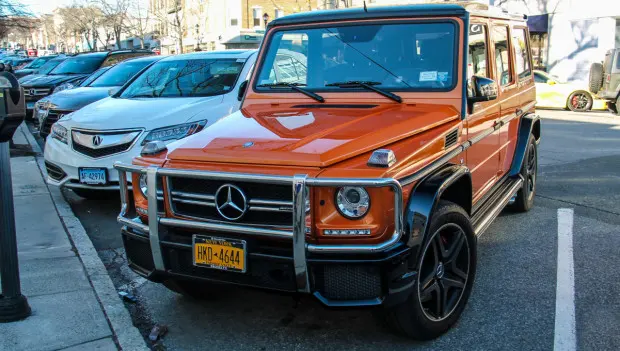
Today, the Mercedes-Benz G-Class can confidently be considered the world's best-known and one of the most recognizable off-road SUVs. Over its 46-year history, the model has become a true legend, a dream vehicle, and an object of desire for countless enthusiasts. The SUV has come a long way and is now entering the next stage of its evolution. Here's a look back at how it all began.
1. Mercedes-Benz G3a
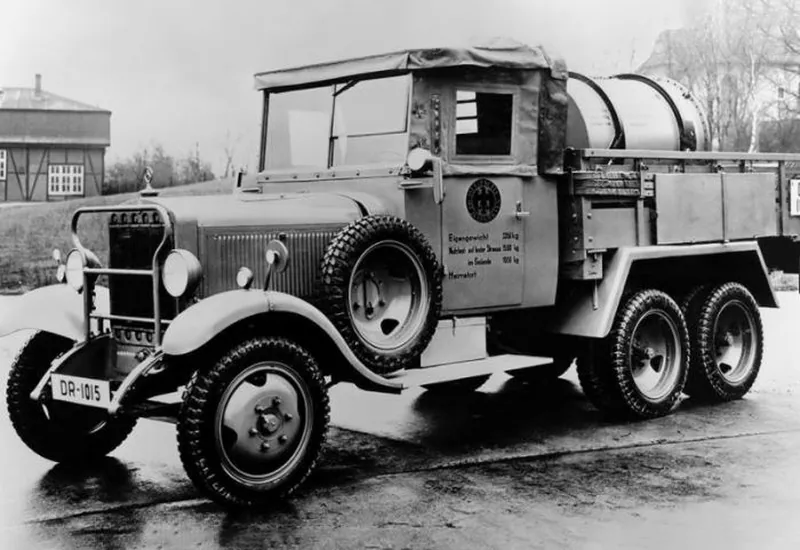
The earliest ancestor of the G-Class can be considered the Mercedes-Benz G3a truck. It featured four-wheel drive and dual rear wheels. It was also the first Mercedes-Benz vehicle to carry the letter "G" in its name. The vehicle debuted in 1929.
2. The First Wooden Prototype
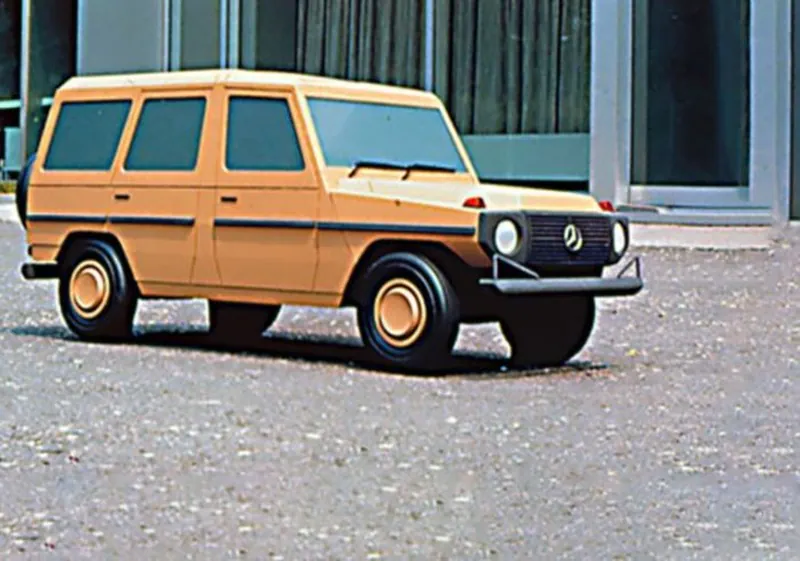
The G-Class was originally conceived exclusively for military use, as is often the case with vehicles of this type. The project was commissioned by Shah Mohammad Reza Pahlavi of Iran, who was one of the company's shareholders at the time. In 1973, the first full-scale wooden model of the future vehicle was completed, followed a year later by the first metal prototype.
3. Production Begins
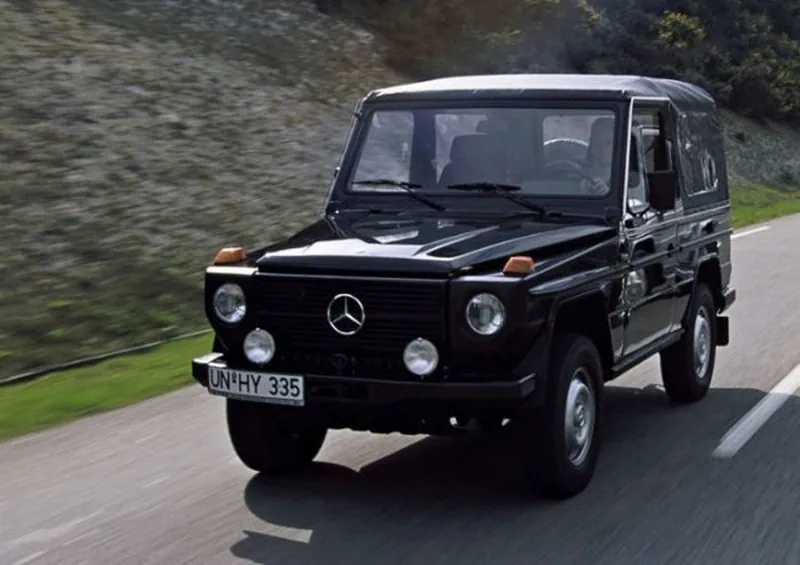
The first G-Class models entered production in 1979. Unexpectedly, the vehicle was also introduced as a civilian model. That happened after the Pahlavi government was overthrown, leaving the project in need of a commercial market to recover its development costs. The civilian market became the solution. Fortunately for the company, the new Mercedes-Benz was warmly received. A military version was eventually introduced as well, but it was intended exclusively for European countries.
4. The Popemobile
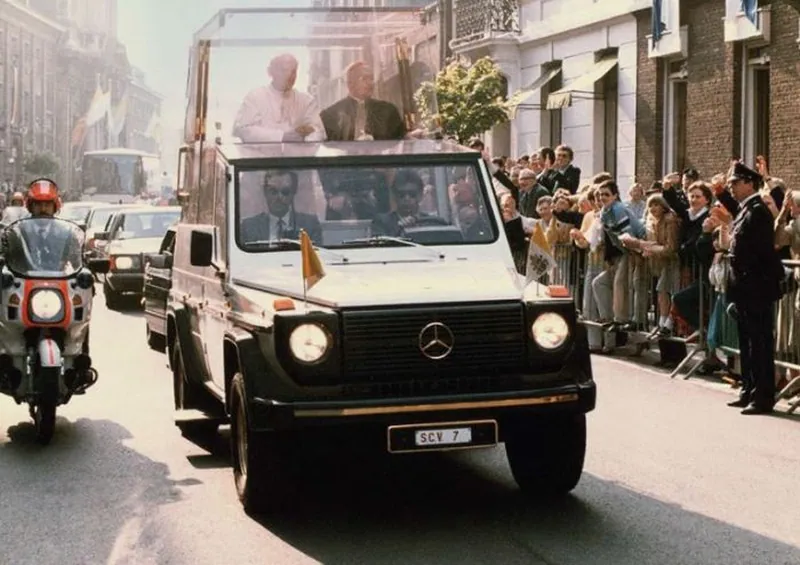
In 1980, Mercedes-Benz built a special G-Class with a custom cabin for Pope John Paul II. The head of the Catholic Church had been riding in Mercedes-Benz vehicles since the 1930s.
5. Peugeot P4
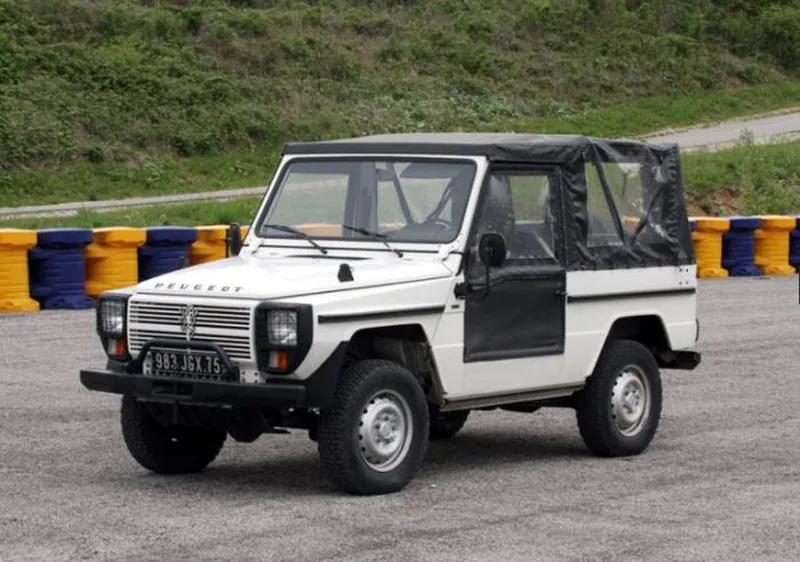
A year later, production of the Peugeot P4 began. It used Peugeot mechanical components but featured a modified G-Class body. The vehicle remained in production until 1993 and was used primarily by the military.
6. Paris-Dakar
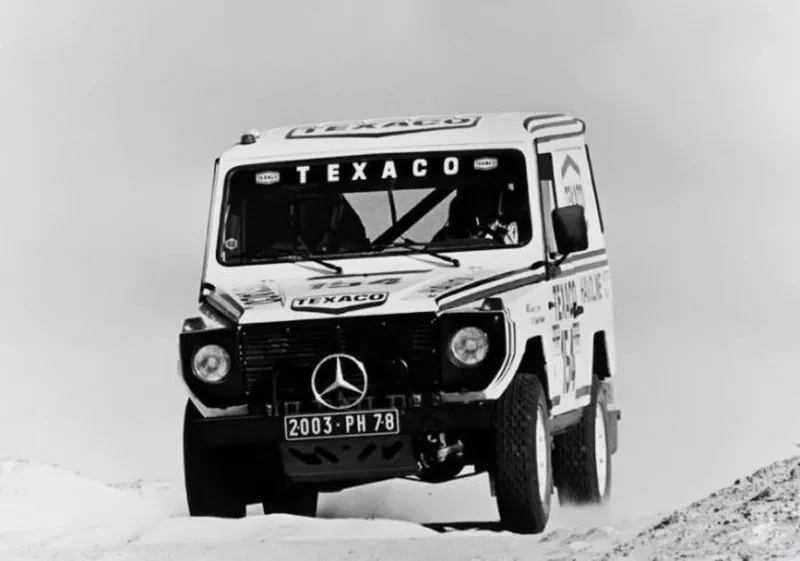
In 1982, the G-Class made its debut in the Paris-Dakar Rally. Four teams entered the event with the SUV. The G-Class returned to the Dakar on several occasions in the following years, although with fewer entries.
7. 50,000 Units
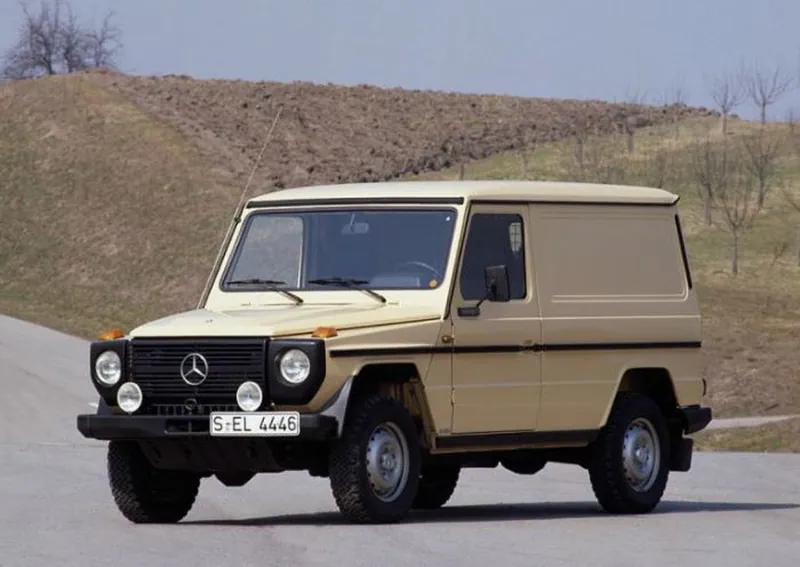
In 1985, Mercedes-Benz reached a major milestone by producing and selling its 50,000th G-Class. That same year, the SUV received numerous state-of-the-art upgrades for both the cabin and the powertrain.
8. A New Generation
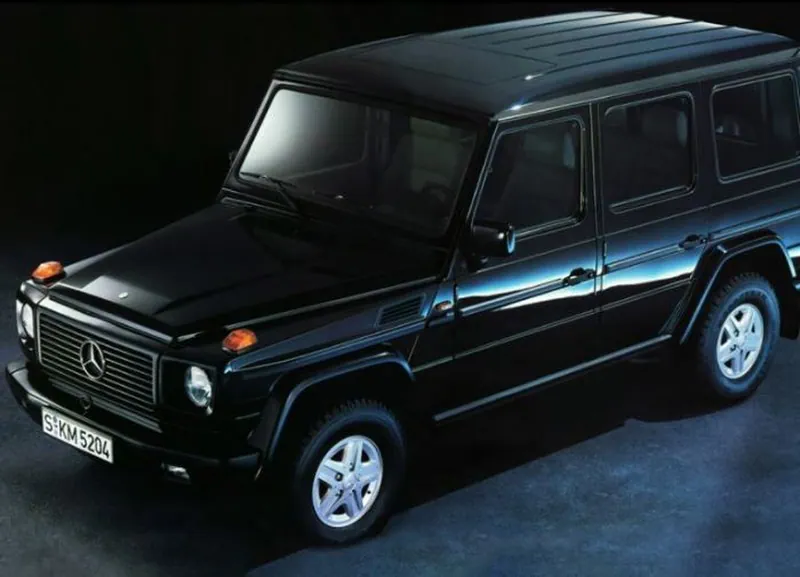
The popular W463 made its debut in 1990. By then, the G-Class had fully transitioned away from its military roots. There was no longer any visible resemblance to its military predecessor, although the changes were limited to the exterior design and interior.
9. G36 AMG
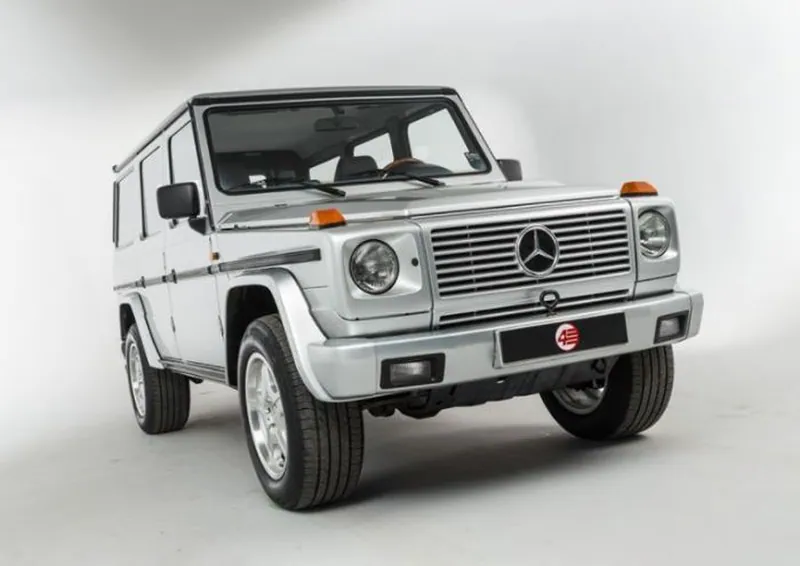
The G36 AMG project began in 1994. Its engine produced 272 horsepower. The most noticeable exterior changes were a completely redesigned front end and a new headlight layout.
10. The Last Major Facelift
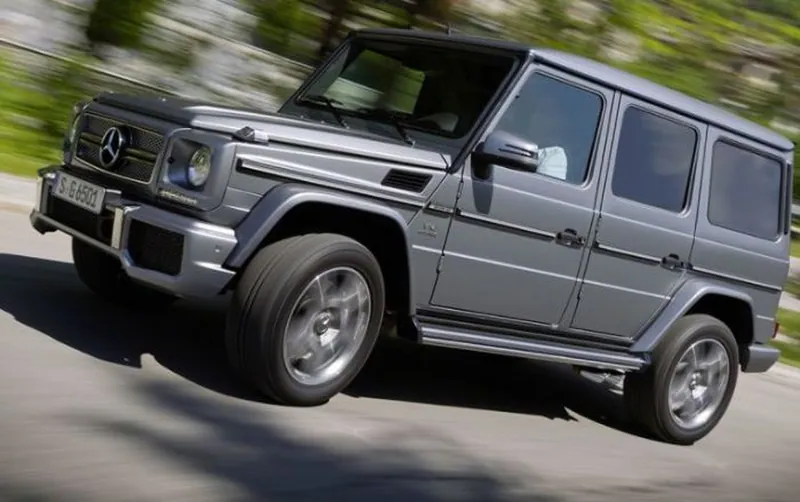
The last major facelift for the G-Class came in 2012. While the model is now entering a new chapter in its history, that update introduced two new versions: the G63 AMG and the G65 AMG.
You may also be interested in the news:
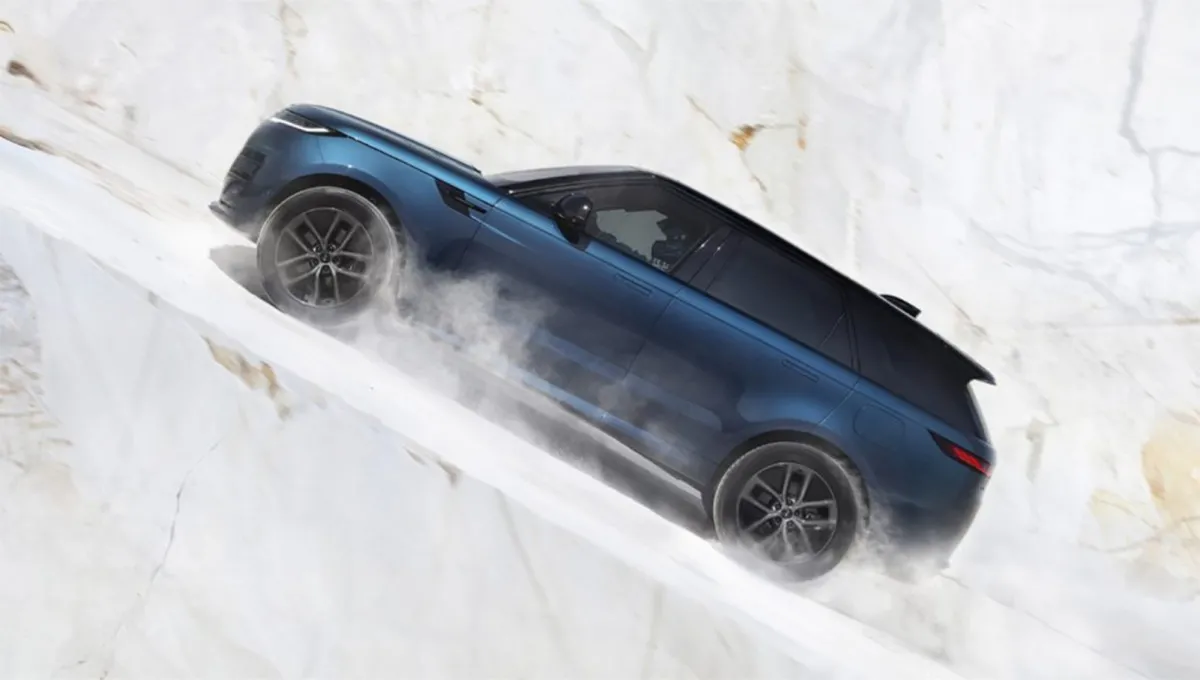
The New Range Rover Sport Electric Is Here: Two Motors, 550 HP and Virtual AWD
The new electric SUV combines two motors, serious off-road capability and the premium comfort expected from Range Rover.
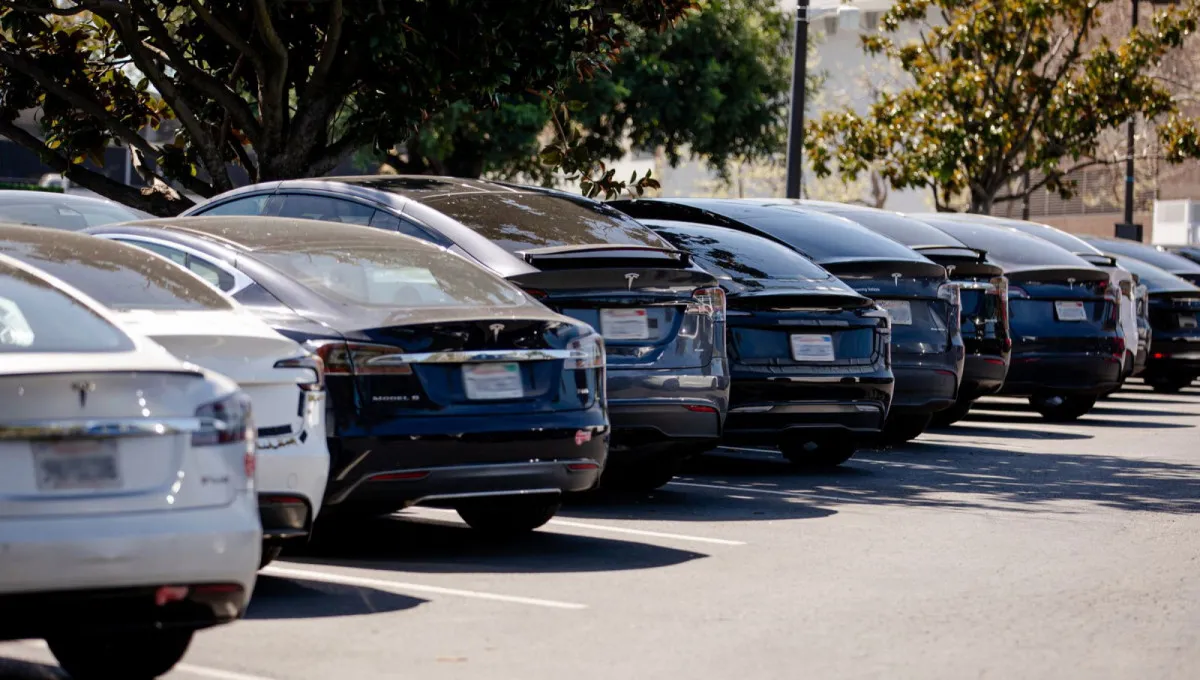
He Sold His House to Buy 20 Teslas—Then Sold 213 of Them in One Year
A car dealer admitted he briefly questioned his decision after betting his property money on a fleet of Teslas.
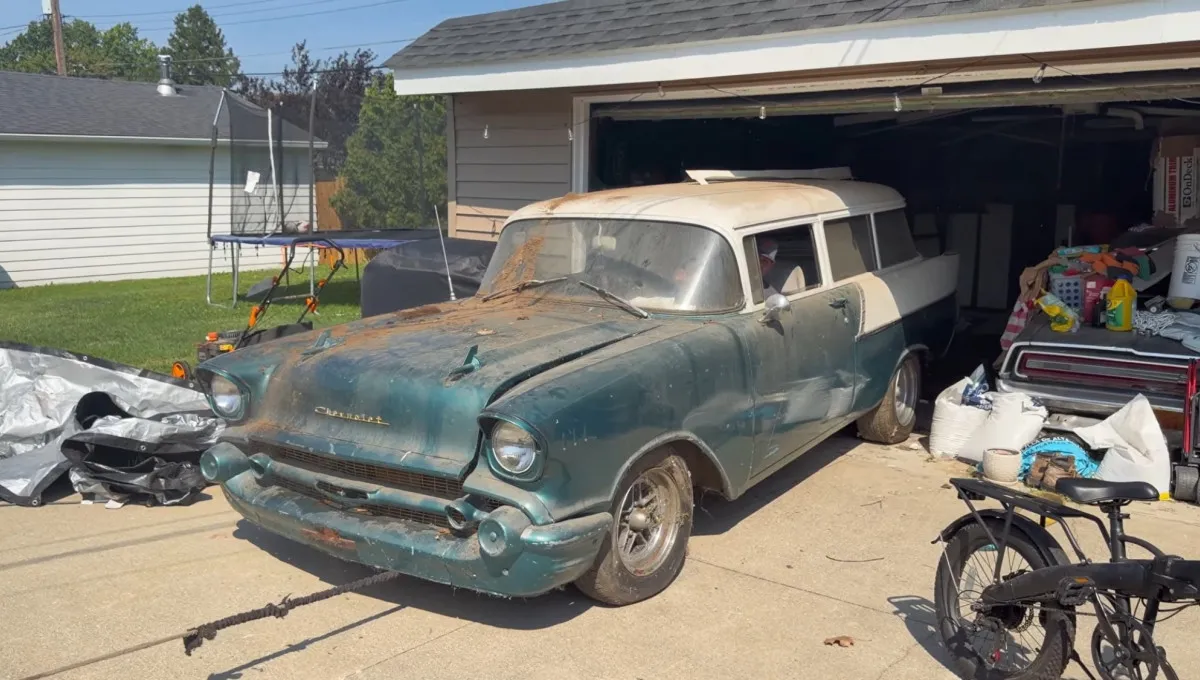
Dad's '57 Chevy Two-Door Wagon Gets First Wash in 30 Years, the Sight Makes Owner Burst Into Tears
A 1957 Chevrolet One-Fifty Handyman sat in a garage for 30 years before its owner’s children arranged a birthday rescue, bringing the classic wagon back to life.
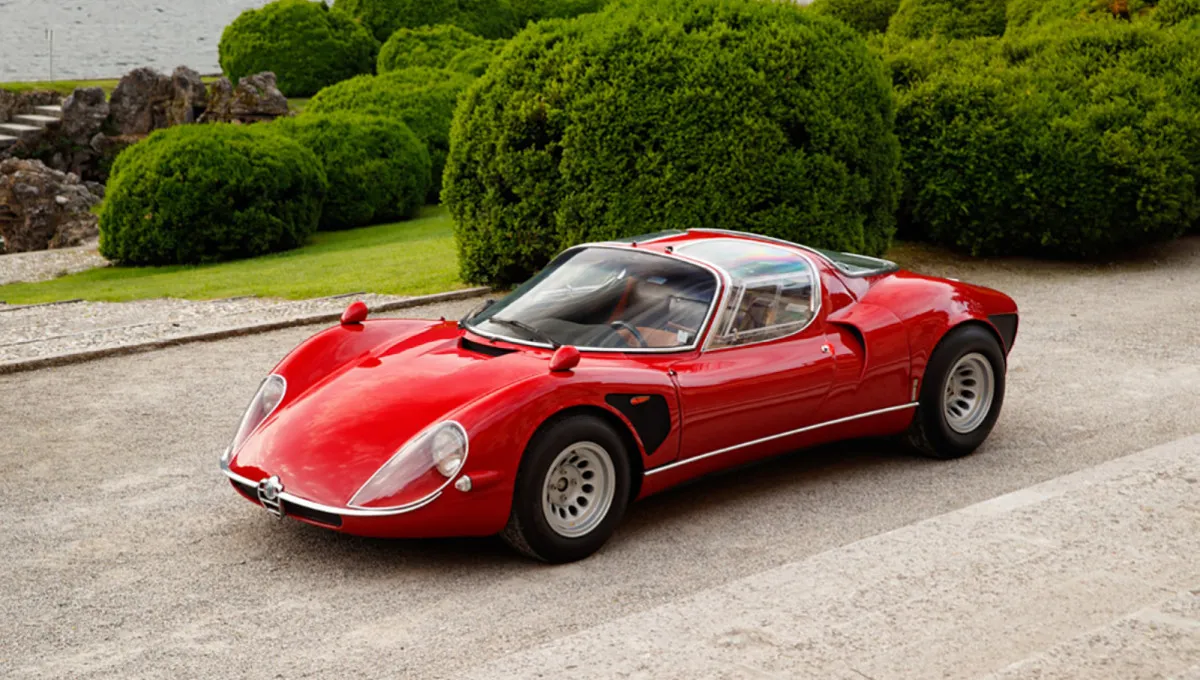
10 Rare Cars From Famous Brands You Probably Never Knew Existed
Some automakers built rare models that vanished into history, leaving collectors chasing them decades later.
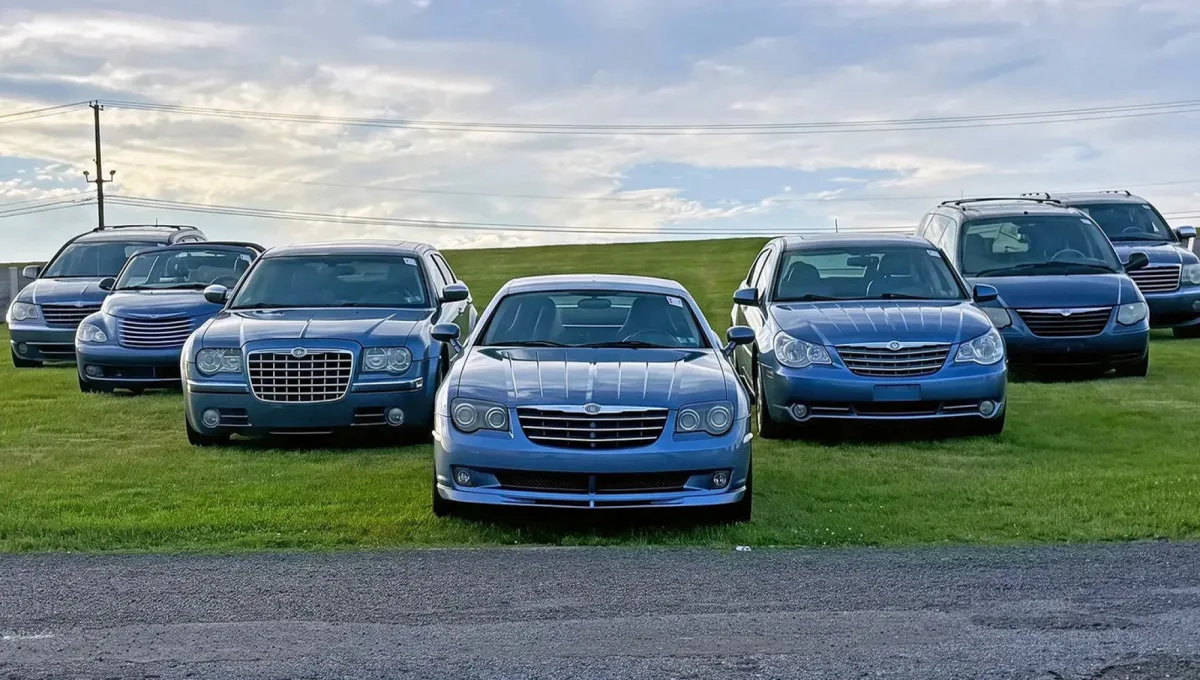
He Bought Seven 2007 Chryslers in the Exact Same Color — Then People Started Asking Why
Every model is different, yet together they represent Chrysler’s entire 2007 lineup in one unusual collection.