
Is the Dodge Charger Really the Most Beautiful Muscle Car Ever Built?
The second-generation Dodge Charger became one of America's most powerful and best-looking muscle cars.
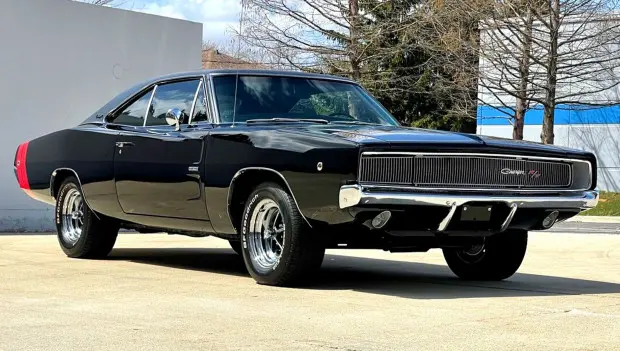
Dodge entered the muscle car battle later than its rivals. It wasn't until two years after the debut of the Pontiac GTO that the company introduced the first-generation Charger. It was a solid car, but it never became a major sales success. Dodge didn't give up, however. After carefully analyzing the first model's shortcomings, the company launched the redesigned 1968 Charger, which went on to become one of America's most powerful and best-looking muscle cars.
The Second-Generation Charger
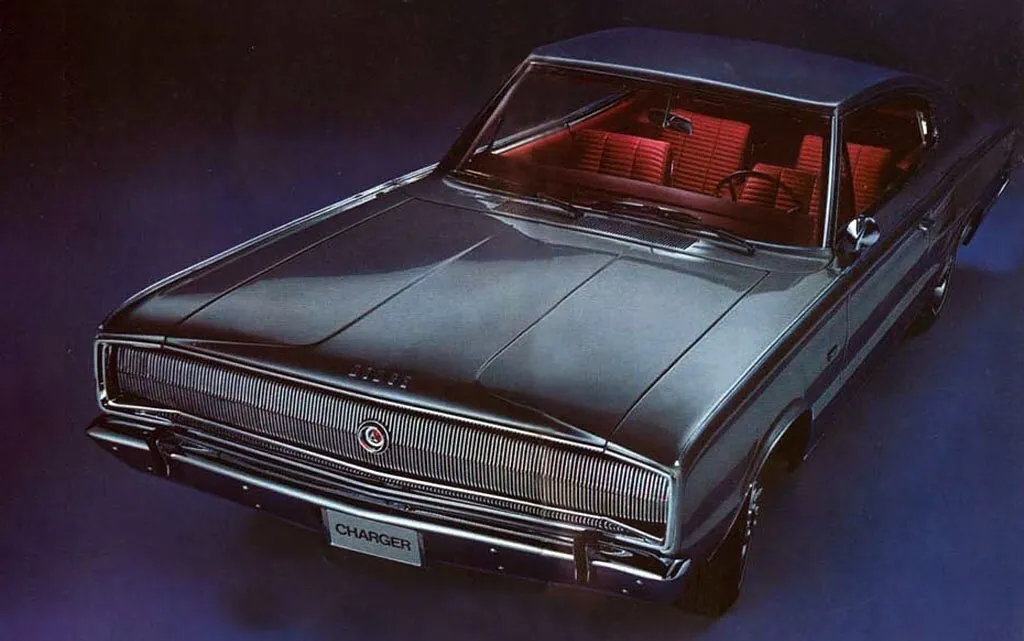
The 1966 Charger rode on Chrysler's B-body platform shared with the Dodge Coronet and used many of the same body components. Designers worked to make the two cars look as different as possible, but in reality the differences were minimal. The Charger also carried a $3,100 price tag, about 15 percent higher than the Coronet's. That premium was partially justified by a higher-quality interior and a lineup of V8 engines. Even so, by 1967 Charger sales had nearly been cut in half, prompting Dodge to relaunch the model.
A Stunning Design
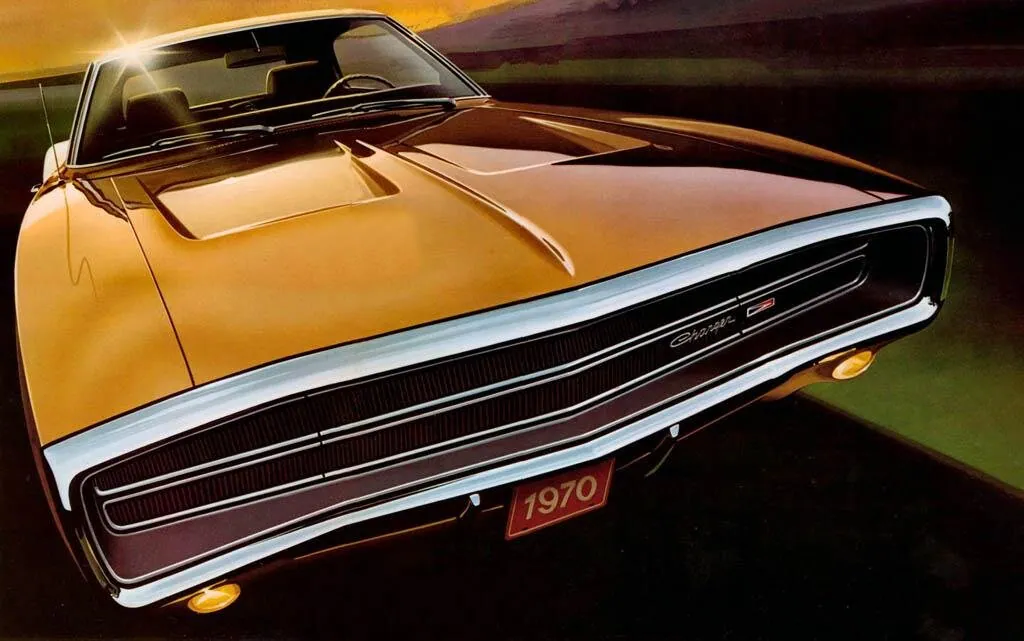
Dodge took a thorough approach, and the second-generation Charger entered production in 1968. While the car remained largely unchanged mechanically, its styling was completely reimagined. The design was created by Richard Sias, a little-known stylist at the time who had not yet led any major projects. Even so, the new Dodge Charger turned out to be exceptionally attractive.
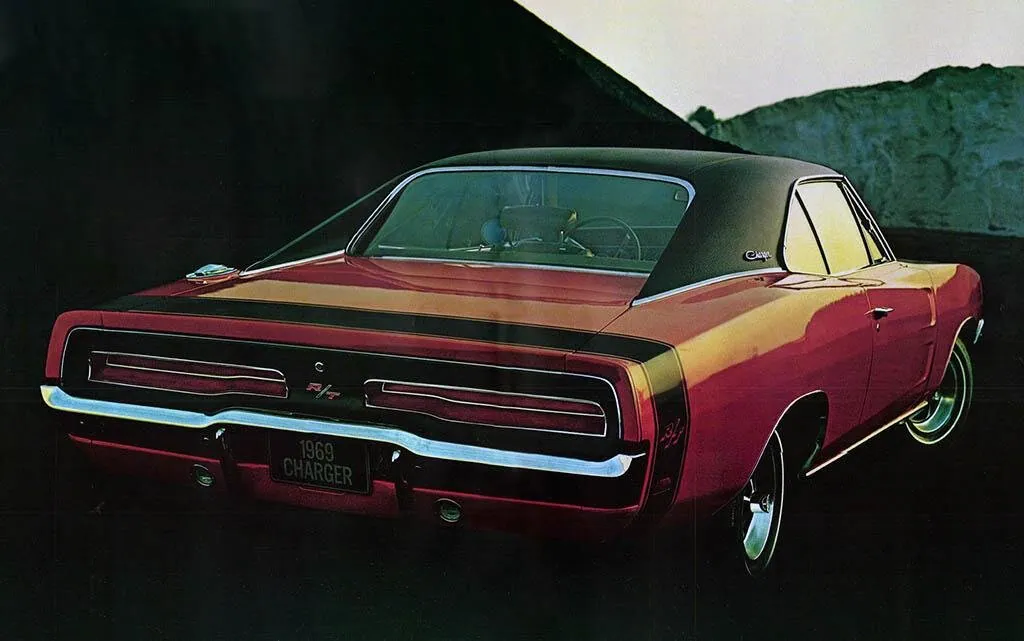
The car featured an aggressive appearance with bold, angular fenders and a curved Coke-bottle body profile. The styling cue proved so successful that many competitors later adopted it. Unlike the previous generation, the new Charger used a hardtop coupe body style with one distinctive feature. Sias recessed the rear side glass between the C-pillars, making the already substantial rear end appear even longer. Another standout detail was the flip-up fuel filler door on the left rear quarter panel. It was far from practical, often freezing shut for owners in northern states. Many joked that they would rather carry an ice pick than trade their Charger for another car.
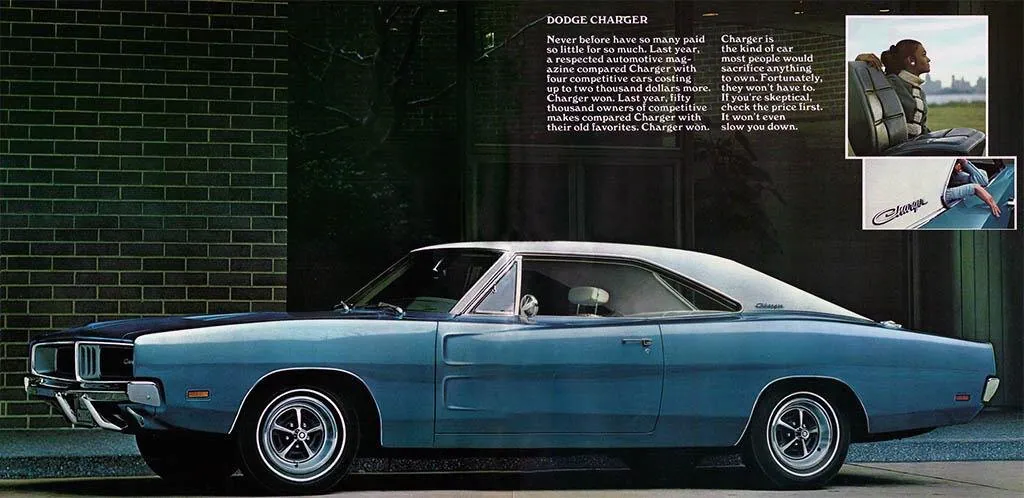
Overall, the muscle car looked bold—if not downright aggressive—and stood out wherever it went. The design was completed by a full-width grille with chrome trim and hidden headlights, another feature owners took pride in.
Powerful Engines
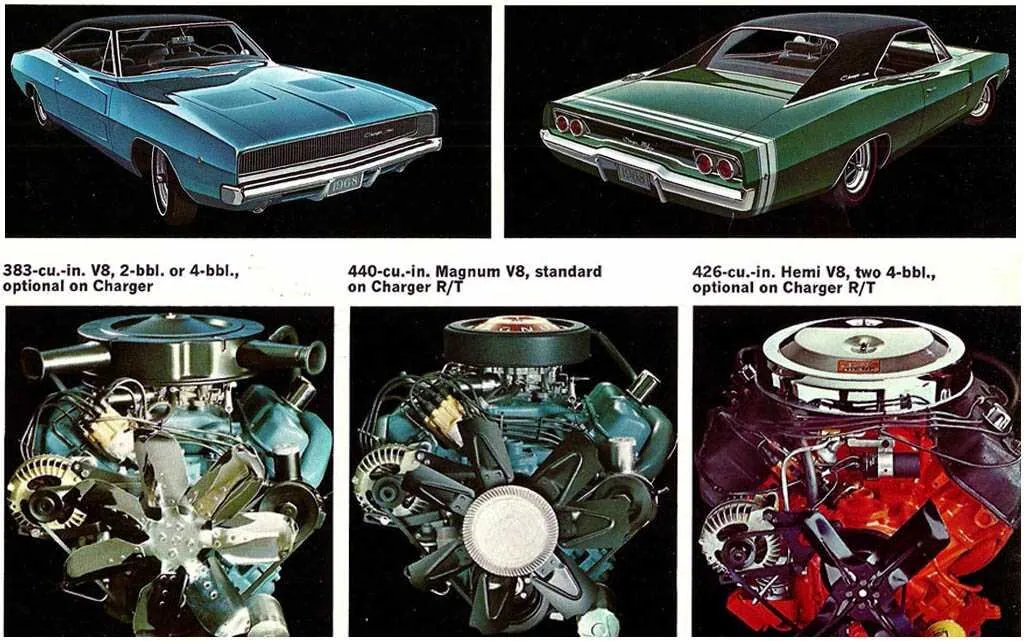
As mentioned earlier, the Dodge Charger was built on the same platform as its predecessor, so much of the engine lineup carried over. It ranged from the entry-level 318-cubic-inch (5.2-liter) V8 to the mighty 440 Magnum (7.2-liter) and 426 Hemi (7.0-liter), producing 375 horsepower and 425 horsepower, respectively. The latter two engines were reserved for the special R/T (Road/Track) model.
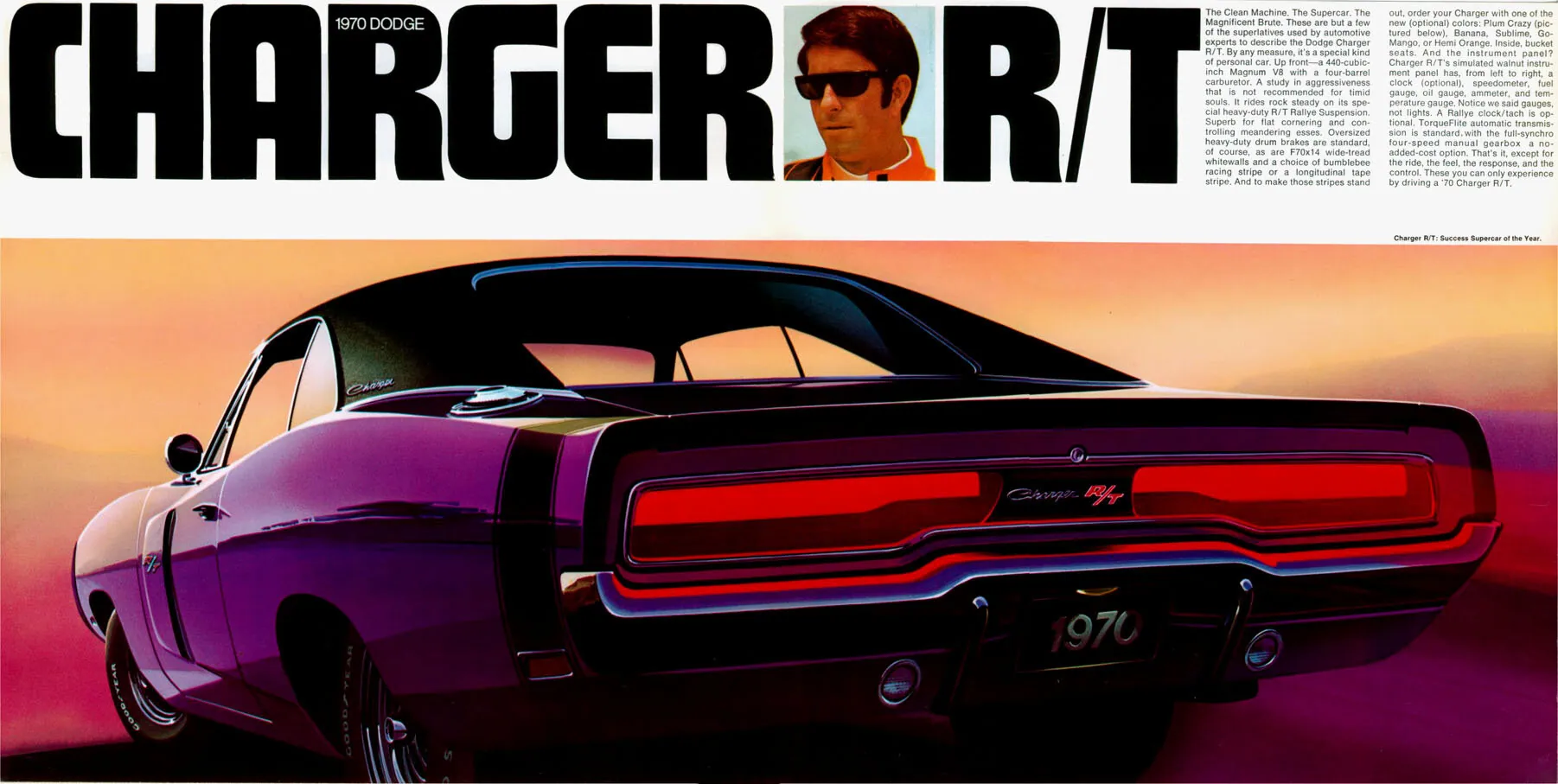
With the R/T designation, Dodge wanted to emphasize that the new Charger was just as capable on the race track as it was on public roads. Equipped with the 426 Hemi, the Charger accelerated from 0 to 62 mph in just 5.3 seconds and completed the quarter-mile in 13.5 seconds, crossing the finish line at 102 mph. Those impressive numbers had a positive effect on sales. The Charger sold very well, with 96,000 units delivered in its first year, including 17,000 R/T models.
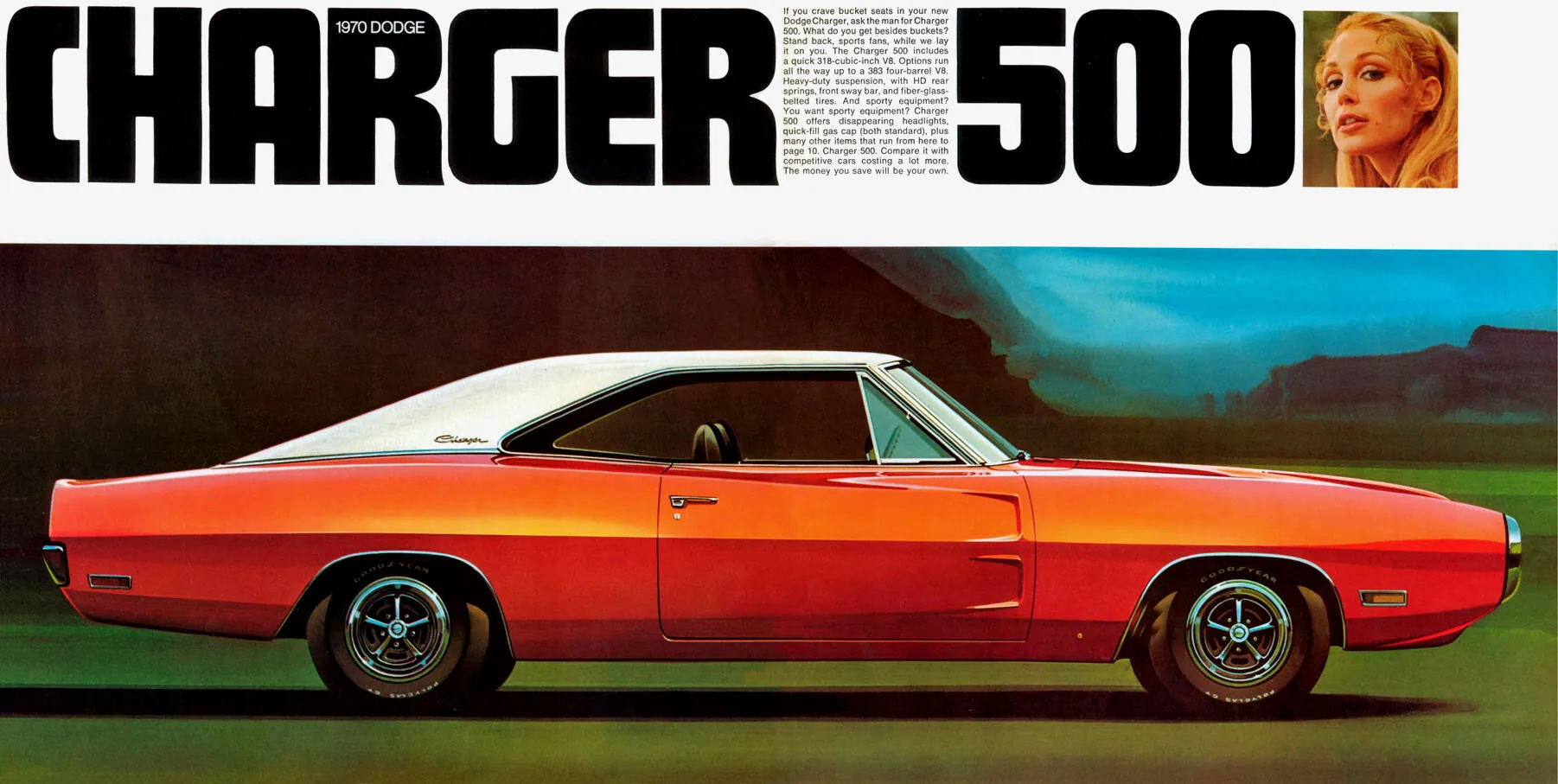
That same year, the Dodge Charger made its NASCAR debut. It soon became clear, however, that the boxy muscle car suffered from mediocre aerodynamics, leaving it behind its main rival from Ford. Dodge first attempted to solve the problem by introducing the more aerodynamic Charger 500.
The improvements proved insufficient, so in 1969 Dodge developed the extreme Charger Daytona. The car featured a pointed aerodynamic nose cone and a towering rear wing standing more than 20 inches high. The Daytona proved highly successful, earning numerous racing victories and setting several speed records.
Under NASCAR homologation rules, Dodge built 392 Charger 500s and 503 Charger Daytonas for the street.
Market Success
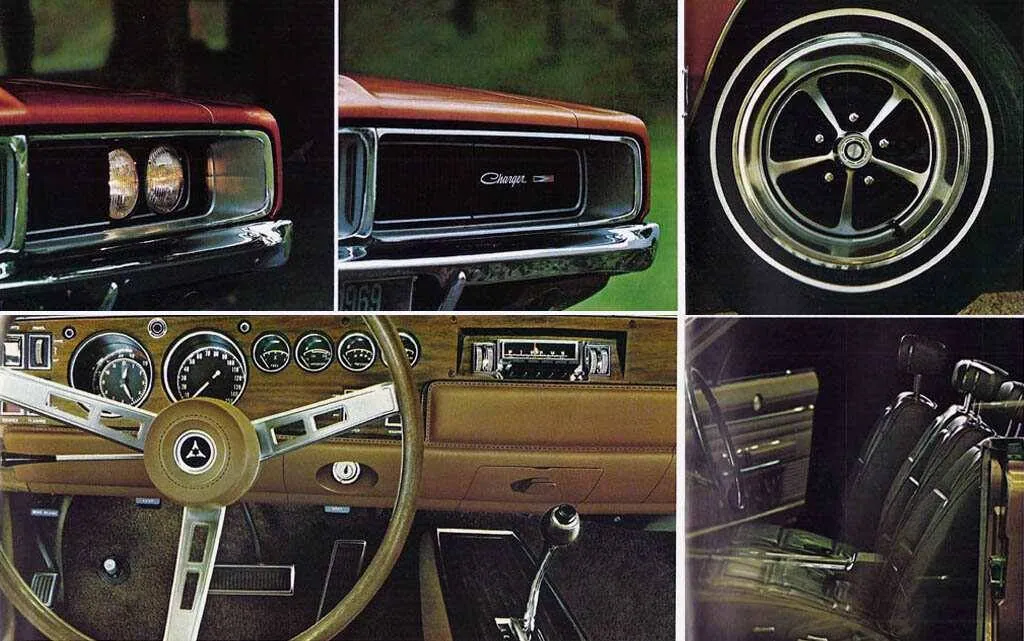
The second-generation Dodge Charger is widely regarded as the most successful version in the model's history. Its striking styling, strong performance, and achievements in motorsports made it one of the most successful muscle cars ever built. Dodge sold 236,000 examples over three years. The third-generation model was far less successful, and before long the Charger was no longer associated with the muscle car segment. That changed in 2006, when Dodge revived the nameplate to the delight of the brand's fans.
You may also be interested in the news:
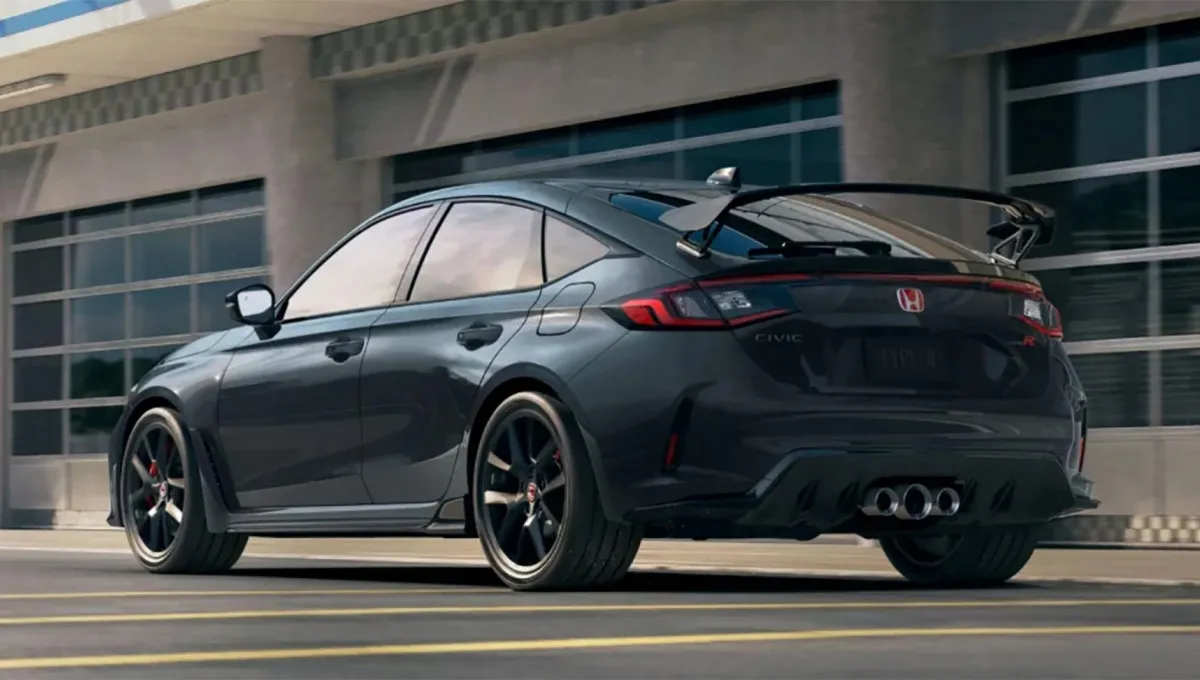
Updated Honda Civic Type R Arrives in the U.S. at $48,695 With Sharper Handling and More Comfort
Official pricing and specifications have been announced.
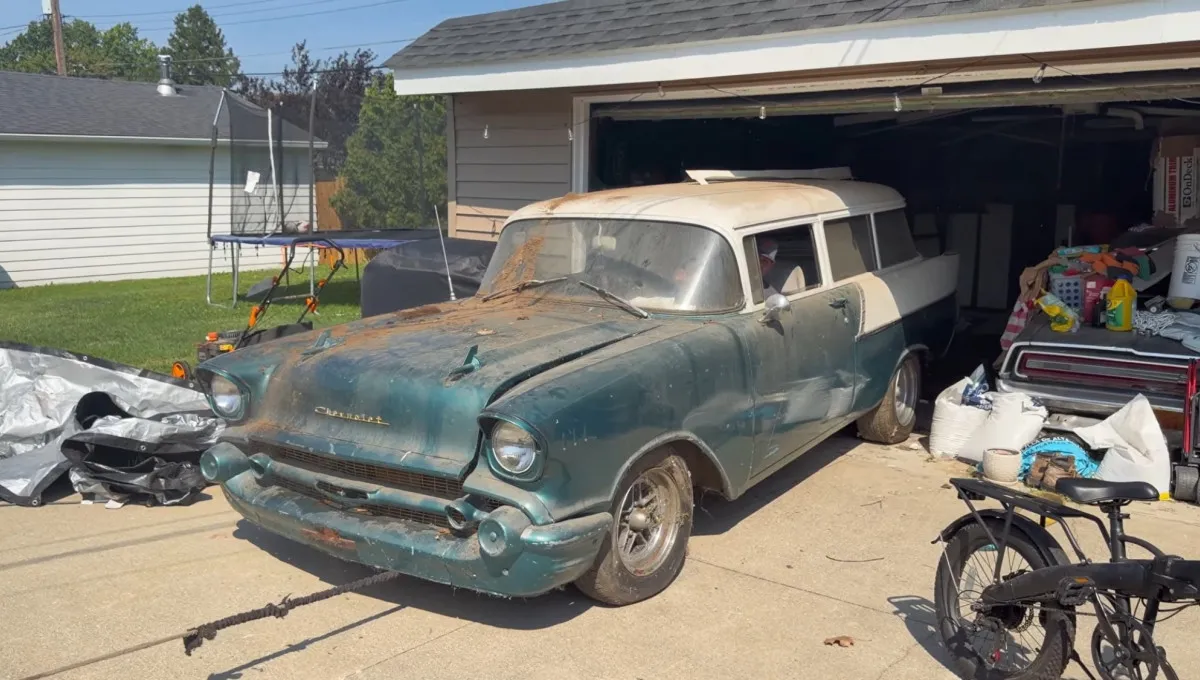
Dad's '57 Chevy Two-Door Wagon Gets First Wash in 30 Years, the Sight Makes Owner Burst Into Tears
A 1957 Chevrolet One-Fifty Handyman sat in a garage for 30 years before its owner’s children arranged a birthday rescue, bringing the classic wagon back to life.
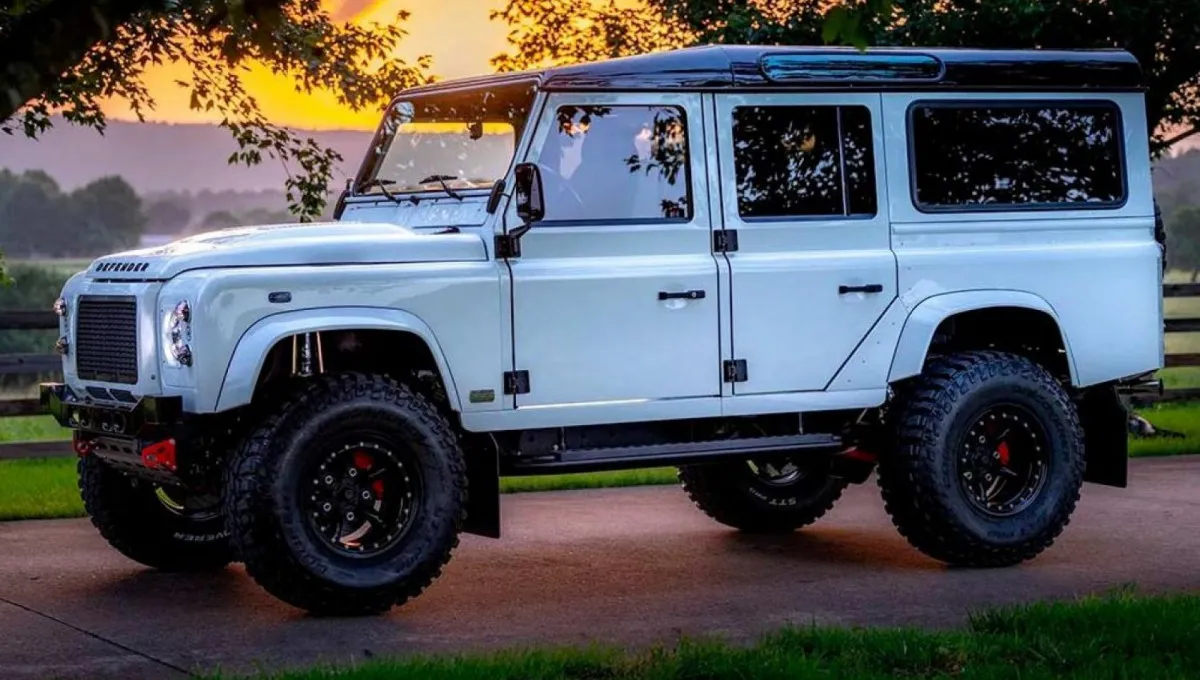
This $403,740 Defender Looks Like a Painting — But the Biggest Surprise Is What’s Under the Hood
An Arkansas-based custom shop recently unveiled a re-engineered classic Land Rover Defender 110 called Vermeer.

Test Yourself: Toyota’s Famous “Oh, What a …” Slogan — Can You Finish It?
Can You Finish Toyota’s Most Famous Slogan? Millions of Americans Heard This One Growing Up
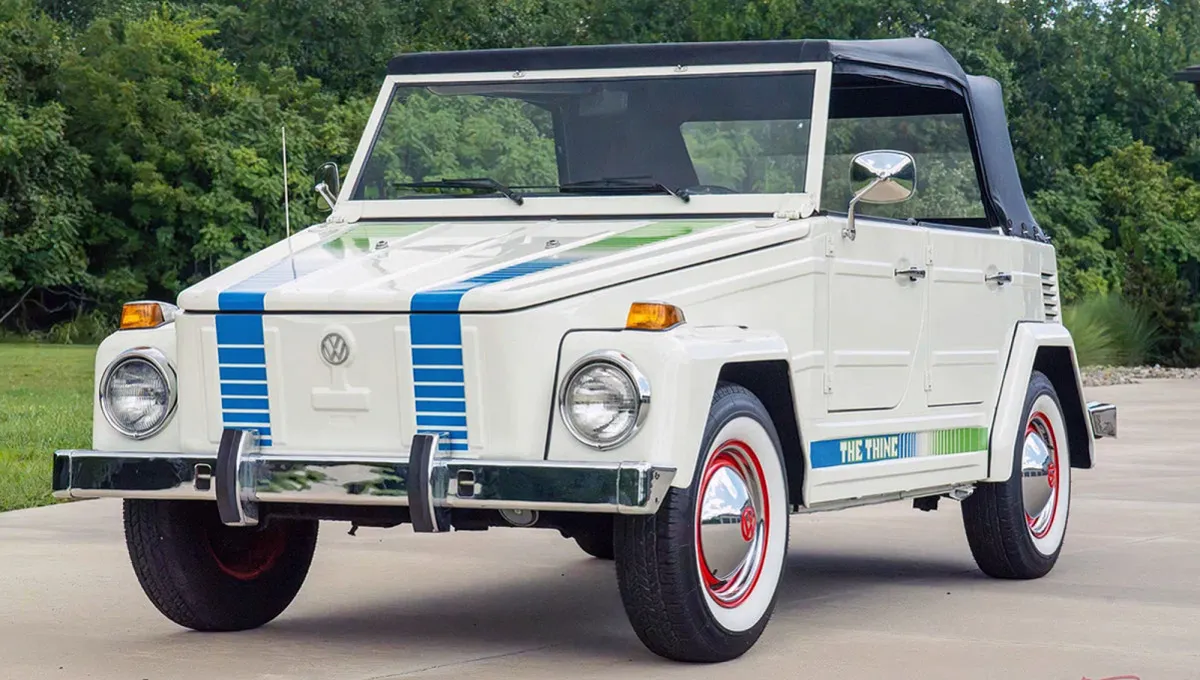
This Weird 1973 Volkswagen Has No Reserve—and It Could Sell for Thousands
A rare 1973 Volkswagen Thing will cross the auction block in the U.S. later this month with no reserve.