
Ford's Super Duty Could Become The US Army's Next Tactical Truck
Ford’s Super Duty is competing to become the U.S. Army’s next tactical truck with advanced power capabilities.
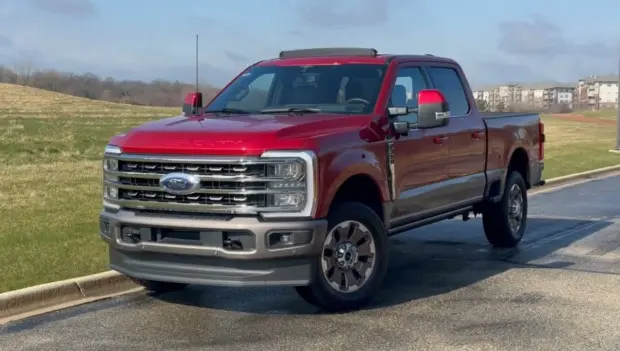
Imagine a heavy-duty pickup that spends the day towing equipment and the night supplying electricity to an entire military outpost. That’s the mission Ford is pursuing with the F-Series Super Duty in the U.S. Army’s new Heavy Infantry Squad Vehicle program, transforming its work truck into a mobile power source and troop transport.
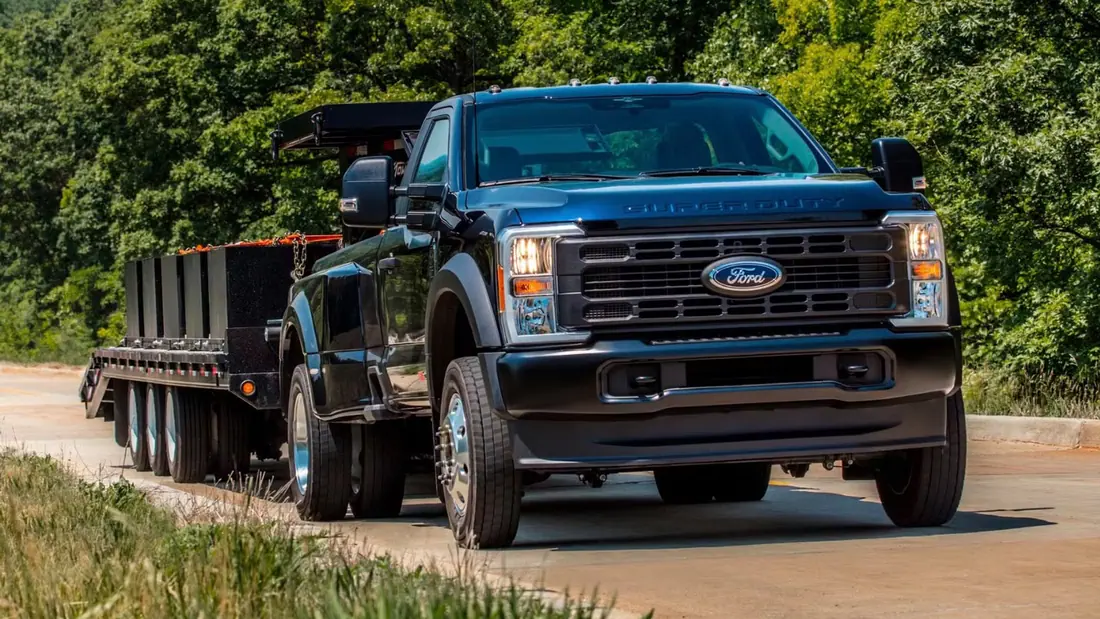
This is not a show vehicle built for display. Supported by Pentagon funding, the Army is seeking a medium tactical truck capable of carrying soldiers and equipment across rough terrain while providing power for drones, sensors, radios, and command systems.
The manufacturer that delivers the right balance of driving range, exportable power, and durability could secure a major production contract, and Ford’s Super Duty-based prototype offers a look at where the next generation of military trucks could be headed.
Ford Enters the U.S. Army Tactical Truck Competition
Ford has advanced from design plans to a working prototype under a government contract. The Department of Defense selected Ford, GM Defense, and BC Customs to each build three Heavy Infantry Squad Vehicle (ISV-H) prototypes, all based on full-size pickup trucks.
Ford’s design uses the Super Duty’s ladder-frame chassis, production engines and transmissions, and a cab and bed modified for military operations instead of commercial towing or construction work.
The opportunity is significant. The Army is considering the purchase of more than 600 ISV-H trucks, which would represent Ford’s largest U.S. military truck order in years if the Super Duty is selected. GM Defense is competing with a hybrid Silverado HD-based ISV-Heavy capable of operating in quiet electric mode, while Ford is relying on its heavy-duty platform to match or surpass that combination of range and low-noise performance.
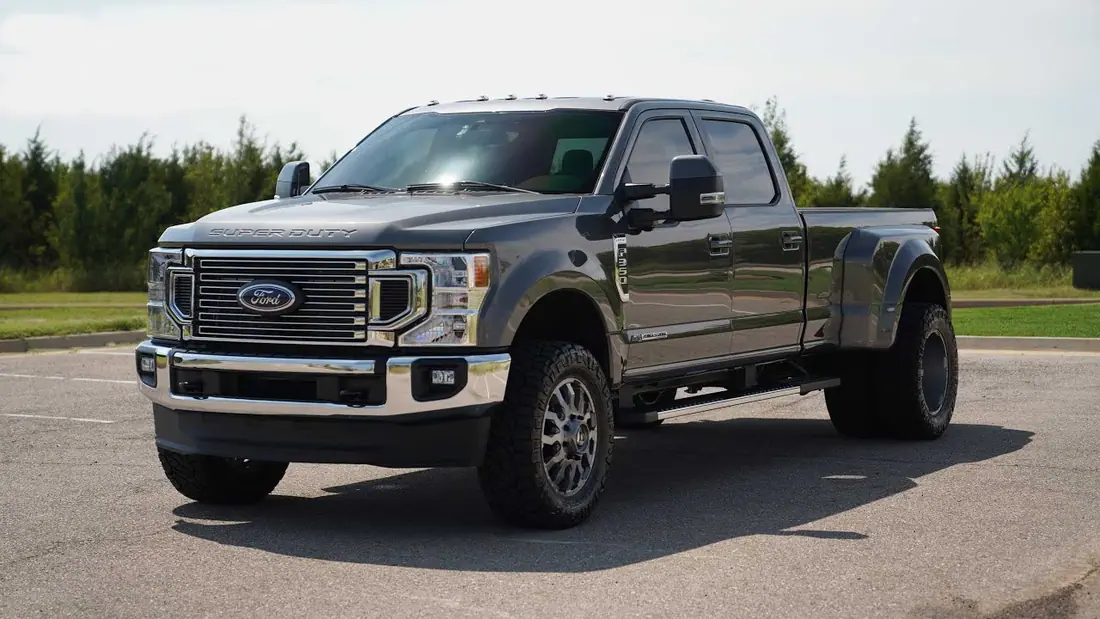
What the Army Expects From the ISV-Heavy
The Army has established detailed performance requirements. Every ISV-H must be able to travel 250 miles using three-quarters of a tank of fuel, then complete a separate 62-mile mission over eight hours under a defined operating profile. Those requirements require engineers to maximize efficiency through fuel capacity, gearing, and engine calibration. The program also includes right-to-repair and data access requirements, calling for open diagnostic systems and field-serviceable components instead of restricted software controlled only by the manufacturer.
In addition to transporting troops and cargo, each truck must serve as a mobile power source. Requirements include up to 60 kilowatts of continuous high-voltage DC export, approximately 15 kilowatts of continuous 28-volt DC power, and about 4.8 kilowatts of continuous 120-volt AC power for battlefield electronics and unmanned systems. In practice, each truck functions as a tactical power bank, reflecting the generator-style technology Ford already offers on civilian Super Duty models.
How the Super Duty Platform Supports the Mission
Every Ford ISV-H begins with the F-Series Super Duty, a pickup already designed to handle heavy trailers and substantial payloads. Its robust frame, heavy-duty axles, and proven gasoline and diesel powertrains allow Ford’s defense engineers to focus on suspension tuning, crew protection, and power-export equipment rather than developing an entirely new platform.
If you have seen factory packages such as the 2027 Super Duty Proud to Honor edition or off-road builds like the AEV-prepared FX37, you know how adaptable this platform can be with increased ride height, underbody protection, and additional equipment. The ISV-H versions take that approach even further, replacing comfort-focused features with radios, storage racks, weapon mounts, and the electronics required to deliver substantial exportable power.
Starting with a high-volume production pickup also benefits long-term logistics. Like the 2023 Super Duty available to consumers, the ISV-H can use an existing supply chain for engines, transmissions, sensors, and replacement parts. That aligns with the program’s repairability requirements and should simplify maintenance throughout the trucks’ service life.
You may also be interested in the news:

How Much Did American Cars Cost in the 1950s, and Who Could Afford Them?
American cars of the 1950s were large, powerful, and heavily chromed, but how much did they actually cost, and who could afford them?
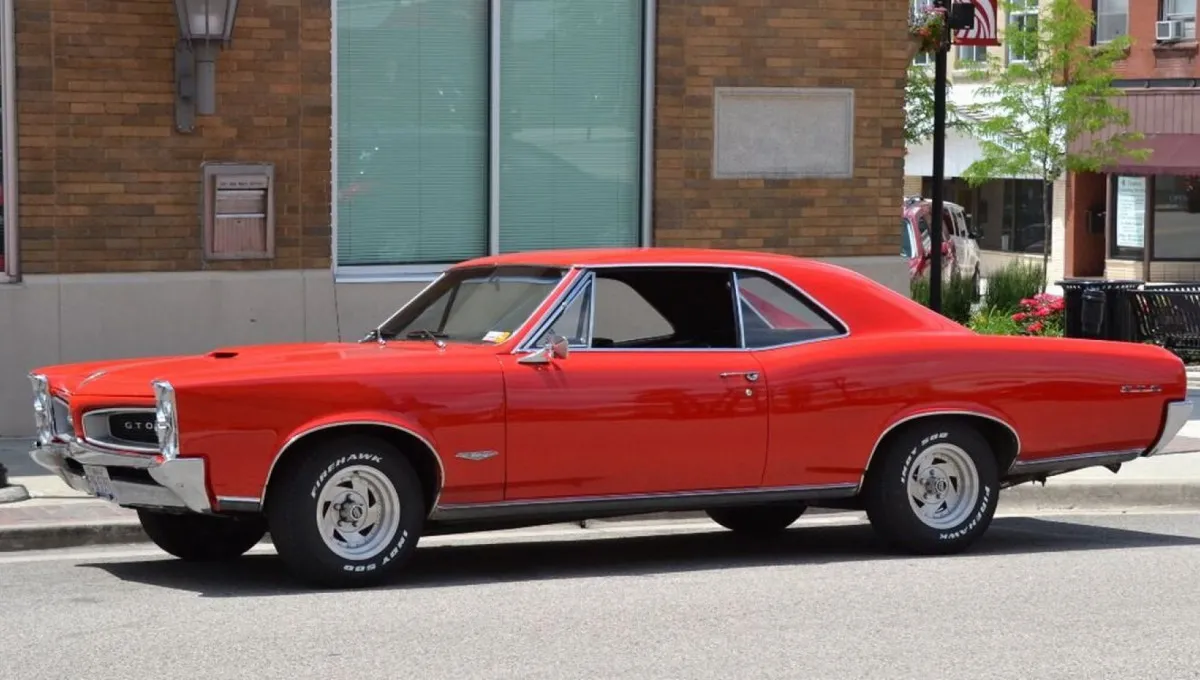
Pontiac GTO — Every American Teenager’s Dream in the 1960s
In 1964, Pontiac created a new kind of American performance car by putting a big-block V8 into the Tempest and launching the muscle car era.
Ford is recalling more than 223,000 F-150 trucks after regulators warned fuel tanks could loosen or leak.
Ford is recalling 223,472 F-150 pickup trucks in the United States after federal safety regulators identified a potential problem with fuel tank security.

It Hauled Kids and Terrified Mustangs: The Story of Chevrolet’s Strangest 1965 Wagon
It simply did its job—loudly, heavily, and with an unmistakable sense of purpose.

5 Rare American Cars You Probably Never Knew Existed — Why They Remained Toys for the Few
America knows how to build cars. Sometimes they’re so brilliant that the rest of the world ends up copying them.