
How Oldsmobile Invented a Manual Gearbox for an Automatic
Long before paddle shifters and electronic driving modes, Oldsmobile found a clever mechanical way to let drivers shift an automatic transmission themselves.
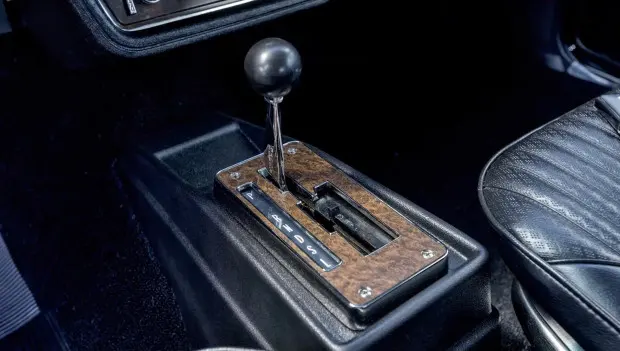
Over the past several decades, automatic transmissions have largely replaced traditional manual gearboxes. There are still exceptions, but they are becoming increasingly rare. That's especially true for everyday vehicles, where most drivers would rather simply get home after work than constantly work a shifter through heavy city traffic.
Yet one interesting preference has remained unchanged: even drivers who choose an automatic transmission sometimes want to take control of the shifts themselves. That's why automakers have continued looking for ways to preserve that sense of connection between the driver and the car.
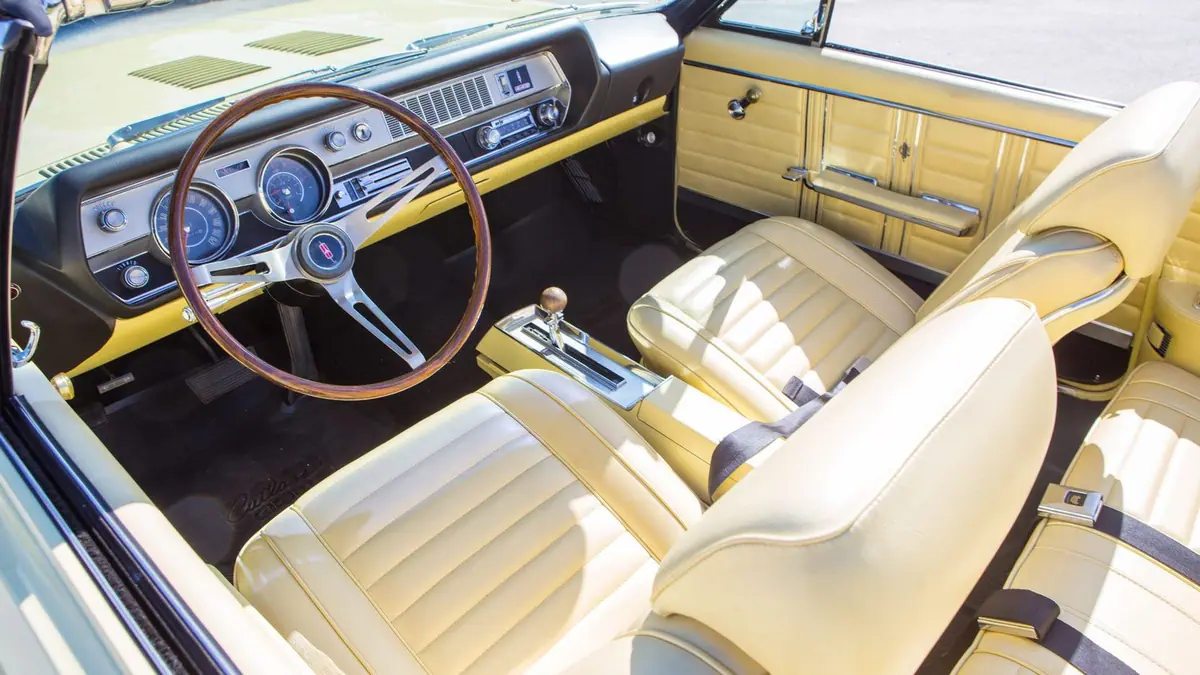
Today, manufacturers use sophisticated software to achieve this. Porsche, for example, developed a simulated gear-shifting system for the Taycan, an electric car that essentially has no conventional multi-speed transmission. The approach adds a greater sense of involvement without giving up the convenience of an automatic.
But the idea is far from new. More than half a century ago, Oldsmobile engineers, working with specialists at Hurst Performance, tackled a similar challenge.
When an Automatic and a Manual Lived in the Same Shifter
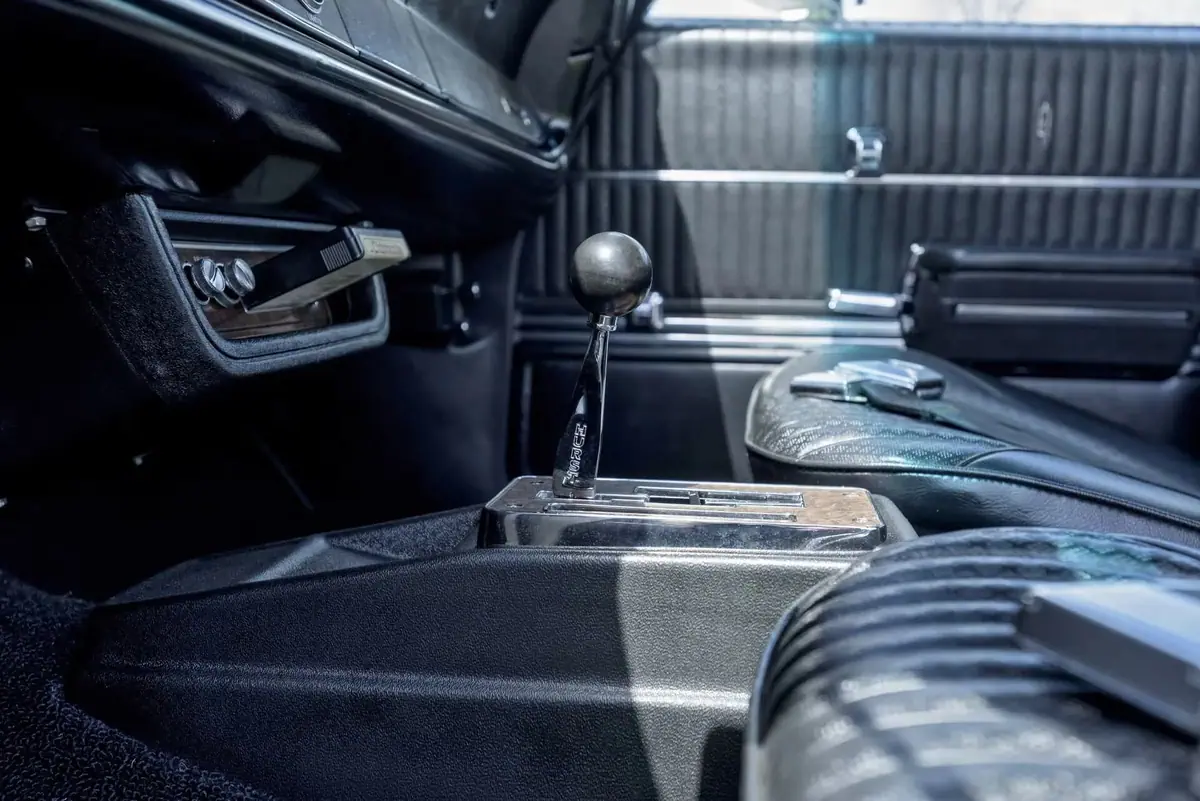
In the late 1960s, engineers developed an unusual transmission-control system called the Hurst Dual Gate. It became better known as the "His and Hers" shifter.
The concept was simple:
- One mode was designed for normal automatic driving.
- The other allowed the driver to choose when to shift gears.
By the standards of the time, the setup was remarkably unusual. Instead of moving through a single shift gate, the shifter could travel through two separate channels.
In the first channel, everything worked like a conventional automatic. The driver simply selected Drive and kept going without any additional input.
The second channel allowed the driver to shift through the gears sequentially by hand. The design also helped prevent the accidental selection of an inappropriate gear or Reverse while the vehicle was moving.
In effect, it was a mechanical precursor to the manual-control modes found in many modern automatic transmissions.
A Commercial From Another Era
The name "His and Hers" can raise eyebrows today. Advertising materials from the late 1960s explicitly presented the system as a solution for two types of drivers: the automatic mode was aimed at relaxed everyday driving, while the manual mode was for those who wanted to take a more active role behind the wheel.
Modern automotive publications often look back at the advertising as an example of the gender stereotypes common in marketing at the time. Today, that kind of approach would be unlikely, as automakers no longer frame driving preferences around a division between men and women.
The shifter itself, however, proved successful enough to become a memorable piece of American automotive history.
An Engineering Trick Instead of a True Manual
Compared with the later Hurst Lightning Rods, which were developed primarily with drag racing in mind, the Dual Gate was surprisingly elegant and practical.
Its key features included:
- Two independent shift channels
- An automatic mode for everyday driving
- Sequential manual shifting
- Protection against selecting the wrong gear
Early versions also had another interesting feature: the mechanical portion of the system could be locked with a key.
It's important to note that the setup didn't provide any actual performance advantage. The automatic transmission still handled the gear changes; the driver simply chose when to make them. Even so, buyers liked the concept.
That made sense in the American market. Most U.S. drivers already preferred automatic transmissions, and many had little or no experience with a traditional manual gearbox.
One of the Rarest Oldsmobiles
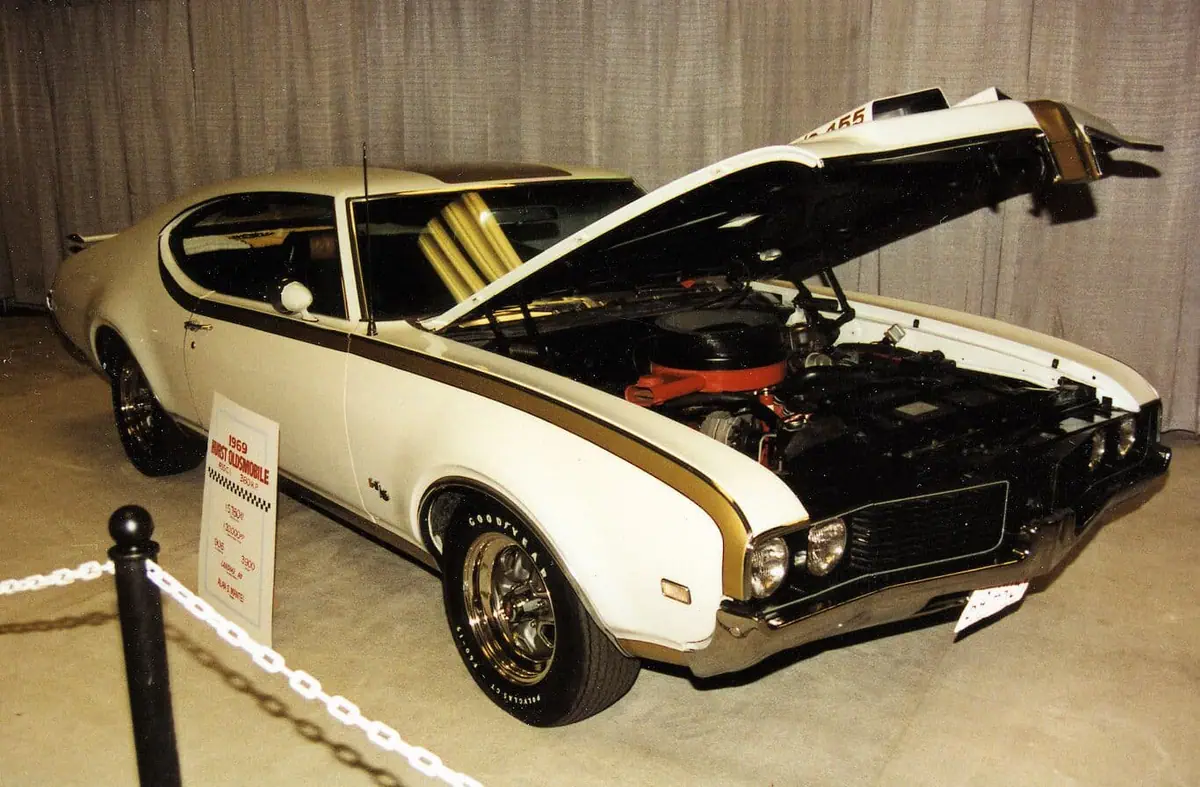
The Hurst Dual Gate shifter was installed in several sporty General Motors models. Today, one of the most sought-after cars equipped with the system is the 1969 Oldsmobile Hurst/Olds.
One beautifully restored example recently sold at a Mecum auction in Indianapolis for $187,000.
The car's value, however, goes well beyond its unusual shifter.
Only 906 examples of the 1969 Hurst/Olds were produced. Under the hood was a 455-cubic-inch Oldsmobile Rocket V8 producing 380 horsepower.
The car also reflected a particularly interesting period in General Motors history.
How Engineers Got Around Corporate Restrictions
In the late 1960s, GM had a corporate rule prohibiting the installation of engines larger than 400 cubic inches in its intermediate-size cars.
Managers and engineers, however, found a way around the restriction.
As a result, the Hurst/Olds received a 455-cubic-inch engine, substantially exceeding the corporate limit. In effect, the car managed to sidestep the restriction.
In some ways, the Hurst Dual Gate shifter reflected the same spirit of engineering creativity. Technically, the car still had an automatic transmission, but the system allowed the driver to feel more involved in the shifting process.
Today, similar ideas are implemented with sophisticated electronics, software algorithms and digital interfaces. More than half a century ago, though, American engineers achieved a comparable effect using little more than clever mechanical engineering.
That's what makes the Hurst Dual Gate such an interesting example of how automakers were trying to combine the comfort of an automatic transmission with the involvement of manual shifting long before modern technology made it commonplace.
You may also be interested in the news:
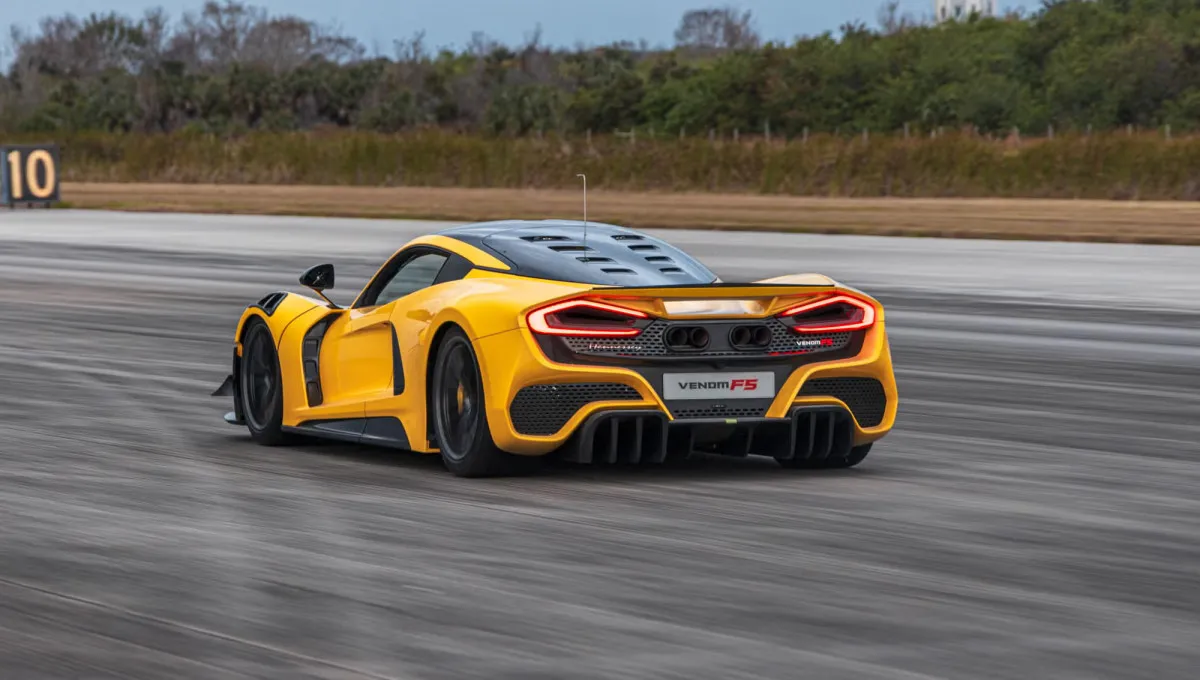
Experts Name the Two Most Powerful Production Sports Cars in the U.S.
American sports cars continue to impress with their horsepower, speed and innovative engineering, with two models standing above the rest.
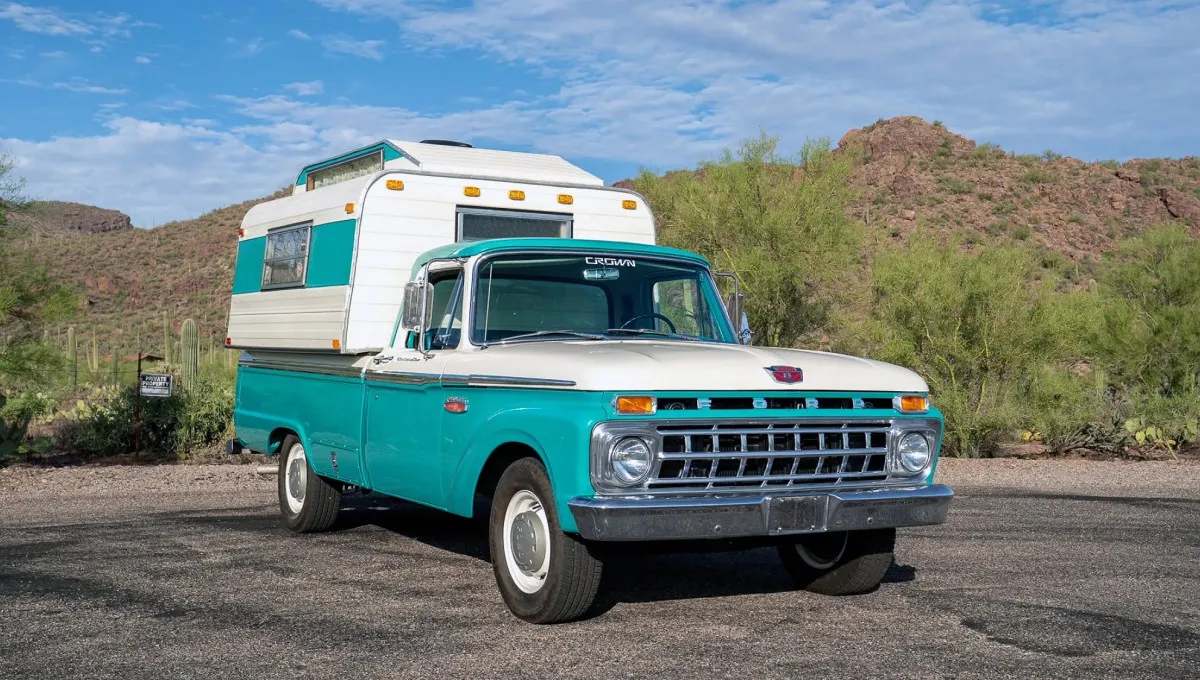
This 1965 Ford F-250 With a Mitchell & Sons Camper Is a Charming Retro Travel Companion
The 1965 Ford F-250 and Mitchell & Sons camper share colors, period styling, and compatibility.
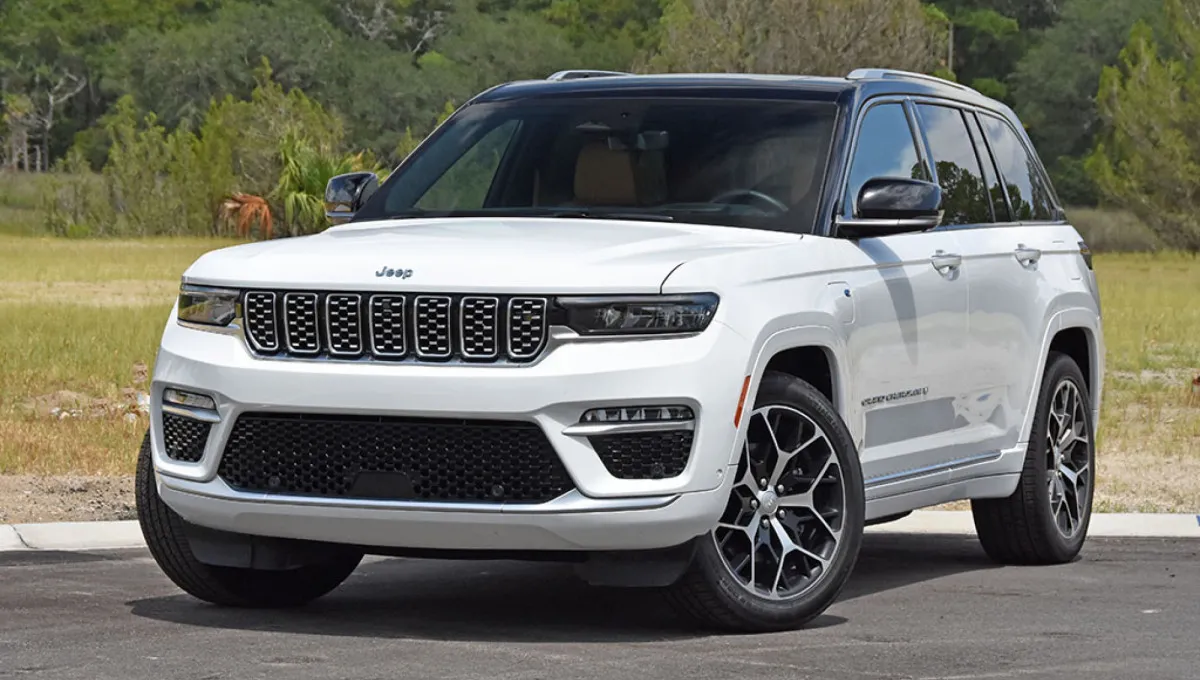
Jeep Grand Cherokee Owners Urged to Get Recall Repairs as Soon as Possible
Chrysler is recalling more than 328,000 Jeep Grand Cherokees over a rear coil spring problem that could increase the risk of a crash.
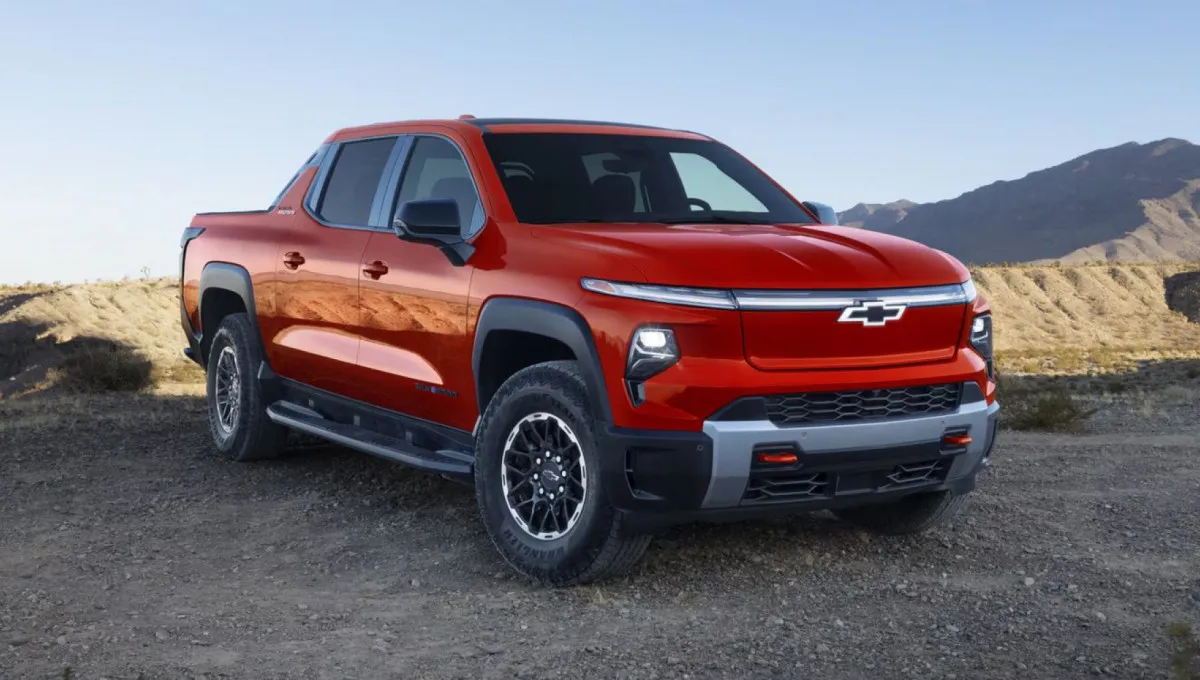
Chevrolet Raises Prices on 2027 Silverado EV and Cuts the Lineup
Chevrolet raises 2027 Silverado EV prices and cuts two trims amid weak electric-pickup demand in the market.
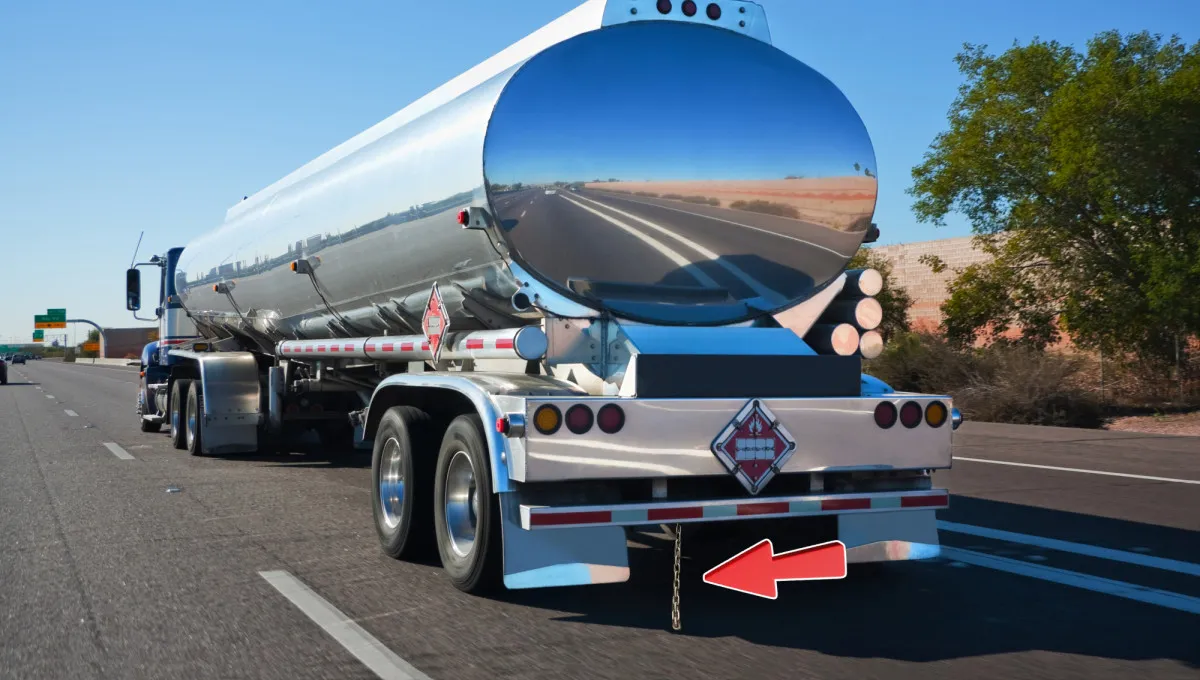
You’ve Seen This Chain Behind Fuel Tankers — But Do You Know What It’s Really For?
The metal chain dragging behind a fuel tanker isn't a forgotten part or a coincidence—it has long been associated with fire safety.