
328,000 Jeep Grand Cherokees Recalled Over a Hidden Crash Risk — Owners Should Act Now
Chrysler is recalling more than 328,000 Jeep Grand Cherokees over a rear coil spring problem that could increase the risk of a crash.
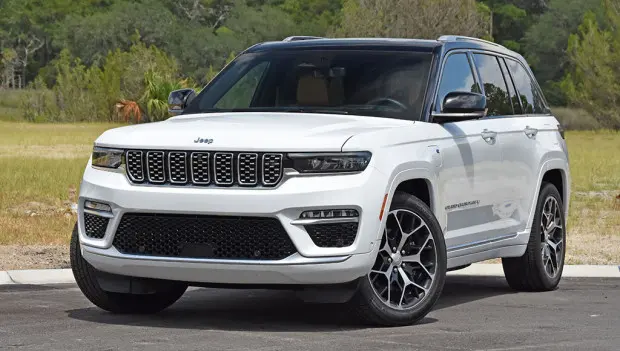
Chrysler is recalling 328,381 Jeep Grand Cherokee SUVs because a rear coil spring may become detached while the vehicle is being driven, creating a potential road hazard and increasing the risk of a crash. The recall was filed with the National Highway Traffic Safety Administration on September 1, 2026.
The recall covers certain 2021-2023 Jeep Grand Cherokee L, 2022-2023 Jeep Grand Cherokee and 2022-2023 Jeep Grand Cherokee 4xe models.
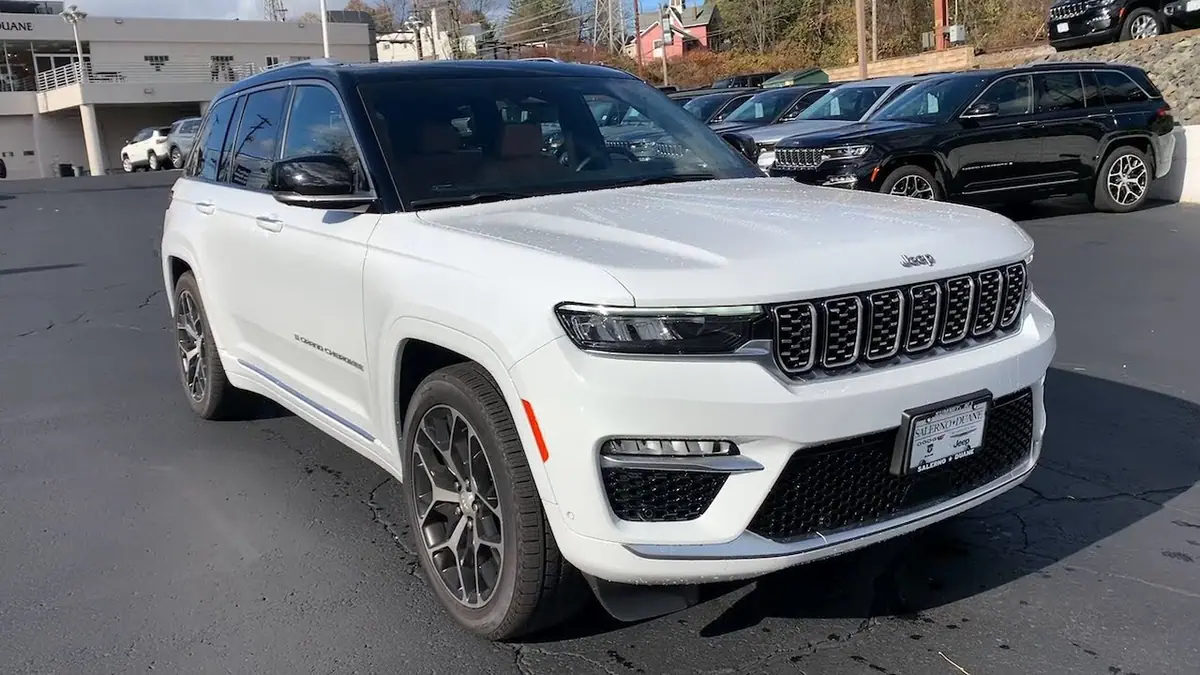
Chrysler says the affected Grand Cherokee L vehicles were built between December 5, 2020, and May 31, 2023. The Grand Cherokee and Grand Cherokee 4xe are also included, with affected vehicles built through May 31, 2023.
According to the recall filing, an incorrectly installed rear coil spring can move out of position and potentially detach while the vehicle is moving. If the spring comes off, it can create a road hazard for other motorists and potentially cause a crash without warning.
Jeep Grand Cherokee Owners Urged to Get the Problem Fixed
One of the more concerning aspects of the recall is that there may be no warning before a rear coil spring comes loose. Chrysler says it has received 29 customer assistance records and 406 warranty claims associated with the issue. No crashes or injuries have been reported in connection with the recall.
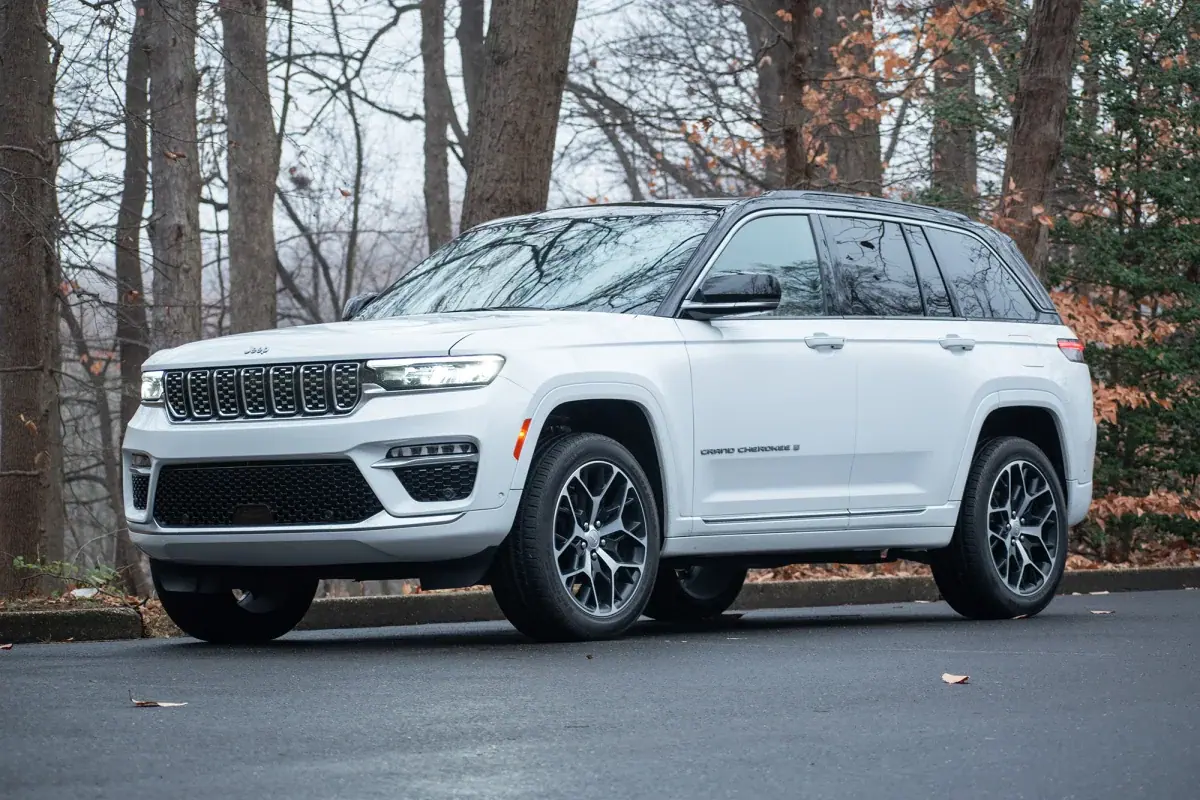
The problem has already resulted in earlier recalls. The latest campaign, NHTSA recall 26V562, replaces previous recalls 26V051 and 23V413. Vehicles that were repaired under either of those campaigns will still need to receive the new remedy.
To address the issue, dealers will replace the rear coil spring lower isolators free of charge. Interim owner notification letters are expected to be mailed beginning September 29, 2026. The VINs covered by the recall became searchable through NHTSA on September 9.
Owners can contact FCA US customer service at 1-800-853-1403 and provide their vehicle identification number to determine whether their SUV is affected. NHTSA also allows owners to check open recalls by VIN.
The recall affects 328,381 vehicles in total, including approximately 215,433 Grand Cherokee L SUVs, 97,477 two-row Grand Cherokees and 15,471 Grand Cherokee 4xe plug-in hybrids. Vehicles equipped with the Quadra-Lift air suspension system are not included because they use a different rear suspension setup.
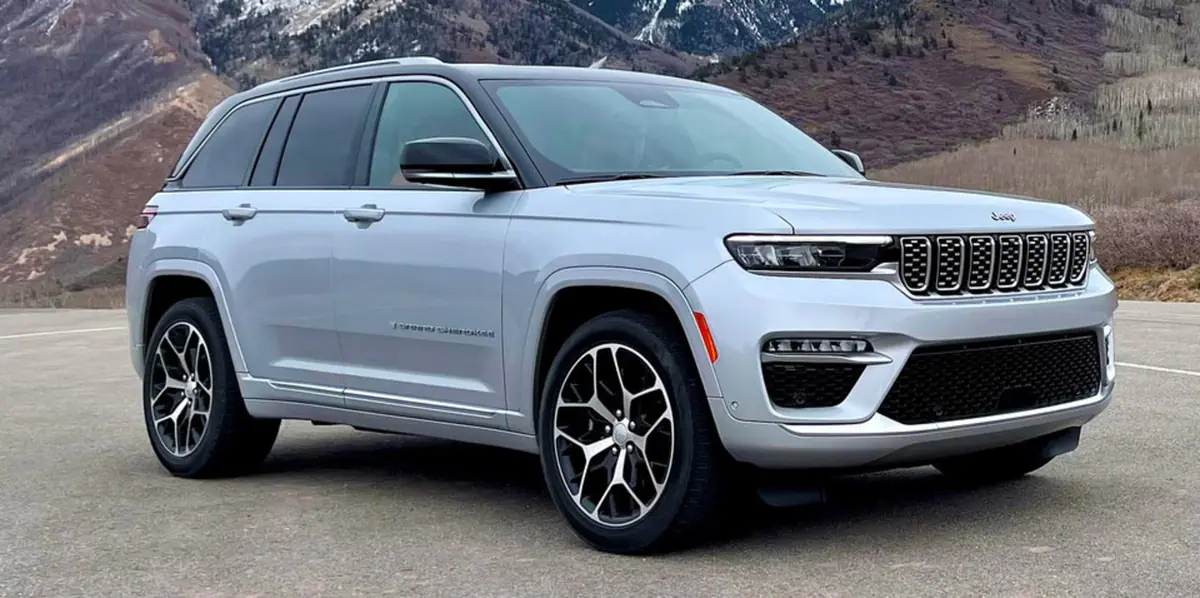
Chrysler's latest recall is particularly notable because it follows earlier attempts to address the same rear coil spring issue. NHTSA opened an investigation in December 2025 into reports involving vehicles that had previously received the 23V413 remedy.
Owners who believe their vehicle may be affected should check their VIN with NHTSA or contact a Jeep dealer rather than assuming that a previous recall repair has resolved the issue.
You may also be interested in the news:
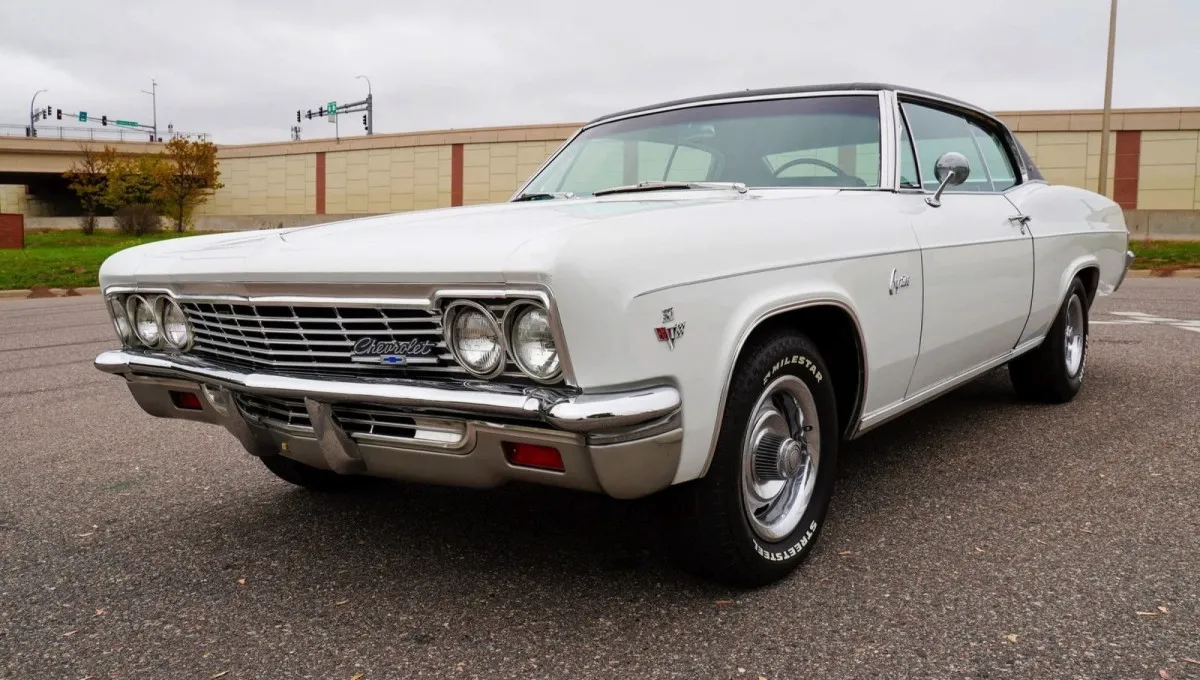
Restored 1966 Chevy Caprice Looks Showroom-Fresh, but Those 13K Miles Don't Tell the Whole Story
This restored 1966 Chevrolet Caprice looks road-ready, but its 13,000-mile odometer reading comes with an important catch.
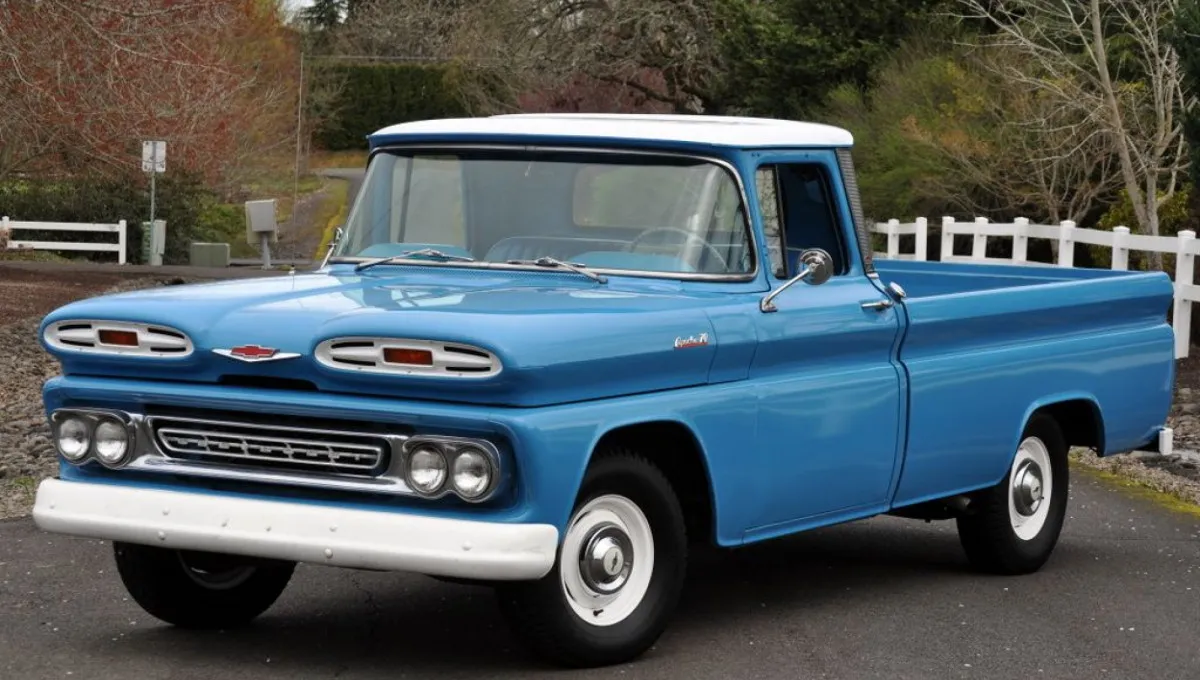
The 1960 Chevrolet Pickup: The Biggest Thing to Happen to Trucks Since Trucks Were Invented
Chevrolet unveiled an all-new pickup for 1960, calling it “the most important news since trucks came into being!”
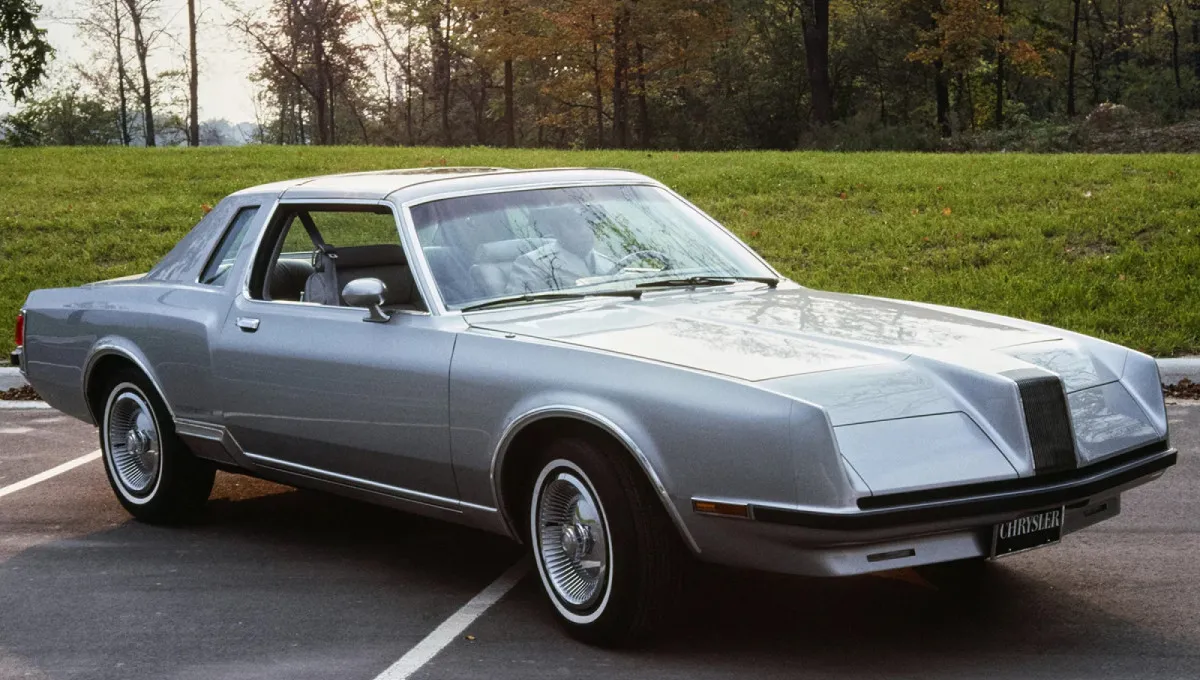
The 1977 Chrysler LeBaron Turbine: The Final Chapter of a 25-Year Experiment
Chrysler's 1977 LeBaron Turbine concept showcased decades of gas turbine research, but financial troubles ultimately brought the ambitious program to an end.
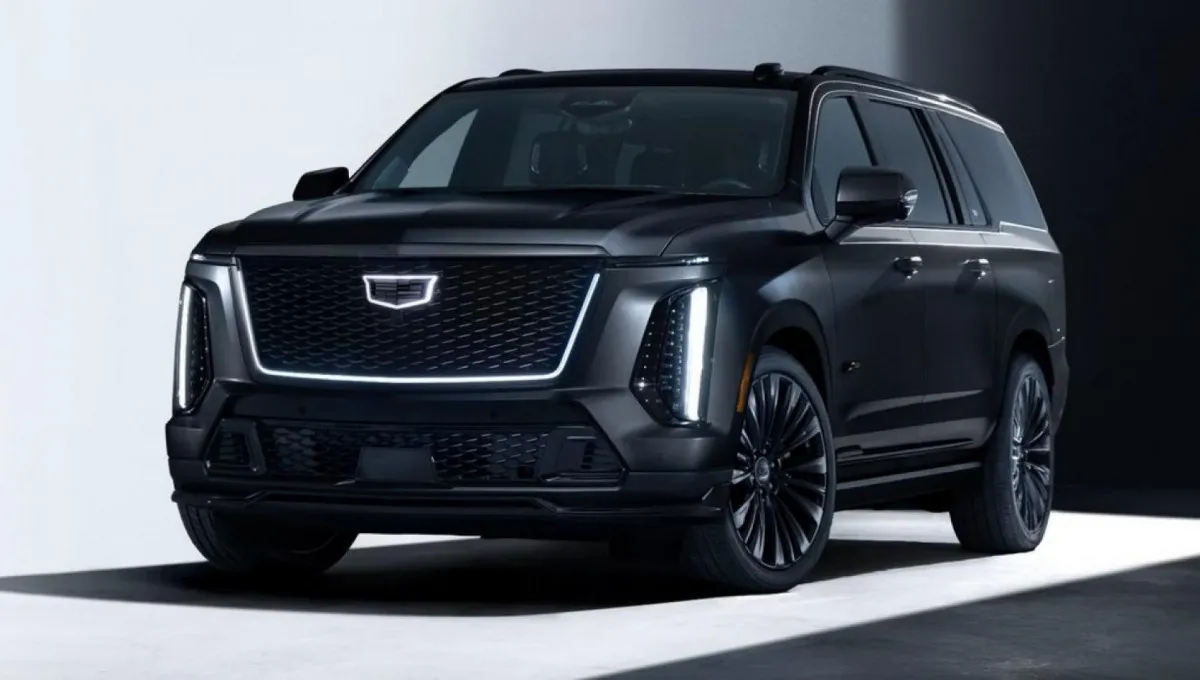
Cadillac Celebrates Its 125th Anniversary With the Most Expensive Escalade-V Ever
One of America’s oldest automotive brands has unveiled a limited-edition version of its flagship SUV to mark a major milestone.
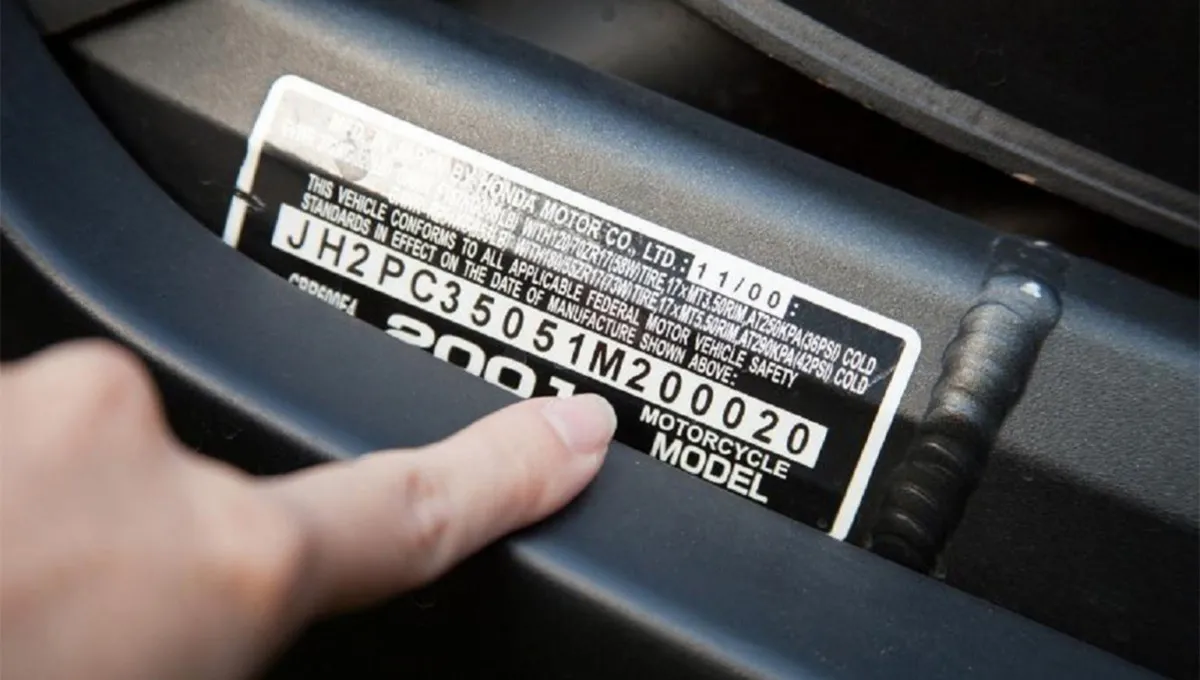
VIN-Based Auto Parts Lookup: Where Buyers Make the Most Mistakes
A VIN helps identify the right replacement part for your vehicle, but it cannot account for every change. Here’s what sellers need to know.