
Why Is Your Car’s Suspension Making a Knocking Noise? 5 Symptoms Every Driver Should Know
Five common suspension noises can point to specific problems, helping drivers narrow the cause before inspection.
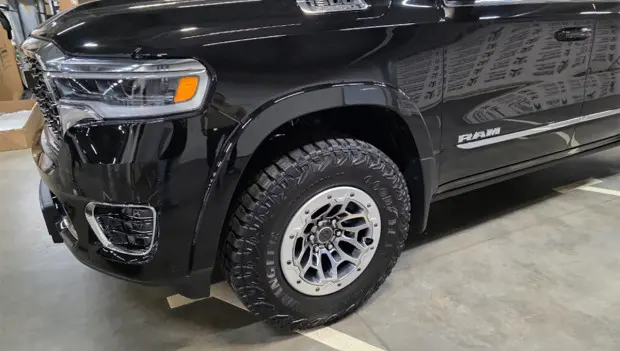
A suspension noise can often provide clues about what is going wrong. Even if you plan to take the car to a repair shop rather than fix it yourself, knowing what to listen for can help you describe the problem more accurately and give a technician a better starting point for the diagnosis.
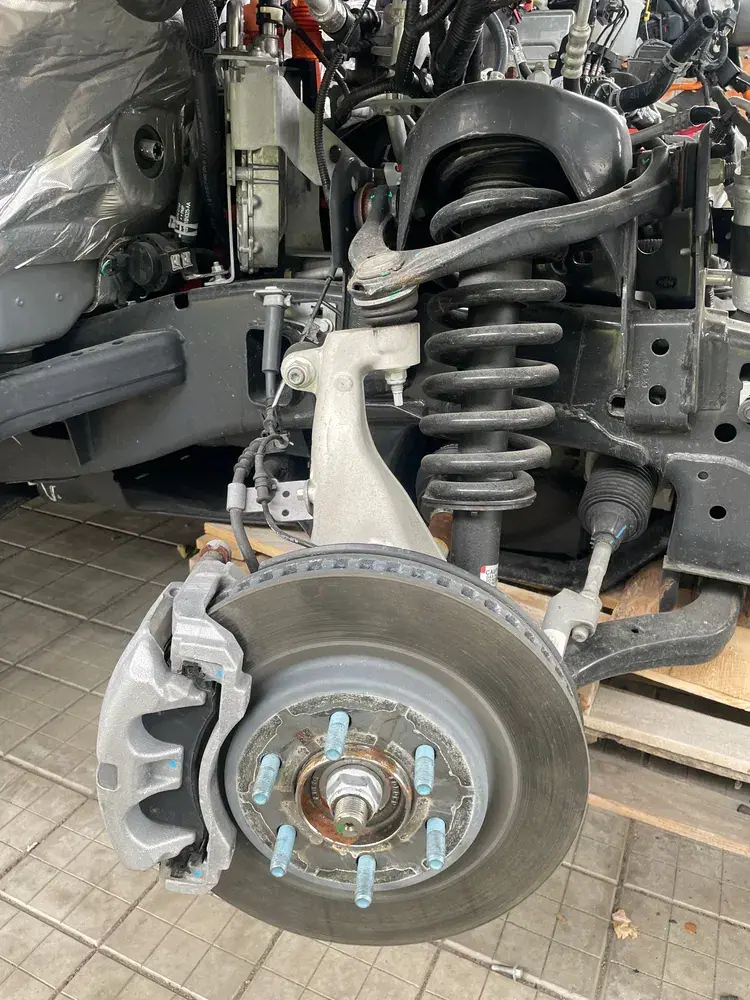
A passenger car’s suspension contains dozens of components, and many of them can produce a knocking or clunking sound when they begin to fail.
The exact sound depends on which component is causing the problem. Common sources include:
- Sway bar links and bushings
- Tie rods and tie rod ends
- Ball joints
- Shock absorbers
- Control arm bushings
- Coil springs
How Different Suspension Parts Sound
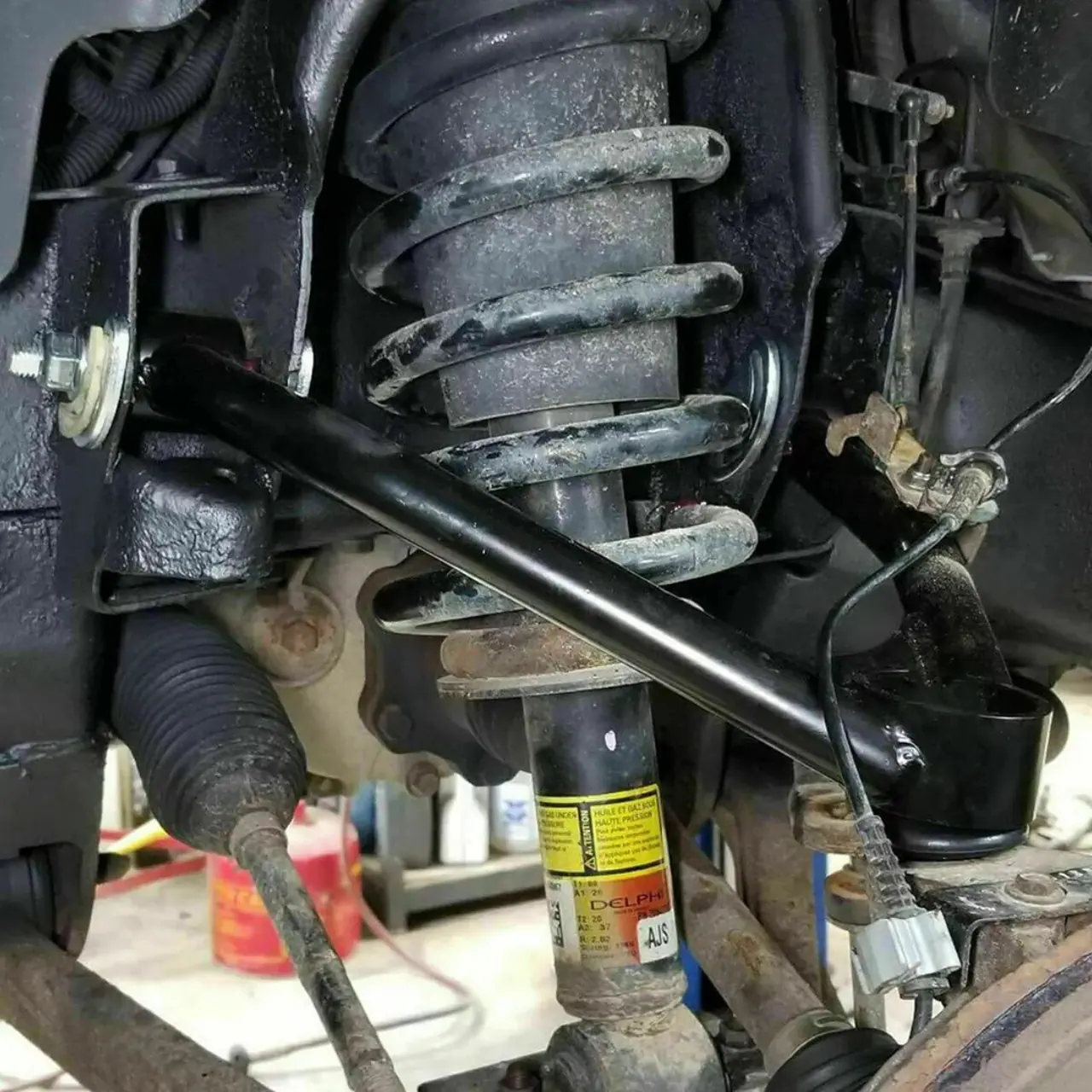
Suspension noises are most noticeable when driving over bumps, including speed bumps and uneven pavement. Paying attention to a few small differences can help narrow down the possible cause.
Sway bar links and bushings can be the source of a noise when the steering wheel is turned while the vehicle travels over an uneven surface.
Tie rods and tie rod ends can also make noise over bumps. One important difference is that a worn steering component can send a noticeable vibration or knock through the steering wheel, which the driver can feel in their hands.
Control arm bushings may also make noise when the vehicle hits bumps, but the sound is typically more of a dull thud that seems to come from the body or chassis.
Worn or damaged shock absorbers can produce a similar noise. A visual inspection can provide another clue: a failed shock absorber may be leaking fluid.
Broken coil springs tend to produce a clicking or snapping sound. If you hear this type of noise, inspect the springs for broken or damaged coils.
Ball joints can be checked with the wheel off the ground. Rocking the wheel can reveal excessive play if a ball joint is worn. However, play in the wheel can also be caused by a worn wheel bearing, so this test alone does not identify the failed component.
Because several suspension problems can produce similar symptoms, these checks should be treated as preliminary clues rather than a definitive diagnosis. A professional suspension inspection can determine exactly which component needs attention.
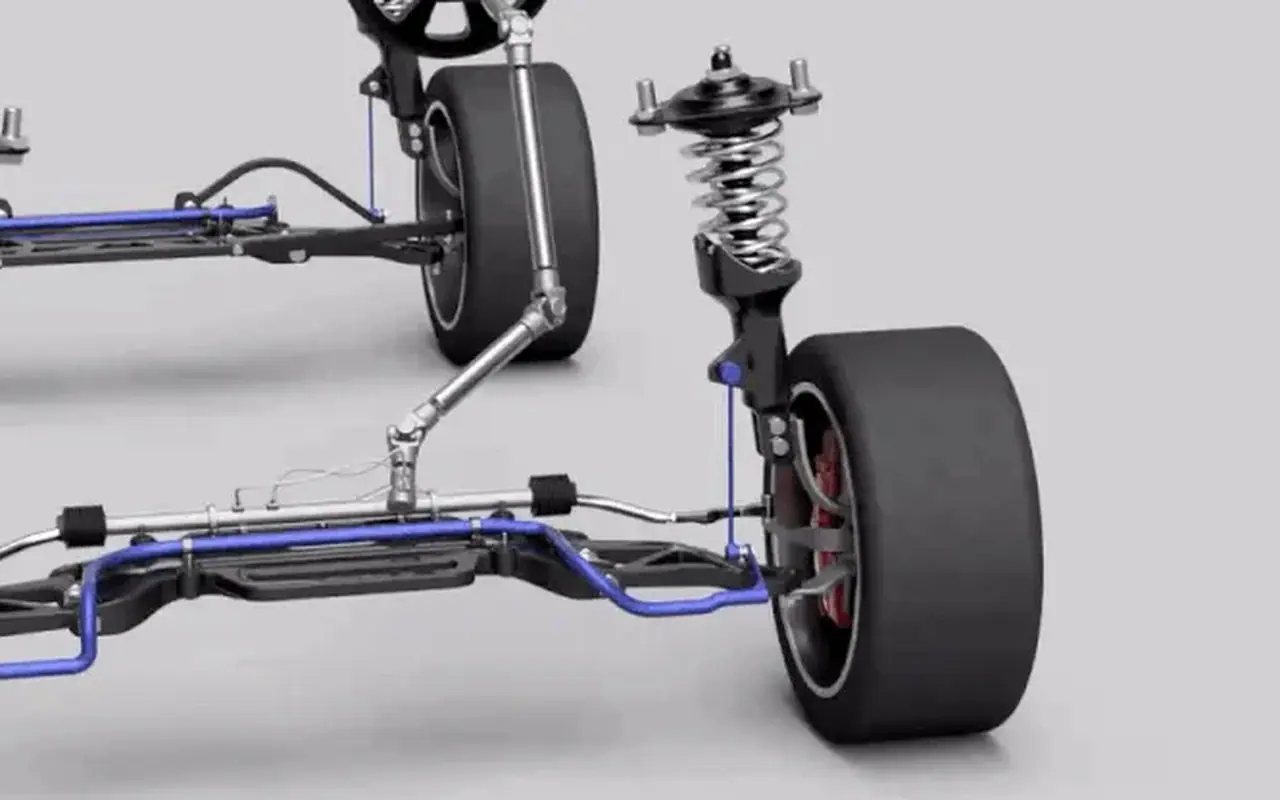
Why Does a Suspension Make Noise?
Wear is the most common reason suspension components begin making noise. Loose or weakened mounting hardware is another frequent cause, followed by physical damage to a component.
A knocking sound does not necessarily mean the same part has failed every time. The driving conditions under which the noise occurs, whether it changes when steering, and whether you can feel anything through the steering wheel can all provide useful clues before the vehicle is inspected.
You may also be interested in the news:
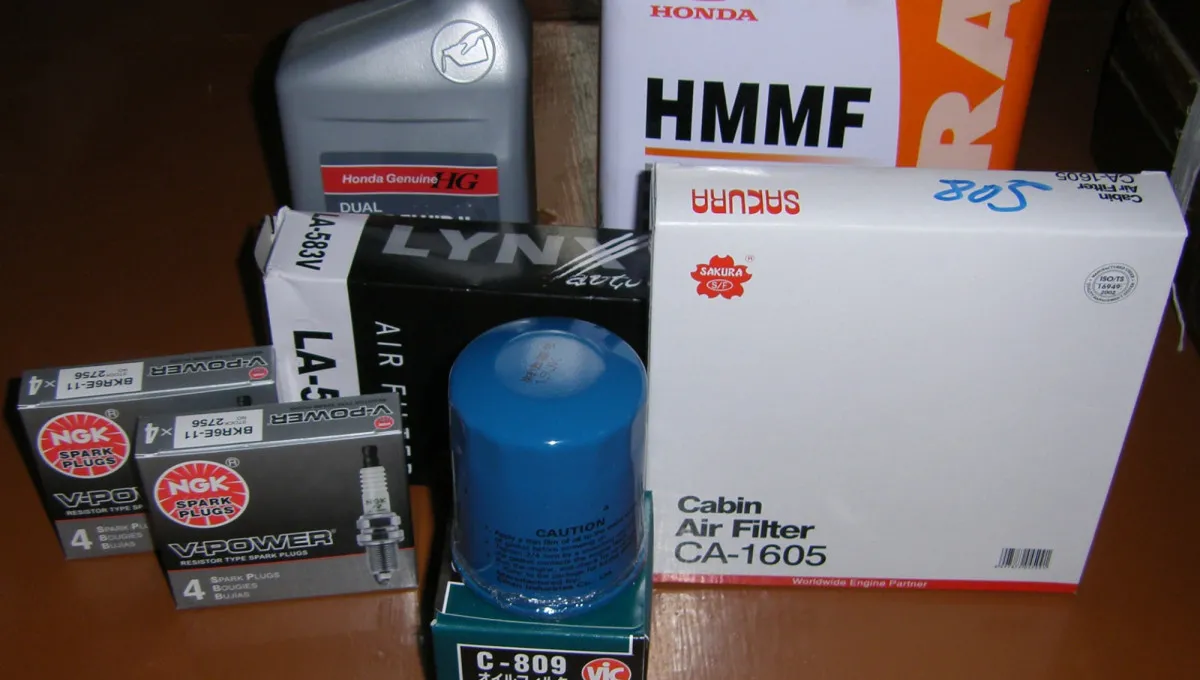
Changing Your Car’s Filters: How to Do Basic Maintenance Yourself Without Damaging the Engine
Changing the oil, engine air filter and cabin air filter yourself can save money, but small mistakes can cause expensive problems.
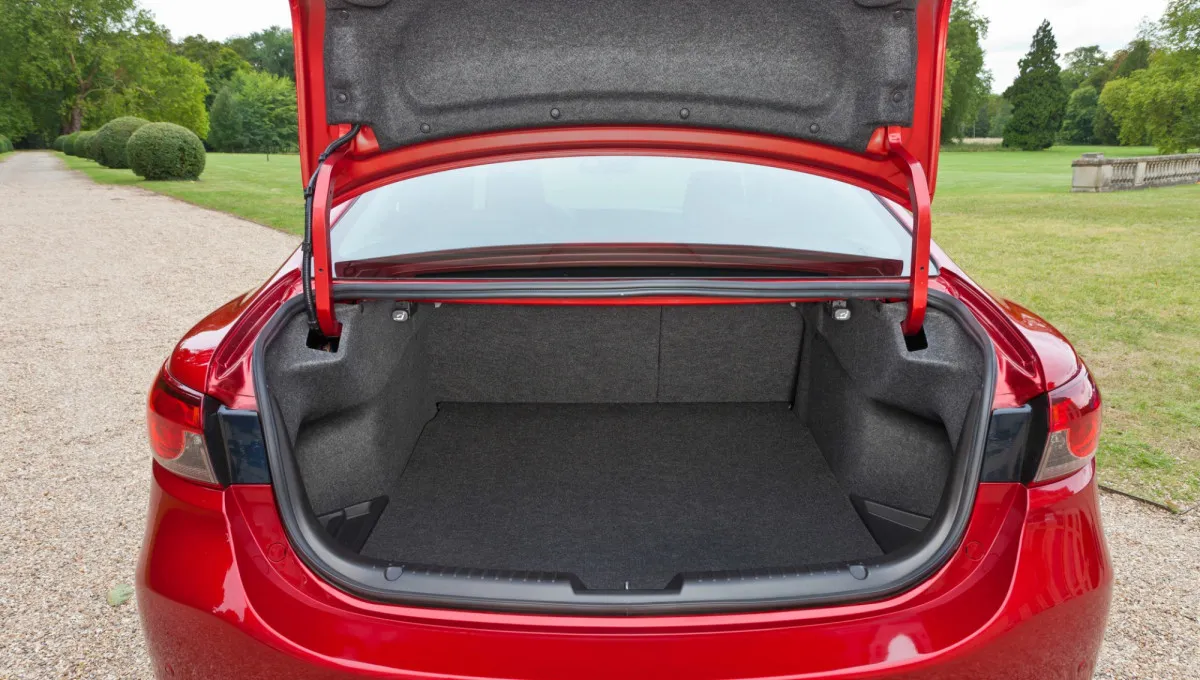
That Stuff in Your Trunk Is Costing You More Than You Think—Here’s What to Take Out
Carrying unnecessary cargo can quietly increase fuel use, accelerate wear and create an avoidable safety hazard for drivers and passengers.
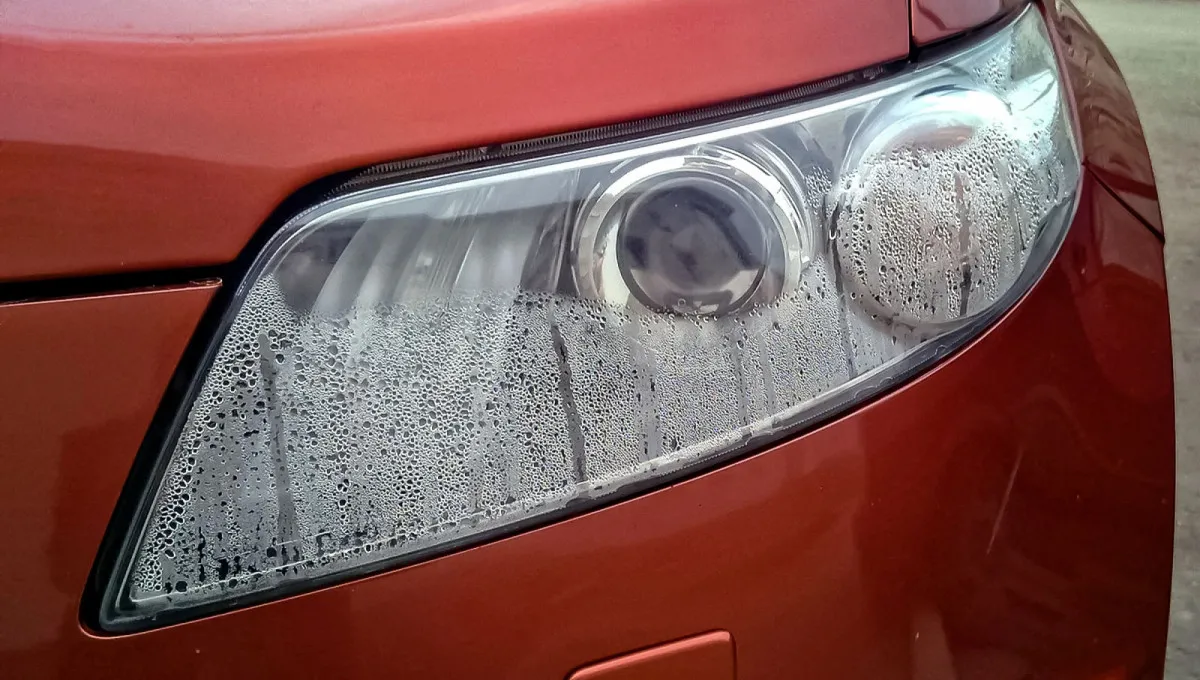
Your Headlights Are Fogging Up for a Reason: 4 Causes and 5 Steps to Fix Them
Foggy headlights are not always a sign of damage, but persistent condensation can point to a problem that needs attention.
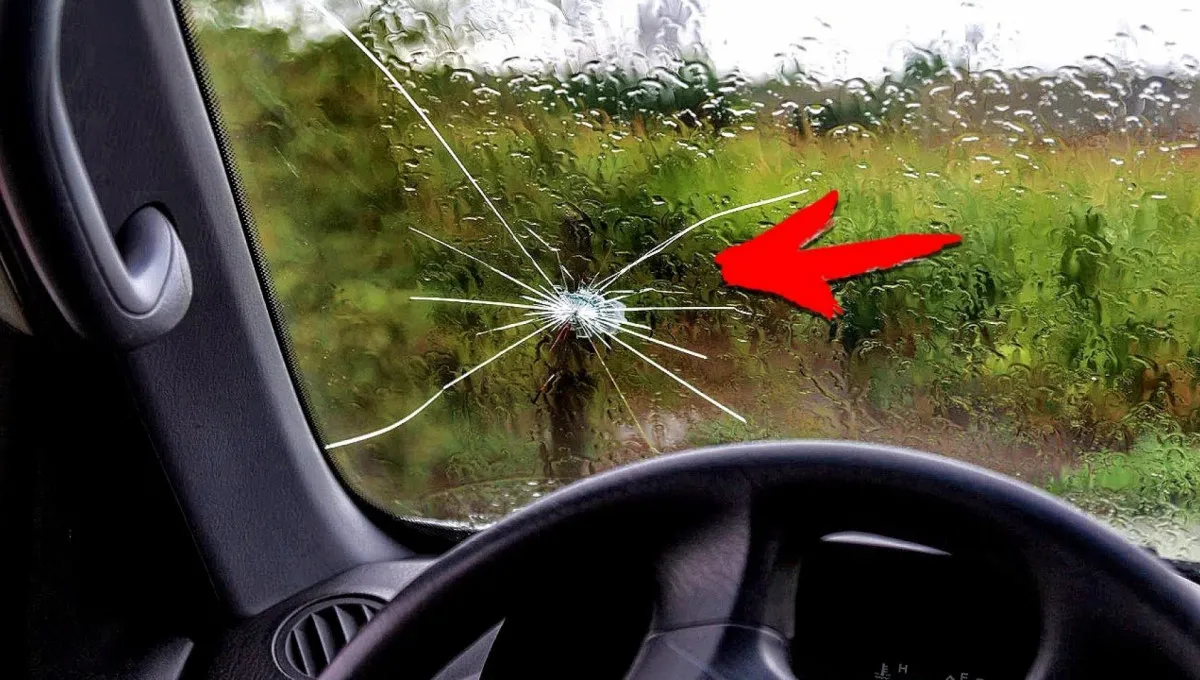
How to Protect Your Windshield From Flying Rocks: This Simple Trick Could Save You From Replacing It
Keep your distance, slow down and repair chips quickly to help prevent small windshield damage from becoming costly cracks.
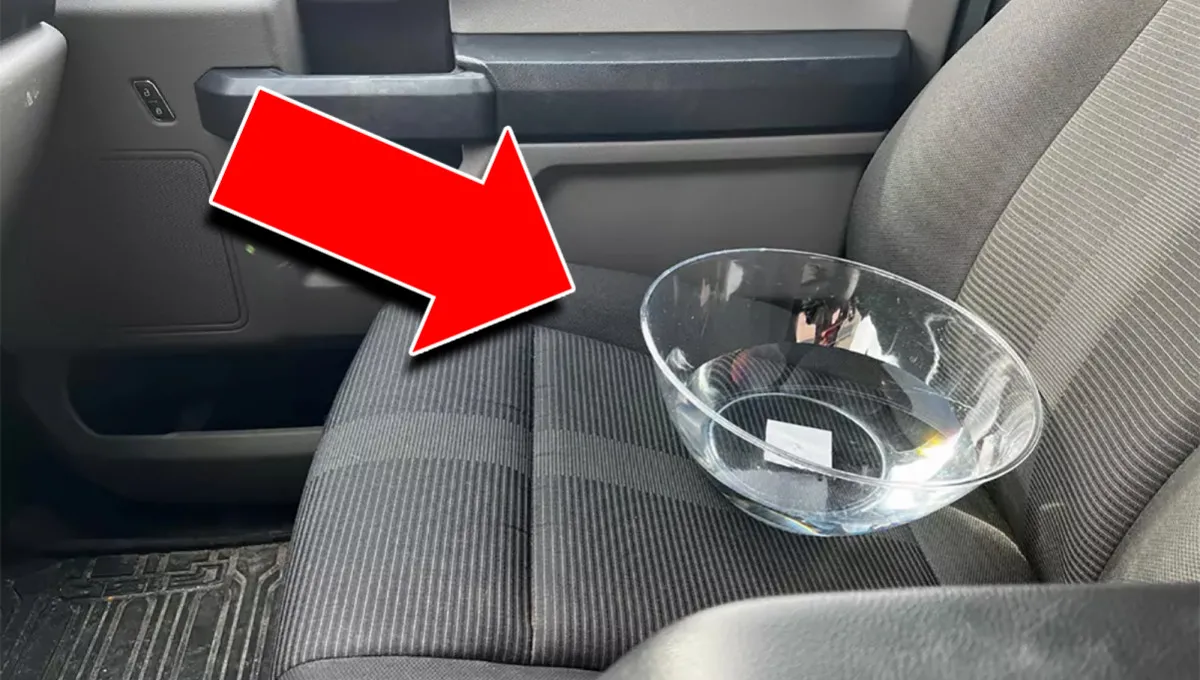
Why Are Drivers Putting a Bowl of Water in Their Cars? The Strange Fuel-Saving Trick Explained
Experts suggest several unconventional ways to cut fuel costs, from a bowl on the passenger seat to a lighter trunk.