
The safest car of 2025 is not a Volvo or a Mercedes. It's the Tesla Model 3
The Tesla Model 3 has been recognized as the safest car of 2025 in Europe.
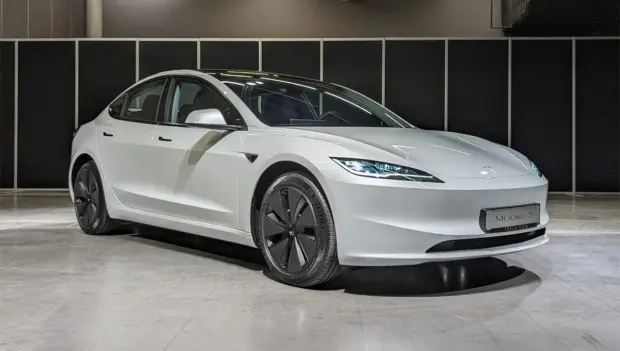
The Tesla Model 3 topped the Euro NCAP safety rating among new cars of 2025. The electric sedan scored 359 out of 400 points, leading among 20 tested models. For the protection of adult passengers, the Model 3 scored 90%, children — 93%, pedestrians — 89%, and for assisting systems — 87%.
Highly rated are the emergency braking system, speed control, the function of detecting a child inside the cabin, as well as protection during frontal and side collisions. Special attention was given to the hood with a lifting function to minimize pedestrian injuries and the ability to detect vulnerable road users during complex maneuvers.
Despite this, Euro NCAP warns against overestimating the capabilities of the Autopilot system. Even without using the full FSD package, which is not yet available in Europe, the Model 3 confidently maintains its lead in the category of safest cars of 2025.
You may also be interested in the news:
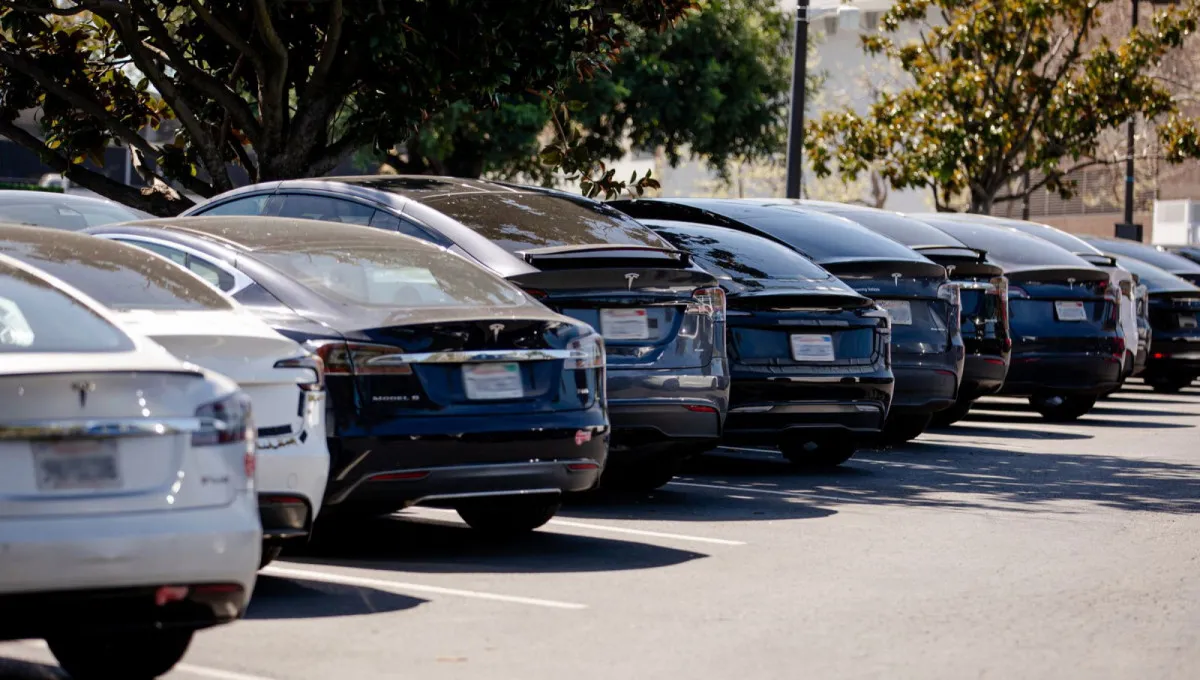
He Sold His House to Buy 20 Teslas—Then Sold 213 of Them in One Year
A car dealer admitted he briefly questioned his decision after betting his property money on a fleet of Teslas.

No Password Required: Hackers Remotely Took Control of Chinese EV Functions While the Vehicle Was Moving
An Australian investigation uncovered serious cybersecurity flaws that could expose connected Chinese vehicles to remote access.
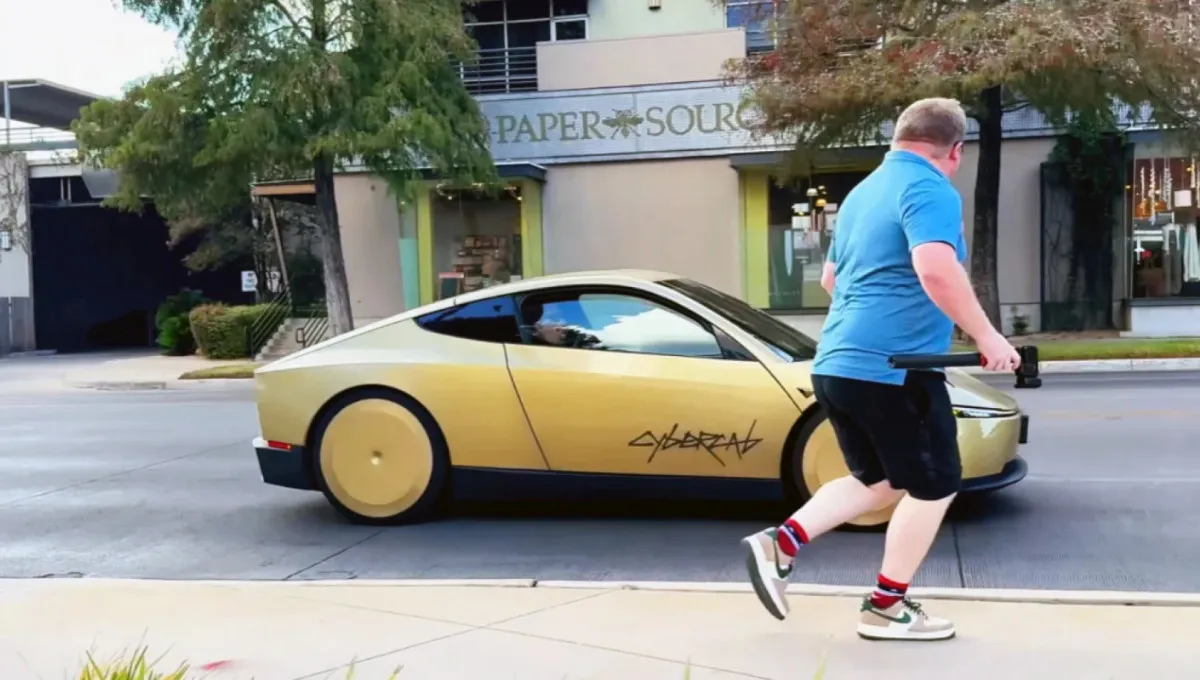
Washington Man Steps in Front of Tesla Cybercab to Test Its Self-Driving Response
Washington man stepped into a Cybercab’s path to test how quickly its autonomous system responded.
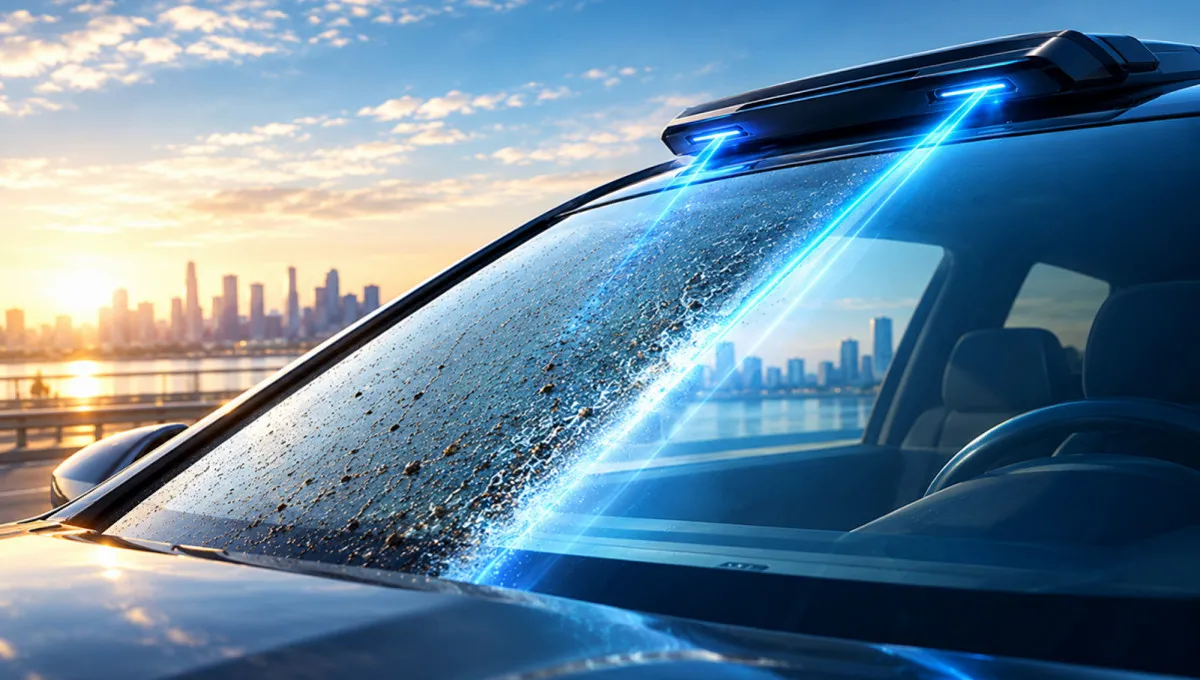
Tesla Patents Laser Windshield Wipers Again in 2026
Tesla is once again pursuing laser windshield cleaning, but the technology raises serious questions about cost, reliability and safety.
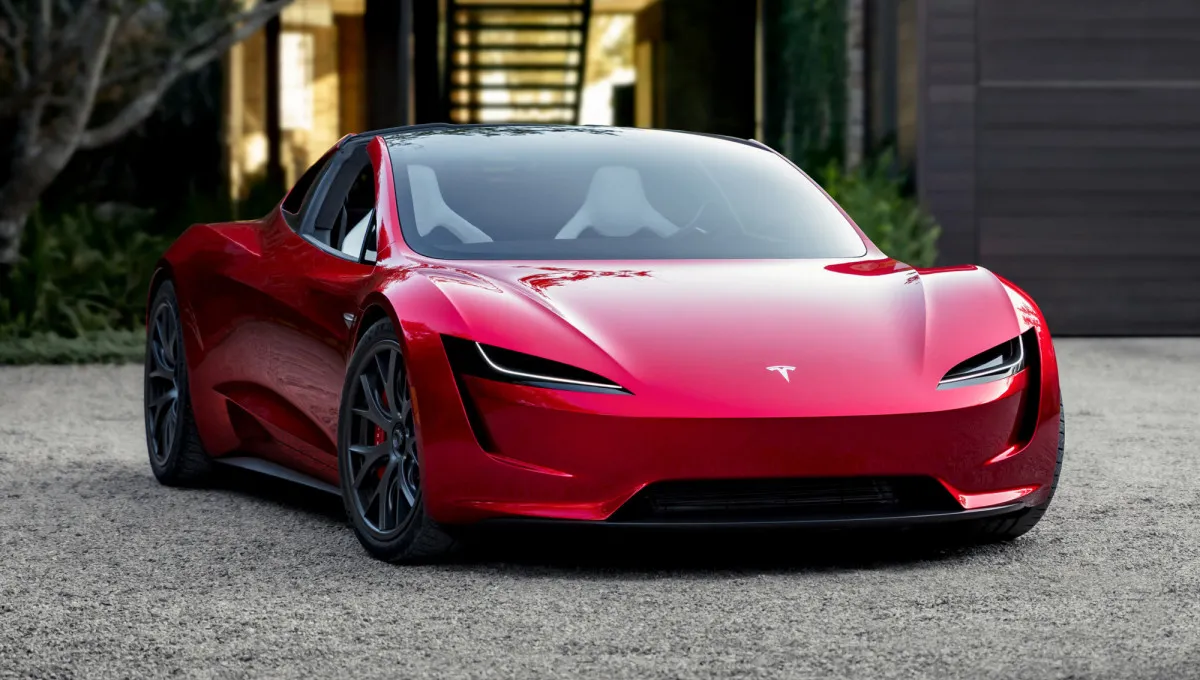
Tesla Will Unveil the Roadster on October 2. Teaser Hints at SpaceX Thrusters
Tesla has officially confirmed that the long-awaited second-generation 2026 Roadster will finally be unveiled on October 2.