
Stellantis Puts Its In-House Self-Driving System on Hold
Instead, Stellantis is betting on the aiMotive startup it acquired.
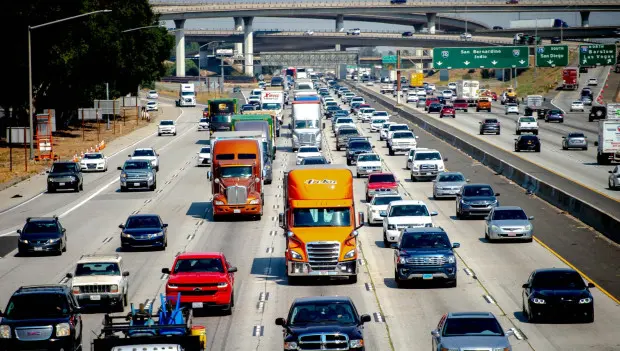
The shift in strategy highlights Stellantis’s struggles to deliver on its own high-tech ambitions.
The automaker has abandoned its initial project for a Level 3 driver-assistance system due to excessive costs, technological hurdles, and doubts about customer demand.
Back in February, Stellantis claimed its in-house AutoDrive system was ready for launch and would be a cornerstone of its future strategy. The technology was designed to let drivers, under certain conditions, take their hands off the wheel and stop monitoring the road—freeing them up to watch movies, read, or check emails. But the software never reached production. Stellantis has since confirmed the pause, stressing that while the system is functional and available, demand for it remains limited.
In practice, the program has been shelved indefinitely, with no launch expected. The company hasn’t disclosed how much time or money was invested in AutoDrive but emphasized that the groundwork will inform future versions of the technology.
Instead, Stellantis is focusing on aiMotive, the startup it acquired in 2022, which is developing the next generation of AutoDrive. It remains unclear whether that version will include Level 3 capabilities. The automaker has also walked away from its planned partnership with Amazon on the SmartCockpit infotainment system, switching instead to Android-based software.
Overall, Stellantis is leaning more heavily on outside suppliers while keeping its internal resources focused on features that directly differentiate its cars in the eyes of customers.
Analysts note that this approach reflects a broader industry trend: automakers must now decide which technologies to develop in-house and which to outsource to partners.
You may also be interested in the news:
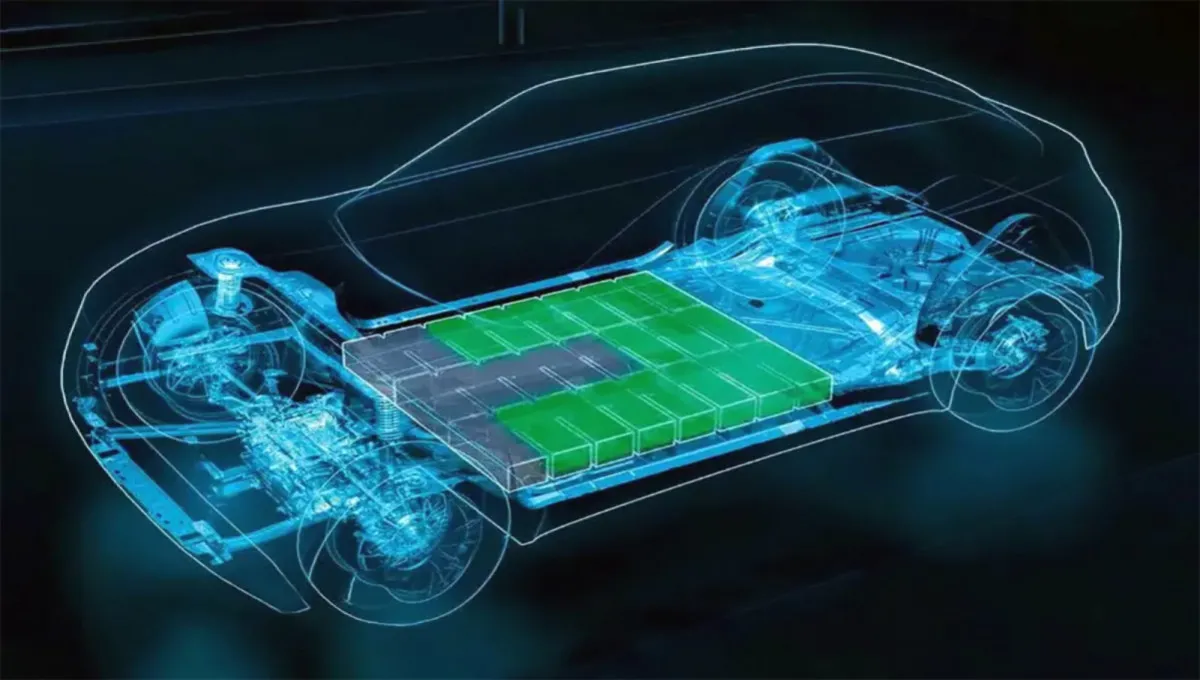
Stellantis Patents System That Lets an EV Drop Its Battery and Drive Away
A new patent details an emergency system that could let an EV disconnect its high-voltage battery and move away from danger.
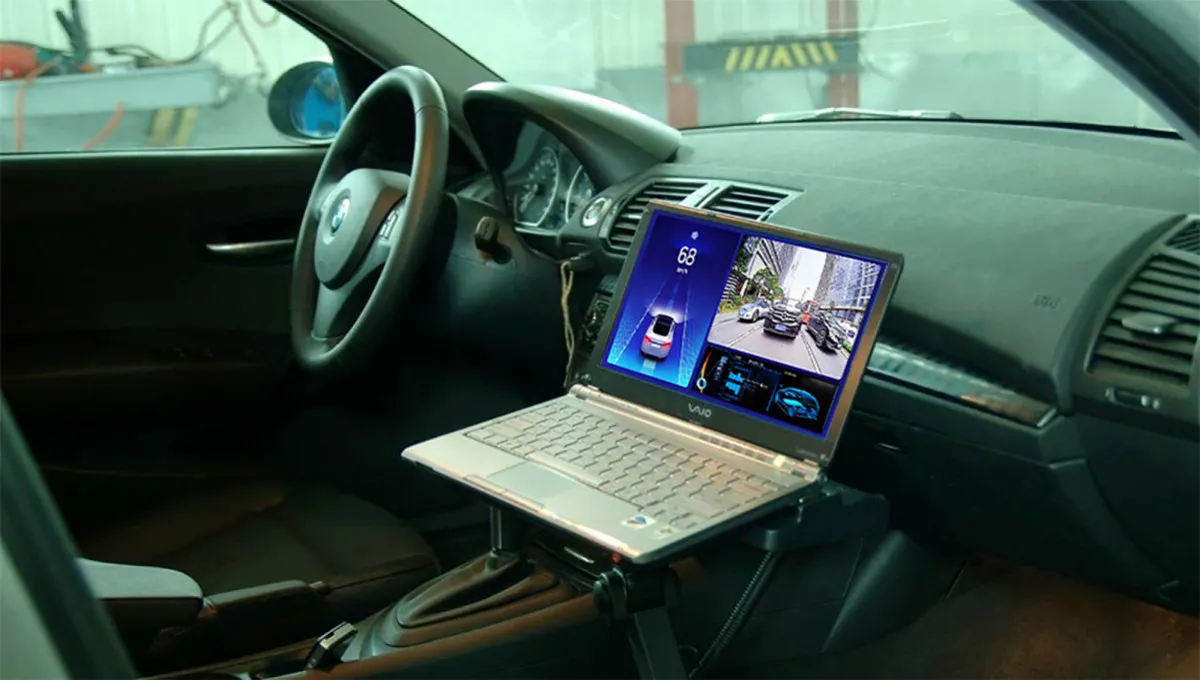
AI Took Over a Real Car. What Happened Next Was a Wake-Up Call
An American engineer handed several AI models control of a real car, and their driving performance fell short of expectations.
No Password Required: Hackers Remotely Took Control of Chinese EV Functions While the Vehicle Was Moving
An Australian investigation uncovered serious cybersecurity flaws that could expose connected Chinese vehicles to remote access.
Tesla Patents Laser Windshield Wipers Again in 2026
Tesla is once again pursuing laser windshield cleaning, but the technology raises serious questions about cost, reliability and safety.
Forget the Key Fob: Apple Car Key Could Soon Expand to More Vehicles
Apple and automakers have yet to reveal the exact models or launch dates for the expanded digital-key feature.