
Tesla Breaks Through: Japan’s EV Market Wavers Under American Pressure
Tesla’s sales in Japan surged 87% in 2025, nearly catching up with the Nissan Leaf.

For years, Japan’s electric vehicle market was considered one of the most predictable in the world. Nissan, with its iconic Leaf, comfortably held the top spot. But in 2025, everything changed. Tesla made a dramatic leap forward, nearly matching the sales of its main local rival. The result surprised many analysts, as Tesla’s position in Japan had previously seemed modest.
Sales Growth Defies Global Trends
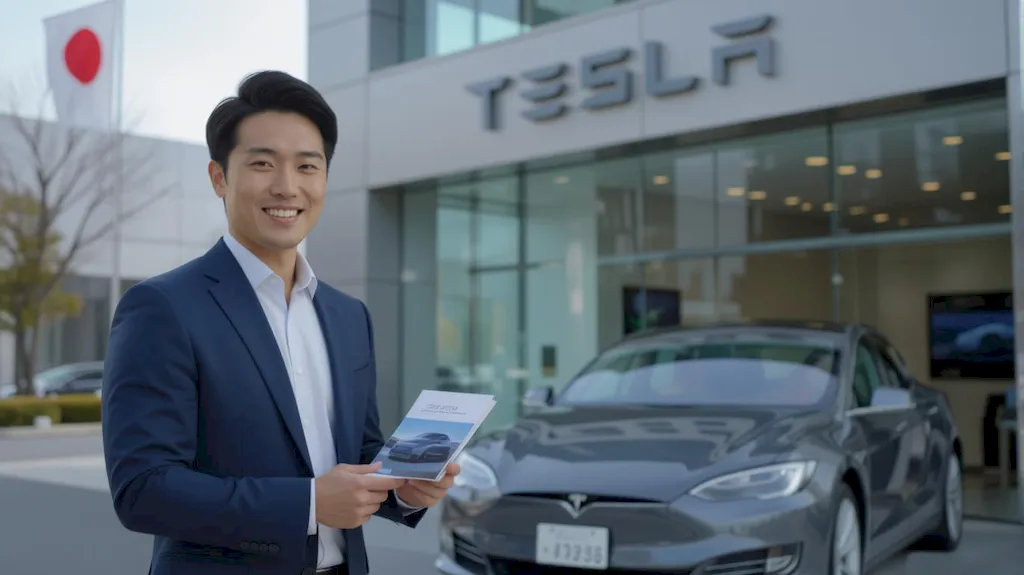
Unlike Europe, the U.S., and Australia—where Tesla demand declined for much of the year—Japan moved in the opposite direction. Not only did Tesla maintain its sales levels there, but it also saw substantial growth. From January through August, Japanese buyers purchased around 6,590 new Teslas—an 87% jump compared to the same period last year. That figure has already surpassed the previous record of 5,900 set in 2022.
August was particularly strong: the company sold 980 EVs in a single month, more than double last year’s result for the same period. This surge pushed Tesla into direct competition with Nissan for the first time.
Nissan’s Historic Lead Under Threat
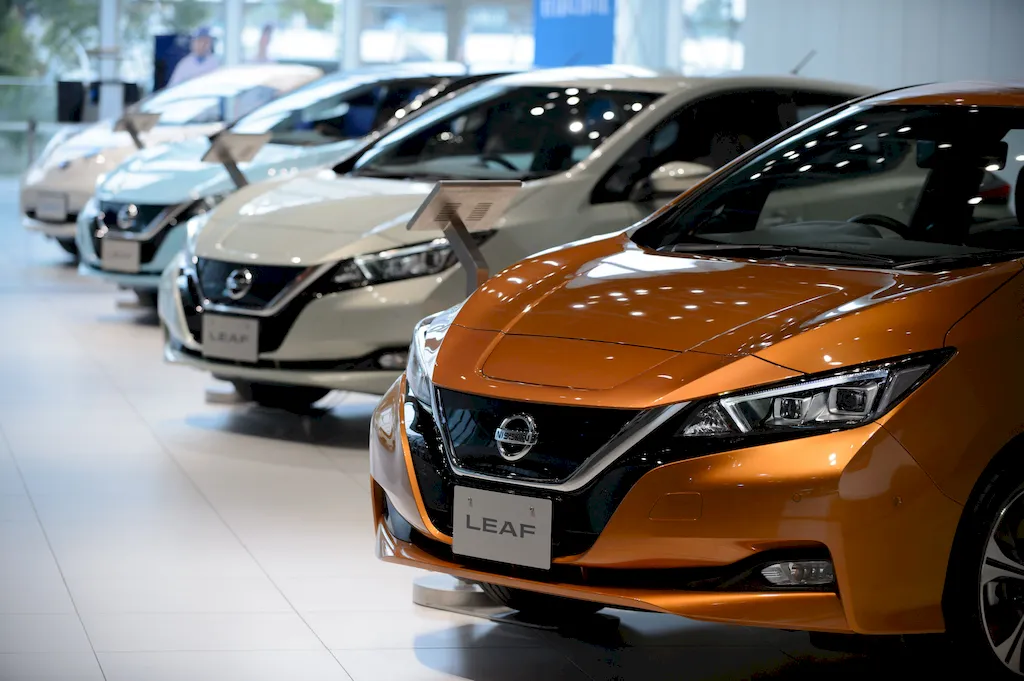
For nearly 15 years, Nissan has been Japan’s dominant EV manufacturer. The Leaf became a symbol of reliable, affordable green transportation. But now the gap has narrowed to just about 100 cars. If the trend continues, Tesla could claim the top spot in the very near future.
Several factors explain Tesla’s rising popularity. Most importantly, the company cut prices significantly. In May, the Model 3 dropped by roughly $3,000, bringing the starting price to about $26,000. With government subsidies further reducing costs, Japanese buyers now see Teslas as both competitive and attractive.
The brand’s modern technology and premium image, combined with the new pricing strategy, proved decisive in swaying local consumers.
Tesla has also focused on expanding its physical presence in Japan, increasing both visibility and accessibility. The company currently operates 25 dealerships but plans to double that number by 2026. New showrooms are slated for major cities, a critical move in a market where many customers prefer to see and experience a car in person before buying.
By pairing competitive pricing with a growing retail network, Tesla is positioning itself to challenge Nissan’s long-standing dominance in Japan’s EV market.
You may also be interested in the news:
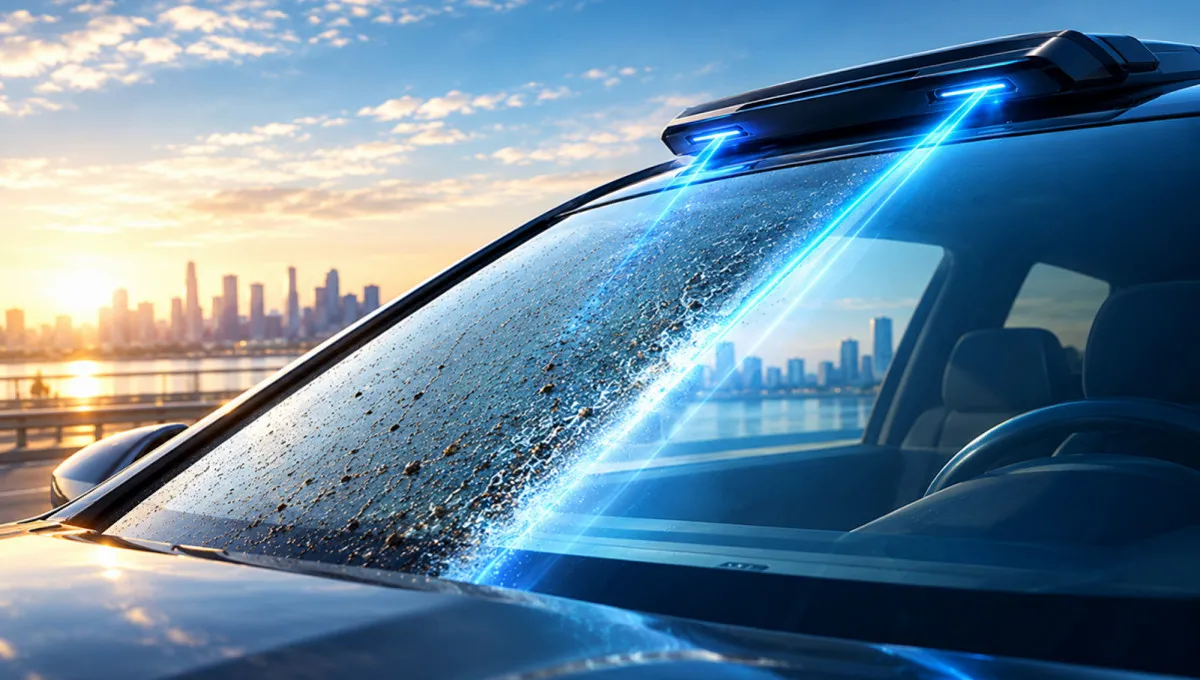
Tesla Patents Laser Windshield Wipers Again in 2026
Tesla is once again pursuing laser windshield cleaning, but the technology raises serious questions about cost, reliability and safety.
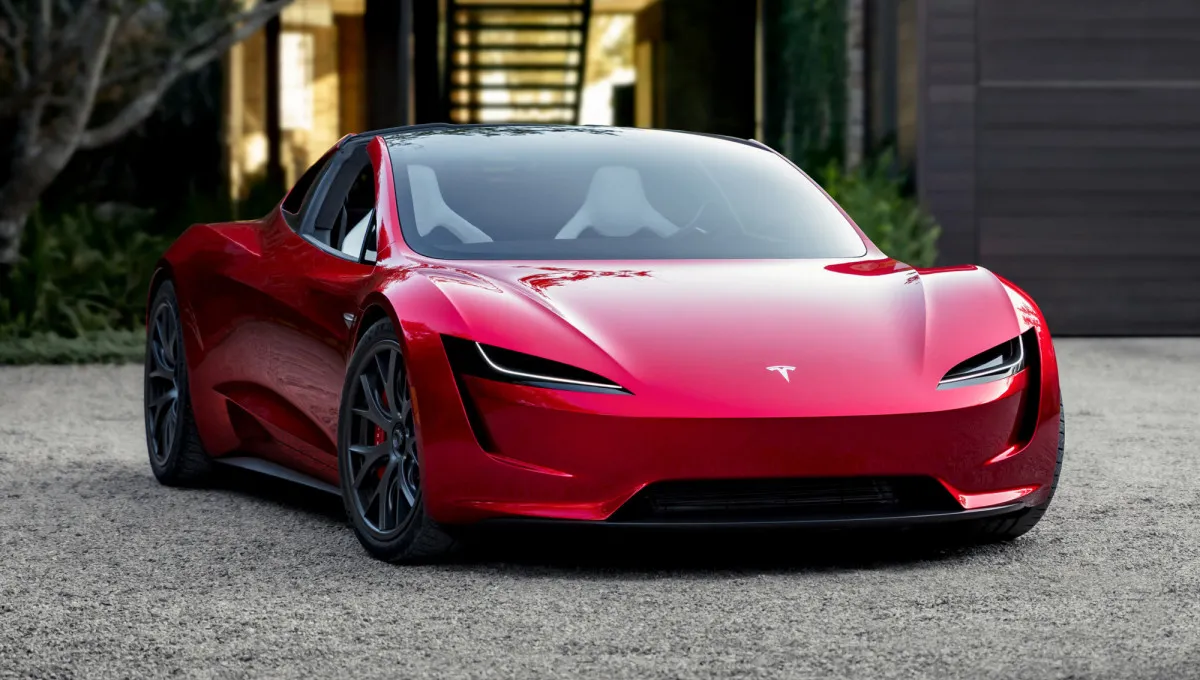
Tesla Will Unveil the Roadster on October 2. Teaser Hints at SpaceX Thrusters
Tesla has officially confirmed that the long-awaited second-generation 2026 Roadster will finally be unveiled on October 2.
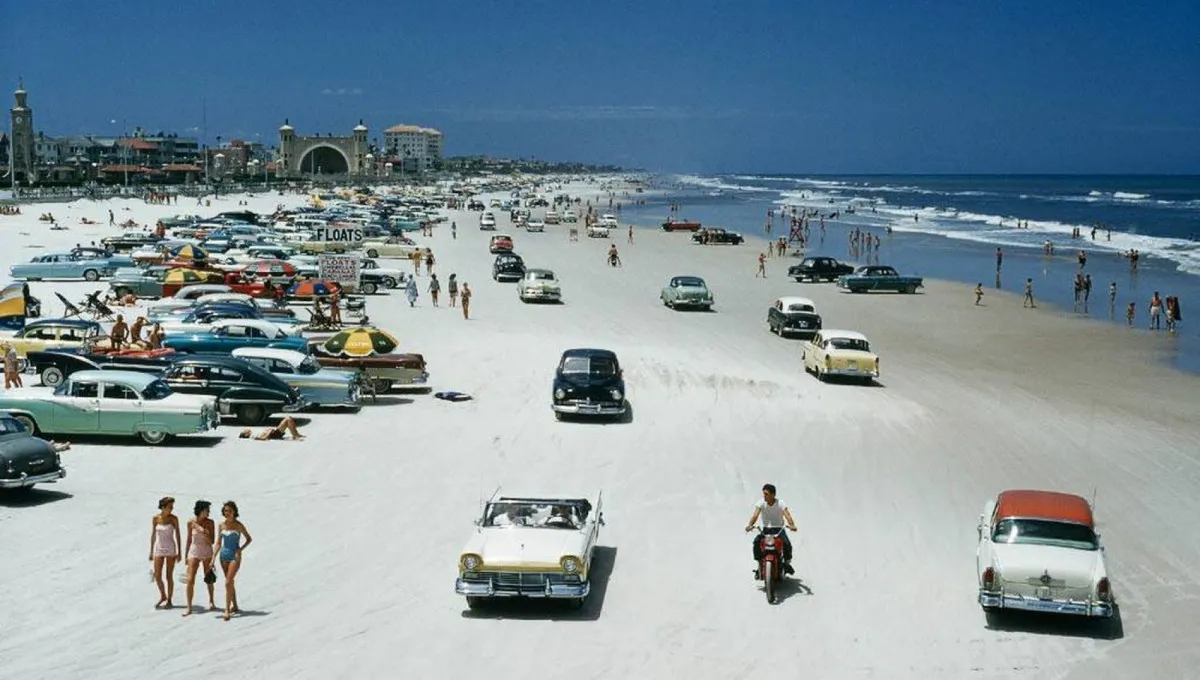
How Much Did American Cars Cost in the 1950s, and Who Could Afford Them?
American cars of the 1950s were large, powerful, and heavily chromed, but how much did they actually cost, and who could afford them?
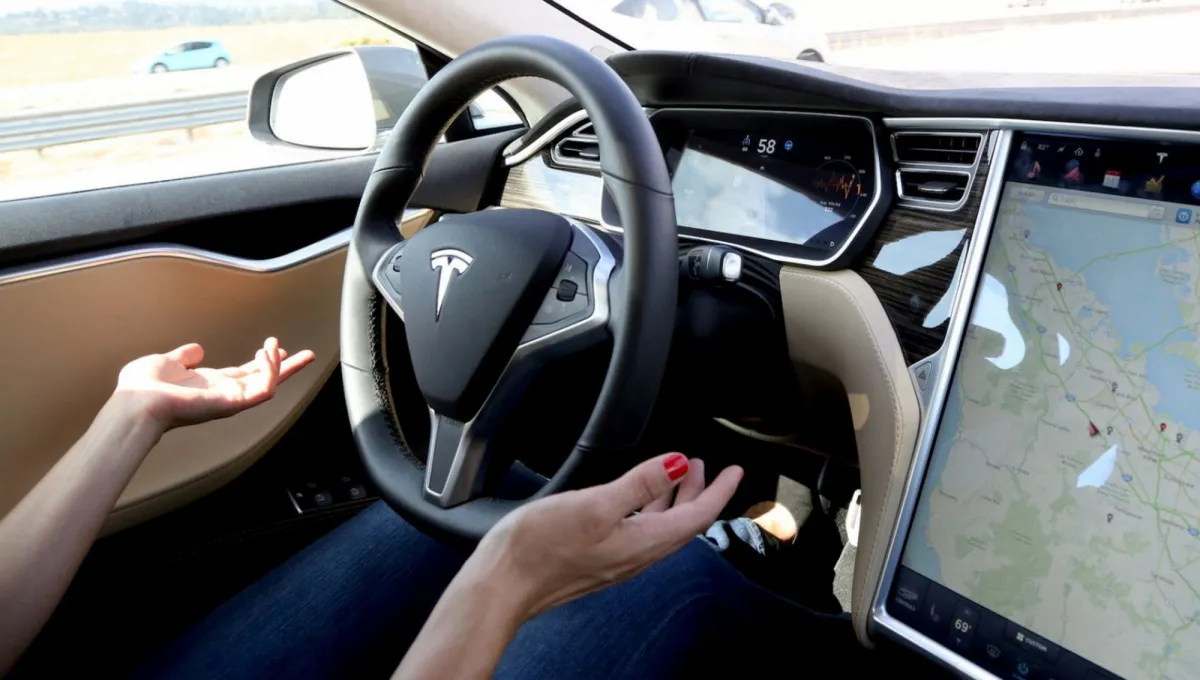
She Thought Her Tesla Was Acting Strange. ‘I’m in Your Car’: Man Used a Tesla App to Harass His Ex
A man remotely controlled his ex-partner’s Tesla, changed its settings, and restricted how fast she could drive.
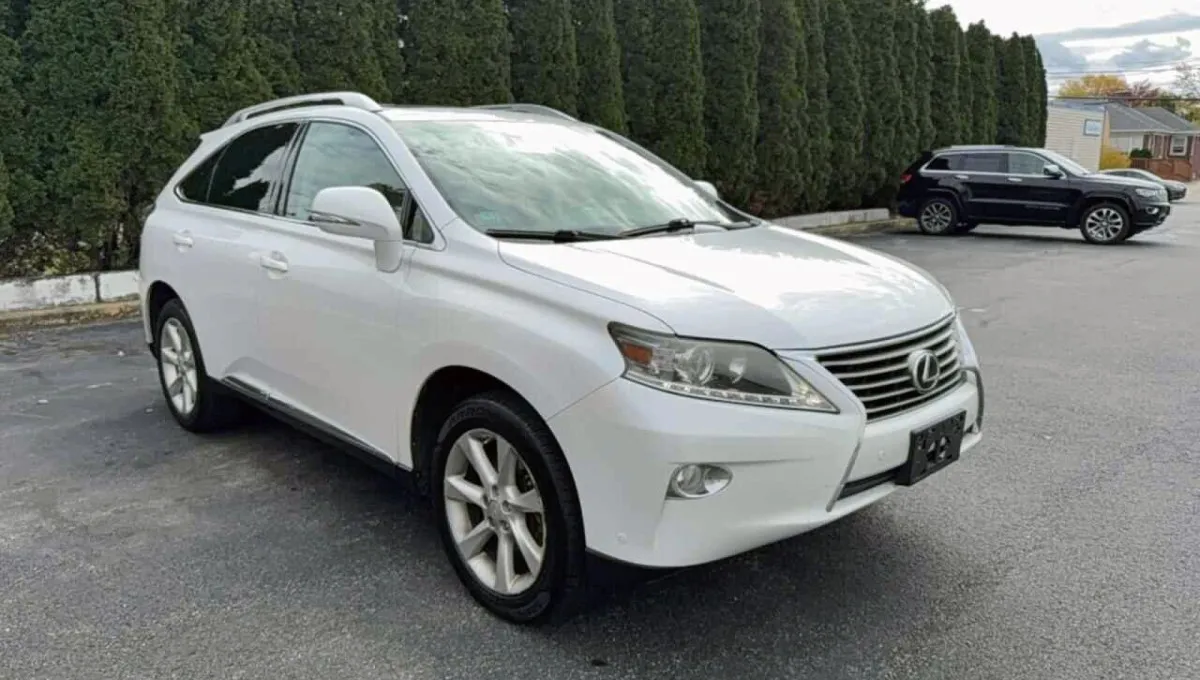
How to Choose a Used Lexus Without Buying Someone Else’s Problems
A used Lexus can offer comfort, upscale features and distinctive styling without the cost of buying a brand-new luxury car.