
How to Unlock the Steering Wheel in a Push-Button Start-Stop Car When the Battery Is Low
If your car’s battery is dead and the steering wheel is locked, stay calm — most solutions are safe, don’t require special tools, and work for most vehicles.
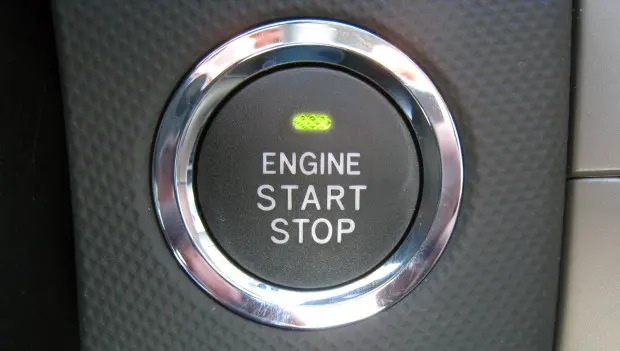
When the steering wheel locks after a dead battery in a push-button start car, the reason is usually the same — the mechanical or electronic steering column lock has engaged because the onboard power supply is inactive. The simplest first step is to relieve tension on the wheel: gently turn it in the direction where there’s slight movement while pressing the start button, or press the brake pedal and try to start the system. This combination of releasing mechanical pressure and sending a signal from the key fob often disengages the lock.
If your vehicle has keyless entry (push-button start), try using a different fob or place it directly against the start button — in many cars, there’s an antenna or a slot near the button that allows the fob to be recognized even if its battery is low. This lets the electronics identify the key and power up the steering lock circuits. In some models, a hidden mechanical key is stored inside the fob — you can use it to unlock the door and access the interior.
If these steps don’t work, the most reliable solution is to restore 12-volt power. Connecting a jump starter or another car’s battery, or using a portable jump pack, will power the steering lock control module and allow you to unlock the wheel normally. It’s important to follow all safety precautions and the exact connection sequence described in your owner’s manual to avoid damaging the vehicle’s electronics.
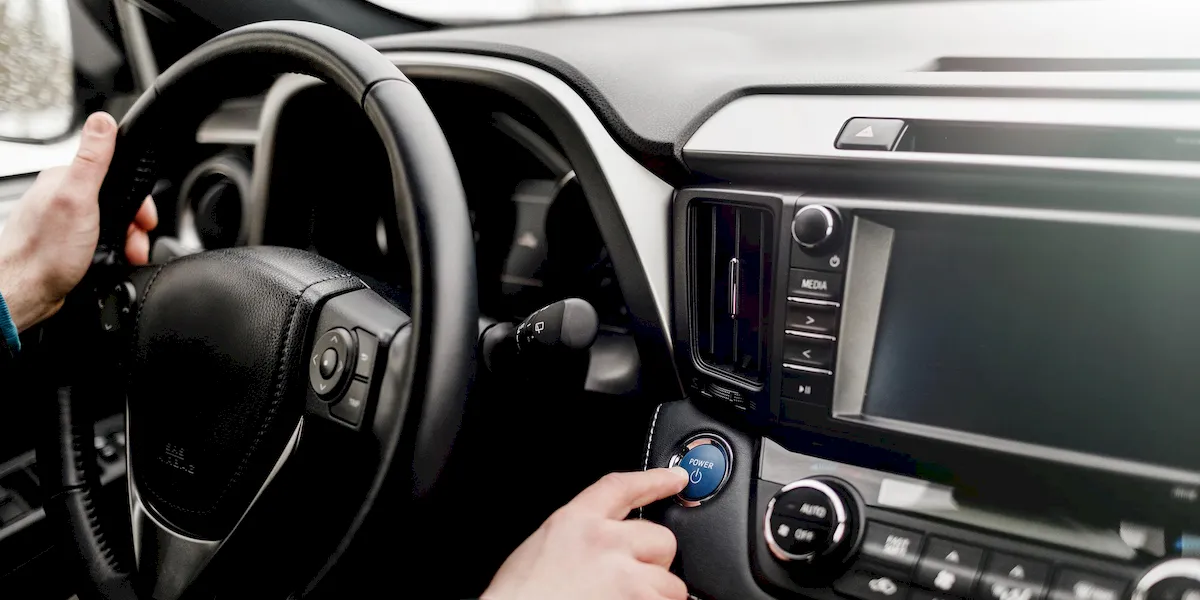
Never try to force the wheel, remove steering column covers, or use excessive strength on the lock — such actions can cause costly damage to the ignition system, immobilizer modules, or trigger the car’s security system. If, after restoring power, you see a “steering lock” or similar warning, the issue may be software-related. In that case, a dealership or professional repair shop with diagnostic tools can reset the error and unlock the steering properly.
If the battery is completely dead and jump-starting isn’t possible, the safest and most legitimate option is to call a tow truck or a mobile service specializing in emergency unlocking and jump-starts. DIY mechanical tampering with the steering column or ignition can lead to expensive repairs and safety risks. Most service guides and mechanics recommend a simple approach: relieve steering pressure, try a spare key fob, restore battery power, and only then contact professionals if needed.
A quick mental checklist for drivers: gently move the wheel and try starting with the button or fob, use a backup fob or mechanical key, restore battery power — and only then call for help. These steps align with best practices shared by automotive experts and repair services, minimizing the risk of damage during steering lock release.
If you’d like, I can prepare a short checklist for your specific vehicle model — including the exact location of the fob slot, jump-start sequence, and possible diagnostic codes — just provide your car’s make, model, and year.
You may also be interested in the news:
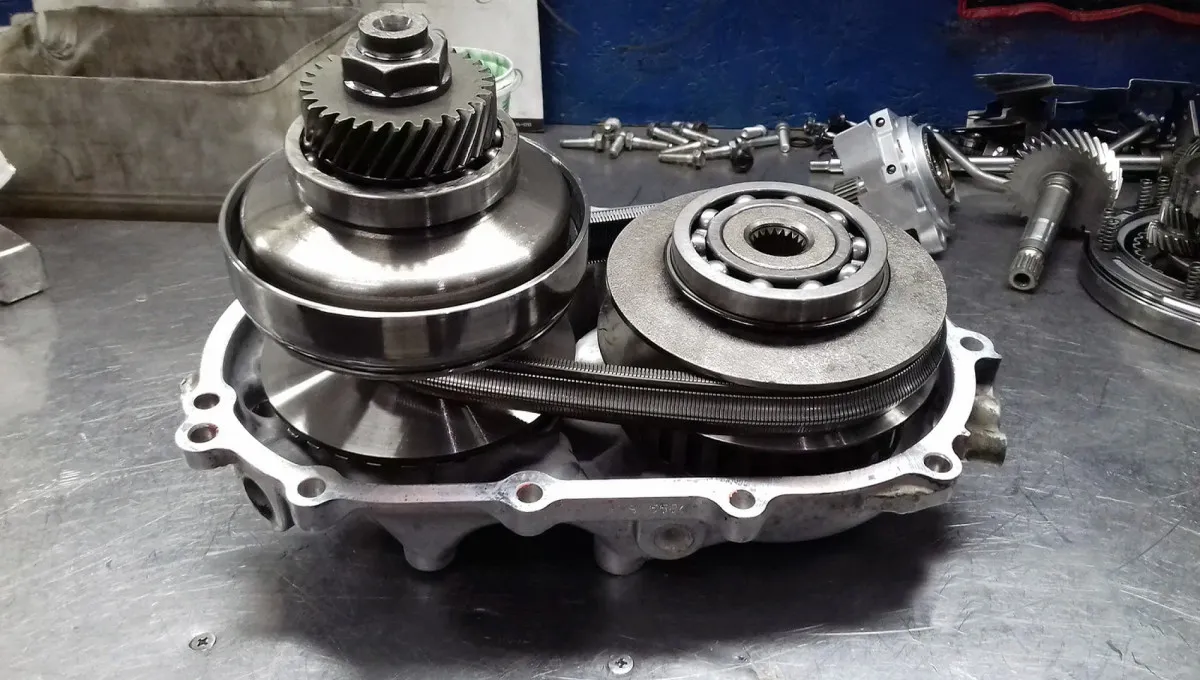
Why Experienced Drivers Still Warn Against Buying a Used Car With a CVT
CVTs offer smooth acceleration and good fuel economy, but expensive repairs and durability concerns make used models risky.
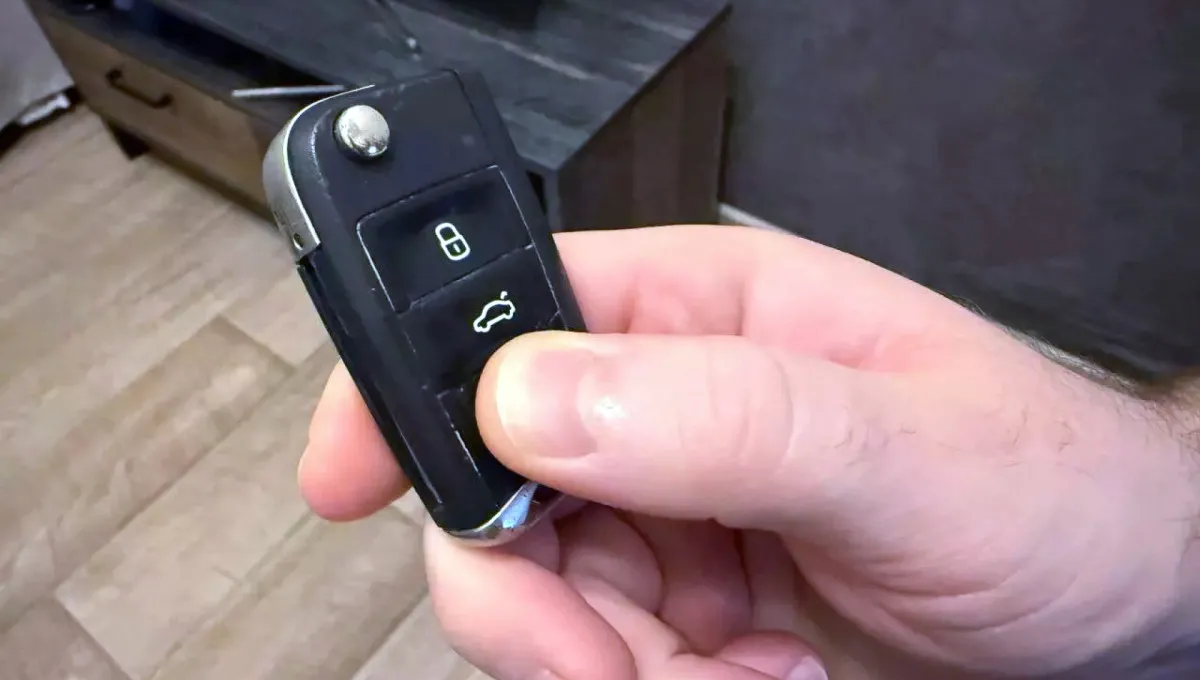
Hidden Key Fob Trick: Open All Your Car Windows With One Button
An auto mechanic explains how drivers can remotely open and close car windows using a key fob, provided the vehicle has the right hardware.
8 Car Maintenance Mistakes That Could Cost You Thousands if You Wait Too Long
Depending on driving conditions, some maintenance tasks may need to be performed sooner and more often than the automaker recommends.

How Long Will Your Car Last? A Guide to Making It Age Gracefully
Automotive experts explain how routine maintenance and timely replacement of aging components can help your car last longer.

Common Car Problems on the Road and How to Handle Them Yourself
A breakdown far from home can leave any driver stranded. Here’s how to assess the problem and decide what to do next.