
Old-School Hack: Rubbing Glass with Potatoes for a Water-Repellent Finish
Few know that centuries-old methods can work as well—or even better—than modern products, without costing a dime, being toxic, or harming your car.
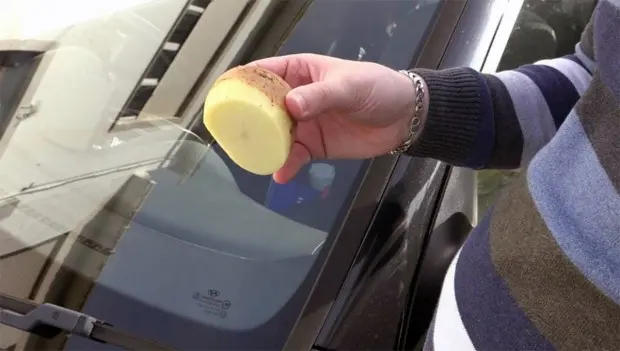
Car owners often rely on pricey sprays, liquids, and rain-repellent treatments for spotless, clear glass. Yet, a surprisingly effective method requires nothing more than a simple potato. By rubbing the cut side of a potato on your car windows, you create an invisible protective layer that repels water, reduces fogging, and helps keep glass clean in any weather. The process is easy, inexpensive, and doesn’t need special tools. For those who value safety, visibility, and eco-friendly solutions, understanding this method can keep windows in top shape without extra cost or effort.
How It Works
Long before modern cleaners, people discovered that rubbing potato on glass improved clarity, reduced fog, and made dirt easier to remove. The potato’s natural starches and sugars form a thin protective film that smooths micro-roughness and repels water. Organic acids in the potato gently break down grime without damaging glass or seals. The starch layer also reduces static, so dust settles more slowly. Safe, non-toxic, and environmentally friendly, this method has been recommended by drivers for over a century. Similar techniques have been used across Europe, showing the universal effectiveness of this natural approach.
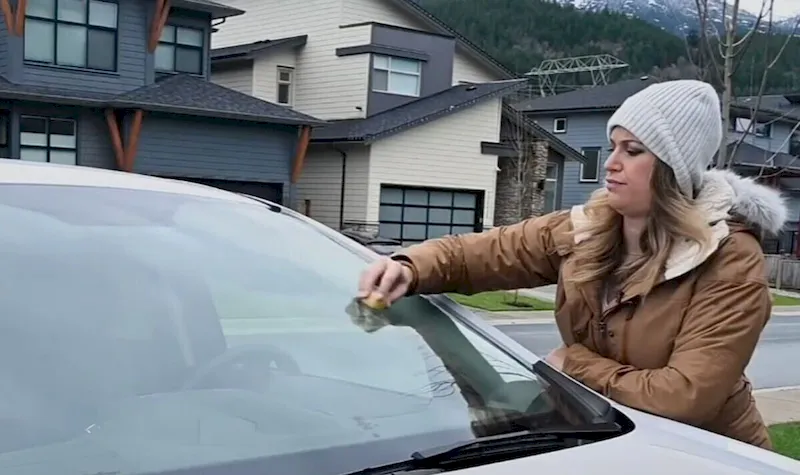
Practical Steps for Your Car
- Clean the glass thoroughly, removing dust, sand, and debris.
- Use a fresh, firm potato, cut in half.
- Rub the cut side evenly across the glass, including edges and corners.
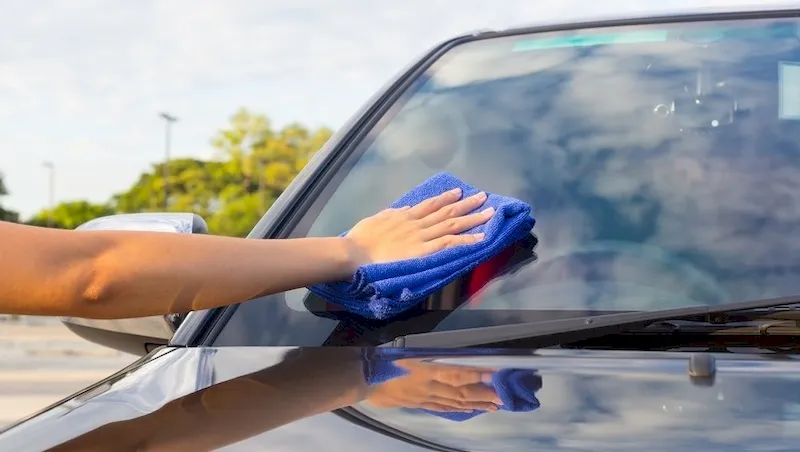
- Wait a few minutes for the protective layer to form, then polish with a soft cloth.
Water will bead into large drops and roll off easily. Fogging is reduced, wipers last longer, and visibility improves. This works on windshields, side windows, mirrors, and headlights. The effect can last several weeks, though frequent washing or harsh chemicals may reduce it. Avoid applying on hot or frozen glass to prevent microcracks. This method also works for home mirrors, bathroom glass, and windows.
Benefits
- Safety: Beads of water roll off quickly, improving visibility in rain.
- Economy: One potato costs pennies compared to commercial treatments.
- Eco-Friendly: No harmful chemicals, safe for pets and the environment.
- Durability: Reduces dust buildup and extends wiper life.
Precautions
- Use fresh, firm potatoes free from green or rotten spots.
- Use a soft cloth; abrasive materials may scratch glass.
- Avoid hot sun or freezing temperatures during application.
- Ensure the glass is clean and free of sand or road salt.
- Reapply as needed depending on weather and usage.
When used correctly, the potato method is safe, effective, and sustainable, keeping glass clear, water-repellent, and fog-free. This simple, natural hack remains a practical alternative to expensive chemical products, saving money and improving driving comfort in all conditions.
You may also be interested in the news:
Hidden Key Fob Trick: Open All Your Car Windows With One Button
An auto mechanic explains how drivers can remotely open and close car windows using a key fob, provided the vehicle has the right hardware.

8 Car Maintenance Mistakes That Could Cost You Thousands if You Wait Too Long
Depending on driving conditions, some maintenance tasks may need to be performed sooner and more often than the automaker recommends.

How Long Will Your Car Last? A Guide to Making It Age Gracefully
Automotive experts explain how routine maintenance and timely replacement of aging components can help your car last longer.

Common Car Problems on the Road and How to Handle Them Yourself
A breakdown far from home can leave any driver stranded. Here’s how to assess the problem and decide what to do next.
Experienced Drivers Share Their Best Car Hacks: Better Visibility, a Cleaner Backup Camera, and Battery Care
Simple DIY fixes can improve visibility, protect your car’s finish, and make routine repairs easier without expensive tools or parts.