
The end of taxi drivers: the first Lucid electric cars are turning Uber into a robot army
Lucid delivers first Gravity EV for Uber’s Robotaxi project.
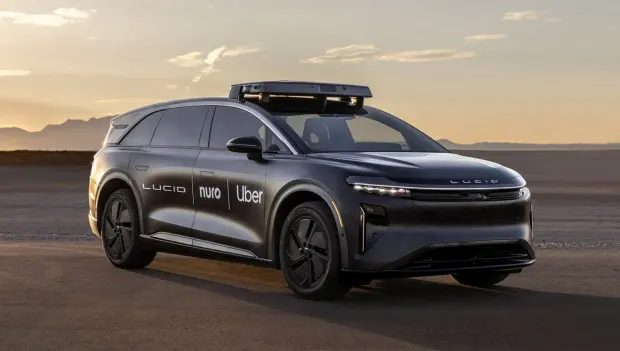
Lucid Motors has delivered its first Gravity electric vehicle to Nuro for a joint project with Uber to launch a fleet of autonomous robotaxis. Under the agreement, up to 20,000 Level 4 self-driving vehicles are expected to roll out over the next six years.
The initial phase is underway in Las Vegas, where engineers are testing sensor installations, software integration, and connectivity with Uber’s platform. These trials include assessing the vehicles’ responses to road conditions and various weather scenarios.
Uber has invested $300 million to support the project. Lucid views the partnership as a strategic move to expand beyond individual consumer sales. Company leadership says production challenges have been resolved, and the focus remains on bringing new electric models to market.
Key hurdles for the alliance include obtaining certifications, developing charging infrastructure, and meeting safety regulations. If successful, the robotaxi fleet could reshape the transportation market and become one of the standout projects of 2025.
Recently, the Lucid Gravity was showcased at the IAA Mobility 2025 auto show in Munich. The large electric SUV is now available for order in Europe, starting at $120,000.
You may also be interested in the news:
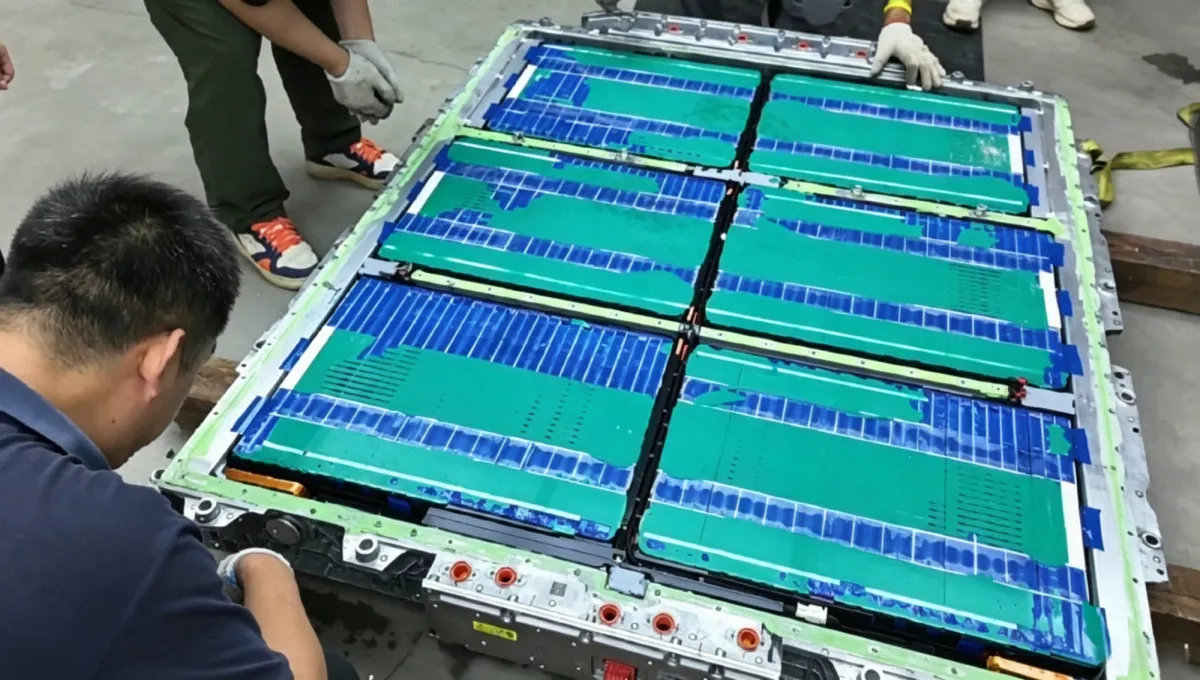
BYD Patents a Battery That Is Cooled by Literally Submerging It in Liquid
A new BYD patent describes a battery architecture that uses dielectric fluid to cool battery modules while keeping electrical components dry.
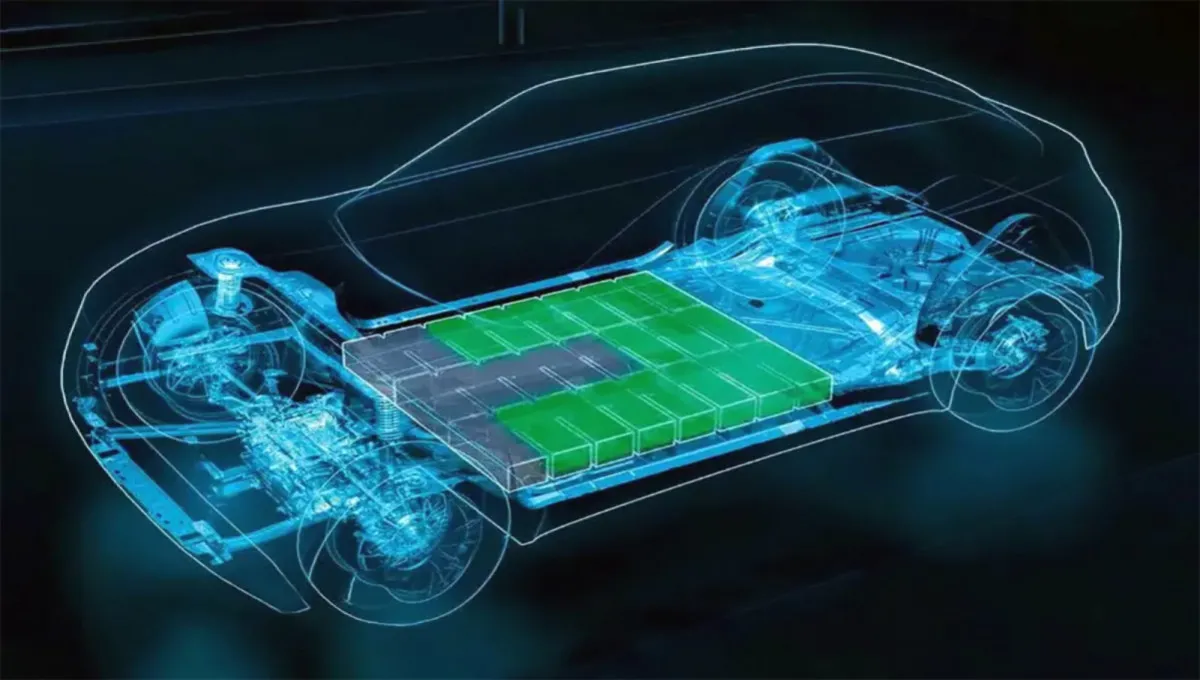
Stellantis Patents System That Lets an EV Drop Its Battery and Drive Away
A new patent details an emergency system that could let an EV disconnect its high-voltage battery and move away from danger.
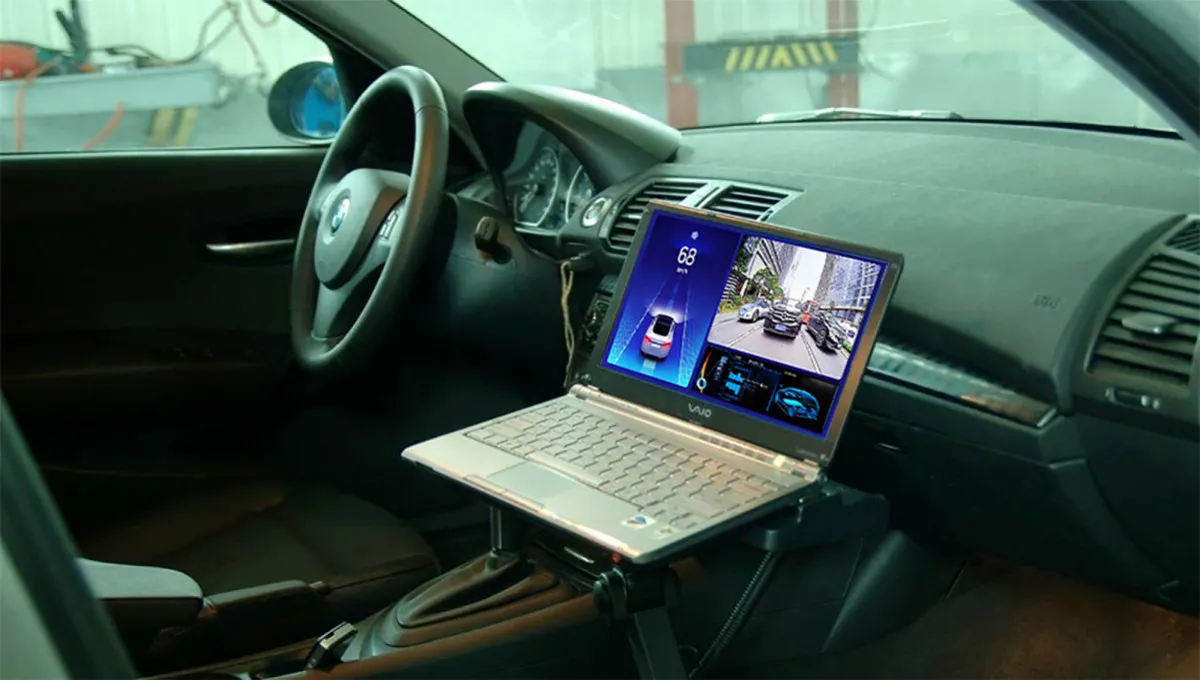
AI Took Over a Real Car. What Happened Next Was a Wake-Up Call
An American engineer handed several AI models control of a real car, and their driving performance fell short of expectations.
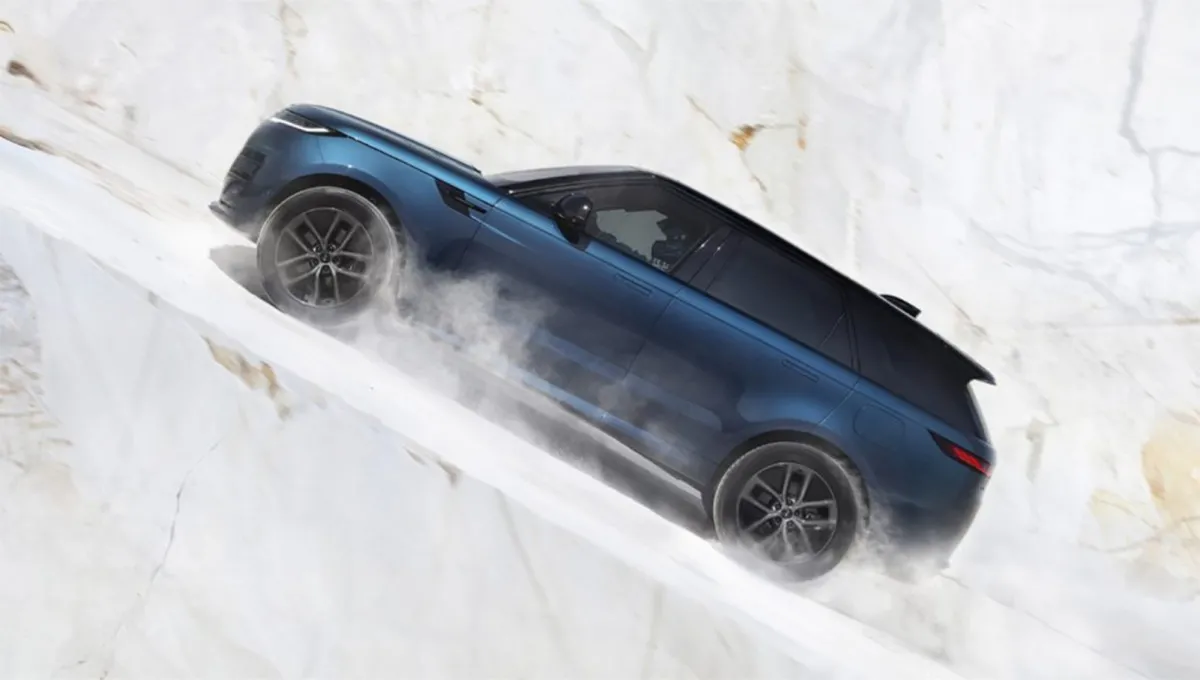
The New Range Rover Sport Electric Is Here: Two Motors, 550 HP and Virtual AWD
The new electric SUV combines two motors, serious off-road capability and the premium comfort expected from Range Rover.
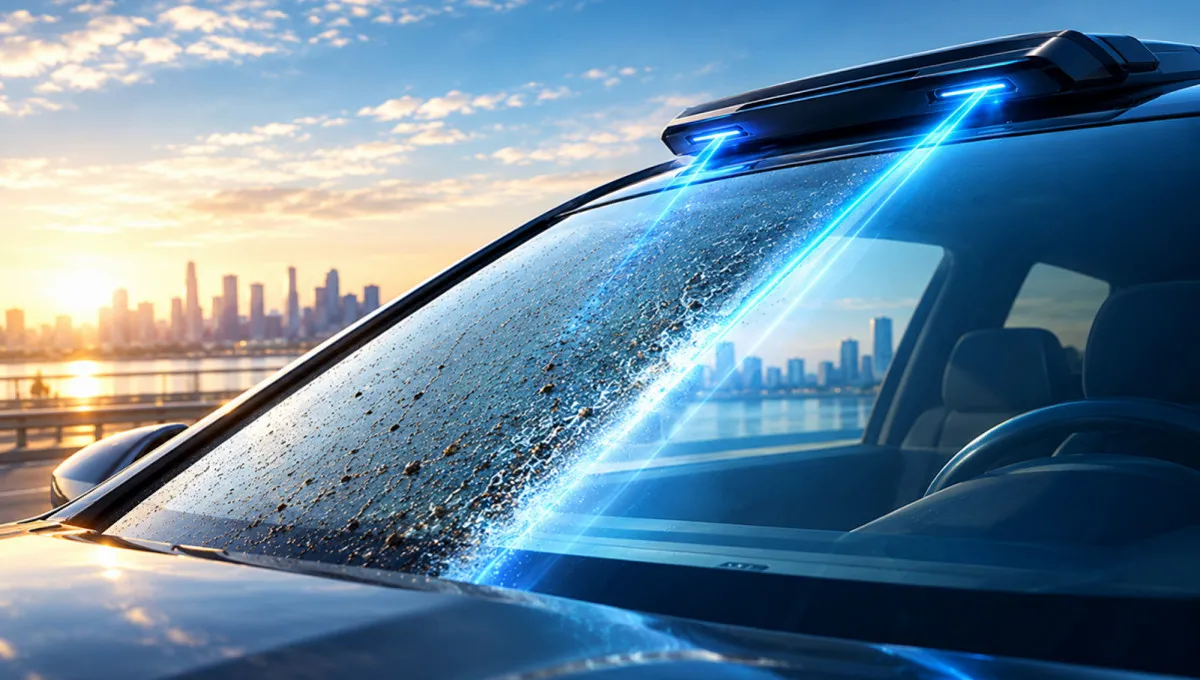
Tesla Patents Laser Windshield Wipers Again in 2026
Tesla is once again pursuing laser windshield cleaning, but the technology raises serious questions about cost, reliability and safety.