
Aging Not Required: Cars That Hit 155,000 Miles and Are Just Getting Started
Many drivers believe a car with 90,000–125,000 miles on the clock is destined to become a headache.

Many drivers are convinced that once a car passes 90,000–125,000 miles, it turns into a money pit. Timing chains, turbos, transmissions, and even the bodywork start demanding constant cash and patience. But there are exceptions to this rule. Some models comfortably clear 155,000 miles and beyond while still feeling strong. Here are a few worth noting.
Toyota Camry XV40/XV50 — the benchmark for longevity
The Camry has long been a symbol of reliability. The XV40 and XV50 generations easily survive 155,000 miles and can often go the same distance again. The naturally aspirated 2.4L and 2.5L engines are legendary for their durability. Even when oil consumption increases at higher mileage, they keep running without issue. The Aisin 5- and 6-speed automatics are models of longevity — as long as you change the fluid every 40,000–50,000 miles. Rust is rare, and while the interior may creak a little with age, it holds up for decades.
Honda CR-V (3rd and 4th gen) — bland looks, bulletproof nature
Produced from 2007 to 2016, these crossovers have proven they can “eat up” the miles. The K-series naturally aspirated 2.0L and 2.4L engines with timing chains run without fuss. The simple 5-speed automatic often outlasts the car itself if serviced regularly. Even the CVT introduced in the facelift doesn’t cause major trouble. The suspension shrugs off rough backroads without demanding fresh parts every 20,000 miles. And the body and paint finish have proven much tougher than on older Japanese cars.
Volvo XC70 and XC60 (pre-2016) — Scandinavian dependability
Built on the same platform, these Swedish models differ mainly in body style. The best engines are the naturally aspirated 3.2L and the D5 diesel — both capable of 250,000–300,000 miles without a major rebuild. The Aisin TF-80SC automatic is considered bulletproof. The XC70’s suspension shines with its resilience, keeping the car composed even on pothole-ridden roads. Yes, maintenance costs more than on Japanese rivals, but there’s very little that actually breaks.
Mercedes-Benz E-Class W212 — premium built the old-school way
Produced until 2015, the W212 was the last E-Class engineered with longevity as a top priority. Its naturally aspirated and diesel engines, traditional suspension (without air ride), and proven 5G-Tronic and 7G-Tronic transmissions ensure reliability. These cars can pass 155,000 miles without requiring major investment. The interior, electronics, and corrosion-protected body age gracefully as well.
Mitsubishi L200 and Pajero Sport — body-on-frame workhorses
These rugged SUVs were built for tough jobs. The 2.5L DI-D diesel is simple, durable, and tolerant of lower-quality fuel. The 5-speed Aisin automatic handles towing and off-road duty with ease. The key point is checking the frame for rust. If the truck hasn’t been abused, it can cover hundreds of thousands of miles without issue.
Lexus RX 350 (pre-2015) — comfort without surprises
The third-generation RX blends Toyota’s reliability with premium comfort. Its 3.5L naturally aspirated V6 (2GR-FE) with a timing chain can run for decades. The 6-speed Aisin automatic is nearly unbreakable. Suspension, steering, and body durability are all outstanding. The electronics can be a bit finicky, but there are no major faults. Even with 155,000 miles on the odometer, an RX often feels fresher than many brand-new crossovers.
You may also be interested in the news:
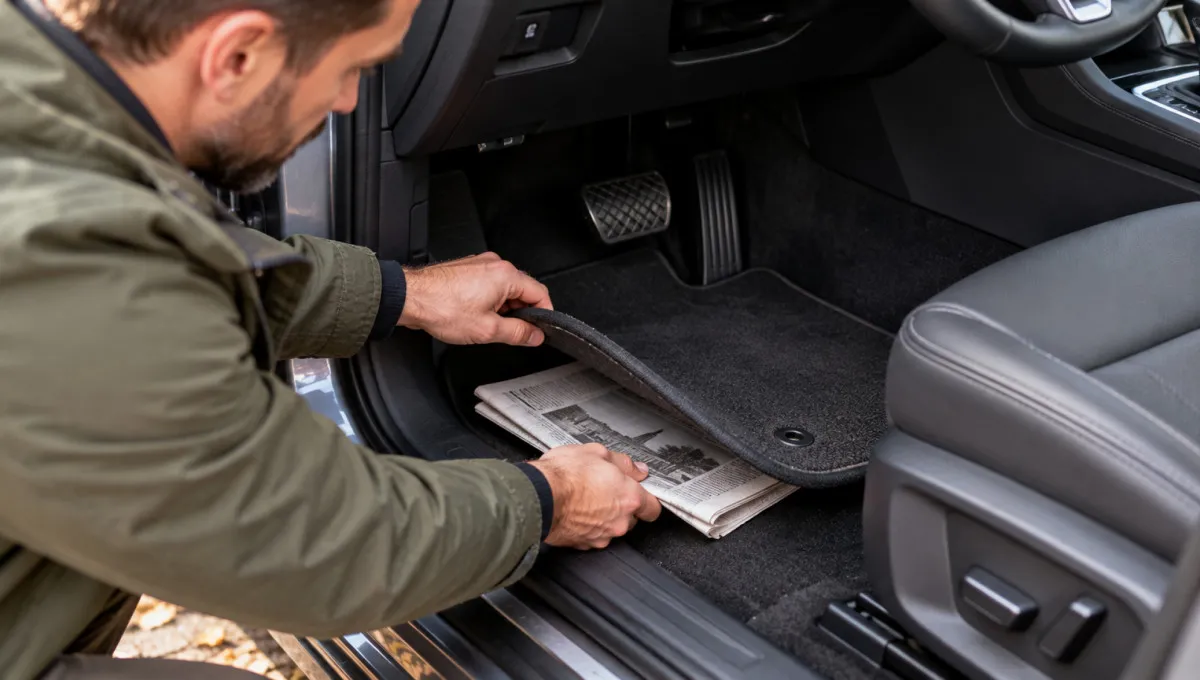
When the First Freeze Hits, Put Newspaper Under Your Floor Mat: An Old Winter Driving Trick
Newspaper under a floor mat can help protect a car's floor from winter moisture, but it requires regular attention.
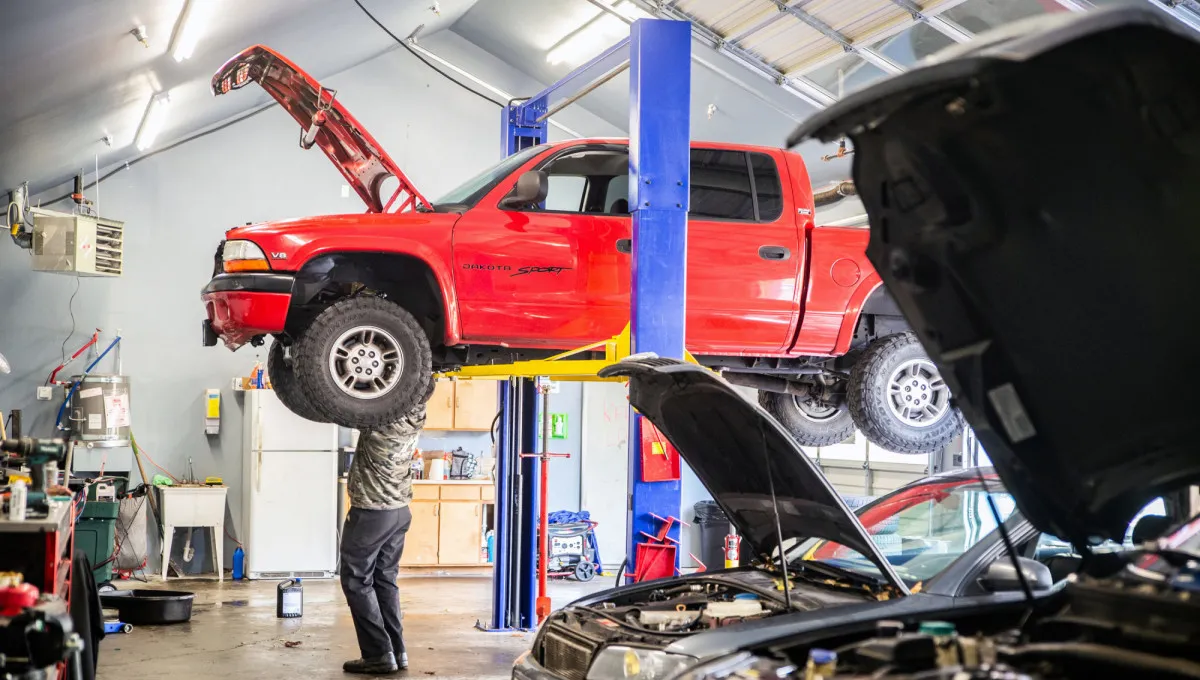
How a Repair Shop Can Overcharge You: What Every Driver Should Know
An experienced mechanic knows how to increase a repair bill, and drivers should know what to watch for before approving work.
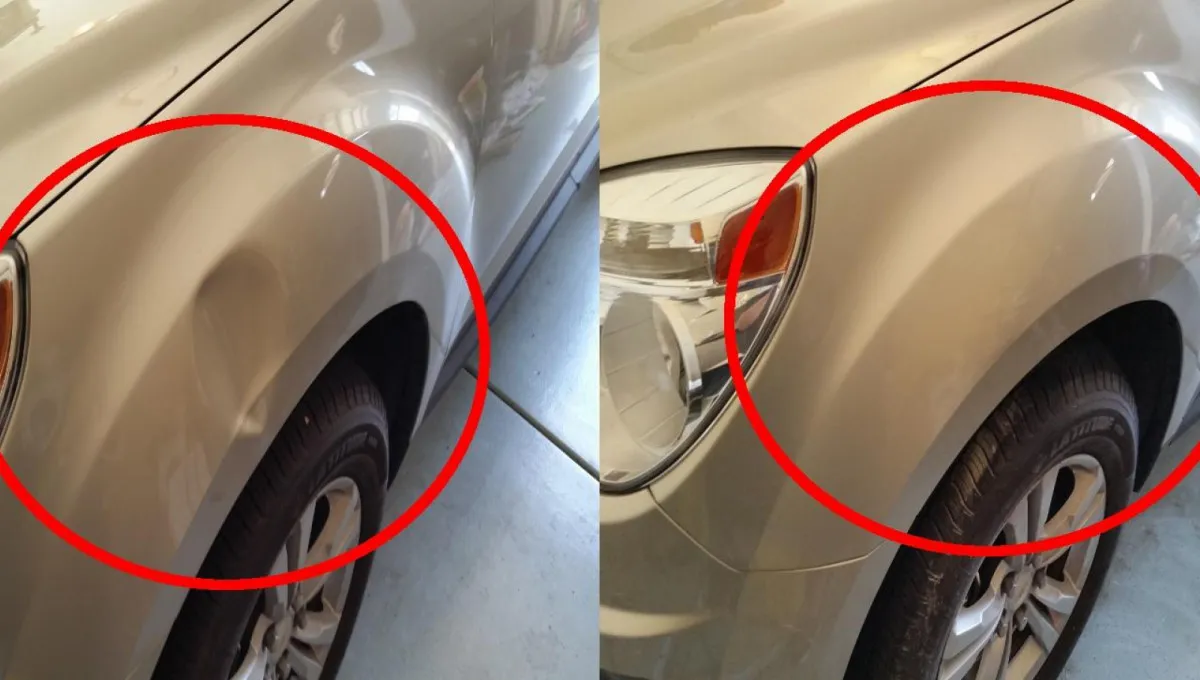
The Dent Can Disappear Without a Trace: How to Repair Car Body Damage Without Paint
Paintless dent repair can restore a damaged panel to its original shape, but only when certain conditions are met.
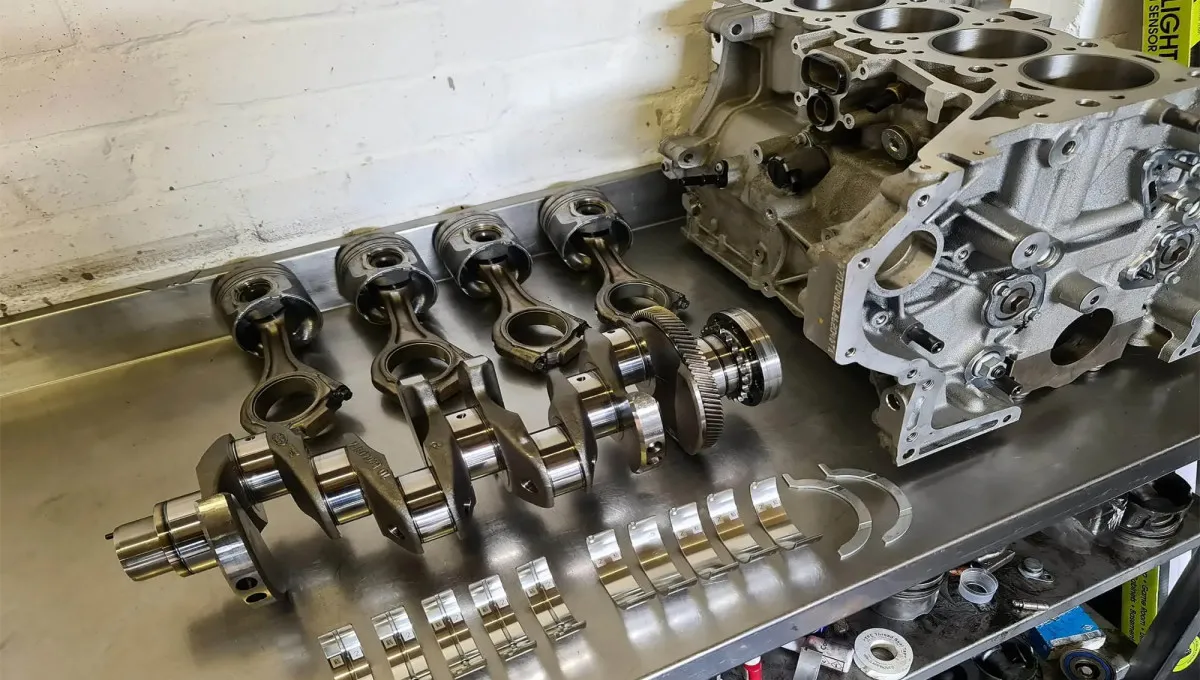
Not Ford, BMW or Audi: Mechanic Names the Car Brand That Almost Never Breaks Down
Auto repair professionals reveal which models rarely suffer major failures and which ones repeatedly end up on the lift.

What Does a Flashing Red Traffic Light Mean? Can You Keep Driving?
Drivers must come to a complete stop at the stop line before deciding whether it is safe to proceed.