
Many Americans Don’t Bother Doing This: When You Should Replace Your Spark Plugs — Expert Advice
Let’s be honest — many drivers never replace their spark plugs, driving well past 120,000 miles. But every once in a while, it’s worth cracking open your owner’s manual to see what your car actually needs.
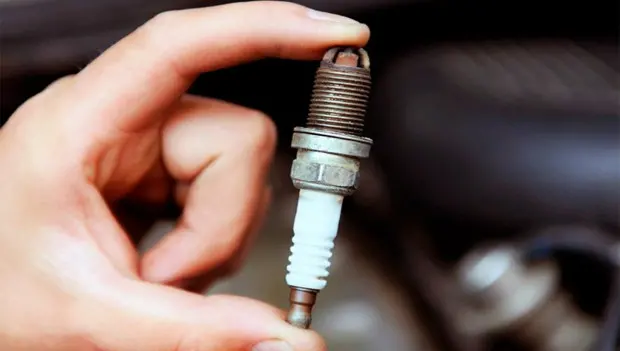
If you look back far enough, spark plugs used to be replaced only when they completely stopped working. Today, with advances in automotive technology, it’s much easier to know when to replace them — you just need to check your vehicle’s owner’s manual.
For standard spark plugs, the recommended replacement interval is typically between 18,000 and 25,000 miles. However, upgraded iridium spark plugs can last up to 50,000 miles or more, especially if you’re using high-octane fuel and your engine is in good condition.
Common signs of faulty spark plugs include:
-
Carbon buildup on the tip
-
Cracks in the ceramic insulator
-
Corrosion on the side electrode
-
Improper electrode gap (should be about 0.8 millimeters)
If even one spark plug fails, it’s recommended to replace the entire set. When your engine is running properly, the plugs tend to self-clean.
Consequences of not replacing spark plugs on time:
-
Engine may fail to start
-
Catalytic converter damage in vehicles equipped with one
-
Increased fuel consumption
-
Rough idling or engine misfires
-
Burned pistons or damaged gaskets
And that’s just the beginning — almost every component inside the engine can suffer from bad spark plugs.
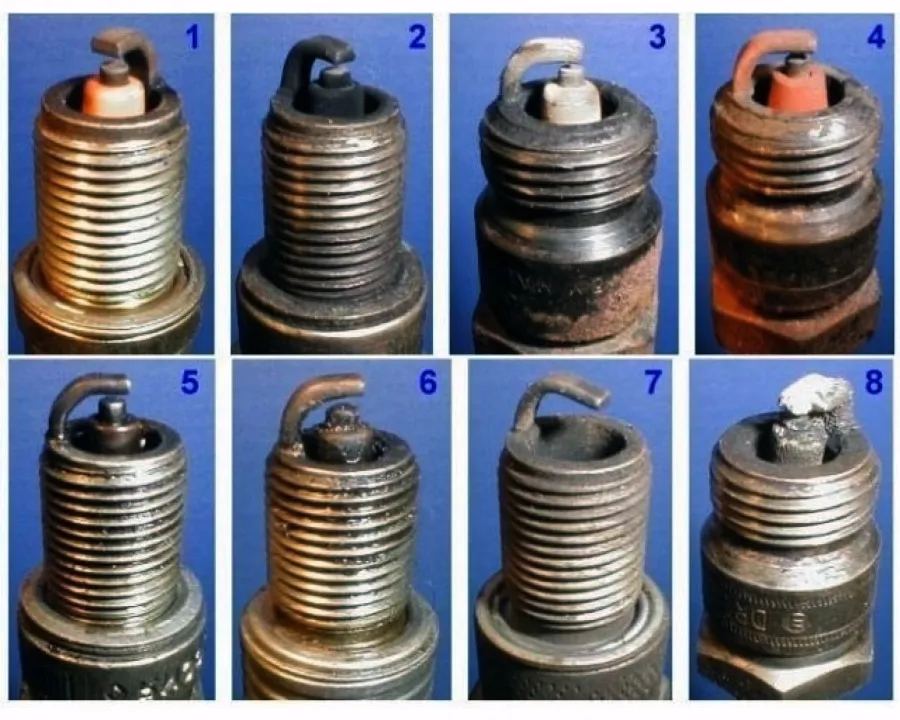
Other related issues include:
-
Excessive fuel consumption
-
Weak air-fuel mixture
-
High levels of fuel additives
-
Worn valve stem seals
-
Malfunctioning valves
-
Engine knocking or detonation
-
Worn piston rings
If your engine is running unevenly, the first thing to check is the condition of your spark plugs. Regular maintenance and timely inspections can save you from expensive repairs down the road.
You may also be interested in the news:
Honda K-Series Engines Can Go Past 300,000 Miles — Here's Why They're So Reliable
How long can a Honda K-series engine last, and what makes this family of Japanese engines so durable?
When the First Freeze Hits, Put Newspaper Under Your Floor Mat: An Old Winter Driving Trick
Newspaper under a floor mat can help protect a car's floor from winter moisture, but it requires regular attention.
How a Repair Shop Can Overcharge You: What Every Driver Should Know
An experienced mechanic knows how to increase a repair bill, and drivers should know what to watch for before approving work.
How to Find the Source of a Car Interior Rattle in 15 Minutes
A simple trick can help drivers pinpoint an annoying interior rattle without taking apart half the cabin or visiting a repair shop.
The Dent Can Disappear Without a Trace: How to Repair Car Body Damage Without Paint
Paintless dent repair can restore a damaged panel to its original shape, but only when certain conditions are met.