
American Engineering, Chinese Production and Installation: And This Is Not MacPherson. Meet the NIO ET9
The emerging Chinese automaker’s new SkyRide system relies on sensors and pressurized hydraulics to transform the ride.
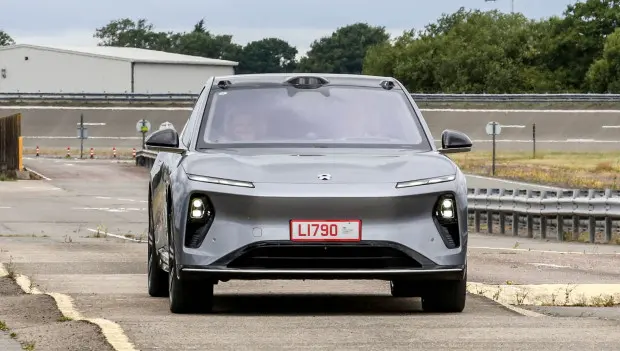
Adaptive damping has been around for a while, but active suspension—the kind Nio has engineered for its flagship ET9—is a far rarer innovation in production cars.
Developed with American firm Clearmotion, the setup is called SkyRide, and Nio describes it as “the world’s first fully integrated hydraulic, fully active suspension.”
Traditional adaptive dampers vary resistance on the fly, adjusting automatically to match different surfaces or driving modes. That’s long been the standard way to balance comfort and performance. In contrast, manually adjustable dampers—common in racing or aftermarket tuning—require turning a screw or knob by hand.
Active suspension, however, is a different animal. Here, computer-controlled hydraulics assist the springs directly, actively managing the car’s body motions rather than simply reacting to them. While adaptive dampers respond to what the road does, active suspension can actually anticipate and counteract it—raising or lowering sections of the body in real time.
The payoff is both comfort and control: smoother ride quality and sharper handling thanks to tighter management of body roll and pitch. Nio says the system also links to the car’s steer-by-wire and braking systems to help keep the car stable—even in emergencies like a tire blowout.
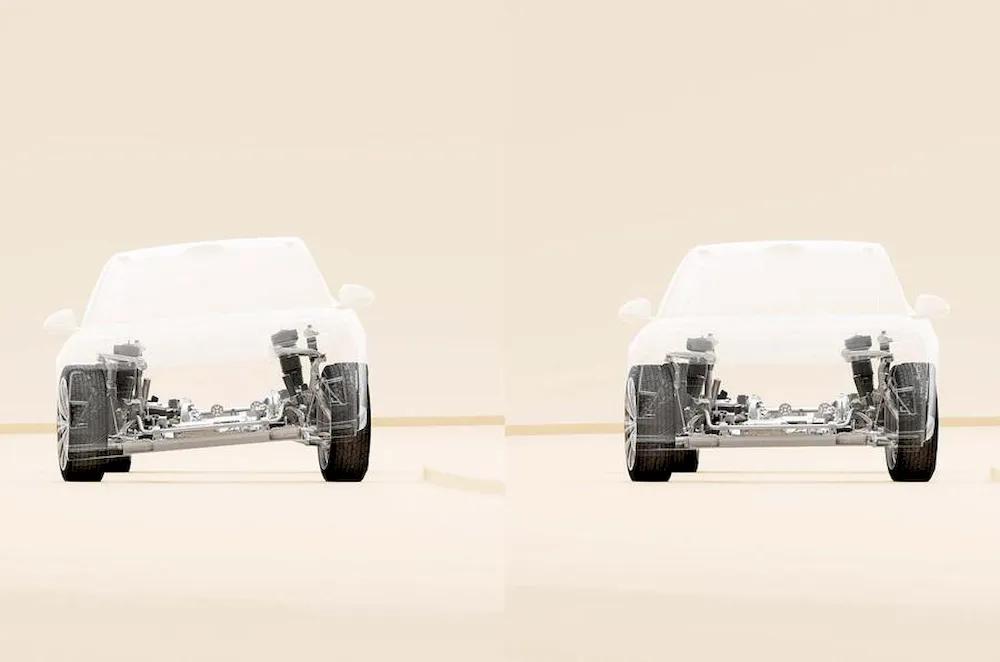
During testing, Nio demonstrated the SkyRide’s stability by deflating both tires on one side of an ET9 at 100 mph—without the car losing control.
Earlier Formula 1 cars experimented with similar tech, replacing traditional springs entirely. But that approach consumed too much power, so Nio’s system still uses soft air springs for basic load support. The active hydraulics, powered by a high-pressure pump, handle the fine control—flattening body movements over bumps and through corners.
According to Nio, SkyRide can make adjustments up to 1,000 times per second, cutting cabin motion by as much as 75% compared with standard suspension setups.
There’s more: the system can even lift one end of the car if sensors detect an imminent collision. For instance, if the ET9 is about to be rear-ended, it raises the tail to ensure bumper-to-bumper contact for optimal crash protection.
SkyRide also comes with some clever extras. When parked, it can literally “shake off” snow buildup using controlled body oscillations. And it can drop the ride height to make getting in and out faster than a traditional air-suspension system allows.
In true Nio fashion, the technology also ties into the brand’s digital ecosystem. It syncs with in-car gaming and the ET9’s “5D Cinema” mode—so if you’re watching Jurassic Park, you’ll actually feel the ground tremble when the dinosaurs stomp across the screen.
Nio says SkyRide will be recalibrated for other regions once the ET9 heads to Europe and the U.S., though the company hasn’t yet revealed a timeline for its American debut.
You may also be interested in the news:
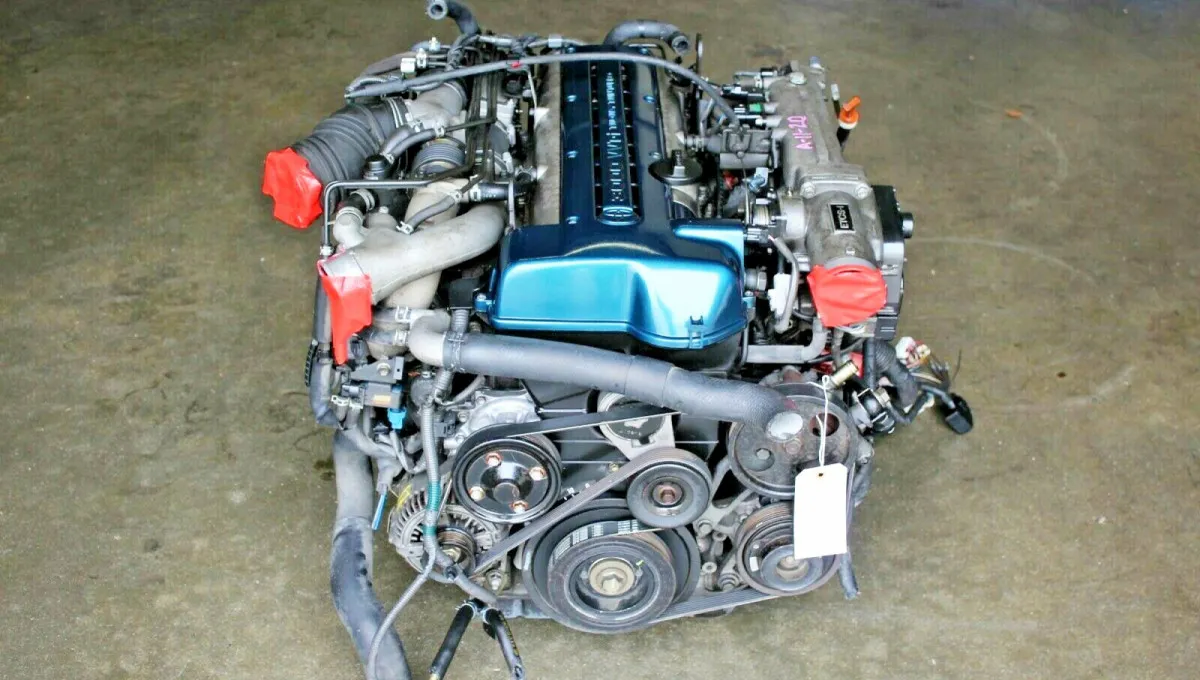
Toyota Built It to Survive 300,000 Miles. Tuners Turned It Into a 2,000-HP Beast
Toyota engineers may have gone too far with durability — and accidentally created the ultimate engine for hot-rodding.
Why a Fuel Pump Fails: 6 Clear Warning Signs
There are several warning signs that can point to a failing fuel pump.
Why Your Engine Might Be Trying to Kill You in a Crash (And How VW Just Fixed It)
The “dogbone” engine mount may be on its way out as Volkswagen patents a design aimed at improving crash protection.
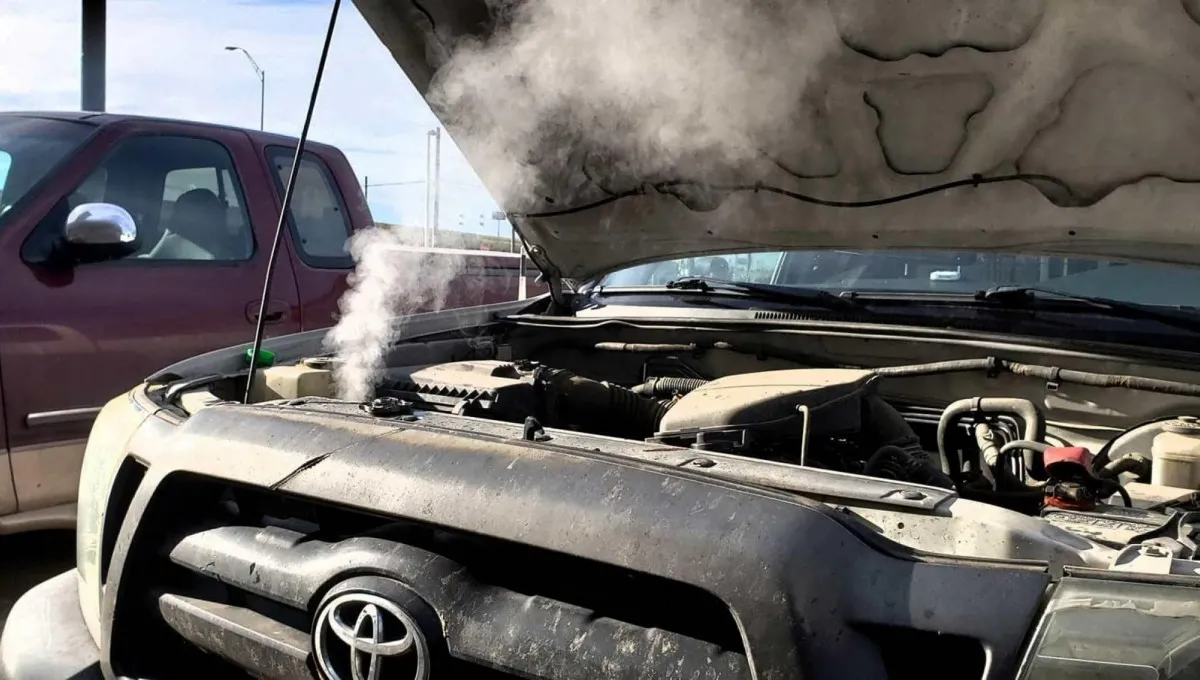
Is Your Car Overheating? Warning Signs Every Driver Should Know and What to Do Next
Recognizing the early signs of engine overheating can help drivers avoid expensive repairs and unexpected breakdowns.