
Lamborghini Huracan Owner Tracks Down Stolen Supercar with ChatGPT After Two Years
A California man has been reunited with his Lamborghini Huracan two years after it was stolen — thanks to artificial intelligence.

A Lamborghini Huracan owner from California has successfully recovered his stolen supercar two years after it disappeared. The unexpected ally in his investigation was ChatGPT, the AI tool that helped pinpoint the car’s location.
Stories of car theft sometimes sound more like Hollywood scripts than real life. That was the case for Andrew Garcia from Orange County, California, who managed to bring his Huracan home after a two-year ordeal. Remarkably, it wasn’t a private detective or the police who cracked the case — but artificial intelligence.
The saga began in December 2023, when Garcia discovered his Lamborghini missing. Investigations later revealed that his car had been swept up in a large-scale criminal operation, where an organized gang stole more than 20 luxury and sports cars. The thieves forged documents, altered identification numbers, and resold the vehicles under false names, making recovery difficult for law enforcement.
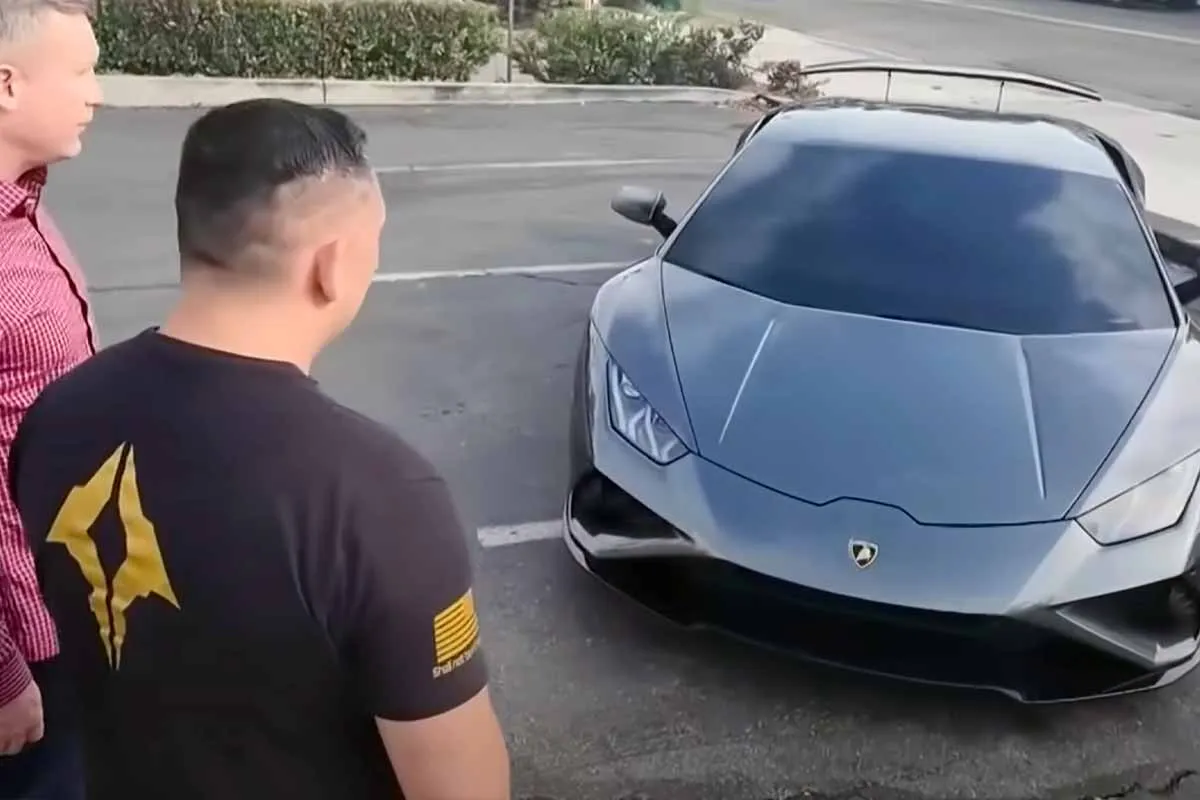
While most of the stolen cars were eventually tracked down, Garcia’s Huracan remained missing. Frustrated with the slow progress of the official investigation, he decided to pursue leads on his own. A breakthrough came unexpectedly when he received a message on social media from someone asking if he was selling a Lamborghini. The message included photos of his car — clearly not taken in California.
As it turned out, Garcia’s business card had been left in the glove compartment, and the car’s new “owner” reached out to him, unaware of its stolen status. Thinking quickly, Garcia uploaded the photos into ChatGPT and asked the AI to identify the location. By analyzing details in the images, the system suggested a likely place. Garcia then used Google Earth to verify the coordinates. His Huracan was in Denver, Colorado — nearly 1,600 kilometers from where it had been stolen.
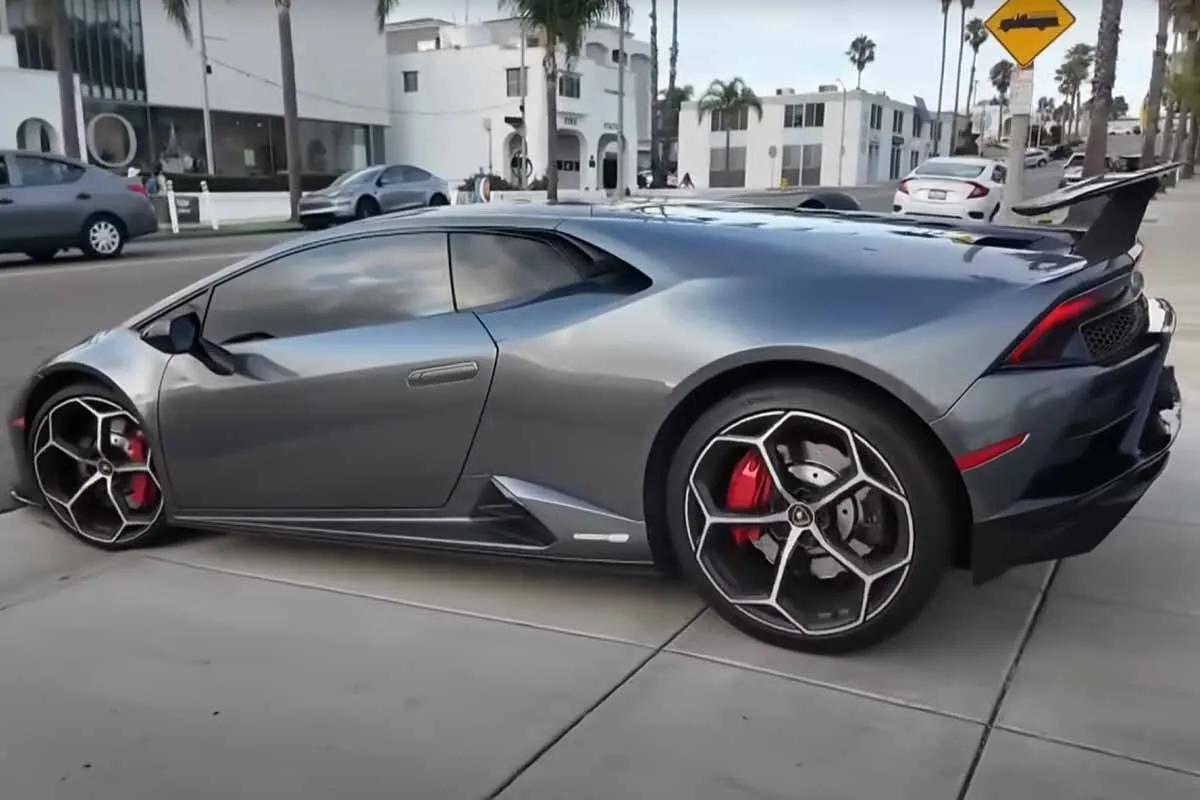
He immediately contacted local authorities and handed over all the information and photos. Within days, Denver police located and seized the vehicle. Garcia flew out and finally drove his Huracan home, ending his two-year search.
Colorado police noted that modern digital tools, including artificial intelligence, are becoming increasingly useful in tackling auto theft. The broader investigation into the theft ring continues, with one suspect already awaiting trial and another facing charges soon.
Garcia’s story is a vivid reminder of how technology can empower ordinary car owners in difficult situations. Where stolen supercars once seemed lost forever, AI now offers a surprising new ally in the pursuit of justice.
For luxury car owners, the case underscores the importance of safeguarding personal details and embracing digital tools. For car thieves, it serves as a warning: the era of impunity is ending.
You may also be interested in the news:
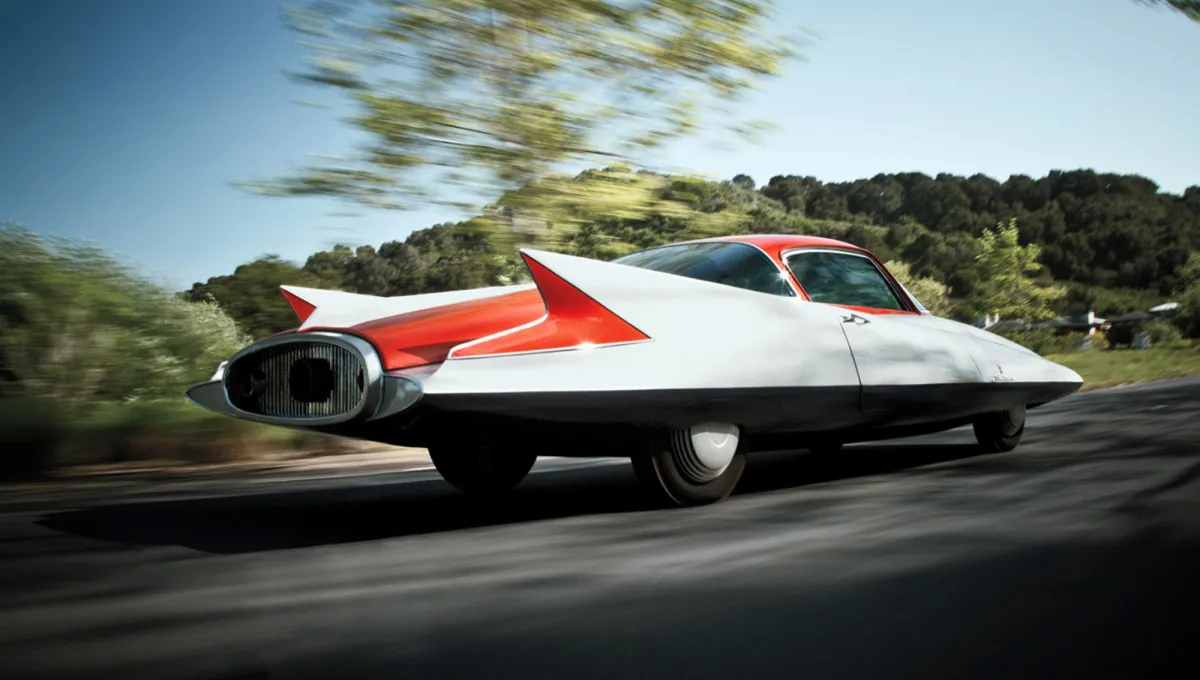
10 Concept Cars From the 20th Century That Look Like They Came From the Future
From futuristic cockpits to rocket-inspired bodies, these 10 vintage concept cars pushed design boundaries and still look spectacular today.
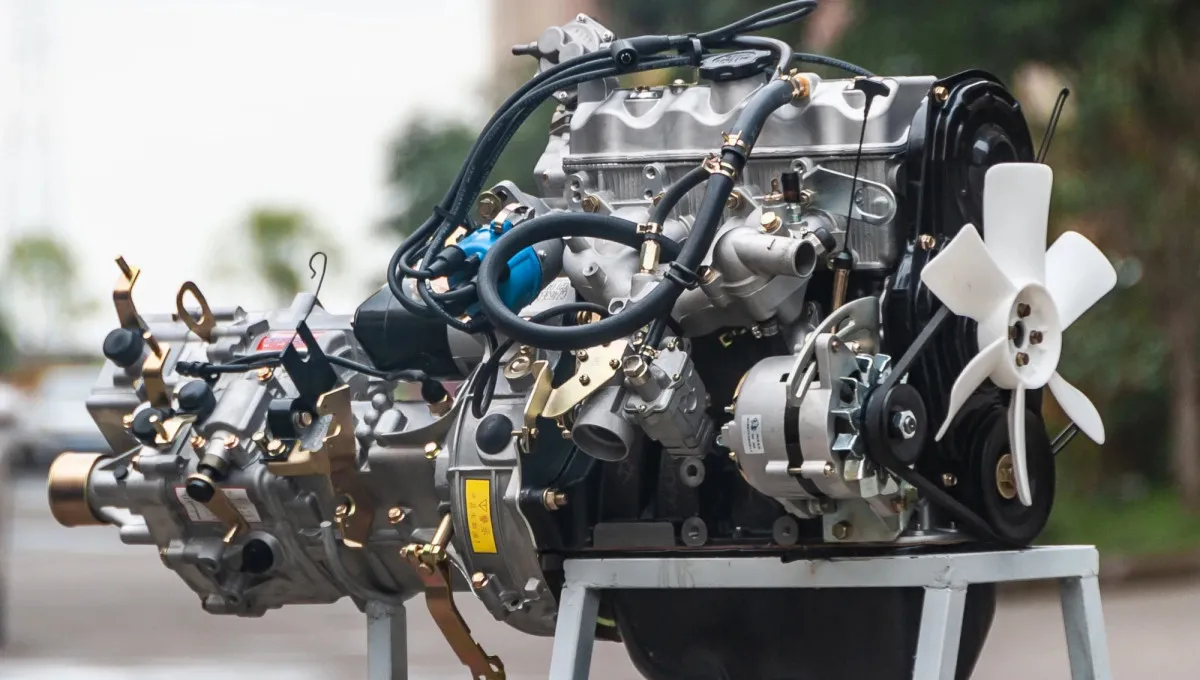
“Are You Sure It’s Chinese?” Who Really Builds China’s Car Engines
Who Really Develops China’s Car Engines?

Why Experienced Drivers Still Warn Against Buying a Used Car With a CVT
CVTs offer smooth acceleration and good fuel economy, but expensive repairs and durability concerns make used models risky.

8 Car Maintenance Mistakes That Could Cost You Thousands if You Wait Too Long
Depending on driving conditions, some maintenance tasks may need to be performed sooner and more often than the automaker recommends.

How Long Will Your Car Last? A Guide to Making It Age Gracefully
Automotive experts explain how routine maintenance and timely replacement of aging components can help your car last longer.