
Why Automakers Ditched Inner Tubes for Tubeless Tires: Surprising History and Details
How tubeless tires reshaped road safety and comfort — unexpected facts revealed.
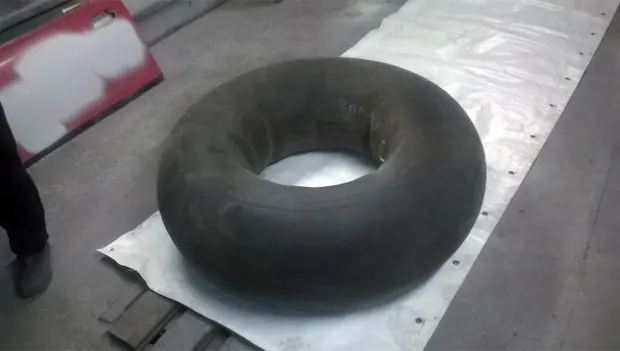
There was a time when tires with inner tubes were standard, but everything changed with the arrival of tubeless tires. Why did automakers switch to this technology, and what are the pros and cons of modern tires? Here’s a look at surprising details and what the future might hold.
In the 19th century, carriage wheels were made of wood or metal. Everything shifted when American chemist Charles Goodyear invented the vulcanization process, making rubber stronger and more elastic — ideal for tire production. By 1845, Englishman Robert William Thomson created the first inflatable pneumatic tire using vulcanized rubber. High costs prevented mass production at the time, and it wasn’t until 1881 that the first carriages with solid rubber tires appeared on the streets of London.
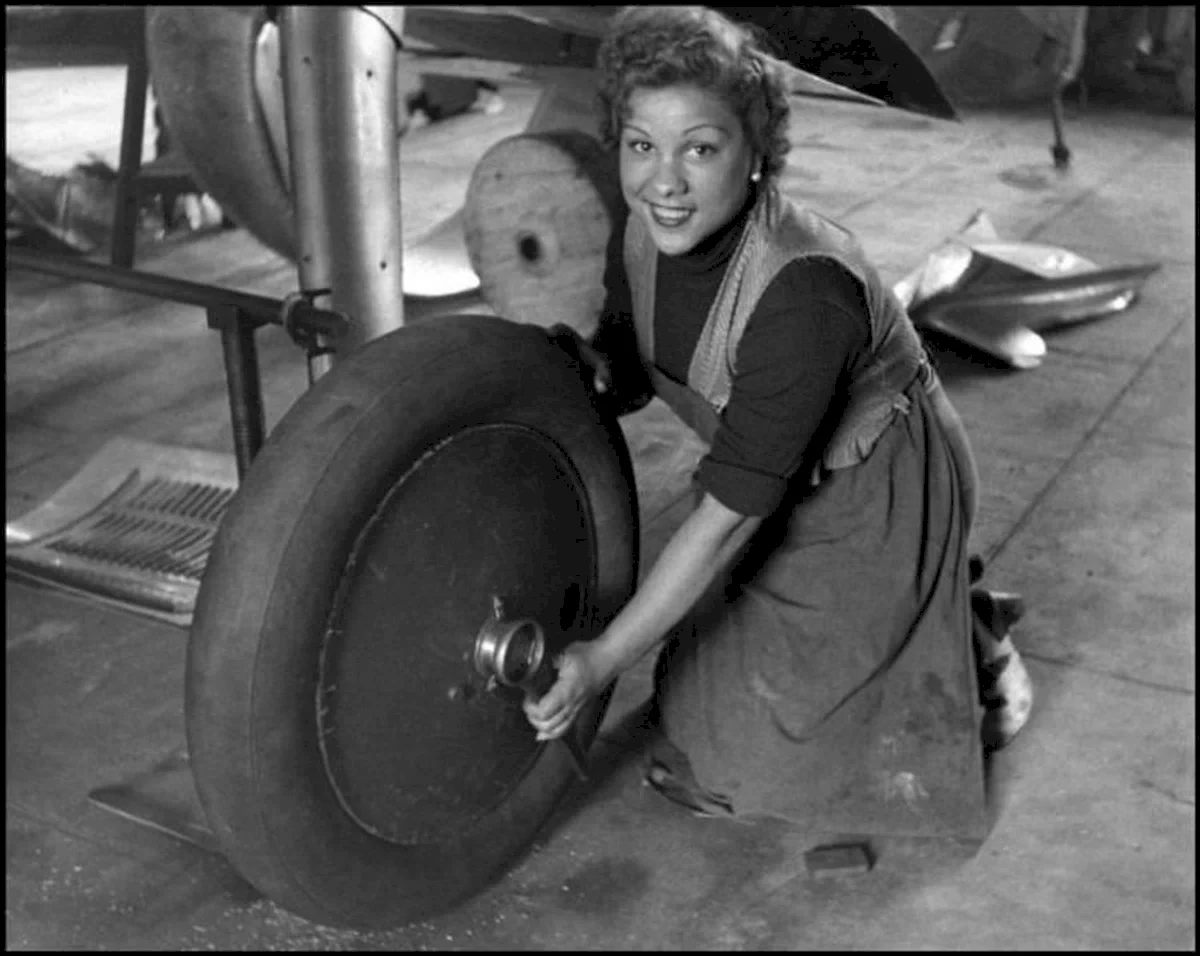
The real breakthrough came in 1911, when Philip Strauss patented automobile tires with an inner air-filled tube. These tires became the standard for decades. Inner tubes offered a smoother ride than solid rubber but were highly vulnerable to punctures. Even a small sharp object on the road could flatten a tire, and repairs were time-consuming and labor-intensive.
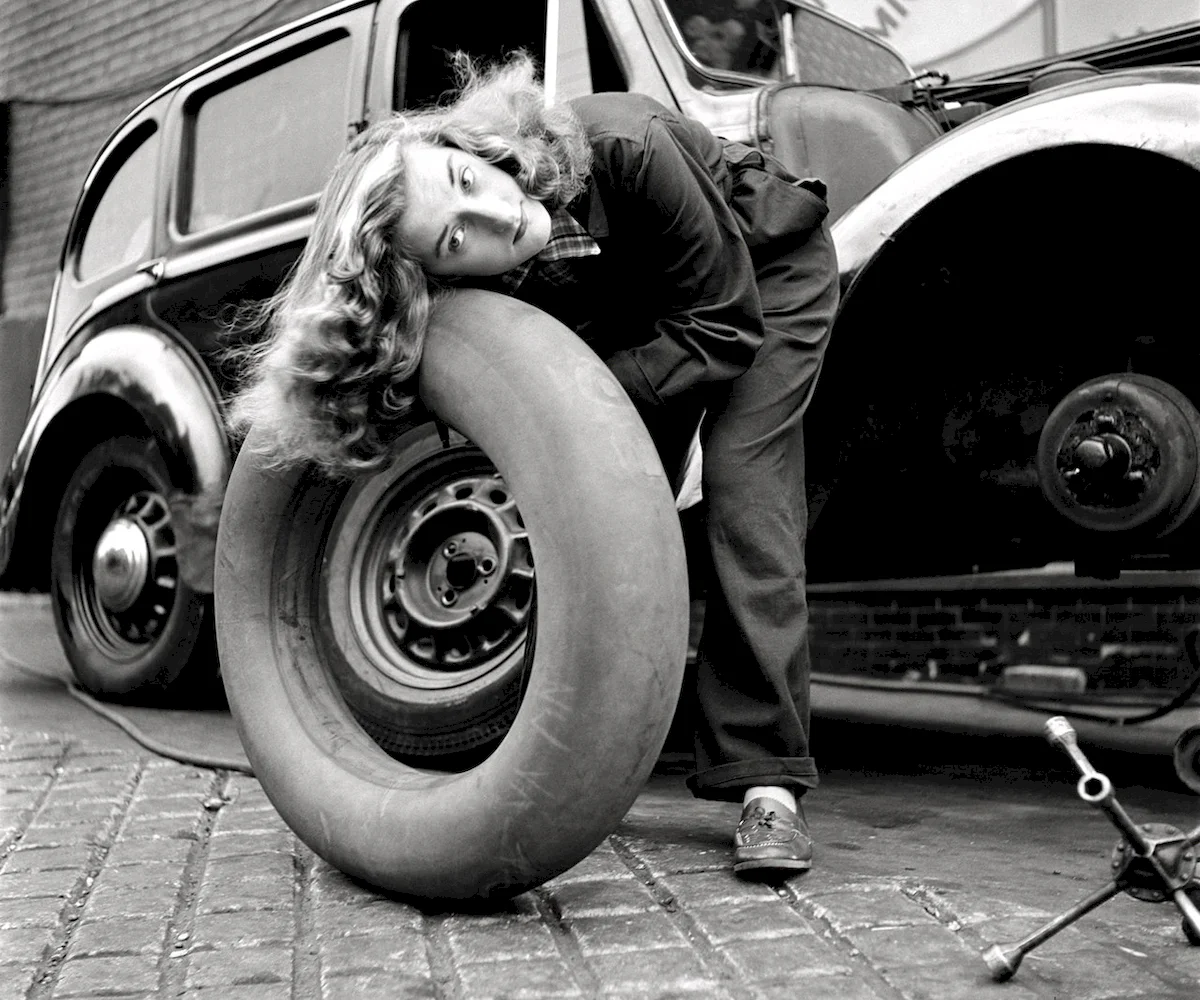
As roads improved and cars became faster, the drawbacks of tube tires became more apparent. They overheated easily and lost air instantly when punctured, creating dangerous driving conditions. Sudden stops and emergency repairs became a common part of motoring life.

In 1947, American engineer Frank Herzegh, working at B.F. Goodrich, invented the first tubeless tire. By 1952, the company had patented the design, and the automotive industry quickly adopted this safer, lighter, and more cost-effective technology. Tubeless tires leak air more slowly during a puncture and are less prone to overheating, significantly reducing accident risk.
The key difference between tube and tubeless tires lies in their construction. Traditional tires use a separate rubber tube to hold air and maintain shape. Friction between the tube and tire generates heat, especially at high speeds, and a puncture causes the tube to deflate instantly, making the car nearly uncontrollable.
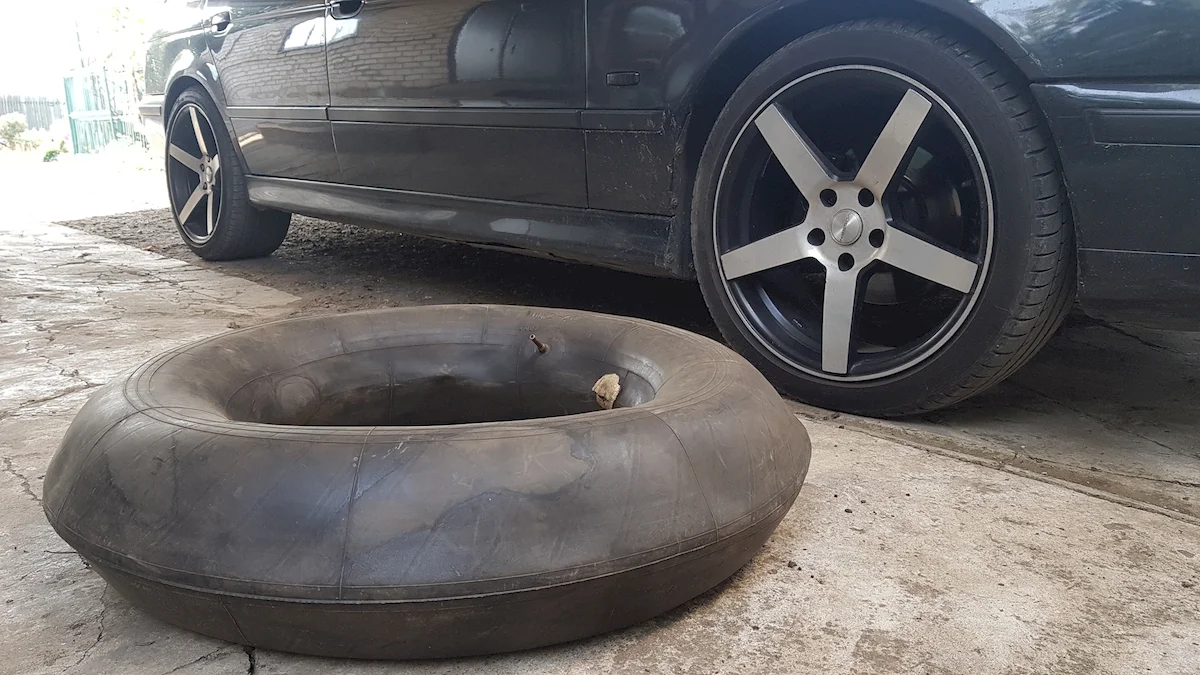
Tubeless tires eliminate these issues. The air is contained within the tire itself, mounted directly on the rim. This design improves heat dissipation, reduces overheating, and prevents sudden blowouts. They are also lighter, which benefits fuel efficiency and ride comfort. In case of a puncture, air escapes slowly, and repairs can often be done with a simple kit.
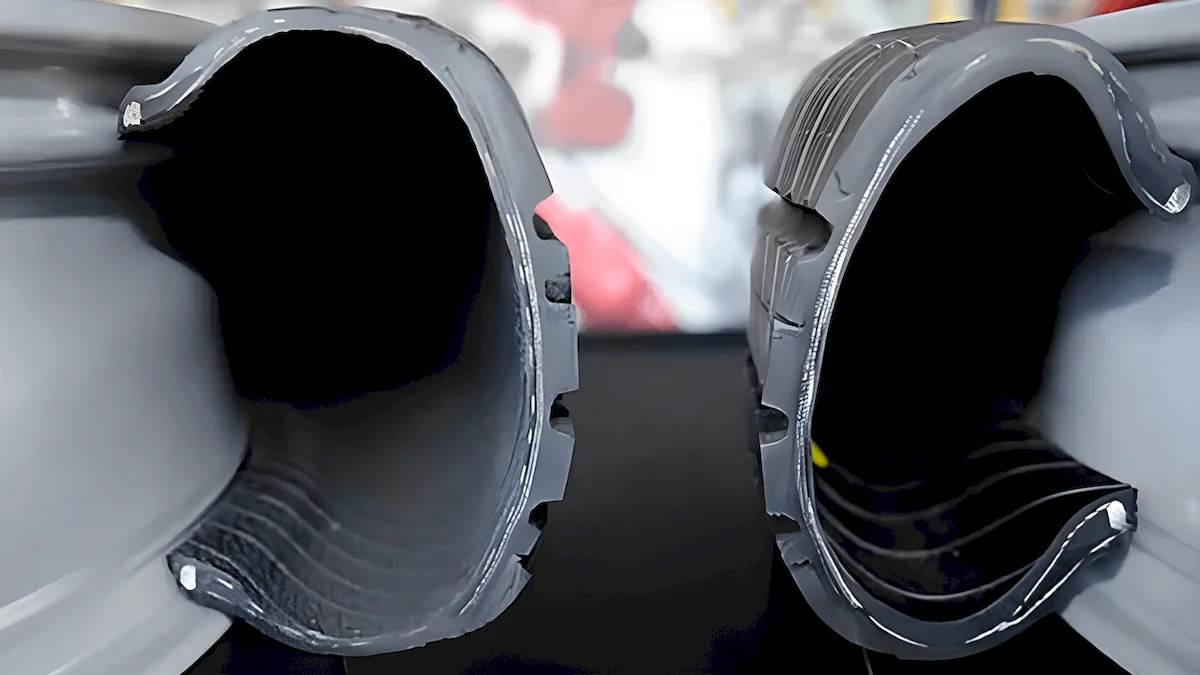
Modern advances have introduced run-flat tires with reinforced sidewalls, allowing cars to keep moving after a puncture. These tires are heavier, more expensive, and often stiffer than regular tubeless tires, which may not appeal to all drivers.
Innovation continues. For instance, a Harvard research team has developed a new type of rubber nearly ten times stronger than traditional vulcanized rubber. While it’s unclear when this material will hit the mass market, experts agree the future of tires lies in combining safety, comfort, and durability.
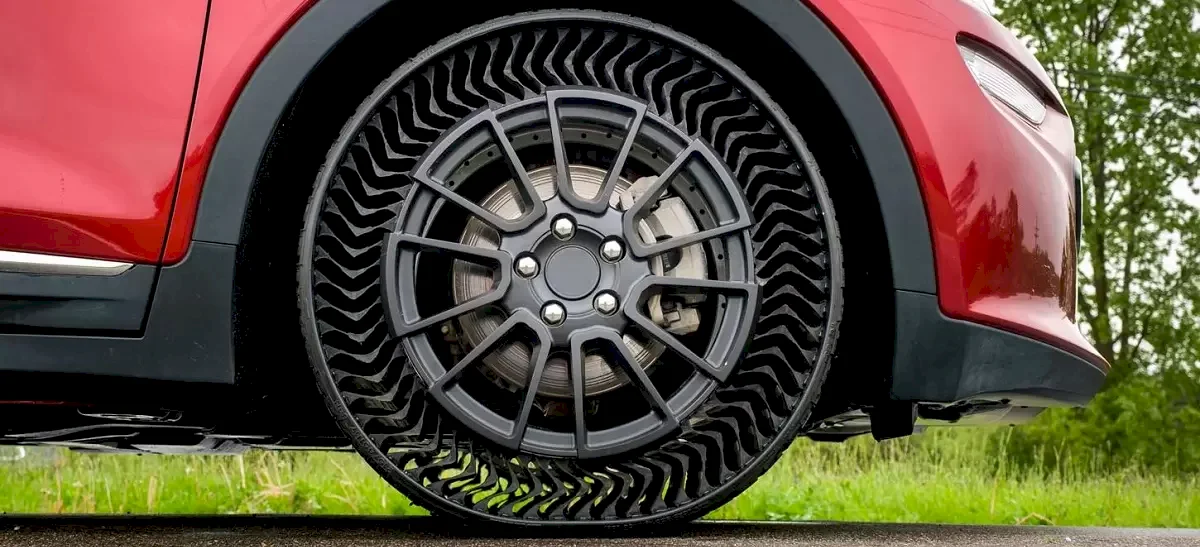
For now, tubeless tires remain the best choice for most vehicles. They have proven their reliability and performance, and their widespread adoption marked a key milestone in automotive history. Fully airless tires may come one day, but for now, tubeless designs set the standard for safety and comfort on the road.
You may also be interested in the news:
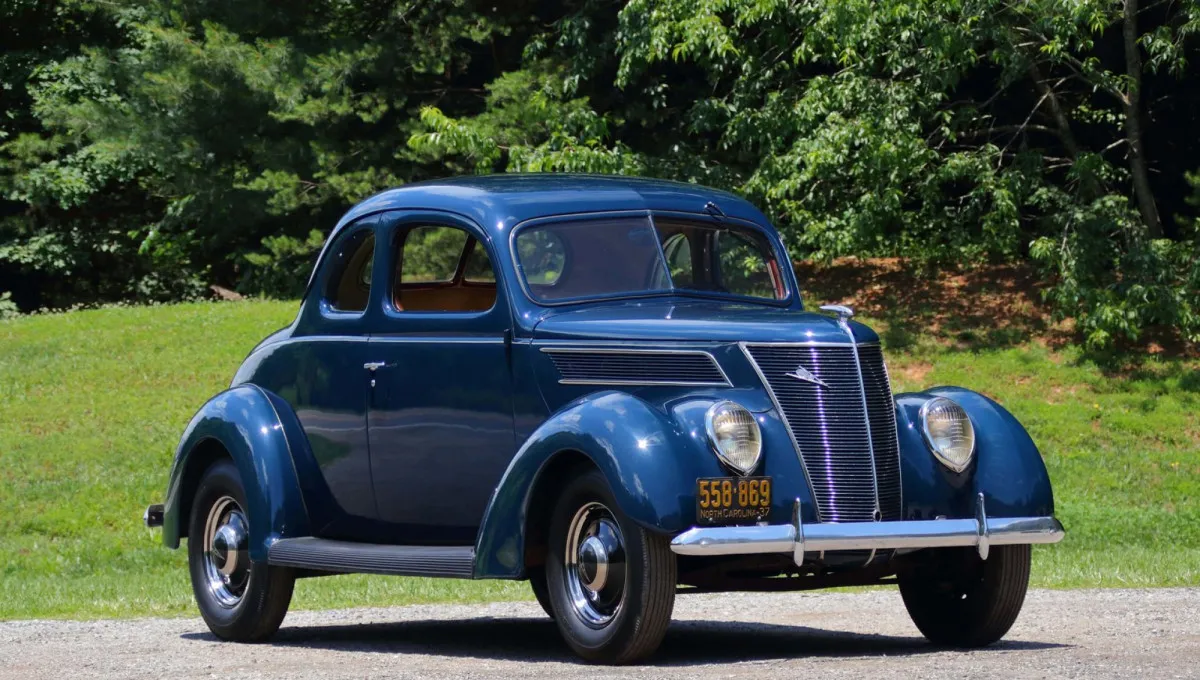
The 1937 Ford Was a Quality Car at an Affordable Price — Here’s What Made It Stand Out
The 1937 Ford featured several major changes and improvements. Let’s take a closer look.
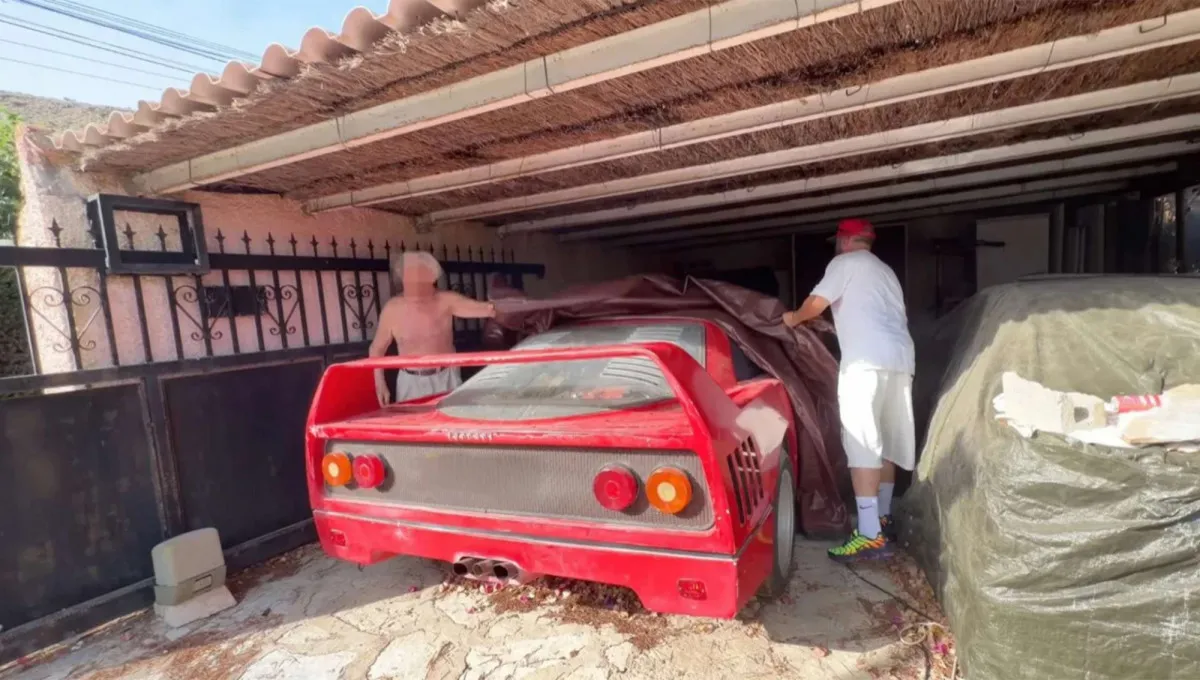
Two Ferrari F40s Spotted on Google Maps Turn Out to Be Pontiac Fiero Replicas
Two Ferrari F40 lookalikes spotted on Google Maps in Spain turned out to be replicas built on an American sports car.

Your Speedometer Says 65 MPH, but Your GPS Says 62 — Here’s Why Your Car Does That
Your speedometer reads 65 mph, but your GPS says 62 mph. Here’s why the numbers rarely match.
10 Concept Cars From the 20th Century That Look Like They Came From the Future
From futuristic cockpits to rocket-inspired bodies, these 10 vintage concept cars pushed design boundaries and still look spectacular today.
“Are You Sure It’s Chinese?” Who Really Builds China’s Car Engines
Who Really Develops China’s Car Engines?