
Next-Generation BMW X5 to Offer Hydrogen Fuel Cell Version
The fifth-generation BMW X5, set to debut in 2026, will come with an unprecedented range of powertrain options.
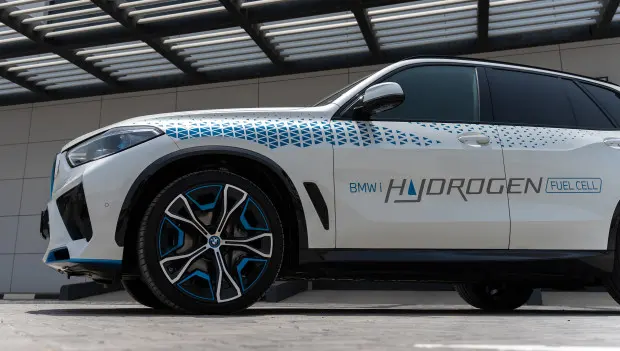
The upcoming BMW X5 will offer buyers more variety than ever before: gasoline, diesel, hybrid, and fully electric versions are all planned. But the real game-changer will be the arrival of a production-ready hydrogen fuel cell model.
BMW has officially confirmed plans to bring a hydrogen-powered crossover into series production, targeting a market launch in 2028. The German automaker has not scaled back its hydrogen research—in fact, it has doubled down, deepening its partnership with Toyota to develop a commercially viable vehicle. Built on BMW’s latest platform and carrying the brand’s new-generation design, the hydrogen X5 could even be priced lower than its gasoline, diesel, or battery-electric counterparts, according to early reports.
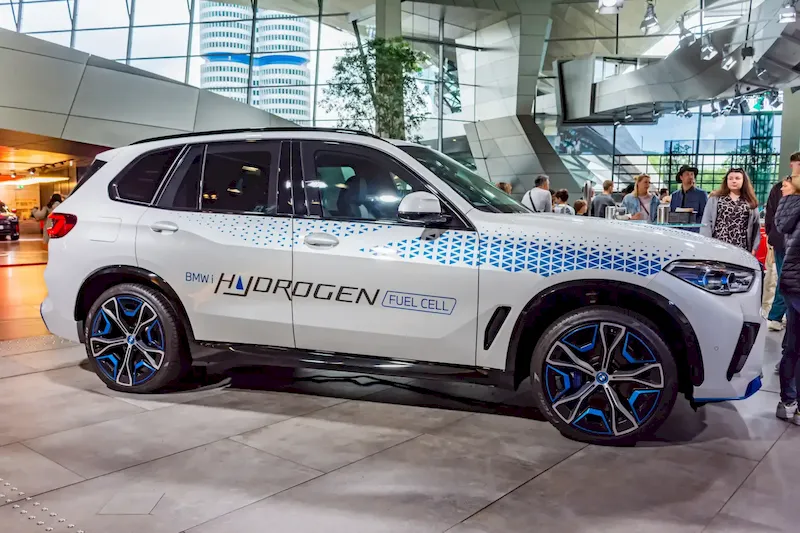
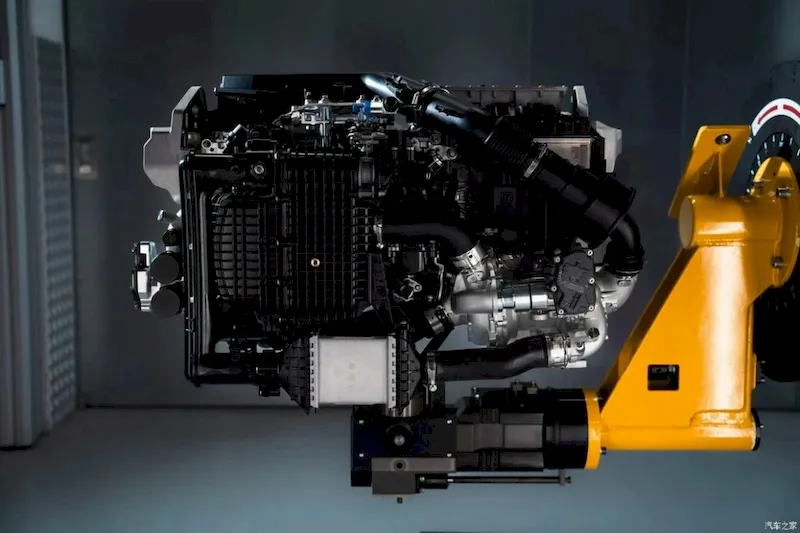
The company is positioning the model as a strategic bet for buyers seeking a clean alternative without committing to full EV ownership. At the heart of the production version will be BMW’s third-generation fuel cell system, which has been significantly refined. It is 25% more compact, more powerful, and easier to integrate—promising greater driving range, higher performance, and lower energy consumption.
BMW’s journey with hydrogen began back in 2014 with an experimental 5 Series prototype co-developed with Toyota. Today, the BMW iX5 Hydrogen is undergoing real-world testing with a fleet that combines components from both automakers. Production of the new fuel cells will be based in Austria, while prototypes are already being trialed in Munich. With series production scheduled for 2028, it won’t be long before the hydrogen-powered X5 becomes a reality.
You may also be interested in the news:
2027 Ram 1500 Rumble Bee: Pricing, Options and How to Build Yours
The 777-HP Ram Rumble Bee Is Coming — But You Can Buy the New Hemi Truck Now
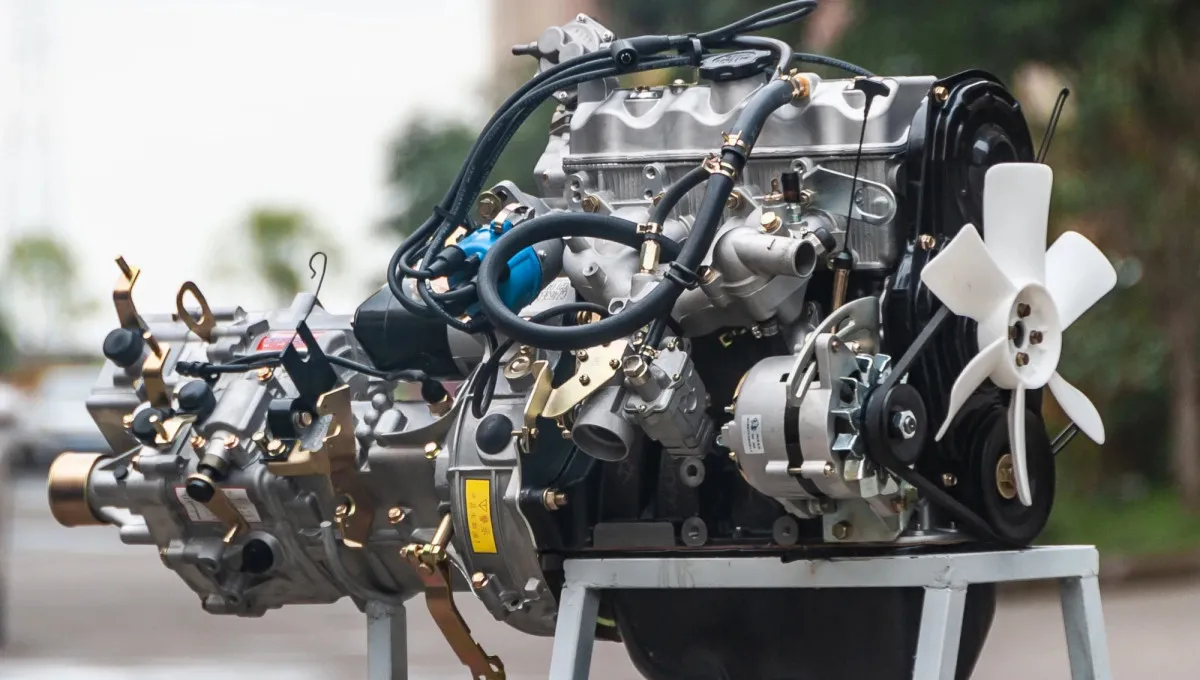
“Are You Sure It’s Chinese?” Who Really Builds China’s Car Engines
Who Really Develops China’s Car Engines?
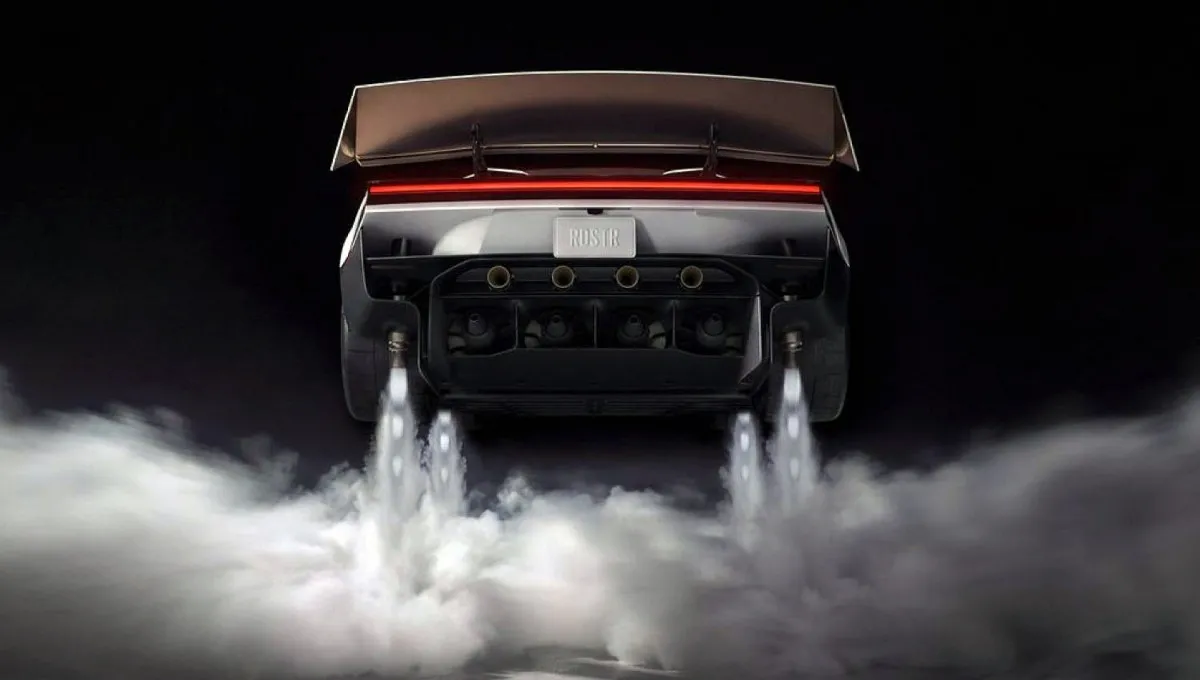
Tesla’s New Roadster Can Fly, but That May Be the Least Impressive Thing About It
Nearly a decade after Elon Musk unveiled the next-generation Roadster, Tesla has finally revealed its most outrageous capabilities.
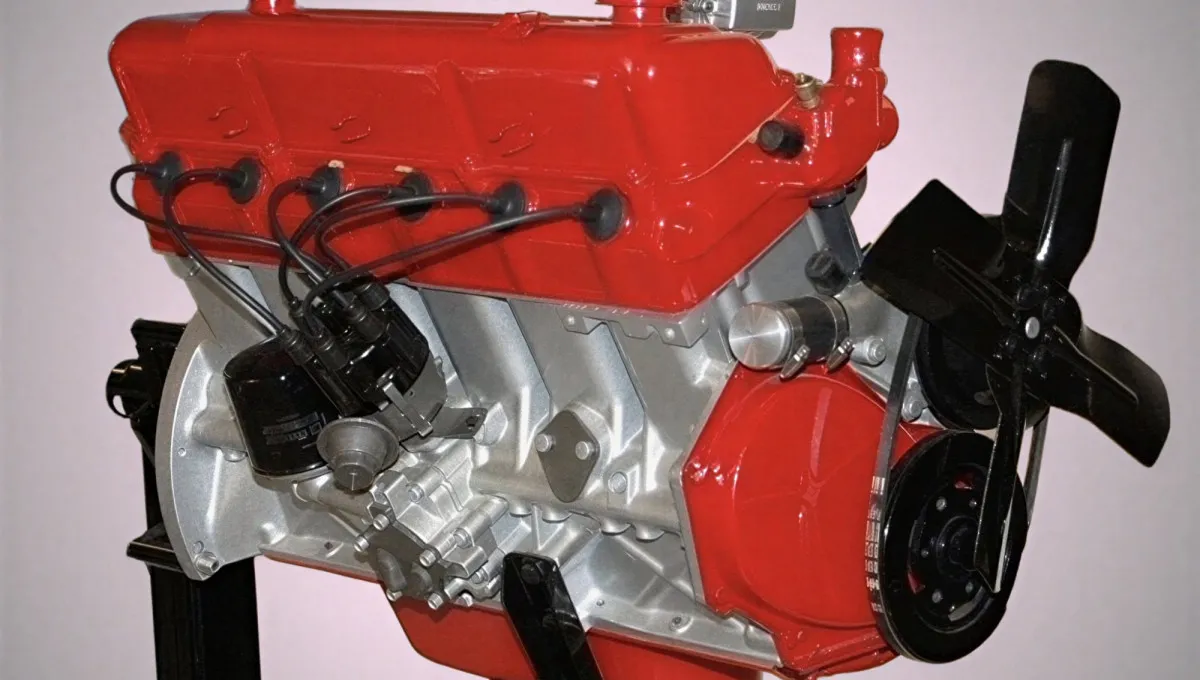
Chrysler's Aluminum Slant 6 Engine: The Lightweight Experiment of 1961–1963
Chrysler built more than 50,000 cars with an aluminum-block Slant 6 before production challenges brought the project to an end.
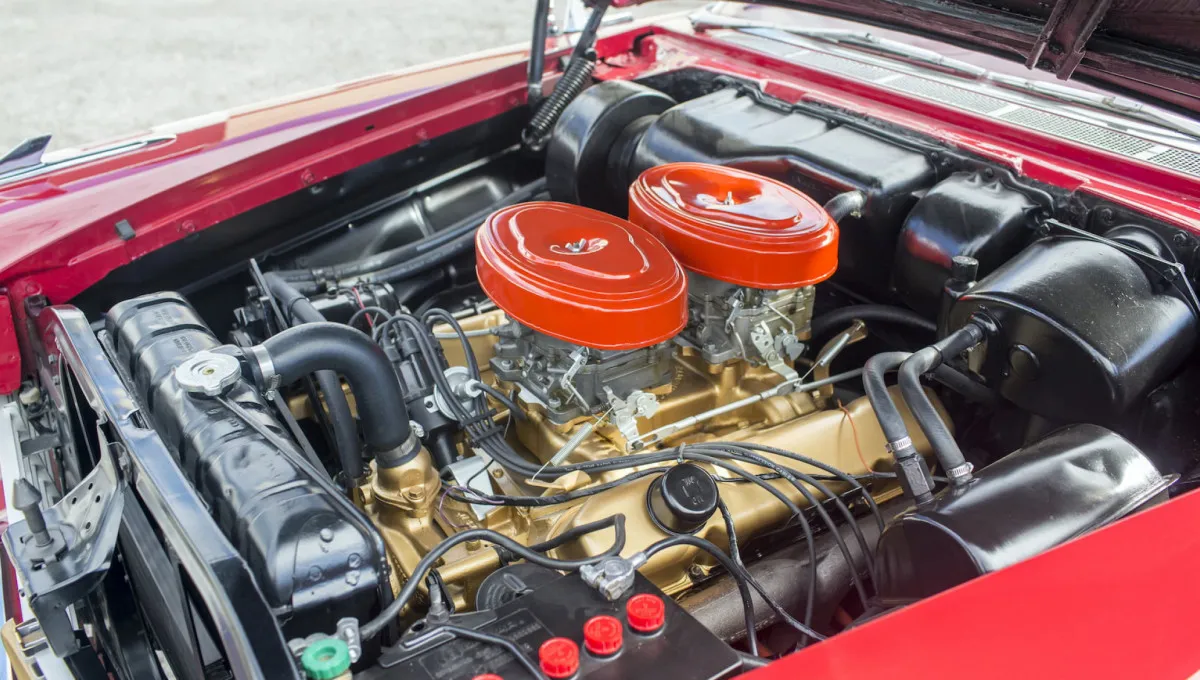
Chrysler’s Hemi Was Too Expensive to Build. Its 1958 Plan B Became a V8 Legend
After its famous Hemi V8s, Chrysler took a new direction in 1958 with a simpler, more affordable engine.