
What to Do When the Check Engine Light Comes On: Stay Calm, Here’s What It Means
What the Check Engine light on your dashboard could be warning you about.
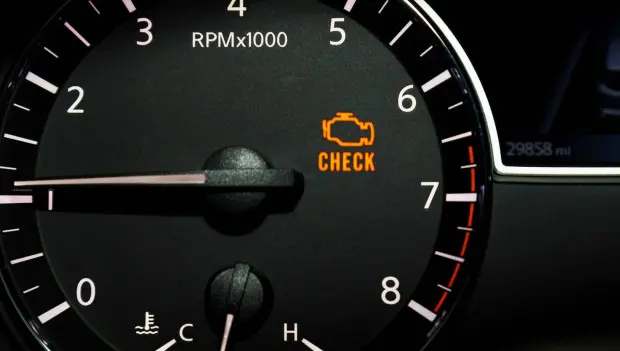
When the Check Engine light pops up on the dashboard, it can unsettle even experienced drivers. After all, an engine issue can hit your wallet hard — and potentially sideline your car for a long time. Here’s what you should do if it happens.
First, the Check Engine light indicates that the onboard diagnostics system has detected a problem with the engine. It can be triggered by something minor, like a sensor glitch, or by a serious engine fault. That’s why it’s important to pay attention to how the car is behaving — and ideally, have it checked by a mechanic.
“If the Check Engine light comes on but the engine is running smoothly, with no loss of power or other symptoms, the situation isn’t critical. Start by shutting off the engine and restarting it. If the light goes out, it may have been a temporary error, and you can continue driving. But if the light stays on, it means the issue is persistent.”
In that case, it’s usually safe to keep driving, but you should take it easy: keep revs under 3,000 rpm, avoid hard acceleration, and keep an eye on your gauges.
“Still, don’t put off a diagnostic check. The car’s computer has already stored a fault code, and only a scan tool will tell you exactly what’s wrong.”
It’s a different story if the engine starts running rough — with reduced power, misfiring, or a rev limiter kicking in. That means the computer has switched the engine into “limp mode,” designed to protect it from serious damage, such as a failed catalytic converter or overheating internal components.
“In this situation, you should only continue driving carefully and at low revs — just far enough to reach the nearest town or repair shop. Ignoring the warning is risky: driving with constant misfires can lead to very expensive repairs.”
A flashing Check Engine light requires even more caution. This typically signals severe misfires, meaning unburned fuel is reaching the exhaust system and can damage the catalytic converter.
In that case, stop immediately, shut off the engine, and call a tow truck. The only exception is if you’re in a dangerous spot and need to move the car to safety.
“Drivers often assume a Check Engine light is caused by bad gas and hope that topping off with premium fuel will solve the problem. In reality, that doesn’t work. If the issue is indeed poor-quality fuel, the only fix is to burn through or drain the bad gas completely. Mixing in other fuel won’t make the problem go away.”
You may also be interested in the news:
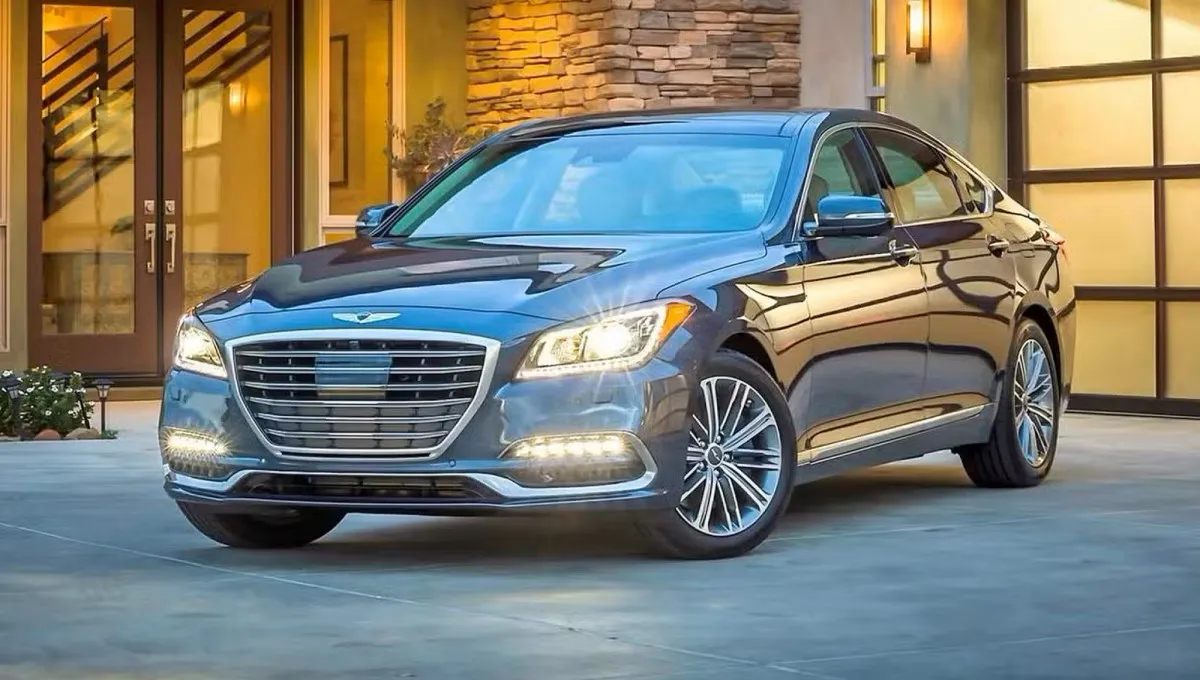
Hyundai Recalls Nearly 95,000 Genesis Sedans Over Fire Risk From Power Seats
Hyundai is recalling 94,622 Genesis sedans after a faulty power seat switch was linked to overheating and potential vehicle fires.
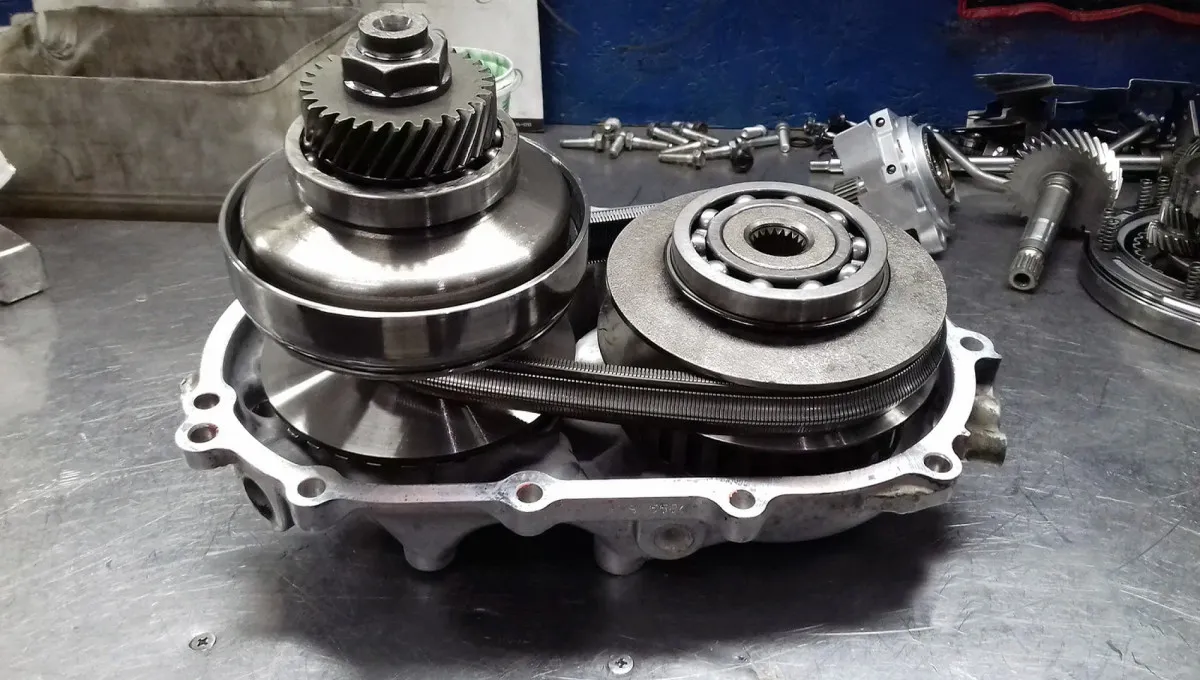
Why Experienced Drivers Still Warn Against Buying a Used Car With a CVT
CVTs offer smooth acceleration and good fuel economy, but expensive repairs and durability concerns make used models risky.
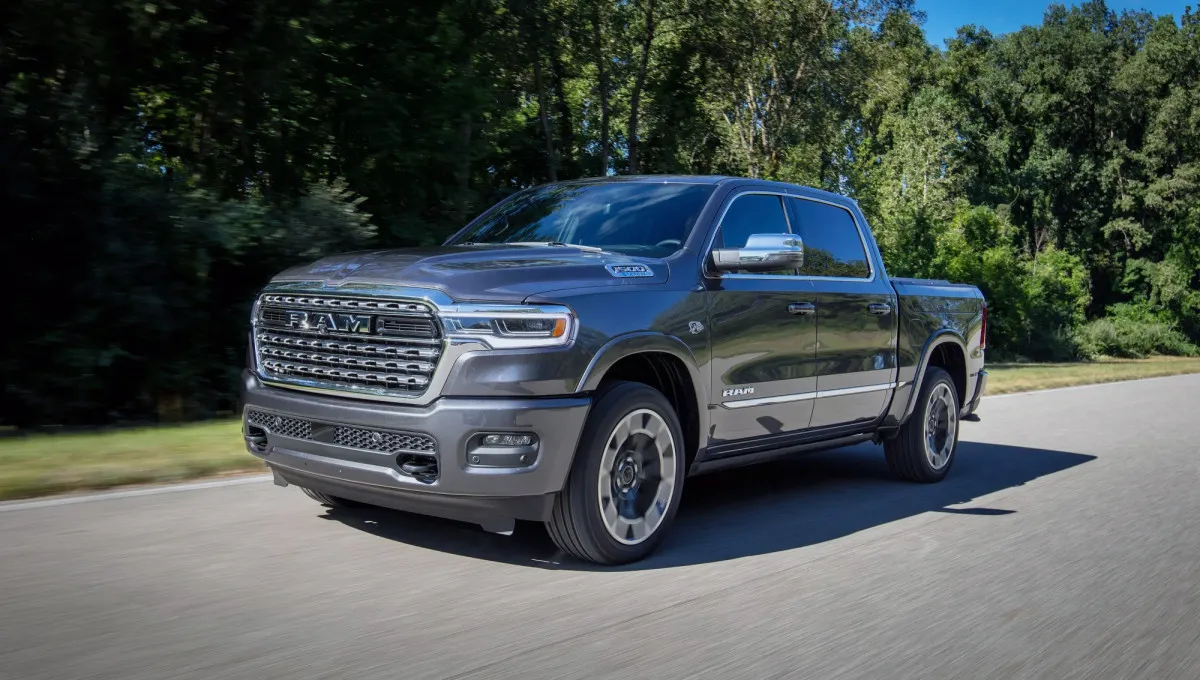
2026 Ram 1500 Recall: 16K Trucks May Have Faulty Tire Pressure Sensors
Ram is recalling 16,385 model-year 2026 Ram 1500 trucks
Hidden Key Fob Trick: Open All Your Car Windows With One Button
An auto mechanic explains how drivers can remotely open and close car windows using a key fob, provided the vehicle has the right hardware.
8 Car Maintenance Mistakes That Could Cost You Thousands if You Wait Too Long
Depending on driving conditions, some maintenance tasks may need to be performed sooner and more often than the automaker recommends.