
U.S. Automakers Warn Trump: Tariffs on Factory Robots Could Drive Up Car Prices
A new debate over robotics has erupted in America’s auto industry in recent weeks.
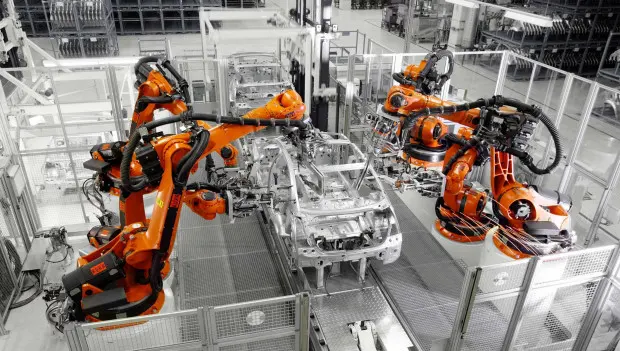
In recent weeks, a new debate has taken shape across the U.S. auto industry: the Trump administration is weighing the possibility of imposing additional tariffs on industrial equipment and factory robots. Major automakers — including Ford, GM, Toyota, Honda, Mercedes, Kia, and others — have sharply criticized the idea, warning that such measures could make an already challenging market even tougher.
In a formal letter sent to the U.S. Department of Commerce, carmakers pointed out that roughly 40% of all robotics and industrial machinery in the country is used in automotive manufacturing. Modern vehicle production is deeply dependent on automation — robots handle everything from painting and welding to assembly and precision machining, boosting both productivity and quality.
Industry leaders argue that new tariffs would push up production costs, slow down assembly lines, and ultimately lead to fewer vehicles on the market and higher prices for consumers. Smaller suppliers, many of which are already under financial strain, would be hit particularly hard.
Automakers insist that if tariffs are implemented, there should be exemptions for machinery directly used in vehicle manufacturing. Without such protections, experts warn, the U.S. market could face another round of price hikes and job cuts — leaving consumers to shoulder even higher costs for new cars.
Opposition to Trump’s proposal isn’t limited to American companies. Governments in Canada, China, Japan, Switzerland, and the European Union have also voiced concern. Meanwhile, amid these ongoing disputes, the president announced a new 25% tariff on imported medium- and heavy-duty trucks — a move that drew mixed reactions from automakers. GM and Ford welcomed the decision, while Stellantis, which operates several plants in Mexico, was far less enthusiastic.
You may also be interested in the news:
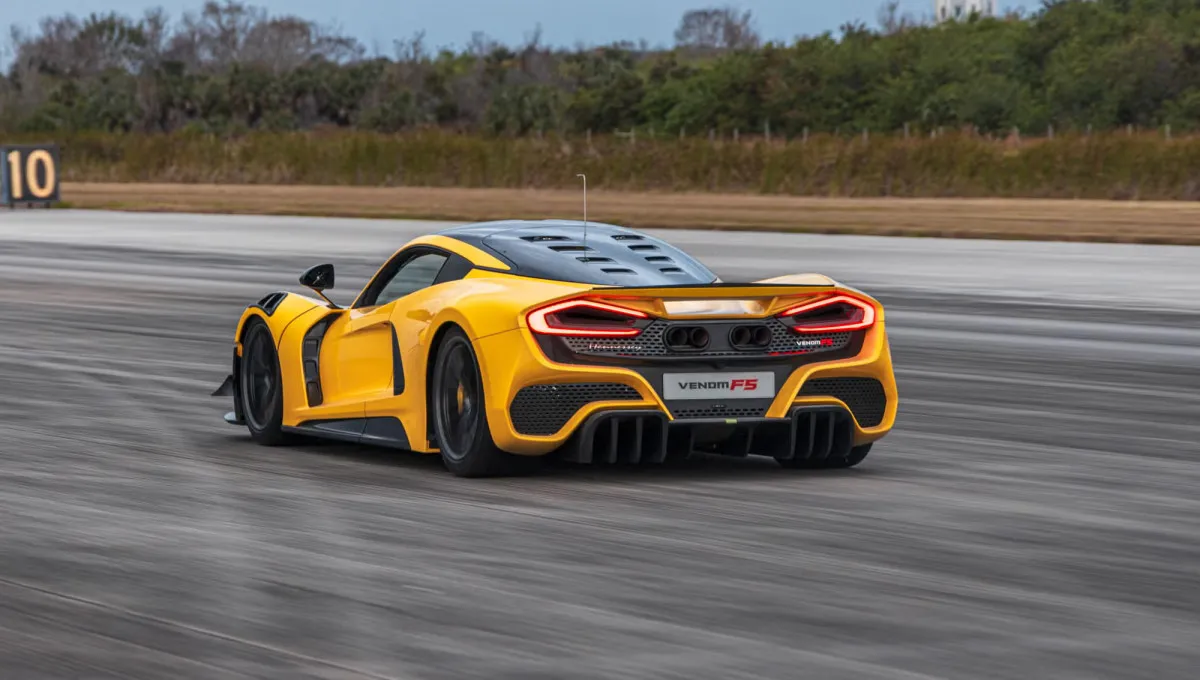
Experts Name the Two Most Powerful Production Sports Cars in the U.S.
American sports cars continue to impress with their horsepower, speed and innovative engineering, with two models standing above the rest.
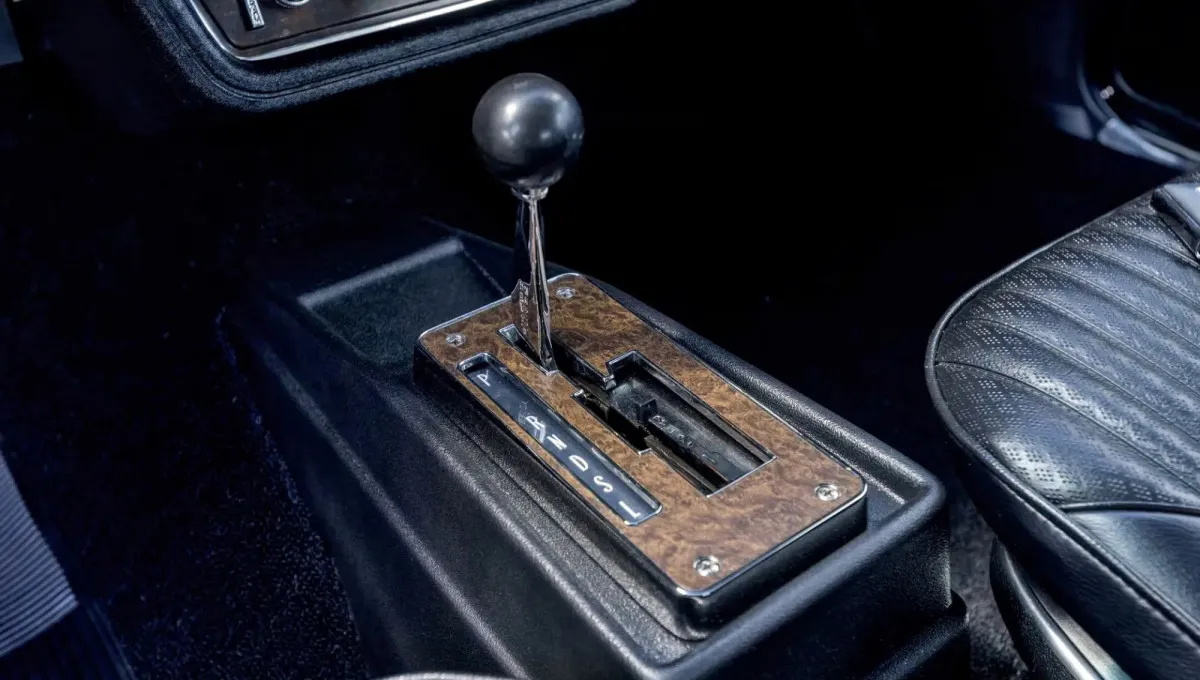
How Oldsmobile Invented a Manual Gearbox for an Automatic
Long before paddle shifters and electronic driving modes, Oldsmobile found a clever mechanical way to let drivers shift an automatic transmission themselves.
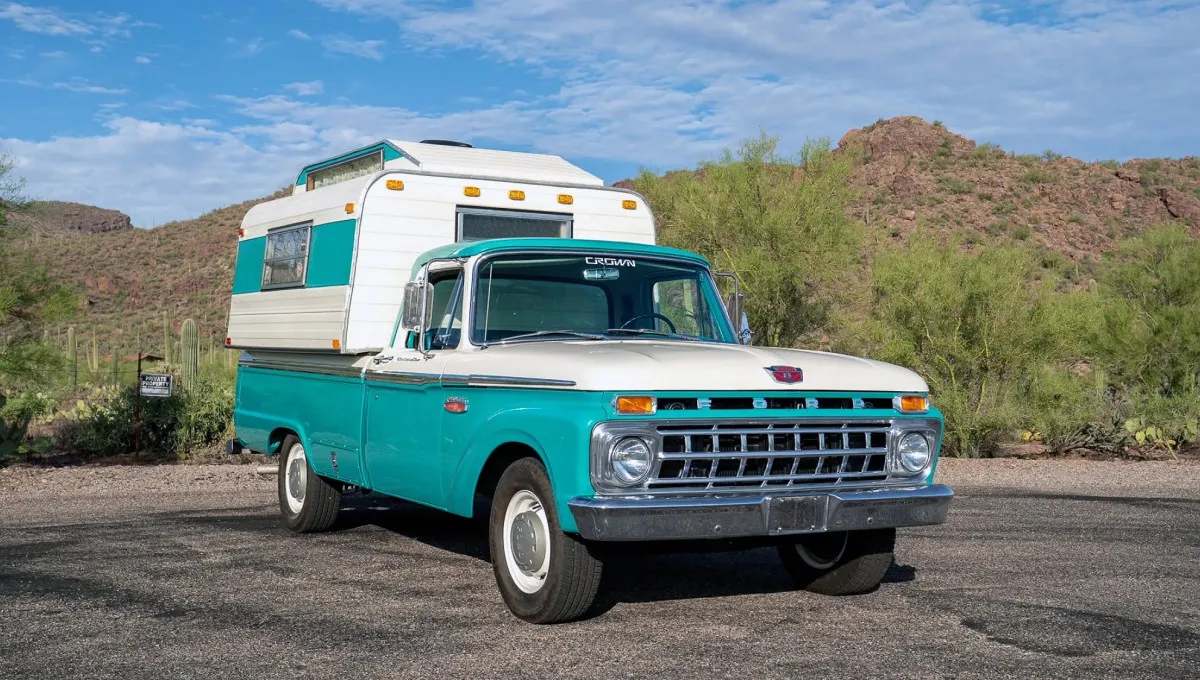
This 1965 Ford F-250 With a Mitchell & Sons Camper Is a Charming Retro Travel Companion
The 1965 Ford F-250 and Mitchell & Sons camper share colors, period styling, and compatibility.
328,000 Jeep Grand Cherokees Recalled Over a Hidden Crash Risk — Owners Should Act Now
Chrysler is recalling more than 328,000 Jeep Grand Cherokees over a rear coil spring problem that could increase the risk of a crash.
Chevrolet Raises Prices on 2027 Silverado EV and Cuts the Lineup
Chevrolet raises 2027 Silverado EV prices and cuts two trims amid weak electric-pickup demand in the market.