Porsche Cayenne Electric: Fresh Photos and Battery Details Revealed
Porsche keeps teasing the public ahead of the full debut of its upcoming all-electric Cayenne SUV.
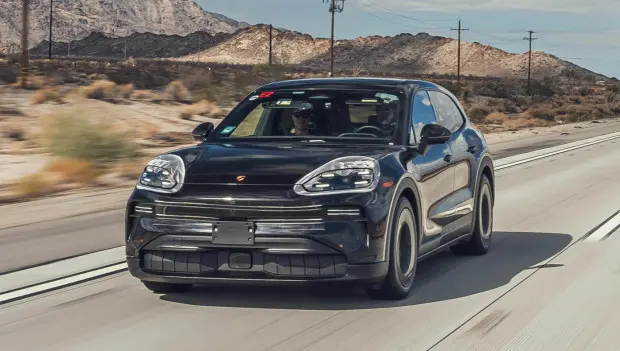
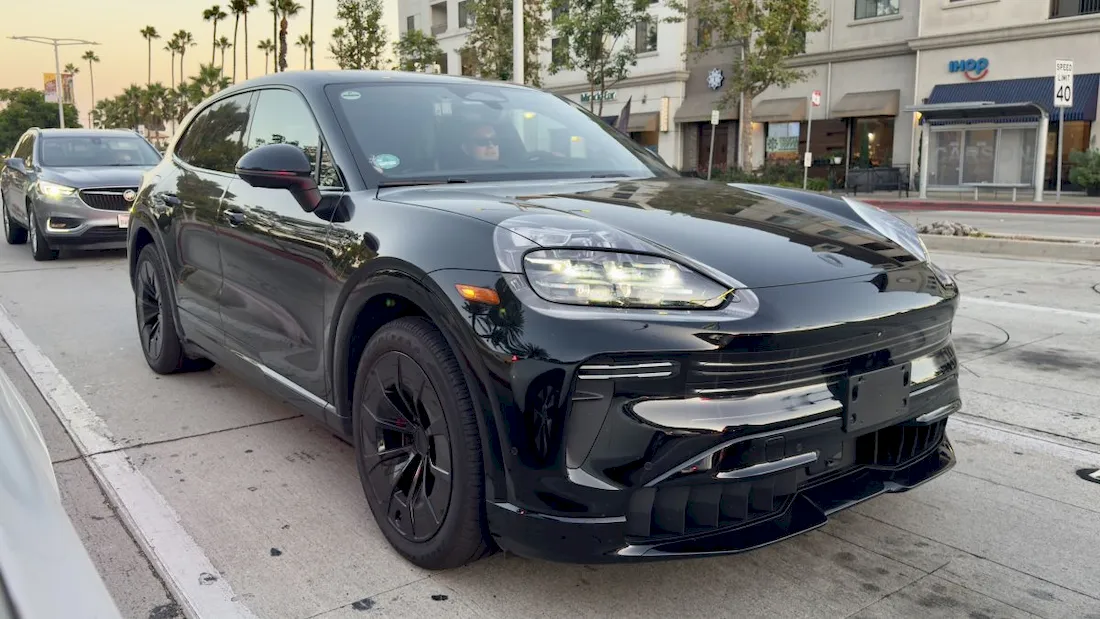
Porsche continues to build anticipation for the launch of its new electric Cayenne. As usual, the official premiere is preceded by a series of teaser events and controlled reveals meant to stir curiosity among enthusiasts. In mid-summer, the Cayenne Electric appeared wearing light camouflage, and about a month ago, the company unveiled the SUV’s digital-first cockpit. Now Porsche has shared key details about the car’s most critical component — its traction battery. Along with that came a new set of photos showing a near-production prototype almost free of disguise.
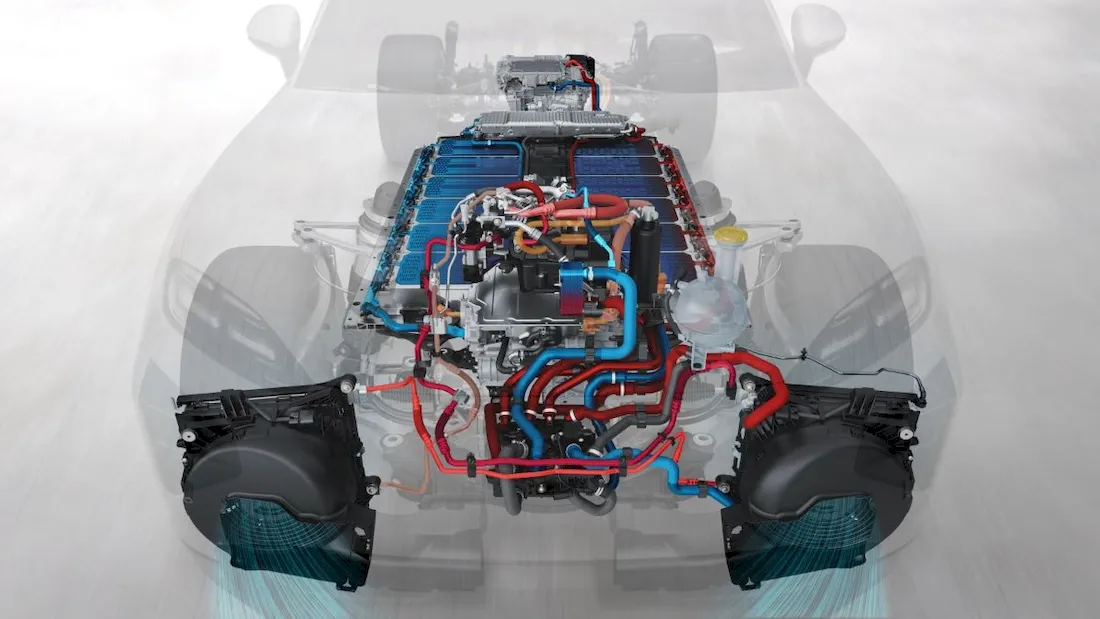
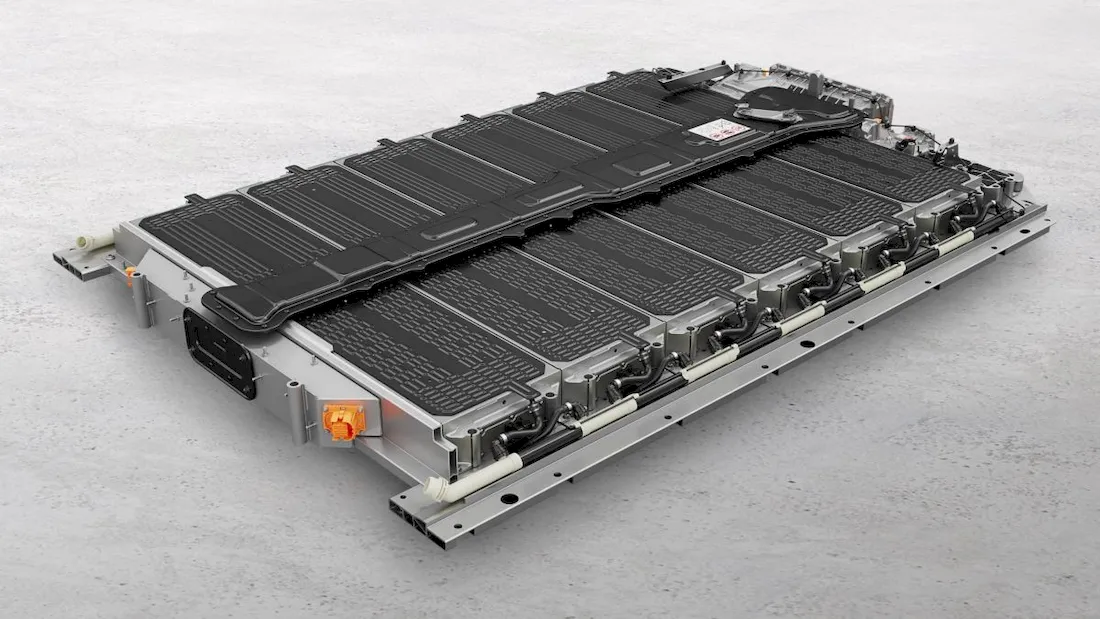
The new Cayenne Electric rides on the upgraded PPE (Premium Platform Electric) architecture, co-developed by Porsche and Audi — the same base used for the smaller Macan Electric. The SUV features an 800-volt traction battery with a nickel-manganese-cobalt-aluminum (NMCA) cathode and a graphite-silicon anode. This setup delivers high energy density and fast-charging capability. The battery pack includes 192 cells grouped into six removable aluminum modules, each replacable individually in case of malfunction. The entire battery housing is integrated into the vehicle’s body frame, improving rigidity while cutting weight.
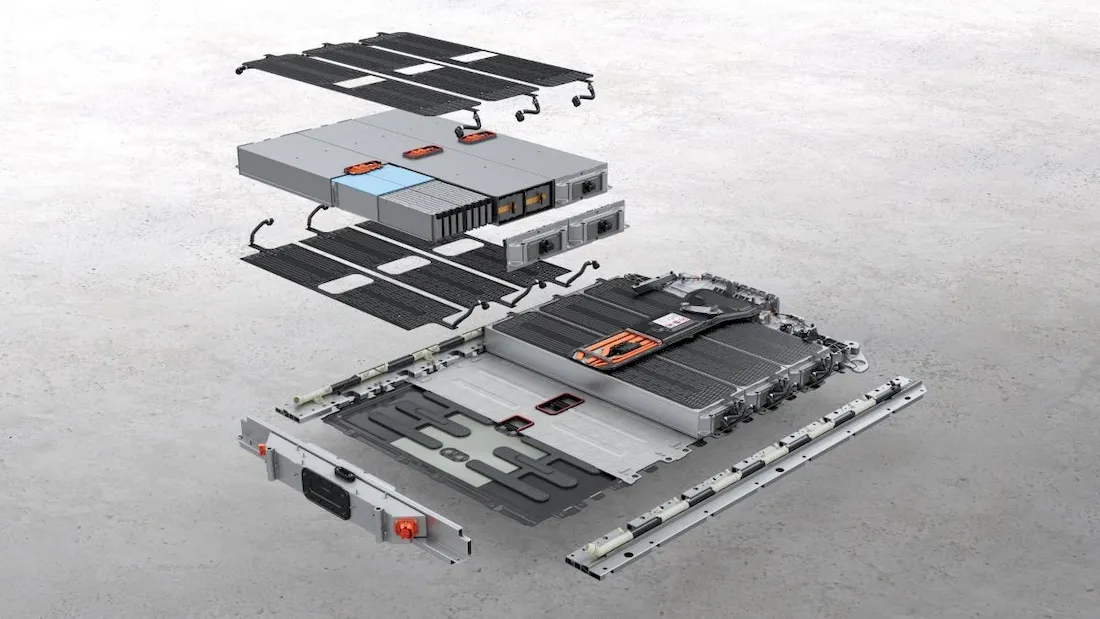
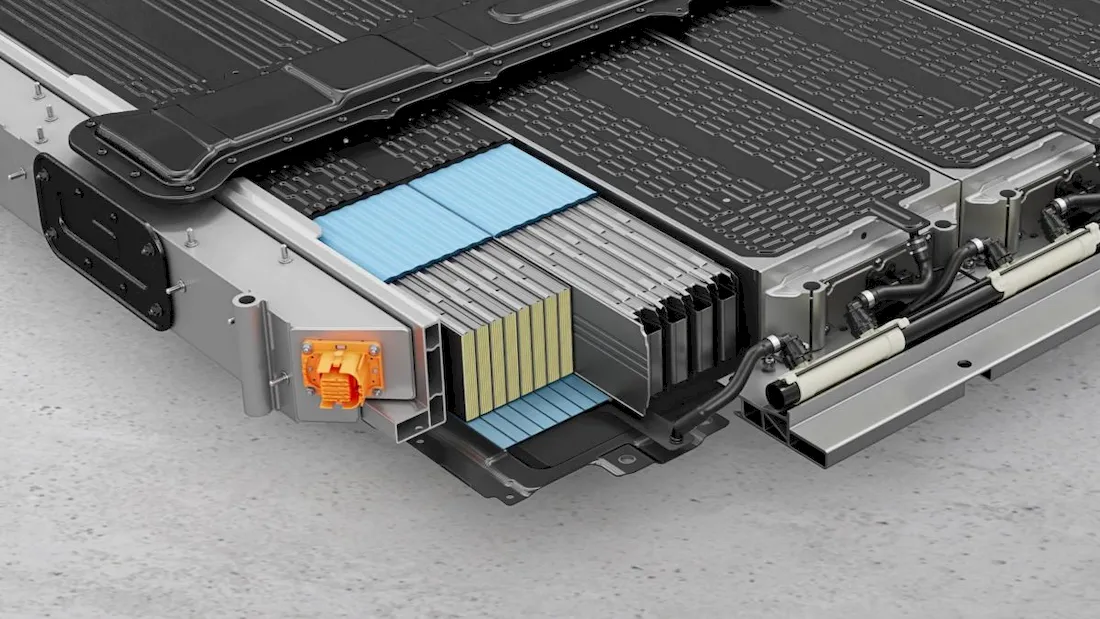
A dual-sided cooling system finely regulates battery temperature from both top and bottom surfaces. Its thermal output equals roughly that of 100 full-size home refrigerators. The predictive thermal control software prepares the battery for charging ahead of time, using onboard sensors, navigation data, and the driver’s habits.
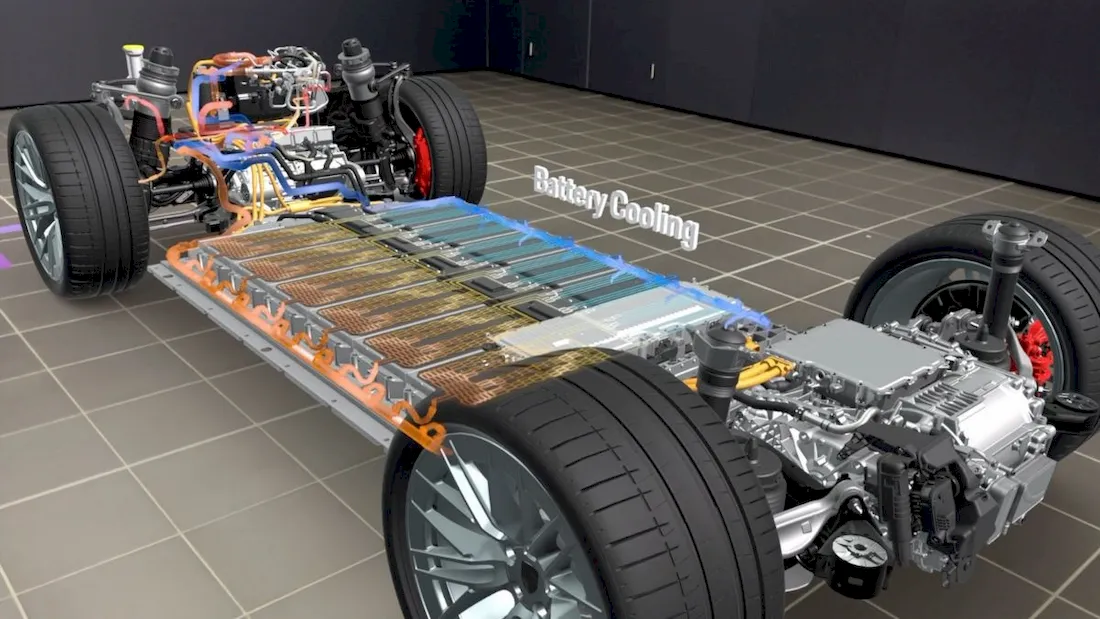
Total battery capacity is 113 kWh, giving an estimated range of over 373 miles (600 km) on the WLTP cycle. During recent highway testing with U.S. journalists, pre-production Cayenne Electrics covered about 350 miles (563 km) without recharging, cruising at a max of 70 mph (113 km/h). Peak charging power reaches 400 kW, allowing a charge from 10 to 80% in under 16 minutes.
In just 10 minutes, the car can regain about 186 miles (300 km) of range. Using 400-volt stations, charging speed drops to around 200 kW. Porsche also previewed an 11-kW wireless charging option with up to 90% efficiency. When parked, the SUV can automatically detect the inductive pad and slightly lowers its suspension to optimize energy transfer.
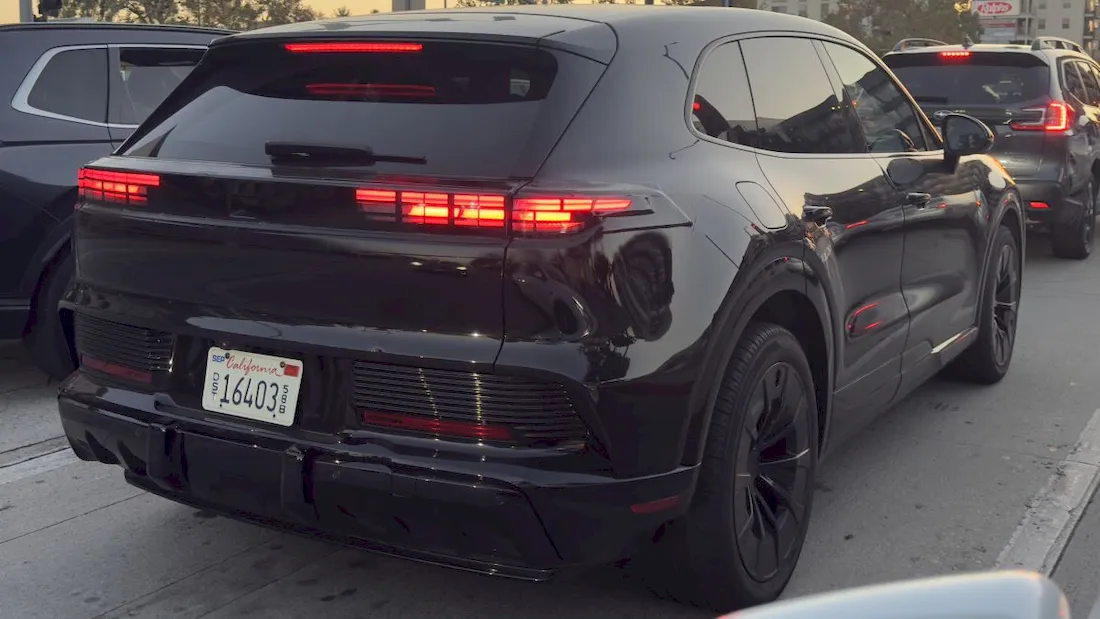
Exact output and performance specs remain under wraps. Early info suggests the top-tier version may deliver close to 986 hp and 1,106 lb-ft (1500 Nm) of torque, compared to the current plug-in Cayenne’s 739 hp. Acceleration from 0–62 mph (0–100 km/h) is expected to take about three seconds. An advanced suspension with active anti-roll bars is also in the works.
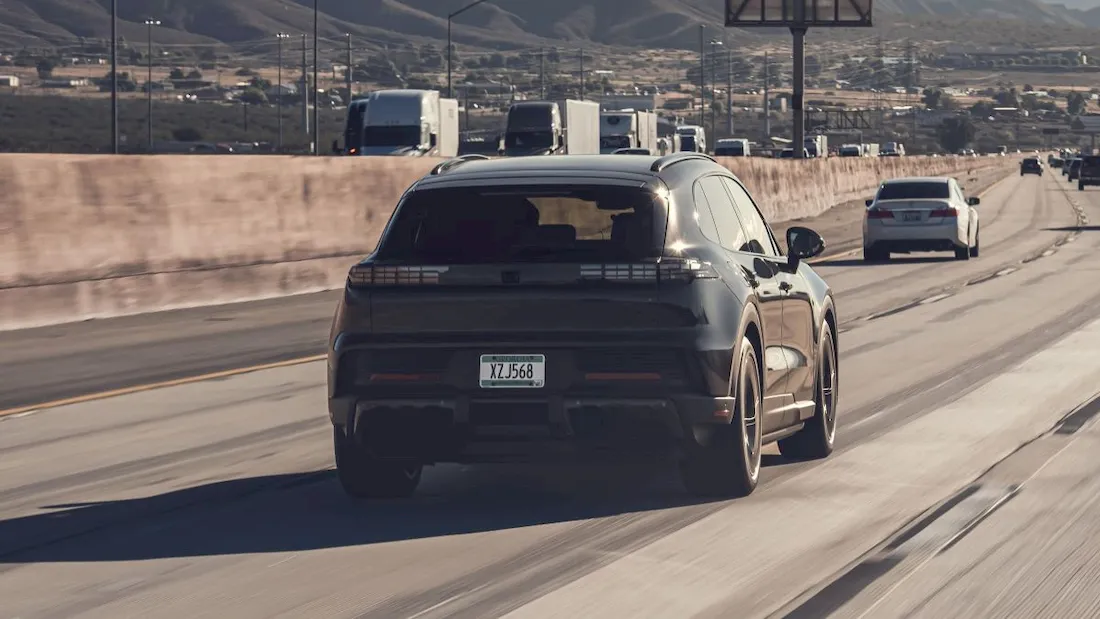
The official debut of the Porsche Cayenne Electric is said to be just weeks away, though the brand still hasn’t disclosed an exact date. Enthusiasts will hav to wait a bit longer — but the wait looks worth it.
You may also be interested in the news:
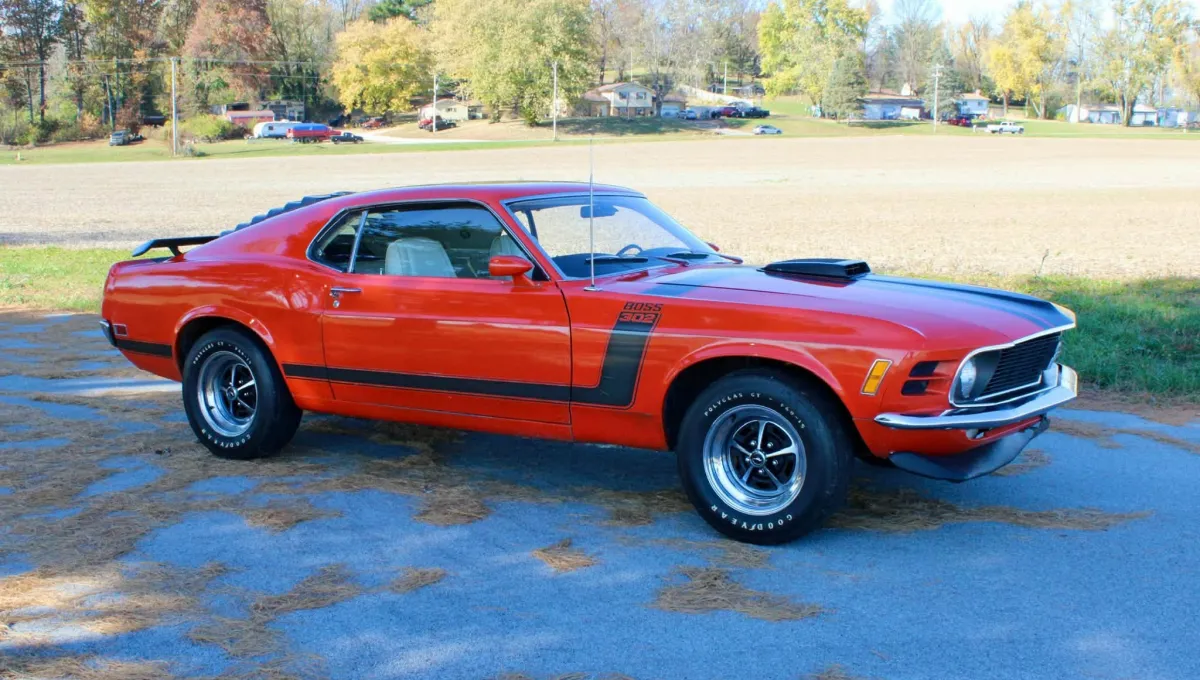
Original-Paint 1970 Mustang Boss 302 Pairs Calypso Coral With a Rare White Interior
Original paint, a white interior, and documented options distinguish this preserved 1970 Mustang Boss 302.
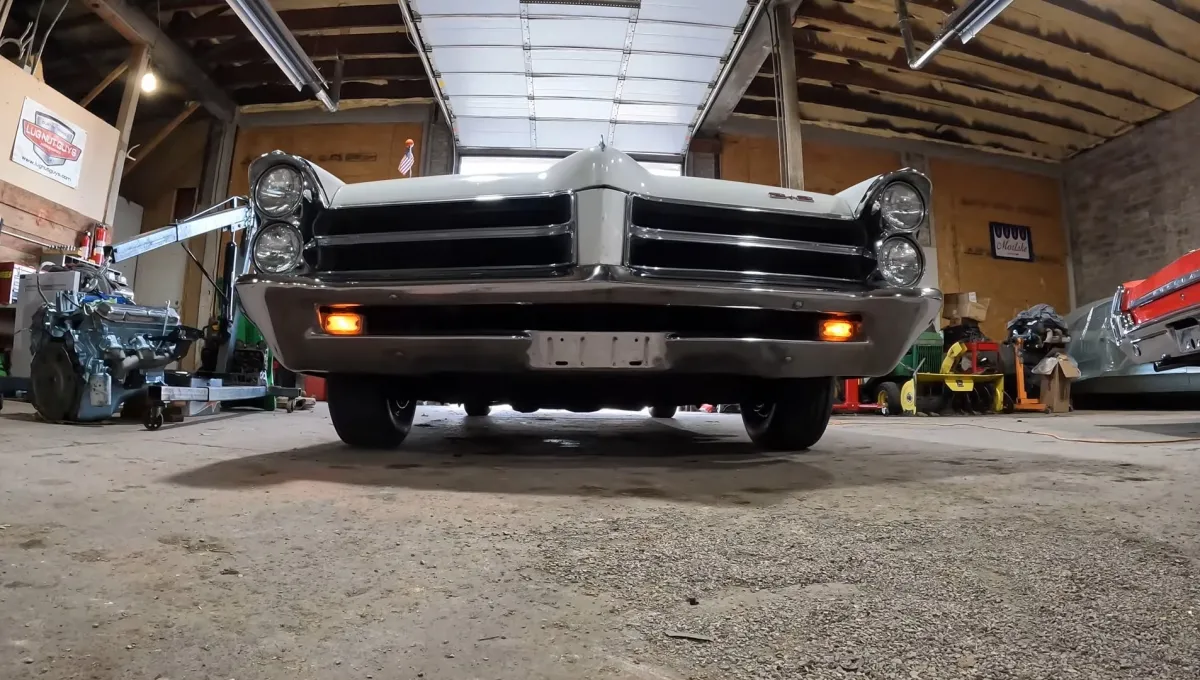
1965 Pontiac Catalina 2+2 Returns to the Road With Its Original 421 V8
After decades with one family, this Pontiac 2+2 needed brake repairs before returning to service.
Driver Assist Test: Who Actually Helps and Who Just Grates on Your Nerves
Electronic driver aids are now a fixture of modern cars. Since 2024, the European Union has required key safety systems in new vehicles. But having those features on the equipment list is one thing; making them useful is another.

Toyota Prepares Updated Diesel Land Cruiser 250 for Japan
Toyota is preparing to resume diesel Land Cruiser 250 sales in Japan after a lengthy pause, with an update aimed at a growing challenge from the revived Mitsubishi Pajero.