
Stellantis, Nvidia, and Uber Gear Up for a Global Leap: Robotaxis Set to Hit the Streets
The robotaxi market is stirring once again. Auto giants that previously scaled back their autonomous vehicle projects due to high costs and safety concerns are now revisiting the idea of driverless rides.
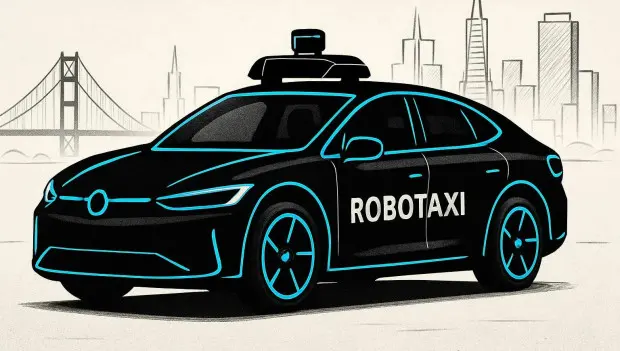
The robotaxi sector is showing signs of life again, with major automakers returning to the autonomous ride market after putting earlier projects on hold over expenses and safety issues. Stellantis, the company behind Jeep, Dodge, Ram, and Chrysler, has announced a major alliance with Nvidia, Foxconn, and Uber, aiming to build its own network of robotaxis integrated into Uber’s platform.
Here’s how the project is structured: Stellantis will focus on producing new models, including the midsize K0 van and the compact STLA platform, both ready for deployment and adaptable to different tasks and passenger capacities. Nvidia will provide the brains behind the operation, offering its Drive AGX Hyperion 10 architecture and DriveOS software for autonomous functionality. Foxconn, widely known as Apple’s iPhone manufacturer, will handle the hardware and system integration, though details of its exact contribution remain unclear. Notably, Foxconn has made multiple attempts to enter the automotive market, but its partners have often faced financial hurdles.
Stellantis plans to begin production of these autonomous vehicles by 2028. Uber intends to roll out an initial batch of 5,000 vehicles on U.S. roads before expanding to additional locations, though specific cities and timelines have not been announced.
It’s important to note that these partnerships often resemble traditional supplier-automaker deals, even when presented as strategic alliances. Nvidia, for instance, collaborates with other automakers such as GM and Lucid. Uber, meanwhile, is not limiting itself to a single brand—it plans to deploy robotaxis from various manufacturers on its platform, including Waymo and Volkswagen. Stellantis is also actively developing third-level partial autonomy systems and has a partnership with Pony.ai.
You may also be interested in the news:
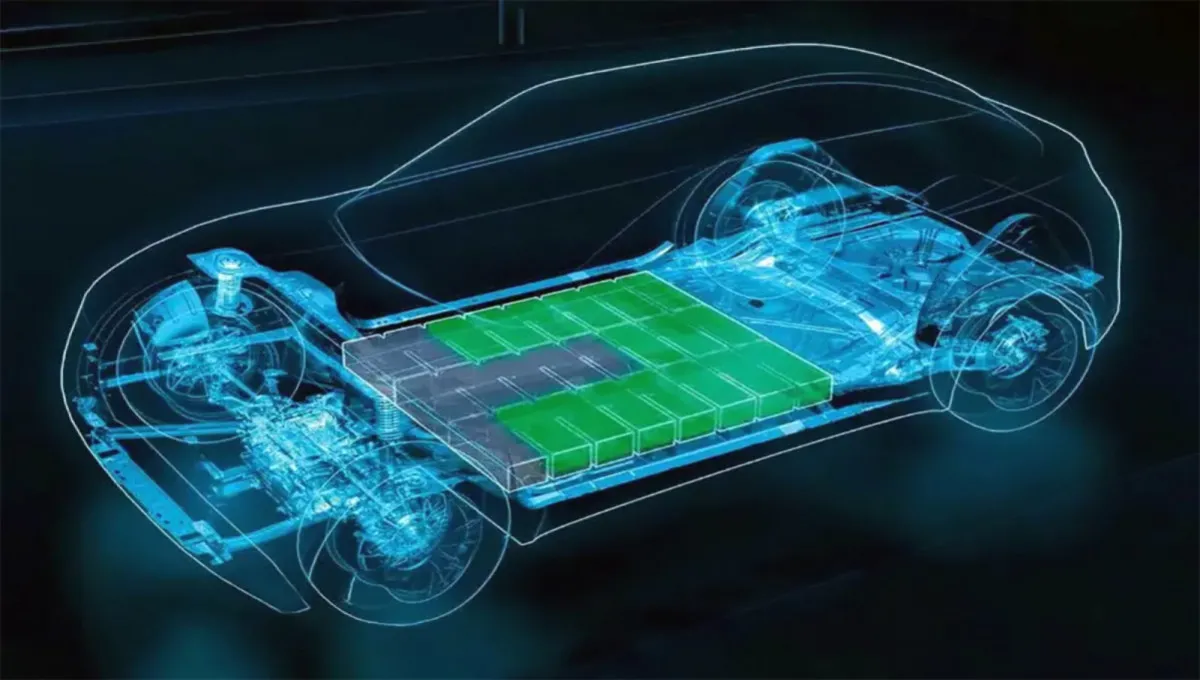
Stellantis Patents System That Lets an EV Drop Its Battery and Drive Away
A new patent details an emergency system that could let an EV disconnect its high-voltage battery and move away from danger.
Stellantis Just Revealed Nine New Cars Under $40,000 — And Two Could Cost Less Than $30K
Stellantis plans nine cheaper vehicles as high prices leave American shoppers with fewer affordable new-car choices.
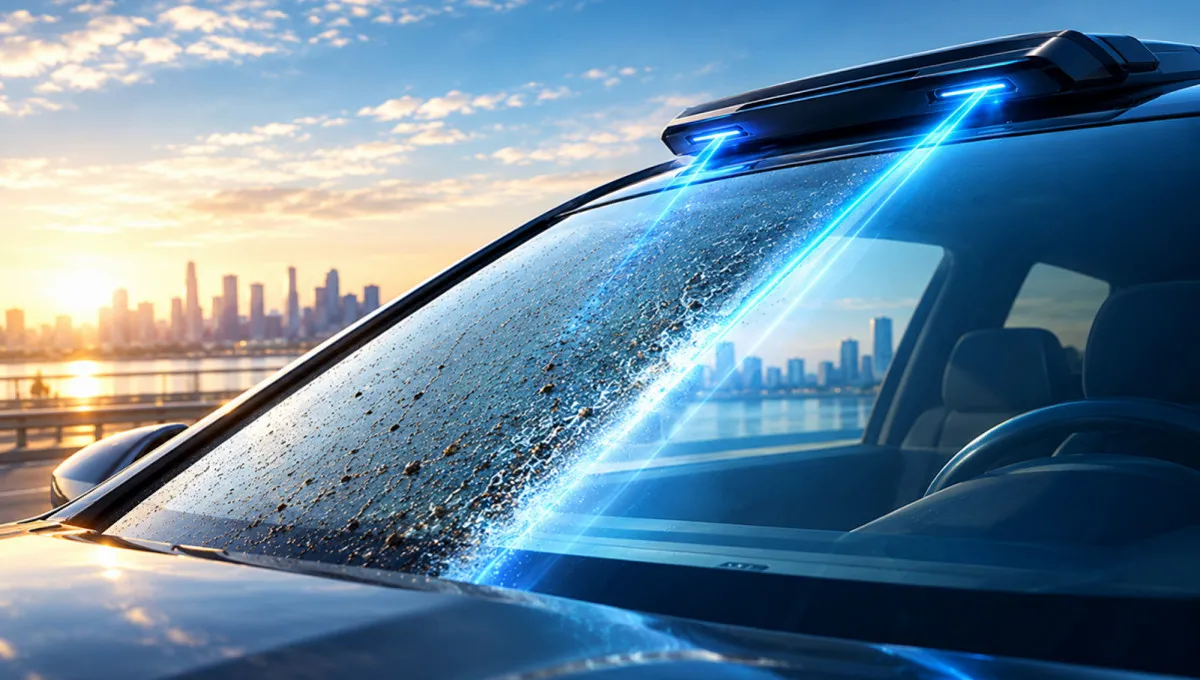
Tesla Patents Laser Windshield Wipers Again in 2026
Tesla is once again pursuing laser windshield cleaning, but the technology raises serious questions about cost, reliability and safety.

Forget the Key Fob: Apple Car Key Could Soon Expand to More Vehicles
Apple and automakers have yet to reveal the exact models or launch dates for the expanded digital-key feature.
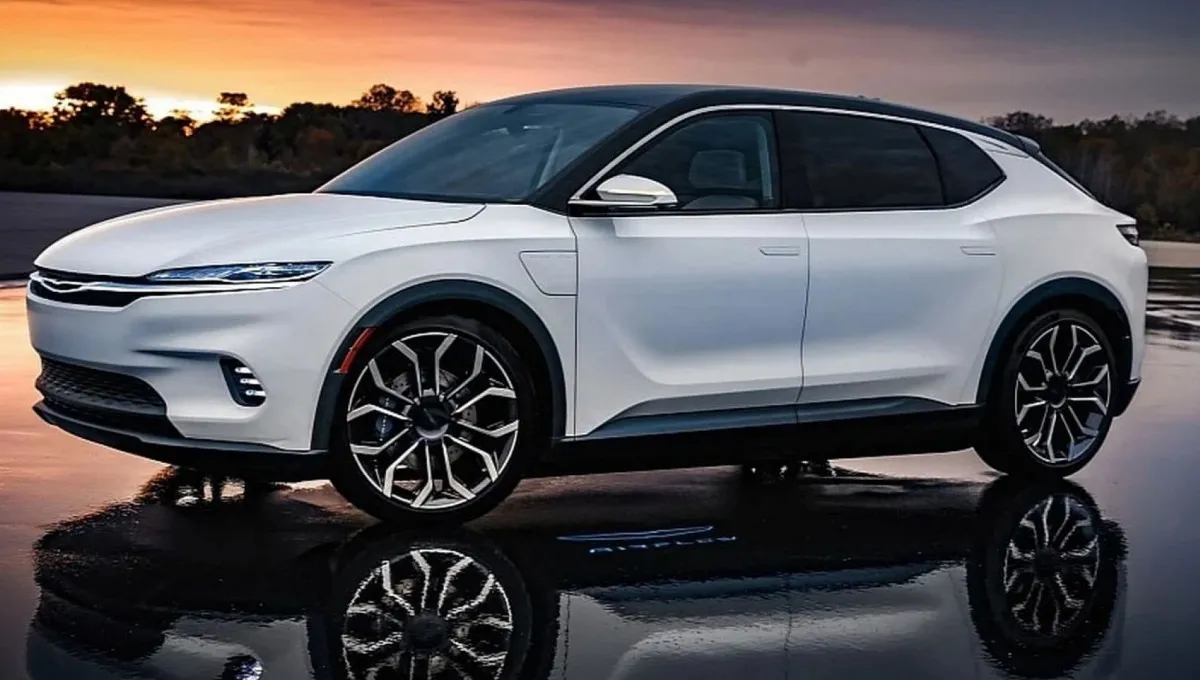
Chrysler Will Shift to Affordable SUVs as the Company Overhauls Its Strategy
The head of Stellantis announced a historic shift in how Chrysler is positioned. The American company is moving away from expensive vehicles and will focus on affordable models.