
U.S. Investigators Probe Tesla’s Door Handles After Parents Reported Being Unable to Save Trapped Children
Tesla is facing fresh scrutiny from U.S. federal investigators, who have ramped up pressure on the automaker to explain ongoing issues with its electronic door handles.
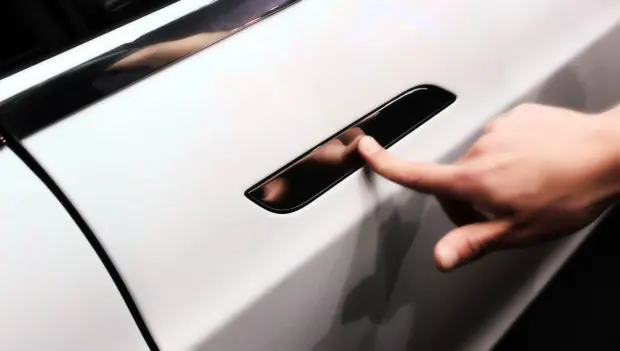
In recent weeks, Tesla has found itself at the center of a new controversy as federal safety regulators intensify their probe into potential malfunctions in the company’s electronic door handles. The National Highway Traffic Safety Administration (NHTSA) has sent Tesla a formal request demanding internal documents that could reveal the scope of the defect. The move follows alarming reports from parents who said they were unable to open the doors and rescue their children trapped inside the vehicles.
Since the investigation began in September, the number of complaints from Tesla owners has continued to rise — from nine initially to sixteen today. The issue appears to stem from a failure of the 12-volt battery system: when it loses power, the rear doors on the Model Y reportedly cannot be opened from the outside. This poses a serious risk when small children are inside, as such situations can quickly turn dangerous.
Although Tesla vehicles include a manual emergency latch to open doors from the inside, it’s not always accessible — particularly when a child is strapped into a car seat. One reported incident in Florida described parents calling emergency responders after being unable to open their Model Y in 80-degree heat. Firefighters eventually broke a window to reach the child, who was later hospitalized with signs of overheating and irregular vital signs.
Other owners have reported similar experiences, saying they had to wait long periods for the car’s power to return or resort to breaking windows themselves. Investigators believe there could be more unreported cases.
In its latest request, NHTSA has ordered Tesla to hand over a full set of records — including customer complaints, dealer reports, details on accidents, fires, injuries, property damage, warranty claims, lawsuits, design changes, and results of internal safety tests. The agency is focusing primarily on the 2021 Model Y but is also reviewing the 2020 and 2022 Model Y, along with Model 3 vehicles produced between 2017 and 2022.
If regulators determine that the malfunction poses a genuine safety hazard, Tesla could be forced to issue a large-scale recall affecting millions of cars to correct the problem.
You may also be interested in the news:
5 of the Most Beautiful Chevrolet Cars: Timeless Designs With Stunning Silhouettes
Which Chevrolet models deserve to be called the most beautiful?
Nissan Restarts US-Made Murano, Pathfinder, Frontier Sales in Canada
Nissan resumed Canadian sales of three U.S.-built models, but tariffs keep supply below earlier levels.
41,748 Ford SUVs and Trucks Recalled—Your Headlights Could Suddenly Stop Working
Ford recalls 41,748 vehicles after contaminated LED chips threaten required headlight performance on newer models.
The Sheriff Knew She Was Speeding—Then This Blonde Driver Turned the Ticket Against Him
A sheriff pulls over a Ferrari for speeding, but the driver's bizarre logic quickly turns the traffic stop against him.
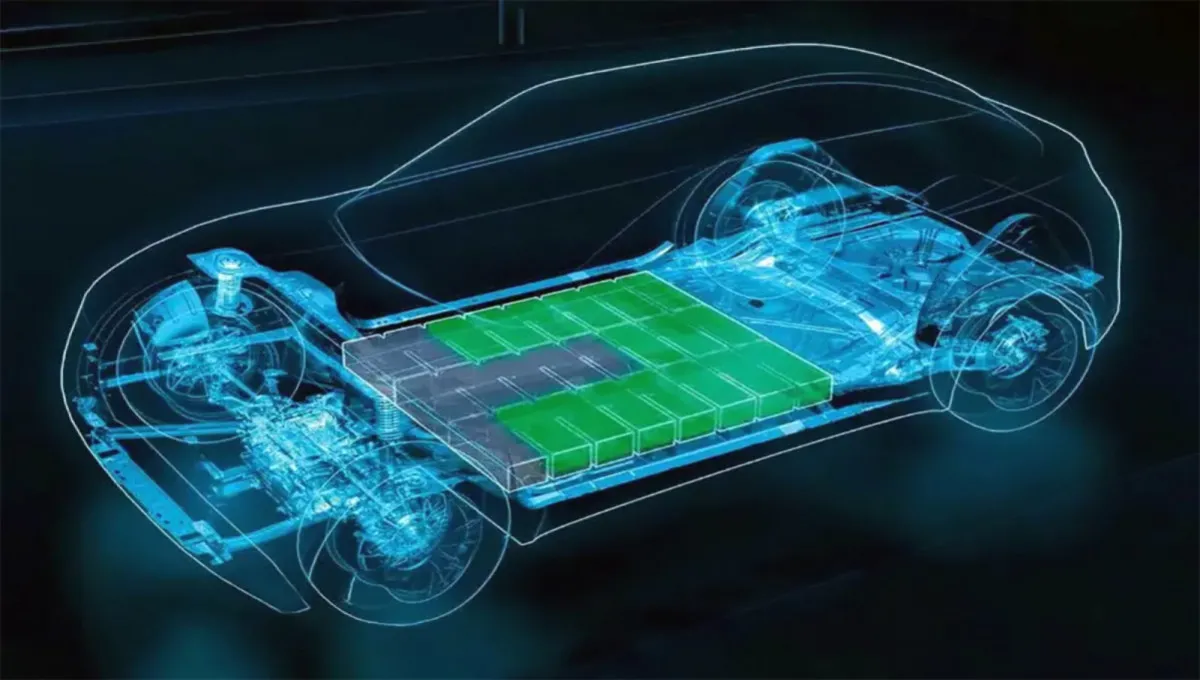
Stellantis Patents System That Lets an EV Drop Its Battery and Drive Away
A new patent details an emergency system that could let an EV disconnect its high-voltage battery and move away from danger.