
Why You Should Use the “O/D Off” Button on Your Automatic Transmission: Hidden Functions Explained
Drivers should remember that keeping the “O/D Off” light on all the time increases fuel consumption.
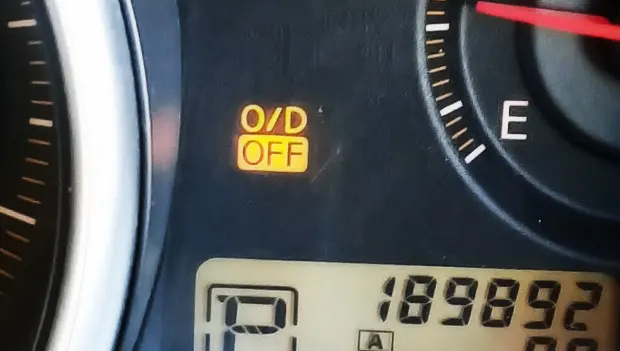
Many drivers don’t actually know what the “O/D Off” button on their automatic gear selector does. As mechanics explain, this button controls the overdrive mode — the transmission’s highest gear. When overdrive is engaged, the transmission shifts into a higher ratio, which helps the car cruise smoothly and save fuel on the highway. However, experts warn that this mode shouldn’t be left on all the time.
The “O/D Off” button is most often used when quick acceleration is needed — for example, during overtaking. When overdrive is turned off, the transmission won’t shift into its highest gear, staying instead in a lower and more powerful range. This gives the engine better response and more torque without forcing the driver to press the gas pedal too hard. It’s also a handy feature for city driving, where frequent stops and starts are common. Disabling overdrive prevents constant shifting between third and fourth gears, reducing wear on transmission components and making acceleration smoother.
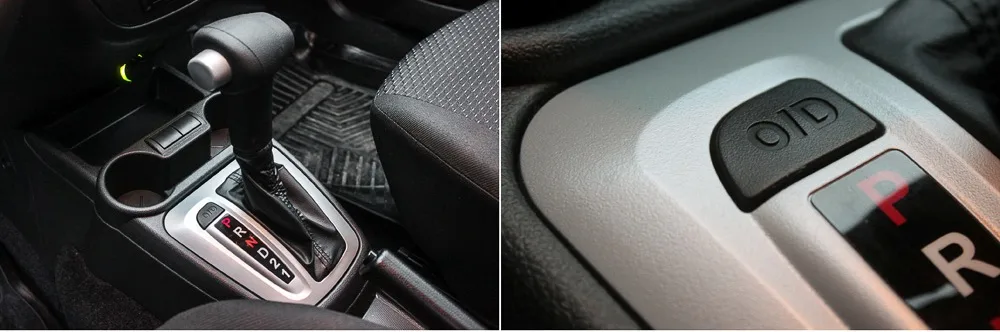
The mode becomes even more useful when driving on long, hilly roads. On an uphill stretch, turning off overdrive helps the engine maintain power and prevents gear hunting. On descents, it provides engine braking, reducing the load on the brakes and improving control of the vehicle.
Drivers should keep in mind that driving with the “O/D Off” indicator constantly on leads to higher fuel consumption and increased engine RPM. After completing a passing maneuver or driving through a challenging section of road, it’s best to turn overdrive back on to restore normal transmission operation for more comfortable and fuel-efficient driving. Following this practice can also extend the life of your automatic transmission.
You may also be interested in the news:
When the First Freeze Hits, Put Newspaper Under Your Floor Mat: An Old Winter Driving Trick
Newspaper under a floor mat can help protect a car's floor from winter moisture, but it requires regular attention.
How a Repair Shop Can Overcharge You: What Every Driver Should Know
An experienced mechanic knows how to increase a repair bill, and drivers should know what to watch for before approving work.
How to Find the Source of a Car Interior Rattle in 15 Minutes
A simple trick can help drivers pinpoint an annoying interior rattle without taking apart half the cabin or visiting a repair shop.
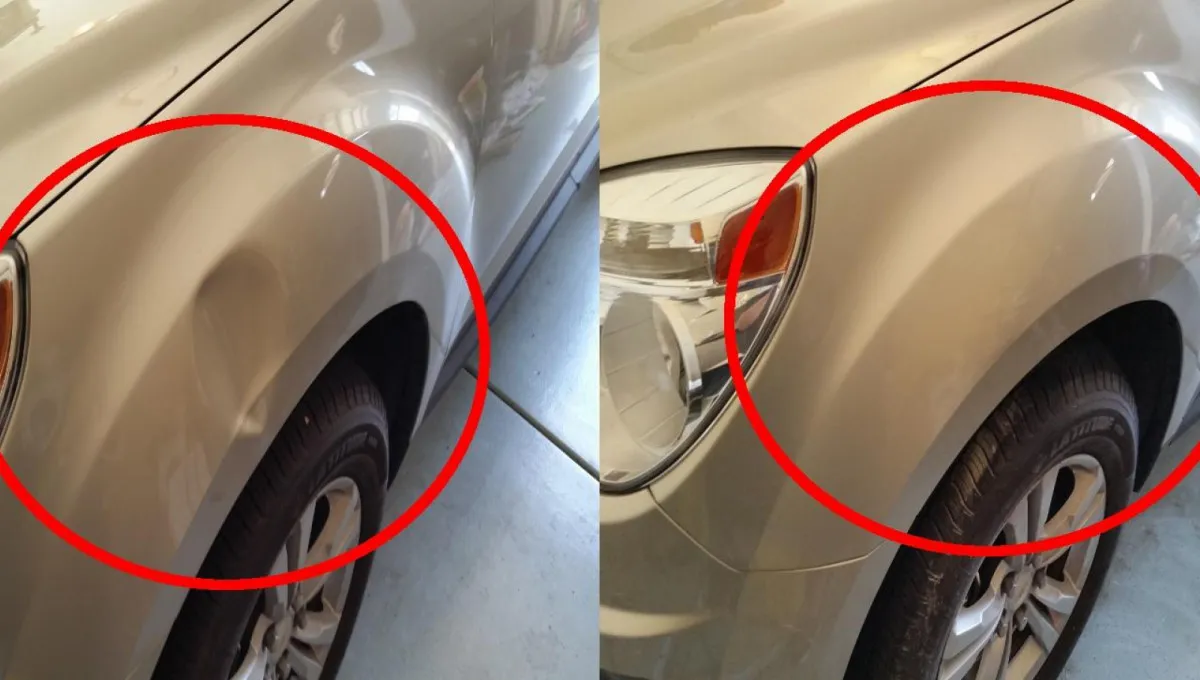
The Dent Can Disappear Without a Trace: How to Repair Car Body Damage Without Paint
Paintless dent repair can restore a damaged panel to its original shape, but only when certain conditions are met.

What Does a Flashing Red Traffic Light Mean? Can You Keep Driving?
Drivers must come to a complete stop at the stop line before deciding whether it is safe to proceed.