
Former Intel Employee Stole 18,000 Secret Files After Being Fired — Company Demands $250K in Compensation
Intel is facing a major scandal
Intel is dealing with a serious internal scandal after a former employee allegedly stole thousands of confidential files. Jinfen Luo, who worked at the company since 2014, was recently laid off. According to Intel, after receiving his termination notice, Luo didn’t leave empty-handed.
During his final days, he tried to copy files from his corporate laptop to an external drive, but Intel’s security system blocked him. A few days later, however, Luo reportedly found a way around the restrictions and transferred roughly 18,000 files to another device, including documents marked “Top Secret.” Intel’s internal audit team quickly investigated and identified him as the culprit.
Intel didn’t wait. The company filed a lawsuit seeking $250,000 in damages and a court order to prevent Luo from sharing the stolen information. The company had struggled to reach him at his Seattle address, and so far, Luo has not made any public comments.
This case is a wake-up call for Intel. The theft involves highly sensitive data, and it highlights risks tied to layoffs and employee dissatisfaction. How it will end remains unclear, but for Team Blue, it’s a serious headache.
Intel and the U.S. Auto Industry
Intel is also pushing to make cars smarter and safer. In the U.S., it offers platforms for software-defined vehicles (SDVs) that combine powerful processors, AI, graphics, and cloud technology. These systems let automakers develop new models faster and more efficiently. Cars can assist drivers, customize passenger interfaces, and undergo virtual testing before hitting the road.
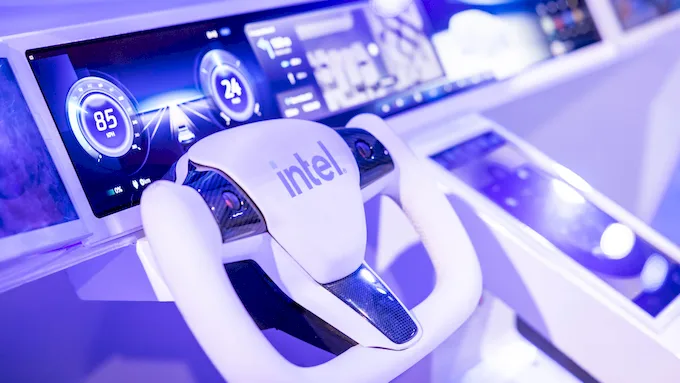
Beyond technology, Intel partners with automakers and startups to speed up the move to electric and smart vehicles. The company is developing new chips to make automotive electronics more flexible and scalable. It also promotes open standards, making it easier for manufacturers to integrate Intel’s tech. This helps U.S. automakers bring smarter, feature-packed vehicles to market faster while cutting development costs and risks.
You may also be interested in the news:
5 of the Most Beautiful Chevrolet Cars: Timeless Designs With Stunning Silhouettes
Which Chevrolet models deserve to be called the most beautiful?
Nissan Restarts US-Made Murano, Pathfinder, Frontier Sales in Canada
Nissan resumed Canadian sales of three U.S.-built models, but tariffs keep supply below earlier levels.
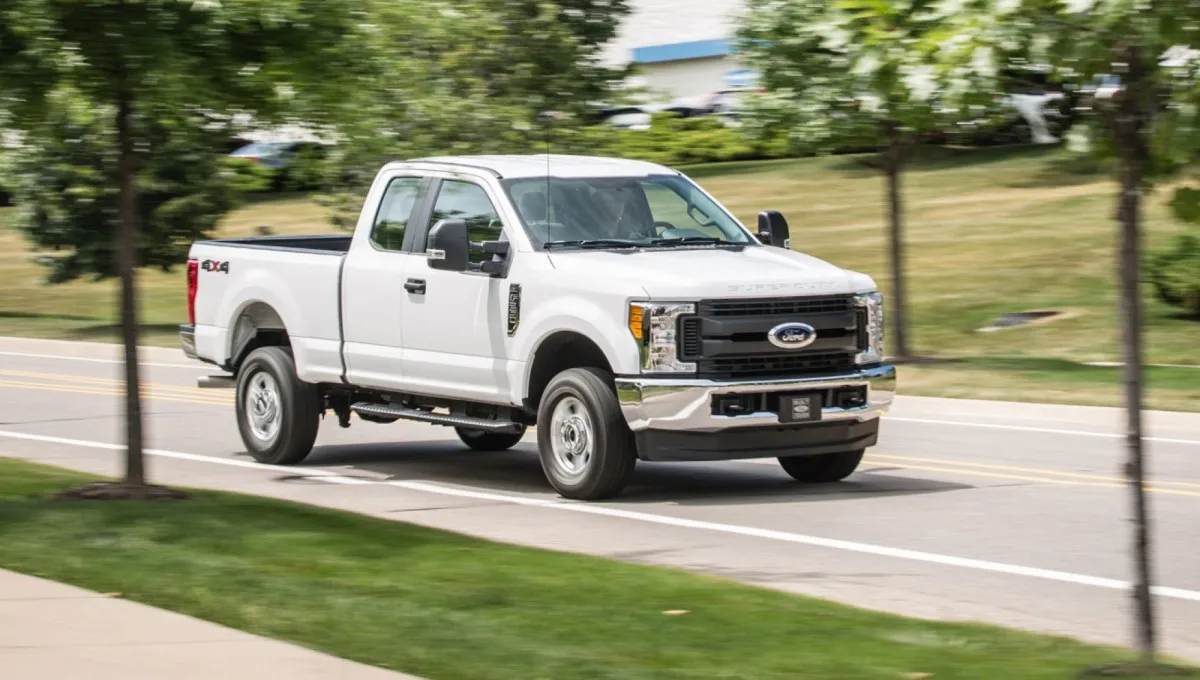
41,748 Ford SUVs and Trucks Recalled—Your Headlights Could Suddenly Stop Working
Ford recalls 41,748 vehicles after contaminated LED chips threaten required headlight performance on newer models.

The Sheriff Knew She Was Speeding—Then This Blonde Driver Turned the Ticket Against Him
A sheriff pulls over a Ferrari for speeding, but the driver's bizarre logic quickly turns the traffic stop against him.
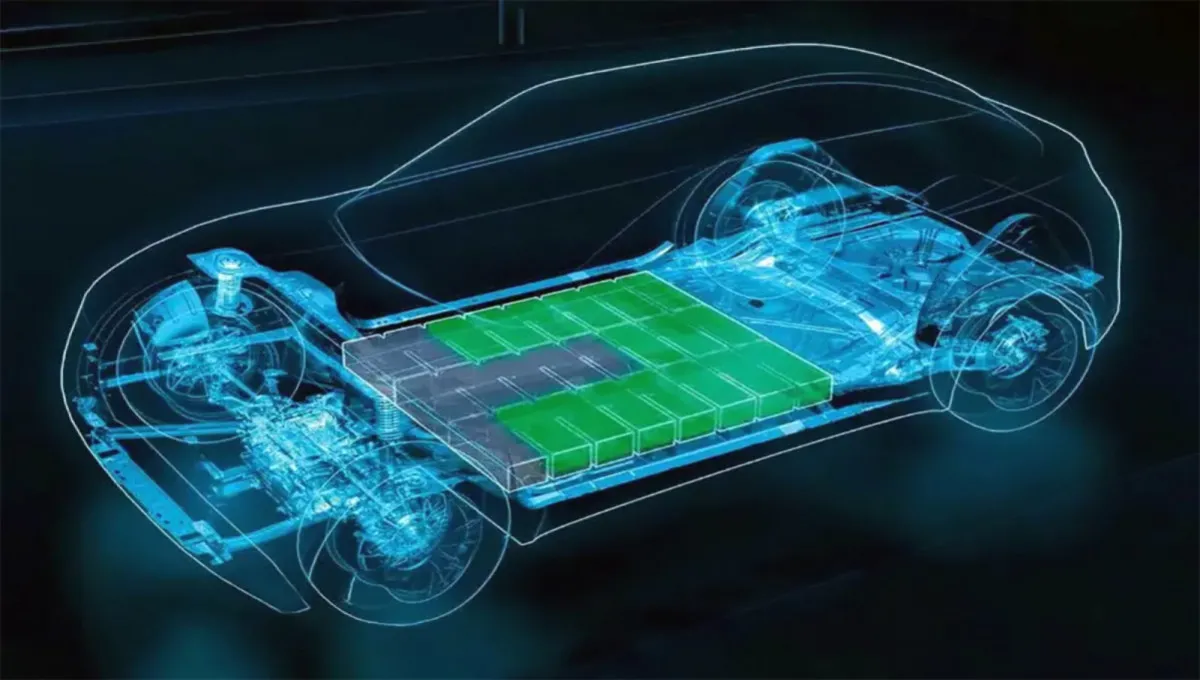
Stellantis Patents System That Lets an EV Drop Its Battery and Drive Away
A new patent details an emergency system that could let an EV disconnect its high-voltage battery and move away from danger.