
Starts on November 2 at 2:00 a.m.: what every American driver should know
Every fall, millions of Americans face the same small seasonal ritual: adjusting the clock in their car.
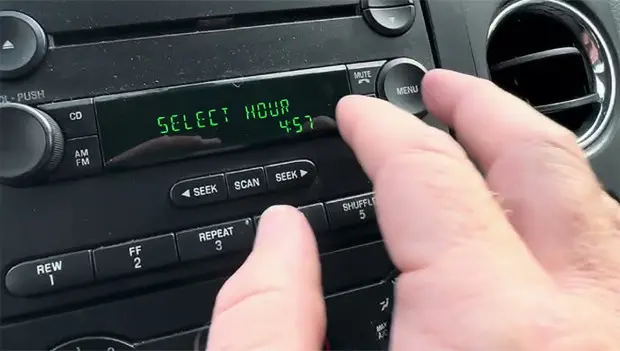
Every autumn, as the country prepares to “gain an extra hour of sleep” on the first Sunday of November, drivers across the U.S. are once again reminded to reset the time on their dashboards.
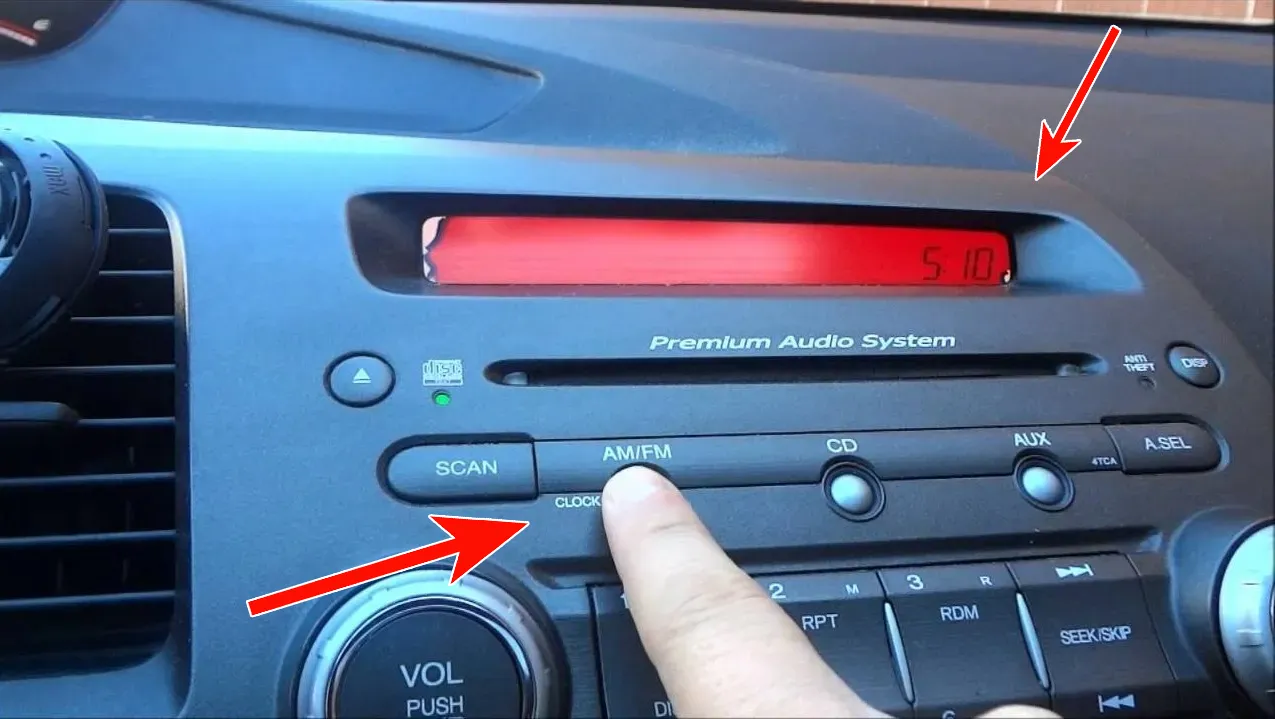
For owners of cars from the ’90s and early 2000s, that simple task can turn into a real puzzle. The “CLK,” “H,” or “M” button might be tucked away on the radio, hidden near the climate controls, or sitting somewhere along the steering column. And once it’s found, the guessing game begins: hold it down or tap it? Press two buttons at once? Turn the key to ACC, but don’t start the engine?
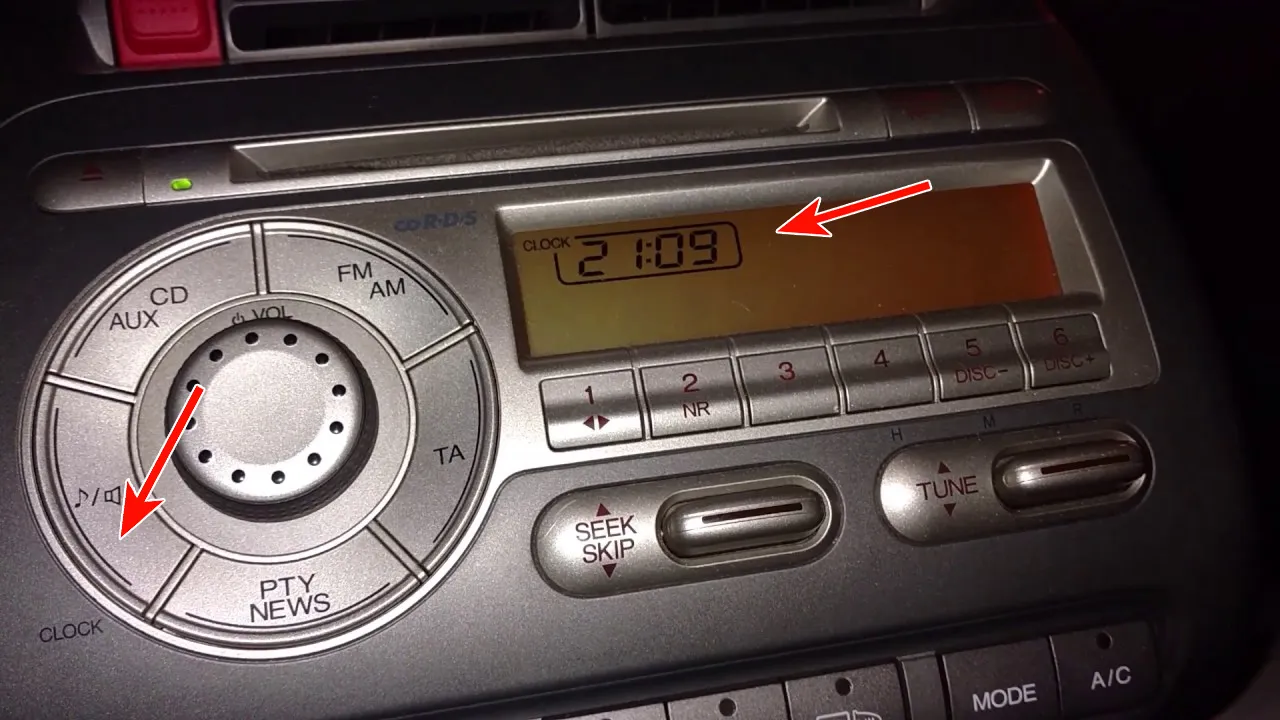
Drivers of older Hondas and Acuras know this pain especially well — on some of those models, the clock is adjusted through the “SOUND” button. Forget the sequence once, and you may find yourself digging through the glovebox for the original owner’s manual all over again.
Touchscreens and Modern Infotainment
Newer systems — like Tesla’s interface, Ford SYNC, or Chevrolet MyLink — have made the process far simpler. The path usually looks something like Settings → General → Clock → Set Time, and most drivers can figure it out in seconds.
Still, there are caveats. Layered menus can be distracting while driving, and some cars won’t allow time adjustments unless the vehicle is in Park. And if your car uses two separate displays — a main screen and a digital instrument cluster — each one may need to be set individually.
The most convenient setups are found in vehicles with GPS or built-in internet: those clocks reset automatically based on your time zone. Budget models, however, often still rely on manual adjustments — full auto-sync requires extra hardware, and not every trim level has it.
It may seem like a one-hour difference isn’t a big deal, but it can easily throw off a morning routine, scheduled meetings, or trip logs. For drivers who depend on onboard computers, accurate time matters more than it might appear.
When the U.S. Switches to Standard Time
Across most of the country, clocks “fall back” one hour on the first Sunday of November. In 2025, the switch takes place on November 2.
The fall time change has become a small seasonal chore for American drivers. And while modern tech is increasingly doing the work for us, it’s still worth glancing at the dashboard — and, if necessary, grabbing the owner’s manual and a bit of patience.
You may also be interested in the news:
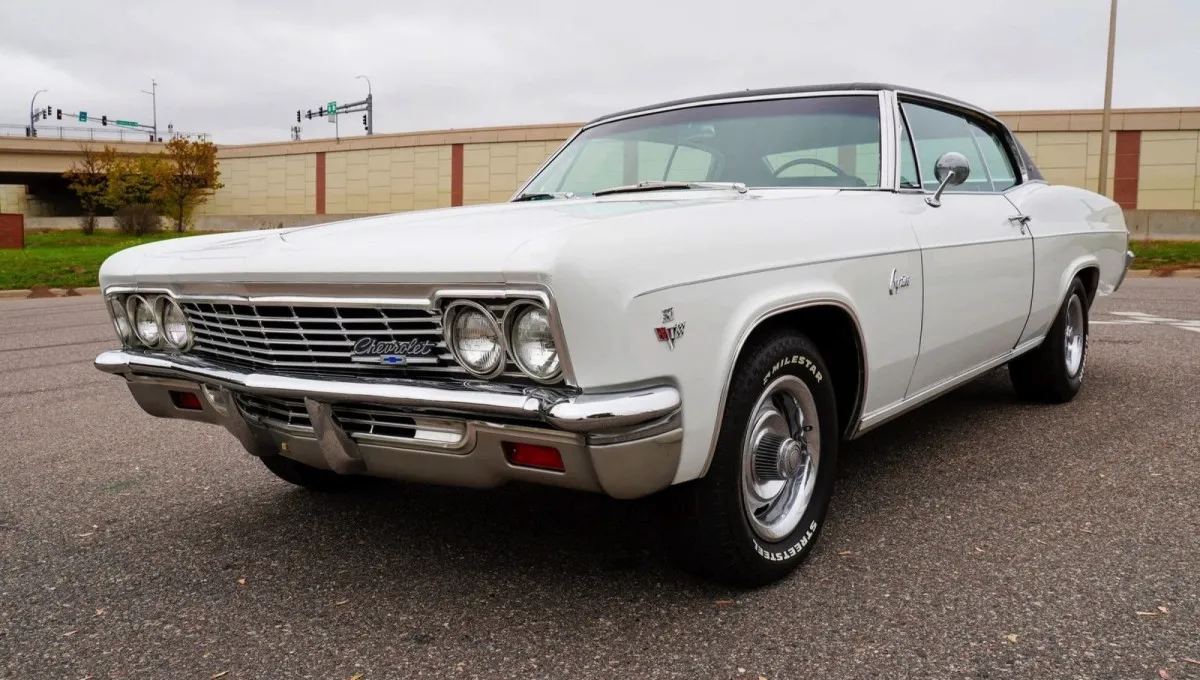
Restored 1966 Chevy Caprice Looks Showroom-Fresh, but Those 13K Miles Don't Tell the Whole Story
This restored 1966 Chevrolet Caprice looks road-ready, but its 13,000-mile odometer reading comes with an important catch.

The 1960 Chevrolet Pickup: The Biggest Thing to Happen to Trucks Since Trucks Were Invented
Chevrolet unveiled an all-new pickup for 1960, calling it “the most important news since trucks came into being!”

Windshield Washer Fluid Frozen in the Reservoir? Here’s How to Thaw It
A frozen washer system can catch drivers off guard, especially when a cold morning reveals that yesterday’s windshield washer suddenly stopped working.
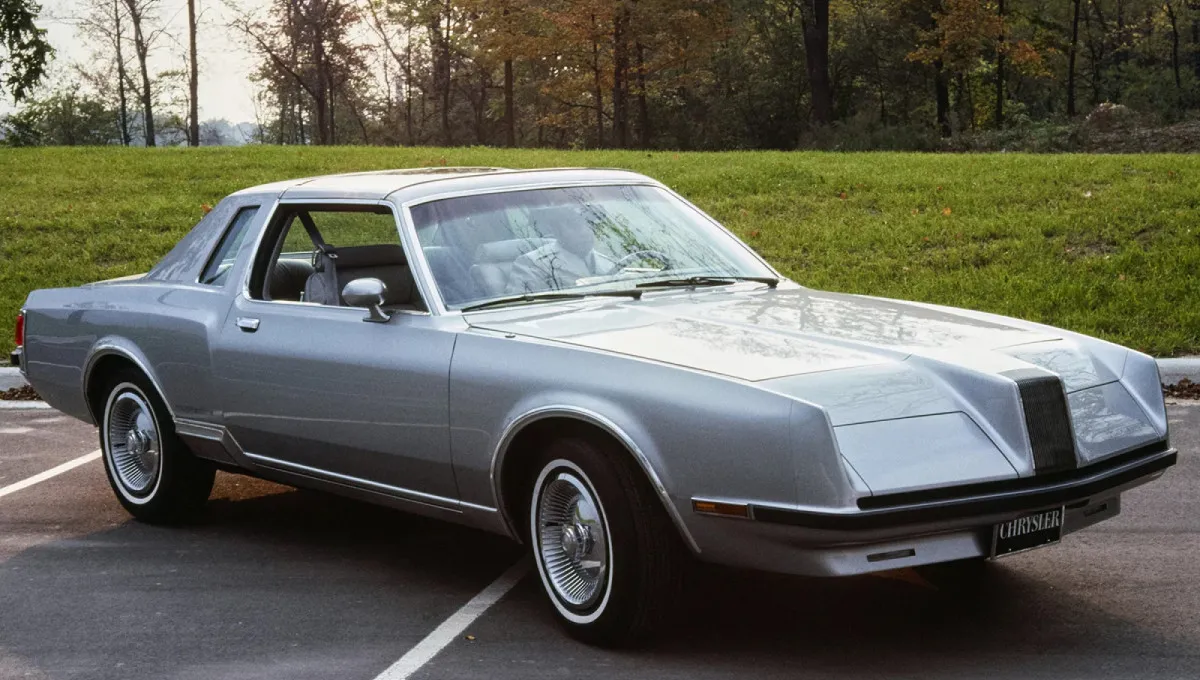
The 1977 Chrysler LeBaron Turbine: The Final Chapter of a 25-Year Experiment
Chrysler's 1977 LeBaron Turbine concept showcased decades of gas turbine research, but financial troubles ultimately brought the ambitious program to an end.

Three Zodiac Signs That Avoid Driving in the Rain to Keep Their Cars Clean
For these three signs, a car is more than transportation—it's almost a museum piece. Virgo, Taurus, and Capricorn may cancel plans at the first sign of rain.