
Fog Lights and Fog Lamps: When You Should Use Them — and When You Definitely Shouldn’t
It’s not uncommon to see cars driving with fog lights on even in clear weather. But when is their use actually justified, and when can it lead to a fine — or simply annoy other drivers?
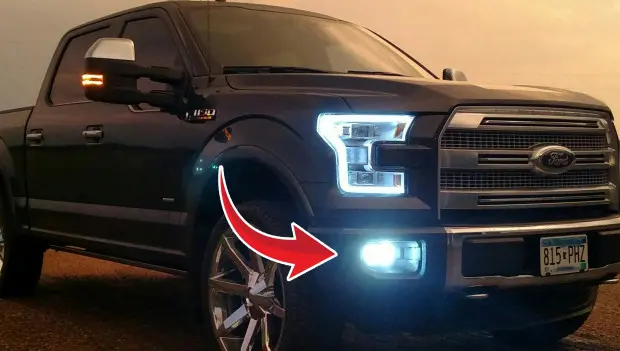
It’s early morning, a light mist hangs in the air, visibility is fine — and suddenly there’s a car ahead with its rear fog lights blazing straight into your eyes. The driver probably thinks they’re making themselves more visible, but in reality, they’re just blinding everyone behind.
Front fog lights are mounted low and produce a wide beam that cuts under the fog. They’re meant to be used only in poor visibility — heavy fog, rain, or snow. Keeping them on all the time is pointless and irritating for others on the road. Rear fog lights are even worse: their intense light can dazzle other drivers when the weather is clear.
Front fog lights should only be used together with low or high beams, and only when visibility is seriously reduced.
The rule is simple: use fog lights only when you actually need them. They’re not a way to “stand out” on the road — they’re a safety feature for bad weather.
In the U.S., fog light regulations vary by state, but the general principle is the same: they should be used only when visibility drops. In states like California and Texas, police can pull drivers over for using rear fog lights in clear weather — it’s considered a distraction and a potential hazard for other motorists.
Automotive experts point out that today’s LED headlights and daytime running lights already make vehicles highly visible during the day or in light fog. Turning on fog lights without a real need doesn’t make you safer — in fact, it increases the risk of accidents by blinding drivers behind you.
If you’re unsure whether to use your fog lights, remember this simple rule: if you can see more than 100–150 feet ahead, you don’t need them.
And finally — don’t confuse fog lights with decorative lighting. On the road, it’s not about looks. It’s about safety.
Let’s respect each other out there.
You may also be interested in the news:
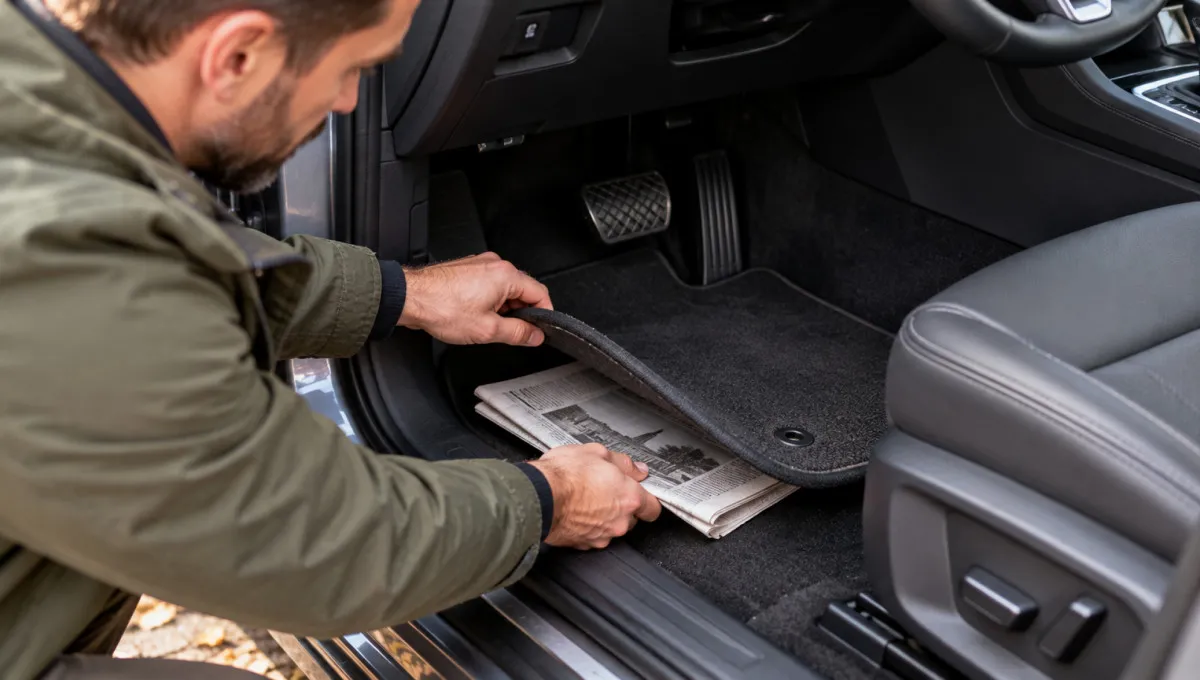
When the First Freeze Hits, Put Newspaper Under Your Floor Mat: An Old Winter Driving Trick
Newspaper under a floor mat can help protect a car's floor from winter moisture, but it requires regular attention.
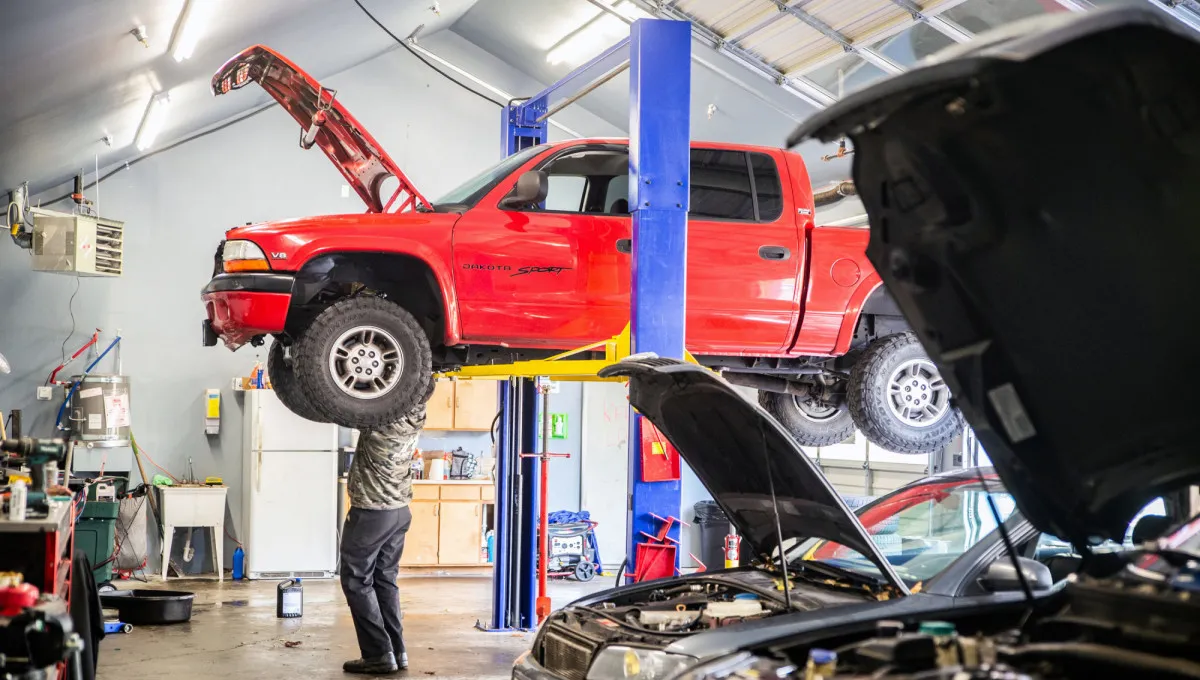
How a Repair Shop Can Overcharge You: What Every Driver Should Know
An experienced mechanic knows how to increase a repair bill, and drivers should know what to watch for before approving work.
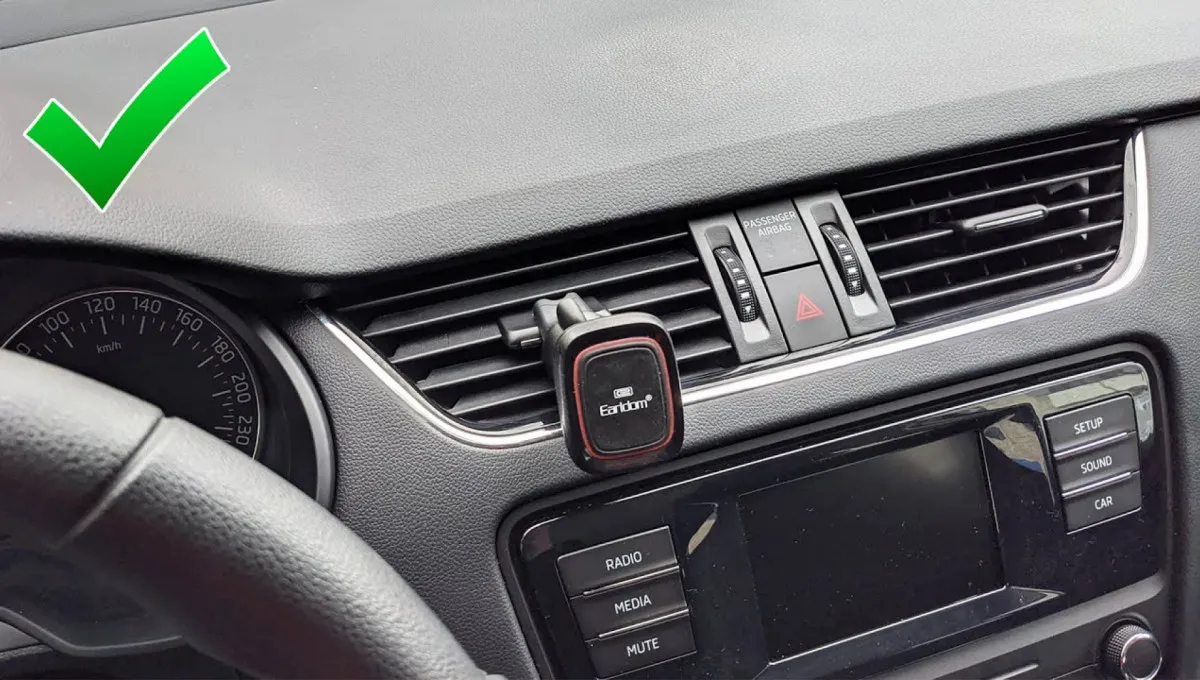
How to Find the Source of a Car Interior Rattle in 15 Minutes
A simple trick can help drivers pinpoint an annoying interior rattle without taking apart half the cabin or visiting a repair shop.
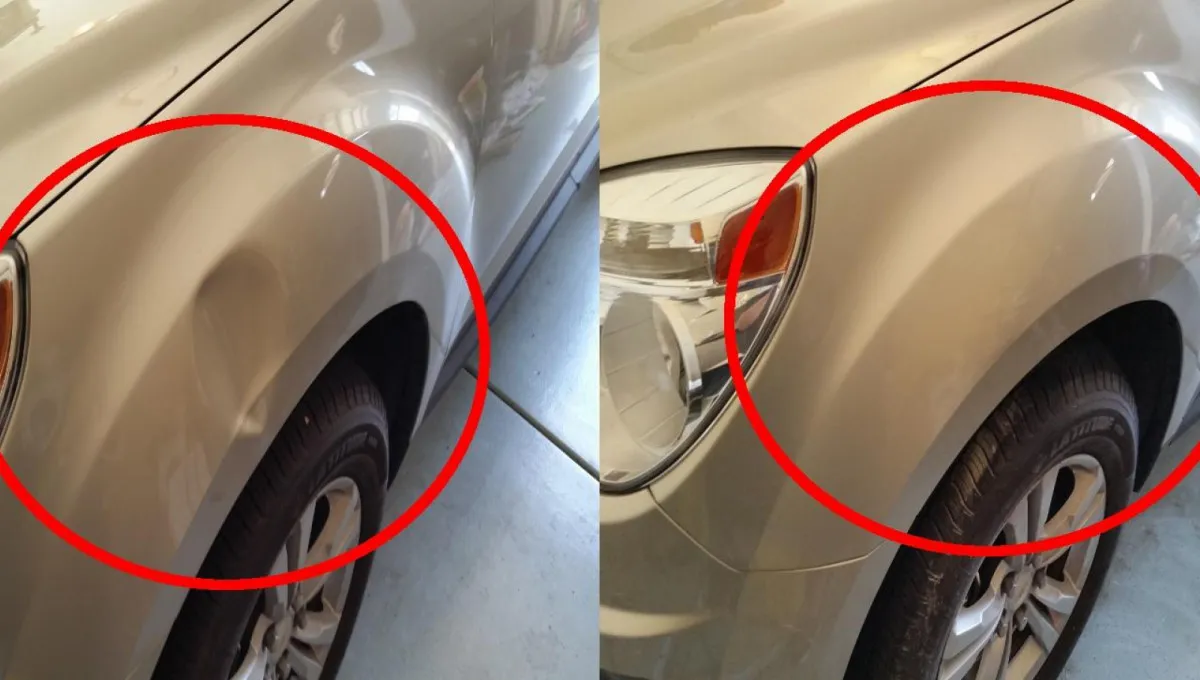
The Dent Can Disappear Without a Trace: How to Repair Car Body Damage Without Paint
Paintless dent repair can restore a damaged panel to its original shape, but only when certain conditions are met.

What Does a Flashing Red Traffic Light Mean? Can You Keep Driving?
Drivers must come to a complete stop at the stop line before deciding whether it is safe to proceed.