
This Polishing Mistake Can Ruin Your Clear Coat: How to Avoid Rubbing It Into a Bigger Problem
How to remove minor paint scratches without body shop repairs
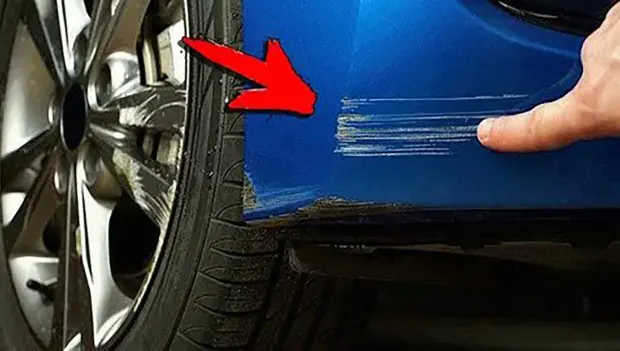
After a car wash, small scratches in the paint often become much more noticeable—but that doesn’t always mean a trip to the body shop. If the damage is superficial, it can usually be made almost invisible with a standard polishing compound, without risk and without repainting, professional detailers say.
The first step is to assess the depth of the scratch yourself. Automotive paint consists of a clear coat on top, a color layer underneath, and metal below that. Experts recommend washing and drying the area first, then doing a simple test: splash some water over the scratch. If it “disappears” for a moment, the damage is mostly in the clear coat, and DIY polishing will usually work. If the water doesn’t hide the mark and it stays sharp and visible, the scratch may be deeper—at that point, it’s better not to experiment or keep rubbing away at the clear coat.
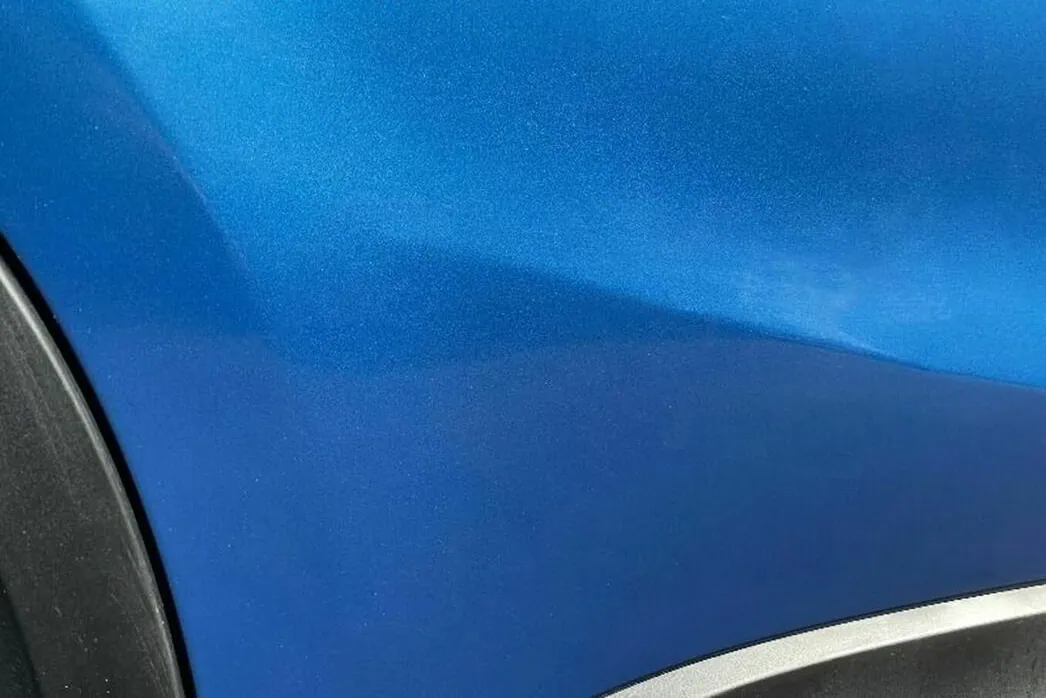
For light defects, a polishing compound and a soft microfiber cloth are usually enough. Beginners are safest starting with finishing compounds (fine or ultra-fine), which remove less material and reduce the risk of thinning or burning through the clear coat. The basic process is simple: apply a small amount to the cloth, polish gently in a crosshatch pattern, then wipe off and check the result right away. The key rule is “do a little, then look,” not aggressive rubbing in one spot.
Once the scratch becomes less noticeable, switch to an even finer finishing polish and slightly widen the treated area around it. This helps blend the repair into the surrounding paint. A practical test of success: from 6–10 feet away, the defect shouldn’t catch your eye. If you’re aiming for a truly “factory-new” finish, that’s when professional machine polishing or body work becomes the better option.
You may also be interested in the news:

What Does a Flashing Red Traffic Light Mean? Can You Keep Driving?
Drivers must come to a complete stop at the stop line before deciding whether it is safe to proceed.
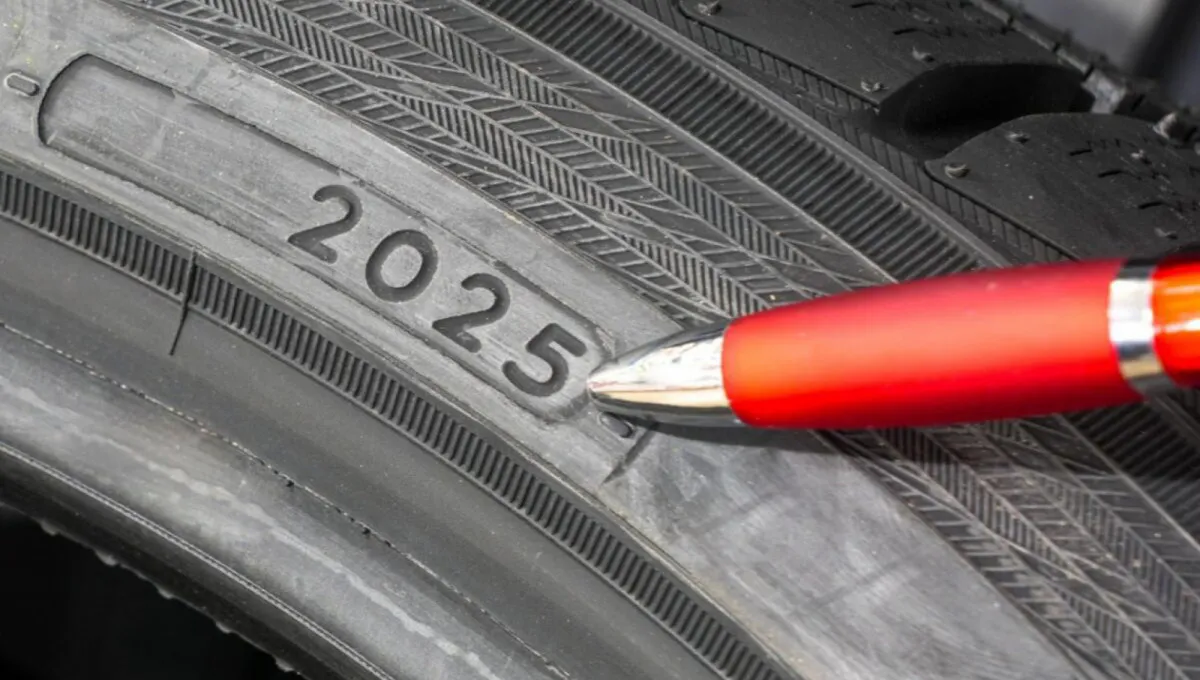
Why You Should Check a Tire’s Manufacturing Date Before Buying
Tire buyers should check more than size, tread, and brand because rubber changes with age, even without visible wear.
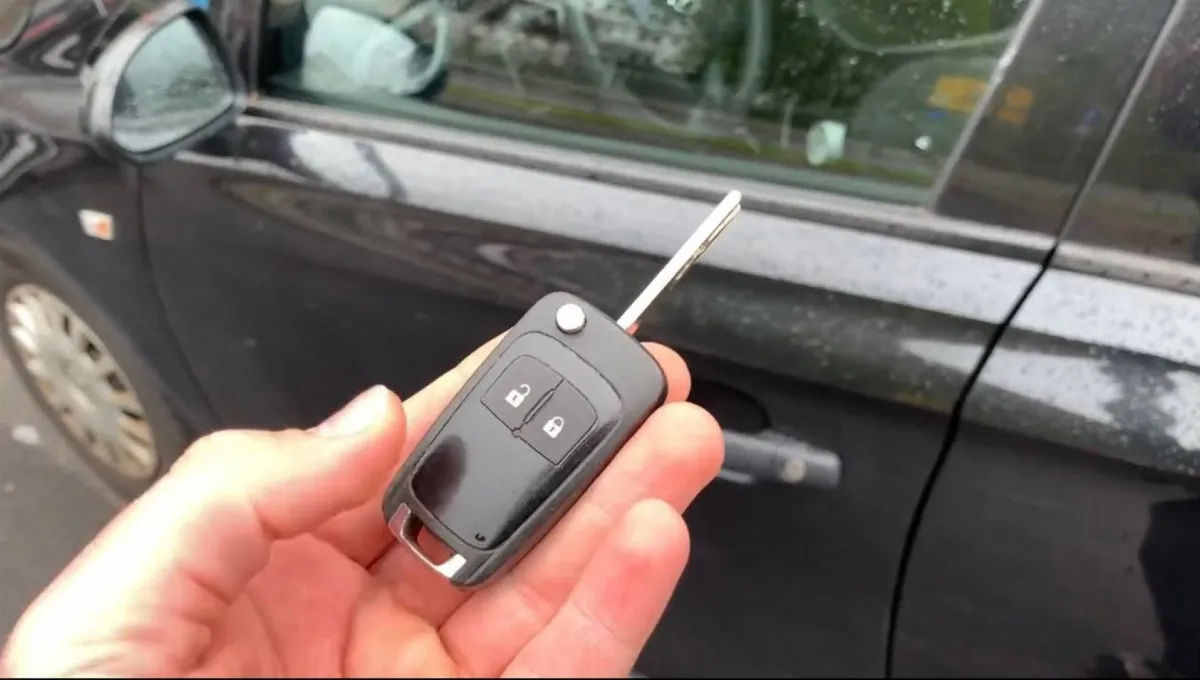
Your Car Sat for a Few Days and Won’t Start: What Could Be Draining the Battery
Your car can sit for days and still drain its battery, even when everything appears switched off.
Four Car Features Modern Drivers Are Starting to Miss
New cars keep adding technology, but some simple features that drivers once relied on are disappearing.
One Driving Habit Slowly Wears Out an Automatic Transmission: What Drivers Should Avoid
Seven-speed DSG gearboxes with dry clutches are among the most vulnerable and expensive to repair.