
Most Americans Don’t Know the Right Move When the Engine Temperature Light Comes On
A single red warning light can mean the difference between a minor repair and a total engine replacement. Understanding the correct sequence of actions is critical to protecting your investment.
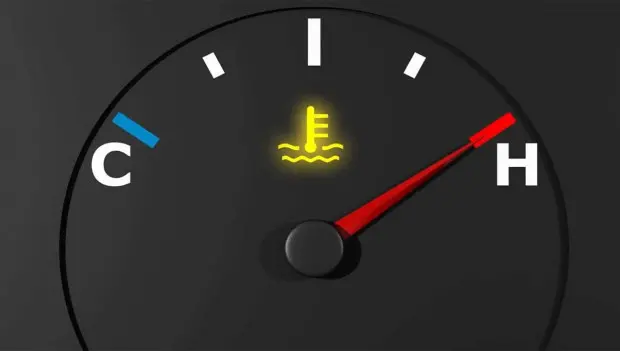
When the red engine temperature warning light illuminates on your dashboard, it is a definitive signal that your engine is severely overheating. Ignoring this alert, even for a short drive, can lead to catastrophic and irreversible damage. The extreme heat can warp engine components, melt sensors, and ultimately cause the engine to seize.
The most critical mistake you can make occurs after you have safely pulled over. Never attempt to remove the radiator cap while the engine is hot. The cooling system is sealed under intense pressure, and opening it will cause superheated coolant to violently erupt, posing a severe risk of scalding burns.
The Correct Procedure to Follow:
Signal and pull over to a safe location as soon as possible and turn off the engine.
Turn on your hazard lights to alert other drivers.
Open the hood to allow heat to dissipate, but do not touch any components.
Allow the engine to cool completely for at least 45 minutes before even considering a visual inspection.
Only when the engine is cool to the touch should you carefully check the coolant level in the reservoir.
The financial impact of improper action is severe. While a simple coolant top-up might cost around $50, the repair bill for a blown head gasket often starts at $800. In the worst-case scenario, a seized engine requires a full replacement, with costs typically ranging from $4,000 to $8,000 or more.
An overheating engine is a symptom of a failed component within the cooling system. The cause could be a leaking hose, a faulty water pump, a stuck thermostat, a broken radiator fan, or simply a low coolant level. If your vehicle continues to overheat after addressing the coolant level, the vehicle must be inspected by a qualified technician. The safest course of action is often to have the car towed to a repair shop for a professional diagnosis.
You may also be interested in the news:
When the First Freeze Hits, Put Newspaper Under Your Floor Mat: An Old Winter Driving Trick
Newspaper under a floor mat can help protect a car's floor from winter moisture, but it requires regular attention.
How a Repair Shop Can Overcharge You: What Every Driver Should Know
An experienced mechanic knows how to increase a repair bill, and drivers should know what to watch for before approving work.
How to Find the Source of a Car Interior Rattle in 15 Minutes
A simple trick can help drivers pinpoint an annoying interior rattle without taking apart half the cabin or visiting a repair shop.
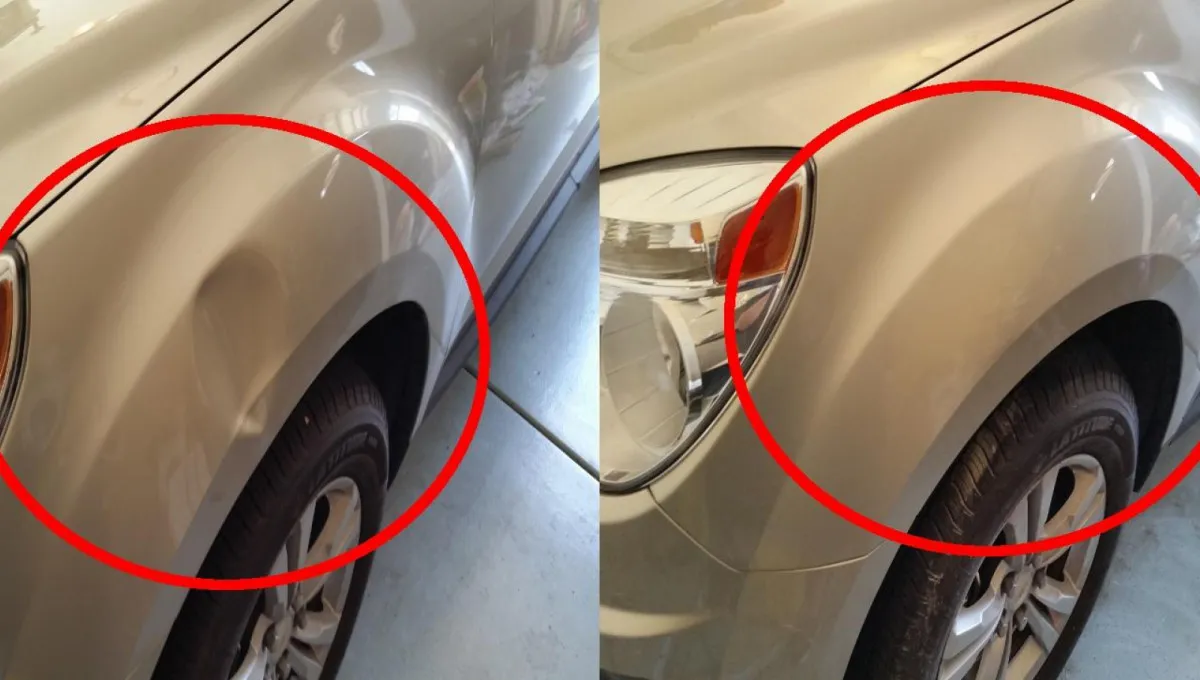
The Dent Can Disappear Without a Trace: How to Repair Car Body Damage Without Paint
Paintless dent repair can restore a damaged panel to its original shape, but only when certain conditions are met.
What Does a Flashing Red Traffic Light Mean? Can You Keep Driving?
Drivers must come to a complete stop at the stop line before deciding whether it is safe to proceed.