
Xiaomi’s YU7 Electric Crossover Takes Top Structural Award at U.S. Competition
Innovative 20-in-1 aluminum module stuns judges — what’s behind the breakthrough
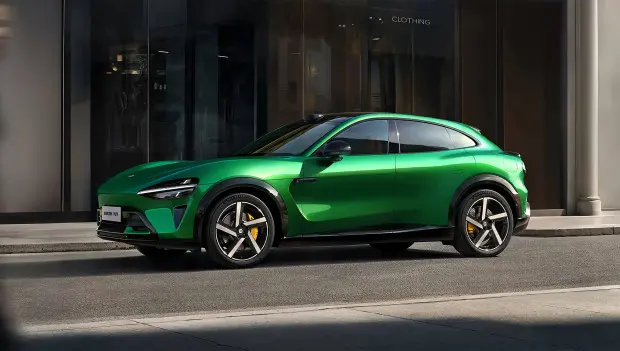
Xiaomi’s YU7 has earned a major industry honor for its distinctive engineering approach. Judges praised the vehicle’s integration of 20 separate components into a single structural element, a design choice that helped the Chinese electric crossover outshine its rivals. Here’s what sets the technology apart — and why the brand’s achievement matters.
The Xiaomi YU7 became one of the standout entries at the 2025 International Casting Competition in North America, taking home the top prize in the “Best Structural Design” category. The jury highlighted a new integrated 20-in-1 aluminum module that combines a range of critical functions into one cast part.
At the heart of the YU7’s architecture is a triangular cast beam. Beyond dispersing crash forces, it also houses key pieces of the cooling and climate-control systems. This approach allowed engineers to shrink the engine bay and free up space for a generous front trunk rated at 141 liters. The beam’s design includes mounting points for the A/C unit, compressor, refrigerant lines, and radiators — all built directly into the structure.
Another hallmark of the YU7 is its CTB layout, which merges the battery pack, floor, and body into a single load-bearing assembly. This configuration delivers an impressive torsional rigidity of 47,610 N·m/degree, placing the model among the leaders in its class. The added stiffness benefits handling and contributes to overall safety, helping the vehicle remain composed on the road and better protect occupants when proper precautions are observed.
For the North American Foundry Association, which oversees the competition, the YU7’s win underscored Xiaomi’s maturing engineering capabilities. Evaluators cited not only the inventive use of materials but also the precision of the manufacturing process. While Xiaomi has kept some specifics under wraps, company representatives emphasize that the brand continues to invest heavily in safety technology and structural innovation for future models.
With demand for EVs soaring in China, the YU7’s performance at home further highlights its momentum. In October 2025, Xiaomi sold 48,654 new electric vehicles in the country, with more than 33,662 of them being the YU7 alone — a result that helped bolster its growing presence abroad. The model’s blend of advanced engineering and a strong safety profile played a central role in this success.
By combining twenty functions into one cast module, Xiaomi streamlined assembly, trimmed overall weight, boosted durability, and optimized space usage. Similar ideas have appeared elsewhere in the industry, but the Chinese automaker has pushed the concept further by consolidating multiple subsystems into a cohesive unit. The result points toward new directions for EV design and raises the bar for competitors moving forward.
You may also be interested in the news:
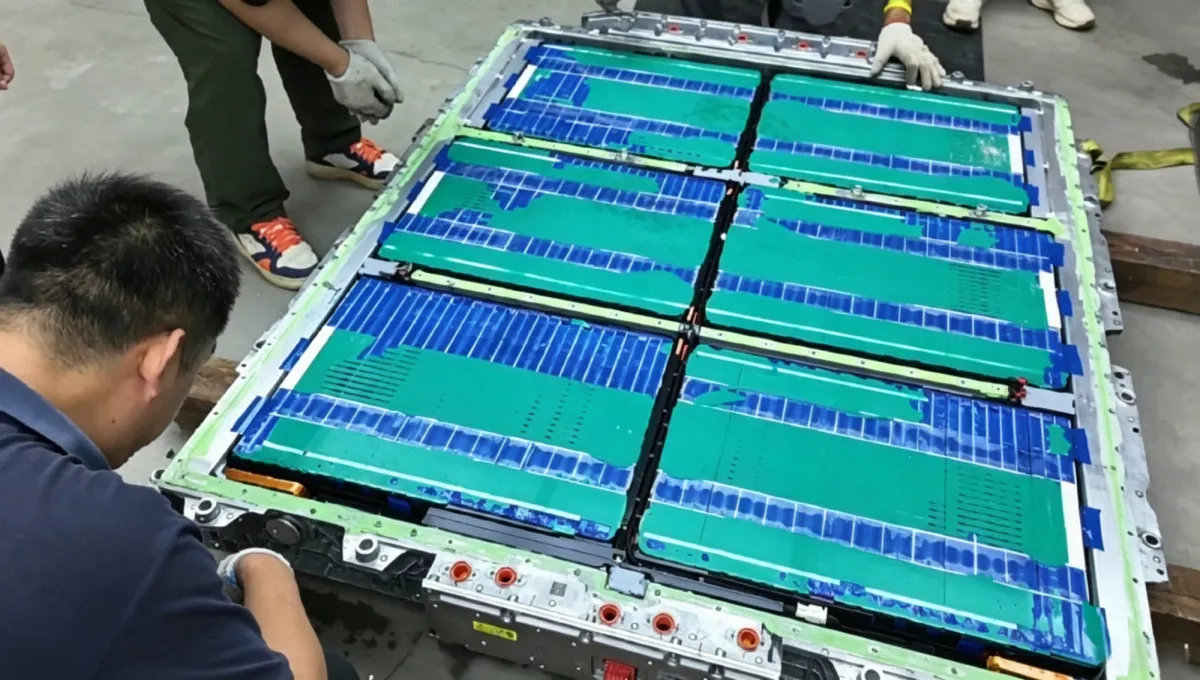
BYD Patents a Battery That Is Cooled by Literally Submerging It in Liquid
A new BYD patent describes a battery architecture that uses dielectric fluid to cool battery modules while keeping electrical components dry.
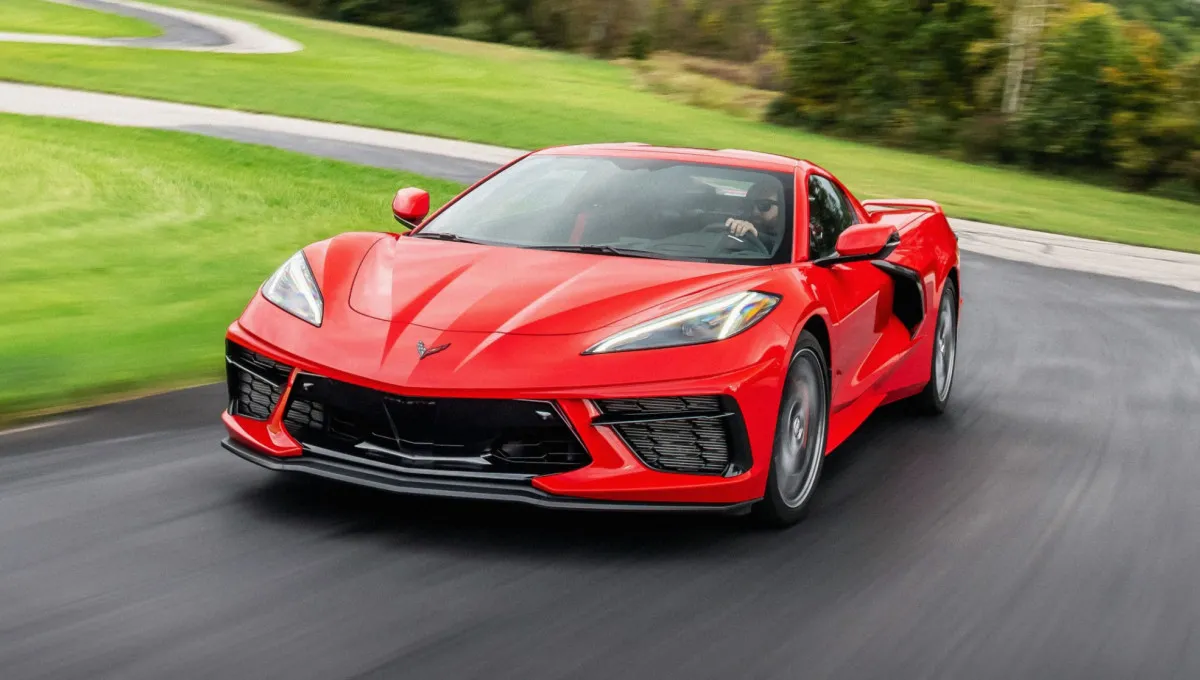
5 of the Most Beautiful Chevrolet Cars: Timeless Designs With Stunning Silhouettes
Which Chevrolet models deserve to be called the most beautiful?
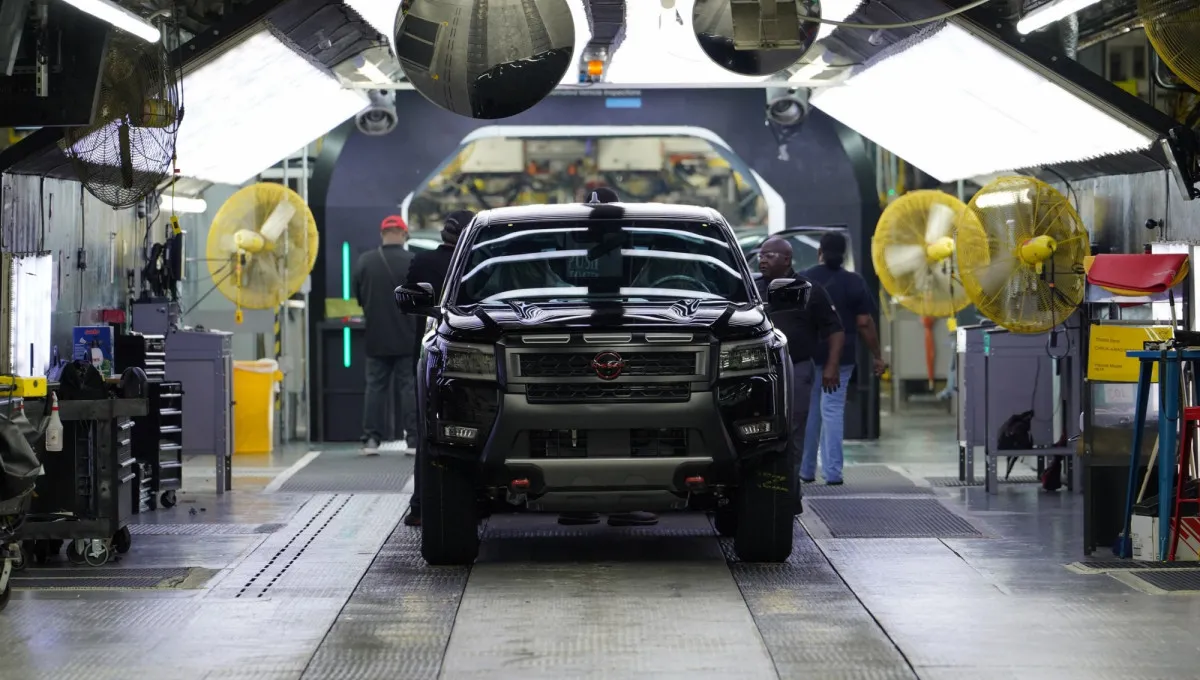
Nissan Restarts US-Made Murano, Pathfinder, Frontier Sales in Canada
Nissan resumed Canadian sales of three U.S.-built models, but tariffs keep supply below earlier levels.

41,748 Ford SUVs and Trucks Recalled—Your Headlights Could Suddenly Stop Working
Ford recalls 41,748 vehicles after contaminated LED chips threaten required headlight performance on newer models.

The Sheriff Knew She Was Speeding—Then This Blonde Driver Turned the Ticket Against Him
A sheriff pulls over a Ferrari for speeding, but the driver's bizarre logic quickly turns the traffic stop against him.