
The Start-Stop System Everyone Loves to Hate — Real Fuel Saver or Engine-Wear Myth?
Was this system created to annoy drivers, or does it actually serve a purpose?

Most drivers know this technology simply as “start-stop,” even though automakers market it under a whole set of different names — Auto Start-Stop for BMW, Ford, and VW; Idle Stop & Go for Kia and Hyundai; i-Stop for Mazda; Stop&Start for Peugeot and Citroën; and Stop&Go for Mercedes. Whatever the name, the principle is the same: the engine shuts off when the car comes to a complete stop and fires back up as soon as you lift off the brake or press the clutch. The idea behind it is straightforward — cut fuel use and reduce emissions during those moments when the engine would normally sit idling for no reason, like at a red light or in creeping traffic.
In city driving, the system can genuinely make a difference. European testing suggests fuel savings in the range of three to eight percent. On the road, that translates to a small fraction of a gallon over a long distance, with compact cars seeing the least benefit and heavier crossovers gaining a bit more. Out on the highway, though, the feature has almost nothing to do, since it only activates during a full stop.
What unsettles many drivers is the notion of the engine constantly shutting down and starting up again. People often worry that the starter and battery wear out faster, that the engine doesn’t have enough oil film on each restart, or that the turbo might suffer if the engine shuts off immediately after a hard run. But modern systems are not the crude early versions many remember. Automakers use reinforced starters and AGM or EFB batteries designed for tens of thousands of start cycles. Oil pressure is usually maintained in the circuit, so the chance of a “dry” restart is minimal, assuming the oil is fresh and the pump is healthy. Turbocharged engines are also protected by built-in safeguards: if the turbo is still running hot, the system simply won’t cut the engine until temperatures drop to a safe level.

Even so, the way the system behaves can become irritating in certain scenarios. Short winter trips often mean the engine hasn’t warmed up yet, but the system still tries to shut it down. During spirited driving, the constant restarting can feel abrupt even if it poses no mechanical threat. And when a battery is nearing the end of its life, the system may disable itself, leaving owners with the impression that the car is acting oddly.
Almost every car gives the driver an option to switch start-stop off manually. Some models remember that choice after restarting the engine, while others re-enable the feature automatically every time the ignition comes on. Permanent deactivation through software tweaks or aftermarket modules is possible too, though such modifications aren’t exactly dealer-friendly and can affect warranty coverage.
As for long-term engine health, testing by major European auto publications hasn’t shown any increase in wear when the system functions properly. The components involved are engineered for the extra workload, and issues usually arise only on older cars where the starter or battery has already reached the end of its lifespan.
In the end, start-stop remains a practical tool for city driving: it trims fuel consumption and cuts emissions, even if only modestly. On highways or during short winter errands, it offers little benefit, and many drivers simply turn it off. But with all components in good order, the system poses no real threat to the engine, and most of the fears surrounding it come from the earliest, far less refined versions of this technology.
You may also be interested in the news:
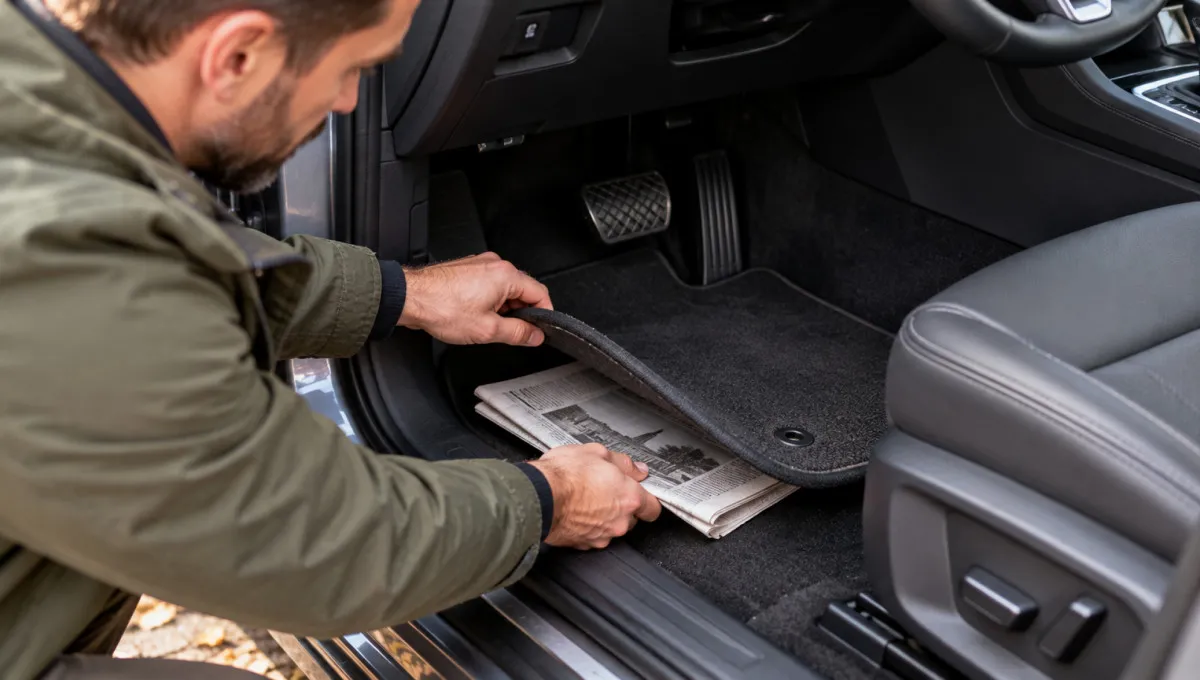
When the First Freeze Hits, Put Newspaper Under Your Floor Mat: An Old Winter Driving Trick
Newspaper under a floor mat can help protect a car's floor from winter moisture, but it requires regular attention.
How a Repair Shop Can Overcharge You: What Every Driver Should Know
An experienced mechanic knows how to increase a repair bill, and drivers should know what to watch for before approving work.
How to Find the Source of a Car Interior Rattle in 15 Minutes
A simple trick can help drivers pinpoint an annoying interior rattle without taking apart half the cabin or visiting a repair shop.
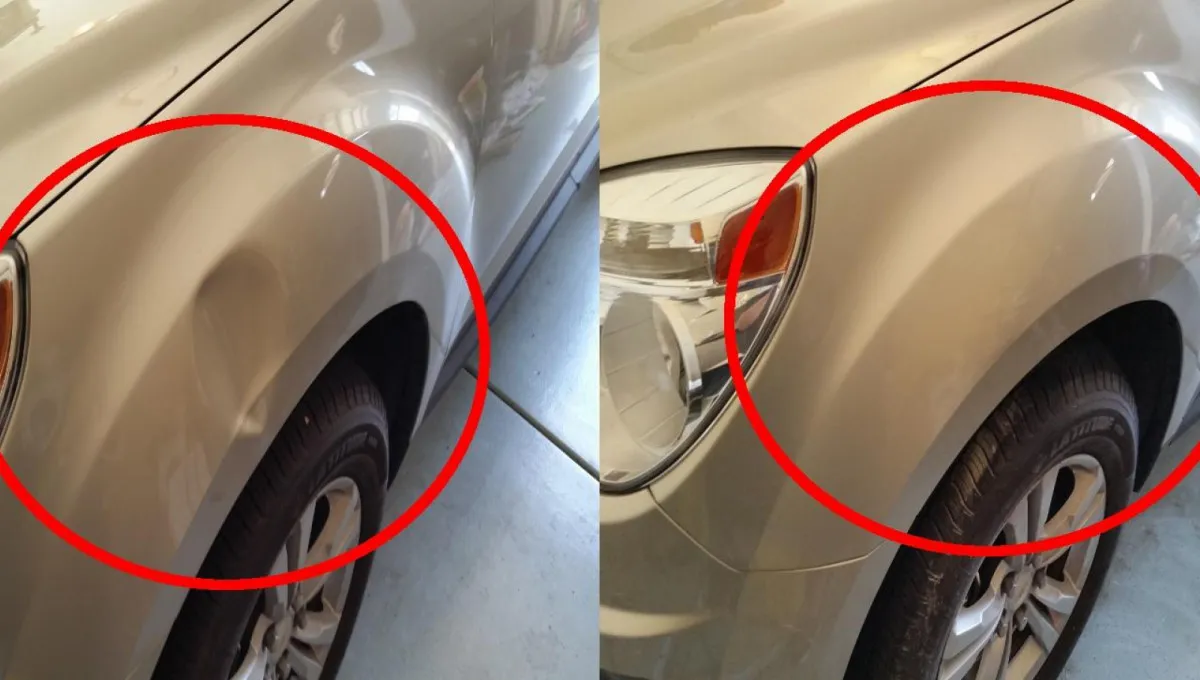
The Dent Can Disappear Without a Trace: How to Repair Car Body Damage Without Paint
Paintless dent repair can restore a damaged panel to its original shape, but only when certain conditions are met.
Not Ford, BMW or Audi: Mechanic Names the Car Brand That Almost Never Breaks Down
Auto repair professionals reveal which models rarely suffer major failures and which ones repeatedly end up on the lift.