
How to Protect Your Windshield from Ice: Helpful Tips and Personal Experience
How can you make sure your car’s windshield doesn’t turn into a sheet of ice overnight?
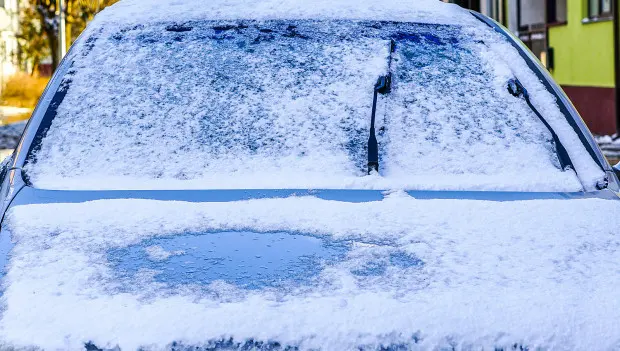
For anyone who parks outside during a cold snap, waking up to a windshield coated in ice is a familiar frustration. And if your car isn’t equipped with an electric windshield heater, scraping off that frozen layer can easily turn into a long, chilly ordeal. There are plenty of ways to remove ice, but the smarter move is to keep it from forming in the first place. So the question is: what actually works when it comes to preventing overnight ice buildup?
Ice forms on the windshield when moisture meets freezing temperatures, and several factors play into that. Warm, humid air from inside the cabin rises toward the cold glass once the engine is shut off.
Overnight, that condensation freezes and becomes the very layer drivers end up scraping off in the morning.
The glass itself cools down quickly, especially on an open driveway or street, and any lingering droplets—whether from condensation or from snowflakes and drizzle—turn solid as soon as the surface dips below freezing.
Even without precipitation, high humidity, fog or frost in the air can easily leave a thin icy film by dawn.
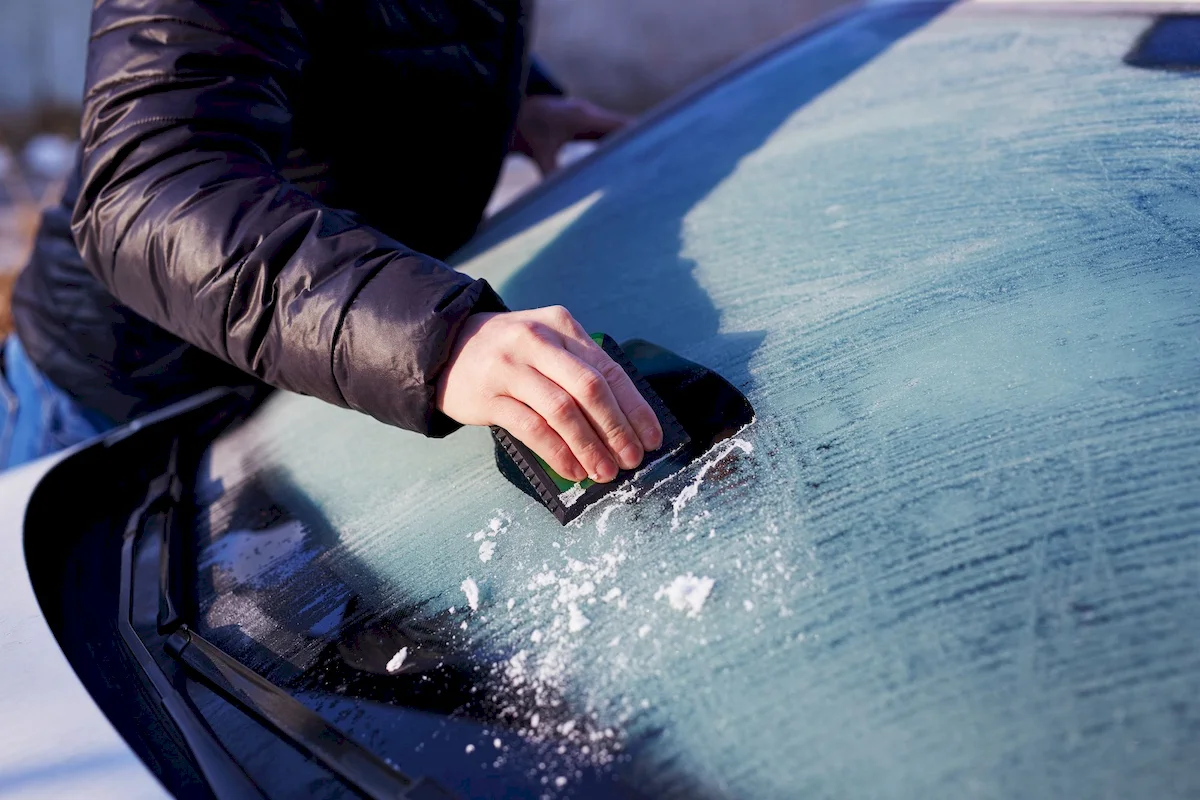
Understanding these conditions helps explain what actually prevents ice from forming.
One of the most reliable solutions is using a windshield cover. It blocks falling snow and freezing rain, but just as importantly, it acts as insulation, reducing the sharp temperature swing between the warm cabin and the cold exterior.
Another simple habit is airing out the interior before parking for the night.
Cracking the windows for a minute or two and turning off the heat allows the hot, moisture-filled air to escape.
The seats and interior panels won’t cool down in that short time, but the humidity level inside drops noticeably, which makes ice formation much less likely. It also helps to keep the cabin as dry as possible.
Damp floor mats, wet clothing and fogged-up glass add moisture that later becomes frost.
Shaking out the mats and wiping the windshield with a microfiber cloth during the drive can make a real difference.
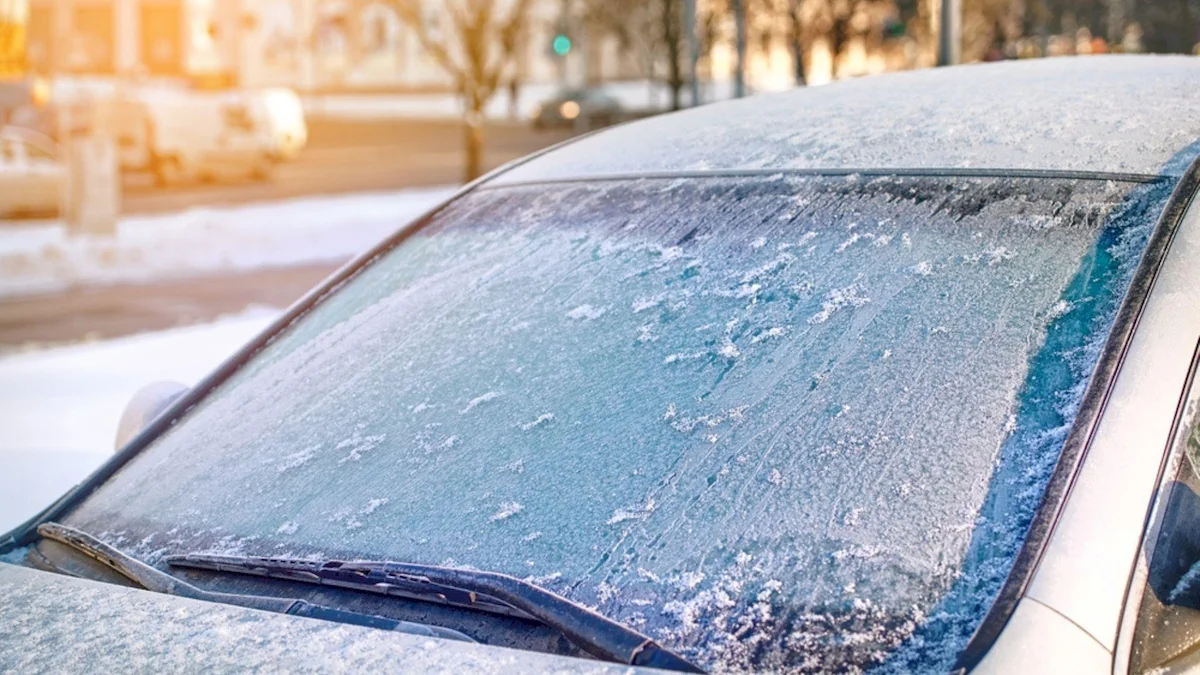
Each of these approaches targets a different cause of overnight icing. Used together, they dramatically reduce the chances of waking up to a frozen windshield—and may even spare you from reaching for the scraper at all.
You may also be interested in the news:
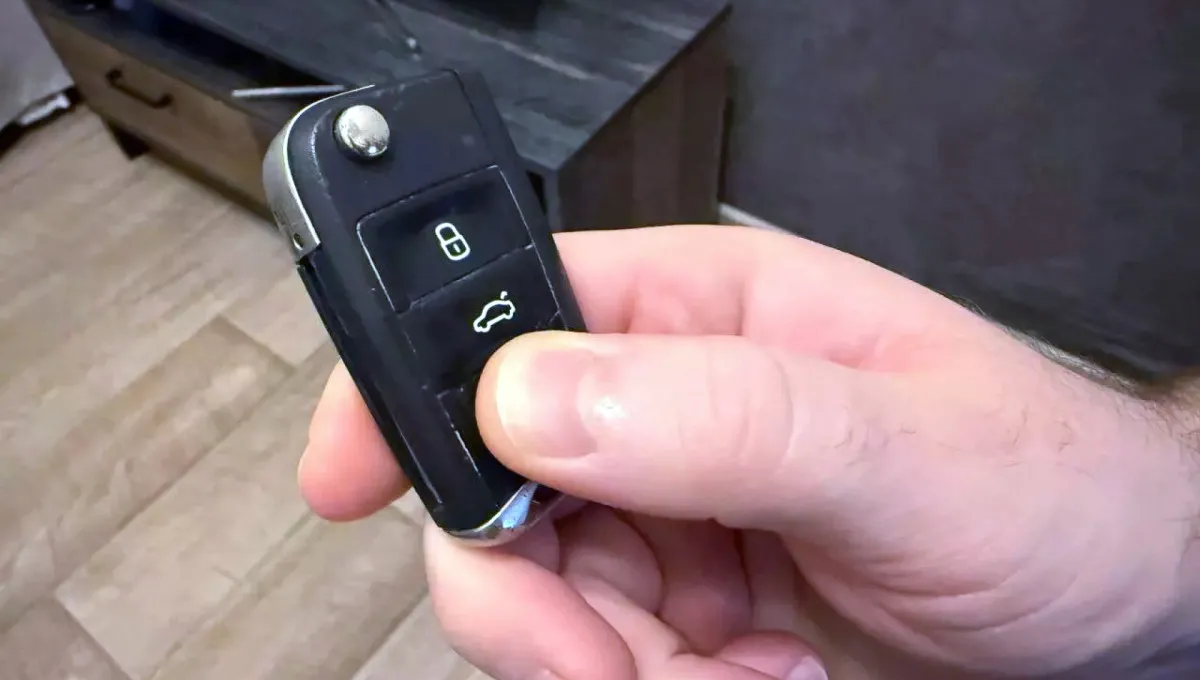
Hidden Key Fob Trick: Open All Your Car Windows With One Button
An auto mechanic explains how drivers can remotely open and close car windows using a key fob, provided the vehicle has the right hardware.

8 Car Maintenance Mistakes That Could Cost You Thousands if You Wait Too Long
Depending on driving conditions, some maintenance tasks may need to be performed sooner and more often than the automaker recommends.

How Long Will Your Car Last? A Guide to Making It Age Gracefully
Automotive experts explain how routine maintenance and timely replacement of aging components can help your car last longer.

Common Car Problems on the Road and How to Handle Them Yourself
A breakdown far from home can leave any driver stranded. Here’s how to assess the problem and decide what to do next.
Experienced Drivers Share Their Best Car Hacks: Better Visibility, a Cleaner Backup Camera, and Battery Care
Simple DIY fixes can improve visibility, protect your car’s finish, and make routine repairs easier without expensive tools or parts.