
Vital Winter Tip: The One Car Setting You Must Turn Off Before It's Too Late
This common car feature is a silent winter menace. Ignoring one switch can lead to a startling and expensive morning surprise.
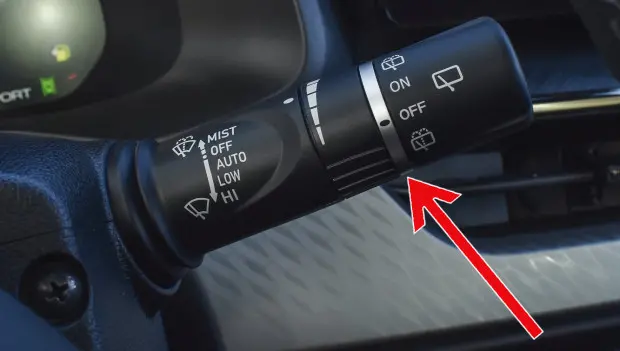
Once the first real cold snap arrives, the same headache pops up for a lot of drivers: you start the car in the morning, and the wipers suddenly try to move on their own.
If the blades are frozen to the windshield, that’s not a harmless glitch — it’s a fast track to torn wipers or a repair bill. That’s why, for winter, it’s best to shut off the rain sensor and the automatic wiper mode and stick with manual control.
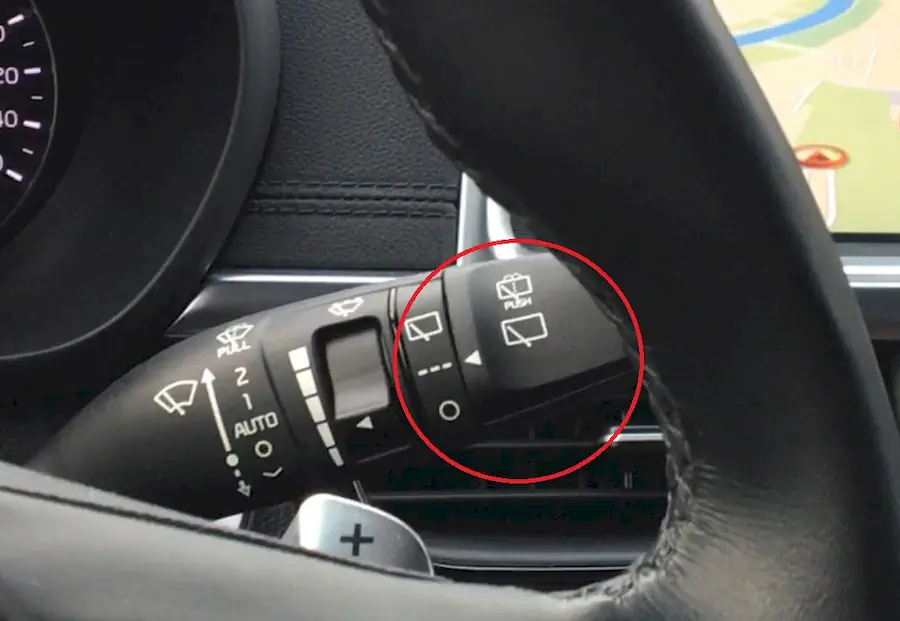
The rain sensor uses an optical reader to detect changes in how light reflects off the windshield. When it sees droplets, wet snow, or moisture, it kicks on the wipers and adjusts their speed.
That’s great in the rain, but in winter the sensor can mistake frost or a thin layer of moisture for precipitation. The result: the system orders a wipe at the exact moment the blades are iced to the glass and can’t budge.
“When the blades are frozen, they won’t move, but the wiper motor keeps trying to push the mechanism. In reality three things take a hit at once: the rubber tears or stiffens, the wiper arms can bend, and the motor and linkage get overloaded — sometimes to the point of blowing a fuse or damaging the gearbox. And if the blades do break free, they can scratch the windshield on the ice,”
Before leaving your car overnight, switch the wipers from AUTO to a basic setting (OFF or a fixed interval without automation). In the morning, check that the lever isn’t still in AUTO — that’s how most people get caught.
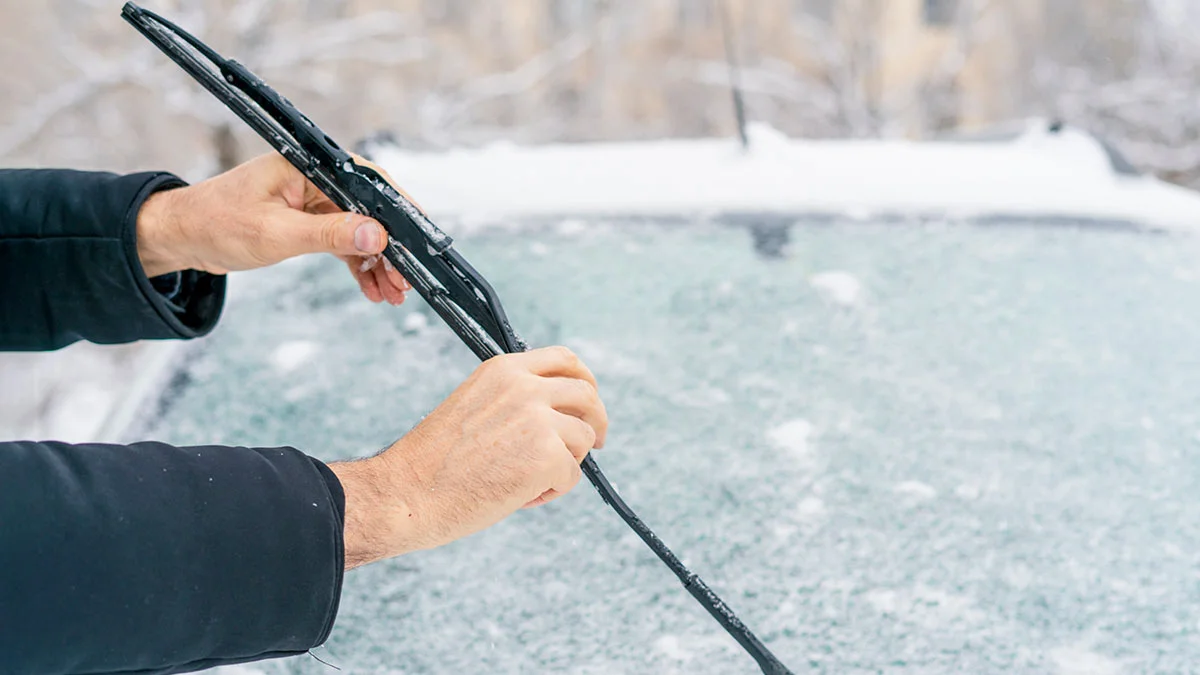
If there’s ice on the windshield, warm the wiper area with the defroster and let the blades free themselves before turning them on. Don’t try to yank them loose, and don’t run them over heavy ice — that almost always ends with a repair.
During freezing rain or heavy snow, a few simple habits help a lot: lift the wipers overnight or cover the windshield. And don’t forget winter washer fluid and decent blades — they ice up much less.
You may also be interested in the news:
When the First Freeze Hits, Put Newspaper Under Your Floor Mat: An Old Winter Driving Trick
Newspaper under a floor mat can help protect a car's floor from winter moisture, but it requires regular attention.
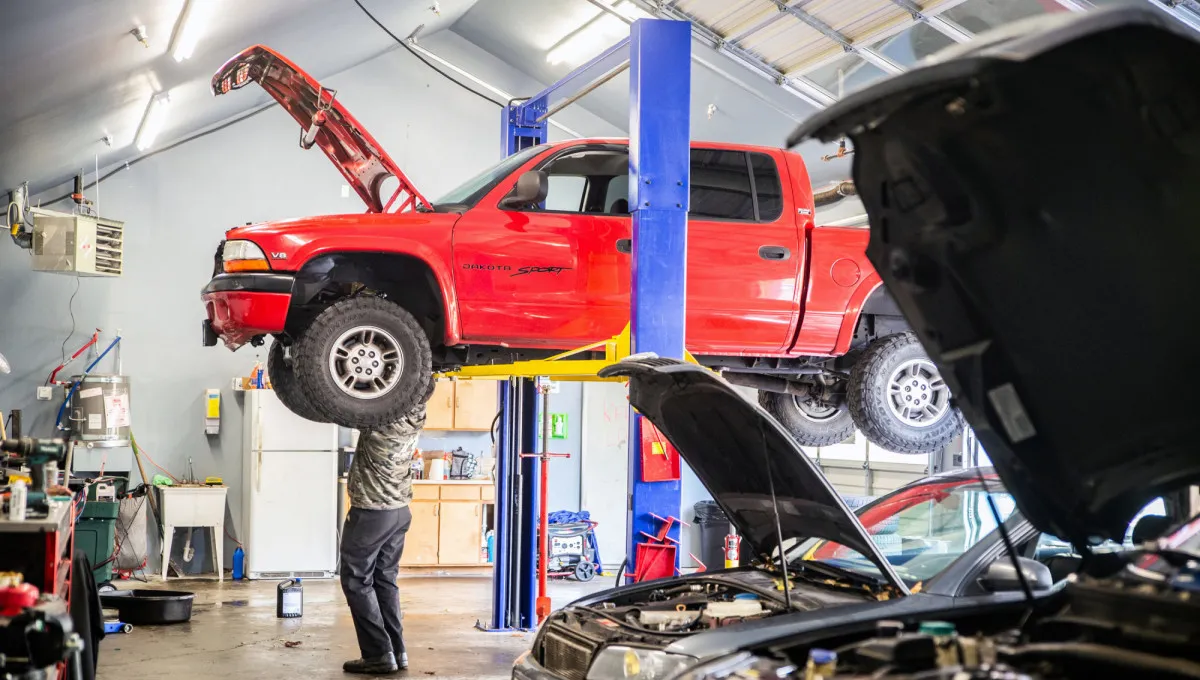
How a Repair Shop Can Overcharge You: What Every Driver Should Know
An experienced mechanic knows how to increase a repair bill, and drivers should know what to watch for before approving work.
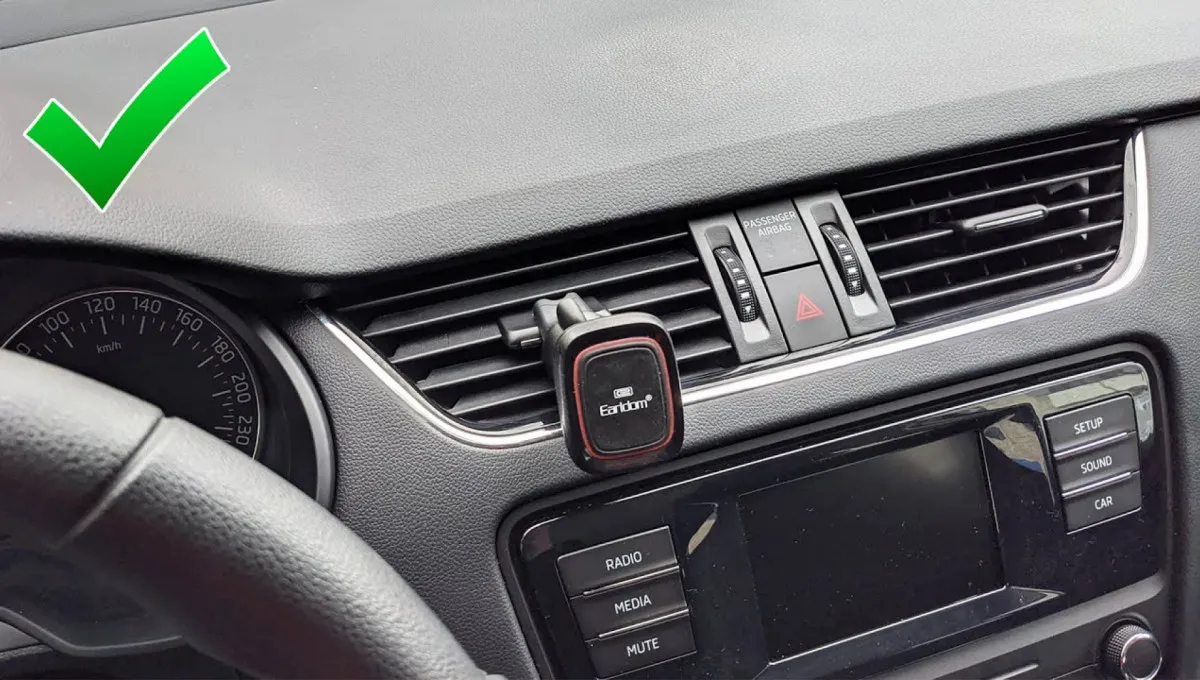
How to Find the Source of a Car Interior Rattle in 15 Minutes
A simple trick can help drivers pinpoint an annoying interior rattle without taking apart half the cabin or visiting a repair shop.
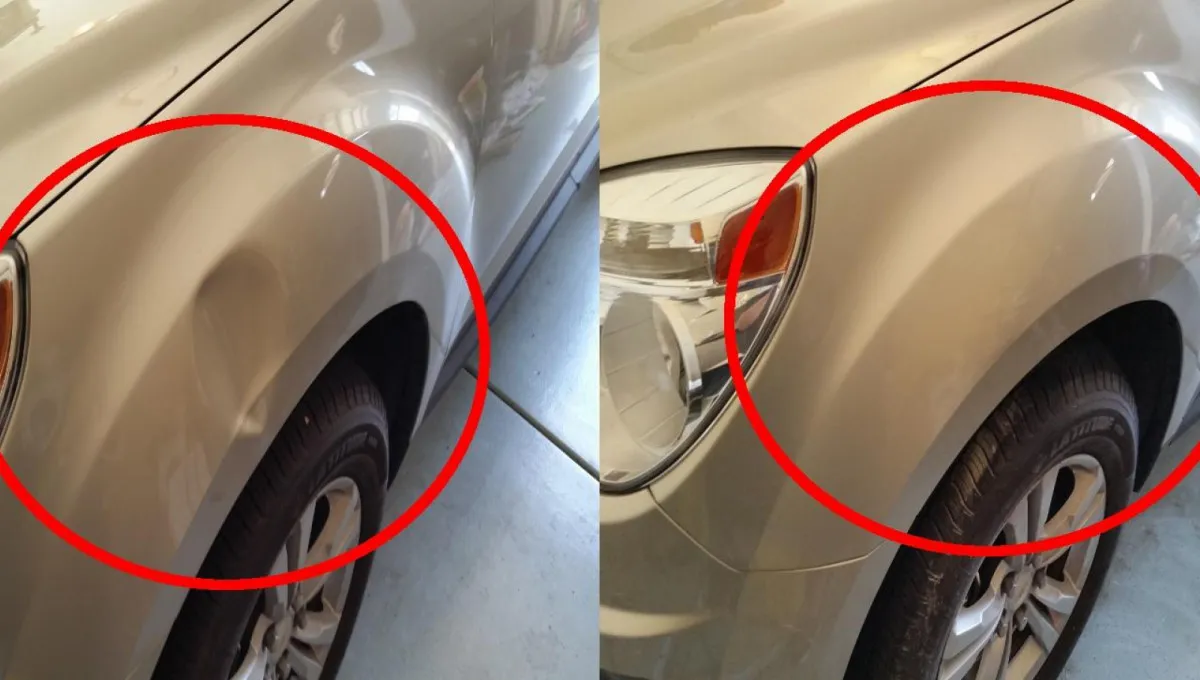
The Dent Can Disappear Without a Trace: How to Repair Car Body Damage Without Paint
Paintless dent repair can restore a damaged panel to its original shape, but only when certain conditions are met.

What Does a Flashing Red Traffic Light Mean? Can You Keep Driving?
Drivers must come to a complete stop at the stop line before deciding whether it is safe to proceed.