
Many Americans don’t know which motor oil is meant for which weather
Once real winter weather arrives, everyday driving suddenly gets tougher. A cold morning start can feel like a gamble.

When the first serious freeze sets in, life behind the wheel becomes noticeably more complicated. Cold starts get unpredictable, and an engine that hasn’t warmed up yet often sounds harsh and uncomfortably loud. Motor oil sits at the center of all these troubles: its condition and viscosity determine whether your engine will survive winter intact or demand major repairs by spring. Engineers explain why oil thickens, what the numbers on the bottle really mean, and whether a premium 0W blend is worth the extra money.
Any oil becomes denser as temperatures drop. In deep cold it thickens, and in extreme cases can resemble heavy syrup. For the engine, that creates two immediate issues.
First is the extra load on the starter and battery. Trying to crank components sitting in stiffened oil requires far more current, and even a fully charged battery may struggle.
Second—and far more dangerous—is temporary oil starvation. The moment the engine fires, the pump must quickly push oil through the passages to critical friction points. If the oil is too thick to move right away, it simply can’t reach the pistons or camshafts in time. Those first few seconds of running “dry” inflict wear comparable to a long highway trip under load.
Understanding SAE viscosity ratings

To avoid cold-start problems, choosing the right grade under the SAE J300 standard is essential. For winter, the key number is the first one before the letter W (“winter”), which reflects how cold it can get while still allowing a safe start.
10W-XX — flows down to roughly –4°F to –13°F; suitable only for warm climates with mild winters. Risky in colder regions.
5W-XX — the most common grade; pumpable down to about –22°F. A solid choice for most vehicles in moderate climates.
0W-XX — the most cold-friendly option; stays fluid around –31°F to –40°F and below, making cold starts noticeably easier.
The second number (30, 40, etc.) indicates viscosity when the oil is hot—important for protection at operating temperature, but irrelevant for winter starting.
Oil chemistry matters, too. Many 10W-40 blends are semi-synthetic and include a mineral base. At low temps, paraffin crystals form in mineral oils, causing them to cloud and thicken rapidly.
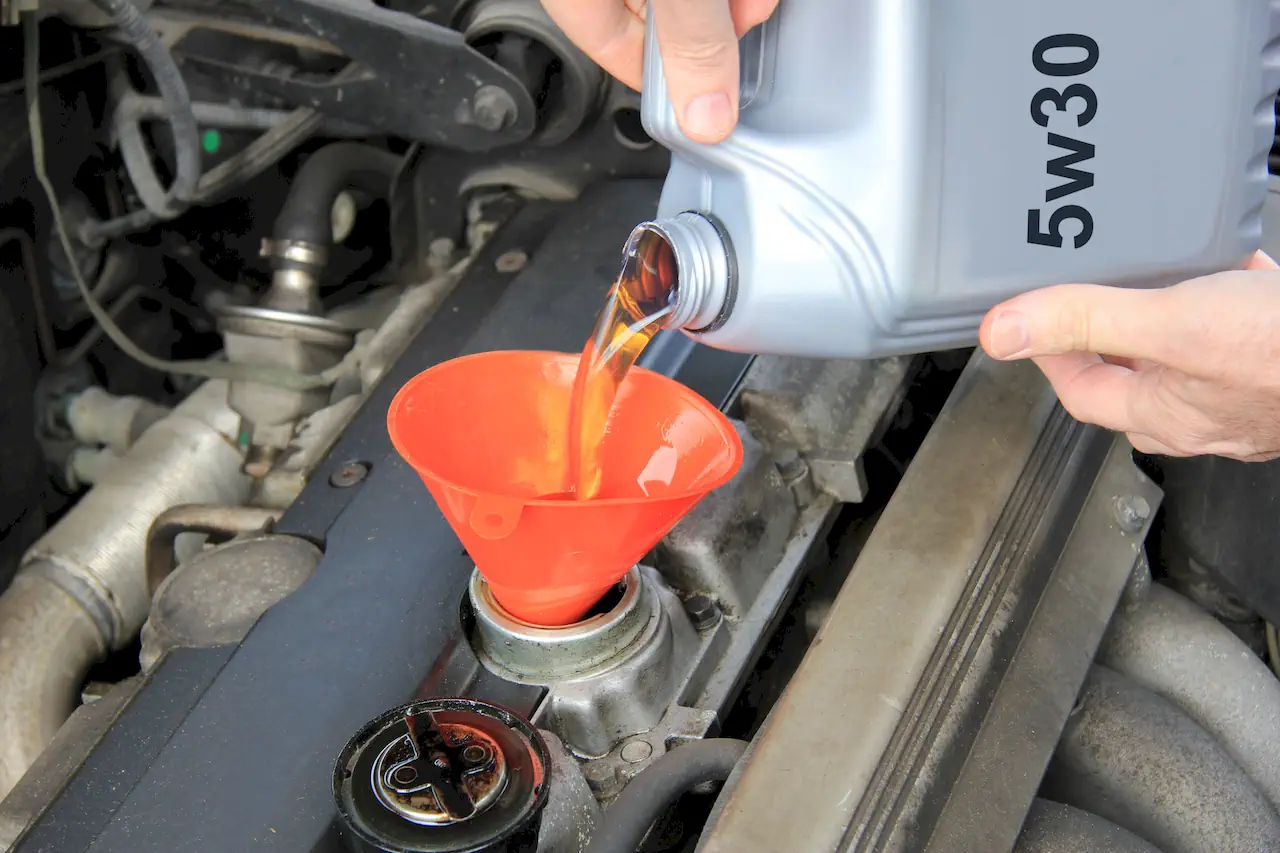
Full synthetics—typically in the 0W and 5W ranges—rely on more stable engineered molecules. They handle the cold better and reach moving parts faster. Saving a few dollars by choosing semi-synthetic in winter often shortens engine life, which is why a synthetic base is the smart choice for cold seasons.
Important: Always check your vehicle’s owner’s manual before buying oil. If the manufacturer allows 0W, it’s one of the best things you can do for your engine when the temperatures plunge.
You may also be interested in the news:
Honda K-Series Engines Can Go Past 300,000 Miles — Here's Why They're So Reliable
How long can a Honda K-series engine last, and what makes this family of Japanese engines so durable?

When the First Freeze Hits, Put Newspaper Under Your Floor Mat: An Old Winter Driving Trick
Newspaper under a floor mat can help protect a car's floor from winter moisture, but it requires regular attention.

How a Repair Shop Can Overcharge You: What Every Driver Should Know
An experienced mechanic knows how to increase a repair bill, and drivers should know what to watch for before approving work.

How to Find the Source of a Car Interior Rattle in 15 Minutes
A simple trick can help drivers pinpoint an annoying interior rattle without taking apart half the cabin or visiting a repair shop.
The Dent Can Disappear Without a Trace: How to Repair Car Body Damage Without Paint
Paintless dent repair can restore a damaged panel to its original shape, but only when certain conditions are met.