
How Often—and How Properly—to Refuel Your Car So It Lasts Longer
Some drivers wait until the warning light comes on, others keep the tank full, and some top up whenever they find a spare minute. Those habits can have a bigger impact on your car than you might think.
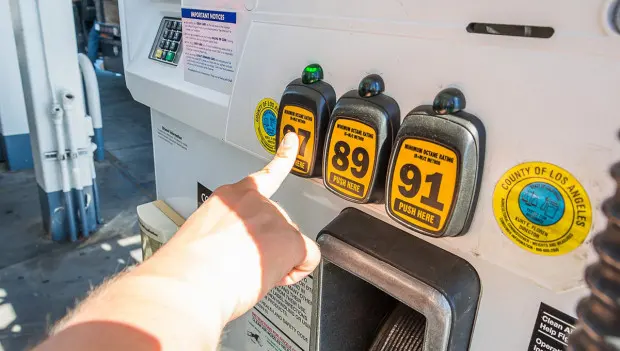
Every driver has a routine. Some push it until the low-fuel light appears, others never let the gauge drop, and some just add fuel whenever it’s convenient. In reality, those everyday choices often play a key role in how long a car stays reliable and trouble-free.
Fuel is sensitive to temperature. It changes density, expands, and contracts, which means even the time of day or the weather can affect what ends up in your tank.
When the low-fuel warning light comes on, there’s usually around 2 to 2.5 gallons left in the tank. That can be enough for another 30 to 60 miles, depending on the car, but most experts still advise against running the tank that low on a regular basis.
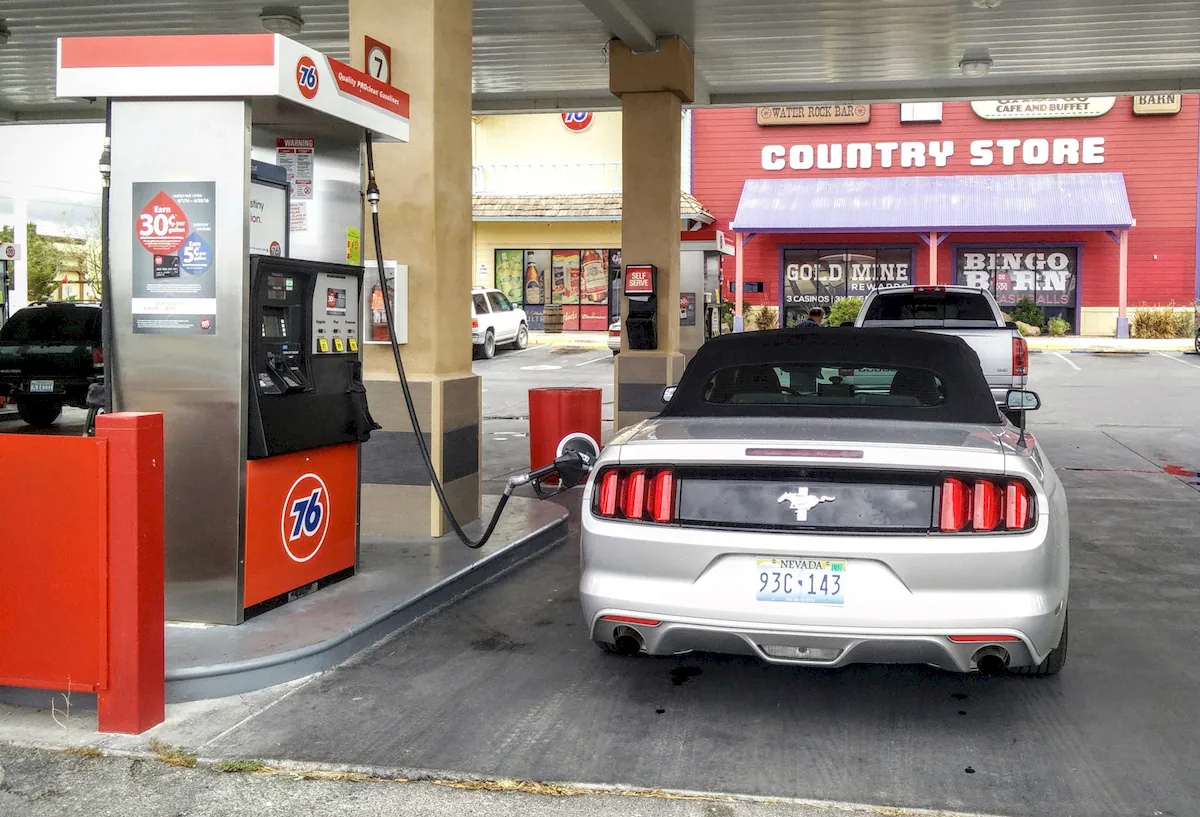
Fuel-system specialists explain why: when the level drops close to empty, the fuel pump can start pulling in not just gasoline or diesel, but also sediment that settles at the bottom of the tank over time. Those tiny particles can clog fuel filters and damage injectors, leading to costly repairs.
There’s also a middle ground when it comes to how full the tank should be. Many mechanics recommend keeping it roughly 40 to 70 percent full. A nearly empty tank encourages condensation to form inside, while constantly overfilling can put extra pressure on the ventilation system, increasing evaporation and fuel loss.
Driving style matters as well. Stop-and-go city traffic burns more fuel than steady highway cruising, so relying solely on the onboard computer can be misleading. A common piece of advice is to refuel when the gauge drops to about half a tank. It provides a comfortable buffer and avoids running too low.
Where you fill up is just as important. Large, high-volume gas stations tend to sell fresher fuel because it turns over quickly, reducing the risk of water or residue buildup. If possible, pay attention to how the fuel looks and smells. Clear fuel without a sharp odor is usually a good sign. Cloudy fuel is a red flag—it can clog filters and injectors in a matter of a few hundred miles.
Not sure if a station is worth sticking with? Try logging your mileage at each fill-up in your phone and tracking average fuel consumption. If you notice it creeping up, it may be time to switch stations. And if the car suddenly starts idling rough, shaking, or jerking under acceleration right after refueling—when everything was fine before—that’s often a clear sign you’ve been sold poor-quality fuel.
You may also be interested in the news:
When the First Freeze Hits, Put Newspaper Under Your Floor Mat: An Old Winter Driving Trick
Newspaper under a floor mat can help protect a car's floor from winter moisture, but it requires regular attention.
How a Repair Shop Can Overcharge You: What Every Driver Should Know
An experienced mechanic knows how to increase a repair bill, and drivers should know what to watch for before approving work.
How to Find the Source of a Car Interior Rattle in 15 Minutes
A simple trick can help drivers pinpoint an annoying interior rattle without taking apart half the cabin or visiting a repair shop.
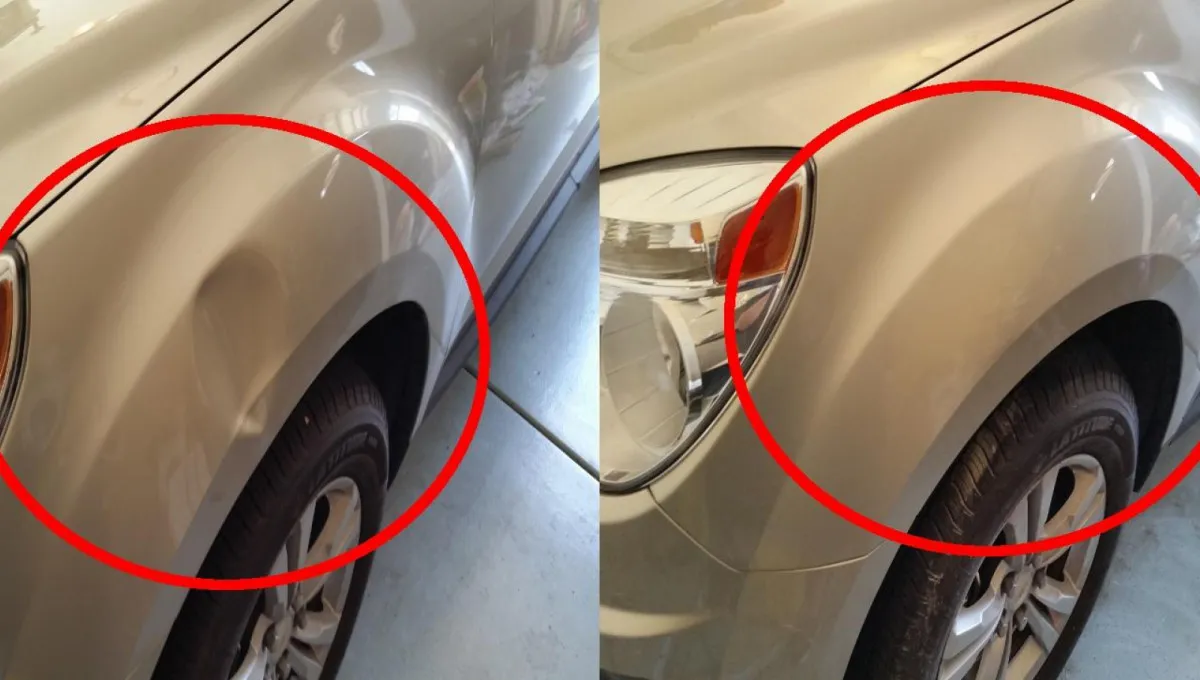
The Dent Can Disappear Without a Trace: How to Repair Car Body Damage Without Paint
Paintless dent repair can restore a damaged panel to its original shape, but only when certain conditions are met.
What Does a Flashing Red Traffic Light Mean? Can You Keep Driving?
Drivers must come to a complete stop at the stop line before deciding whether it is safe to proceed.