
Kawasaki Is Dead Serious: Its Hydrogen-Powered Robo-Horse Is Coming a Decade Earlier Than Expected
What once sounded like a sci-fi promise aimed at 2050 has suddenly turned into a concrete production plan.
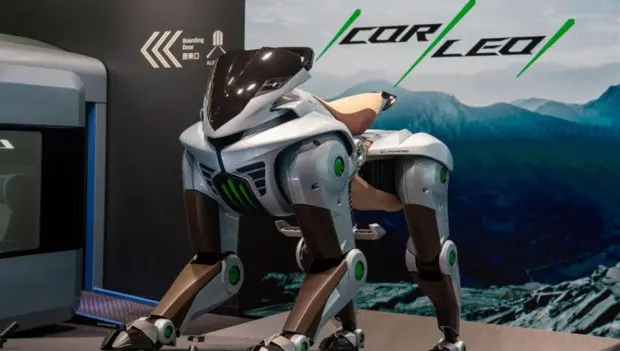
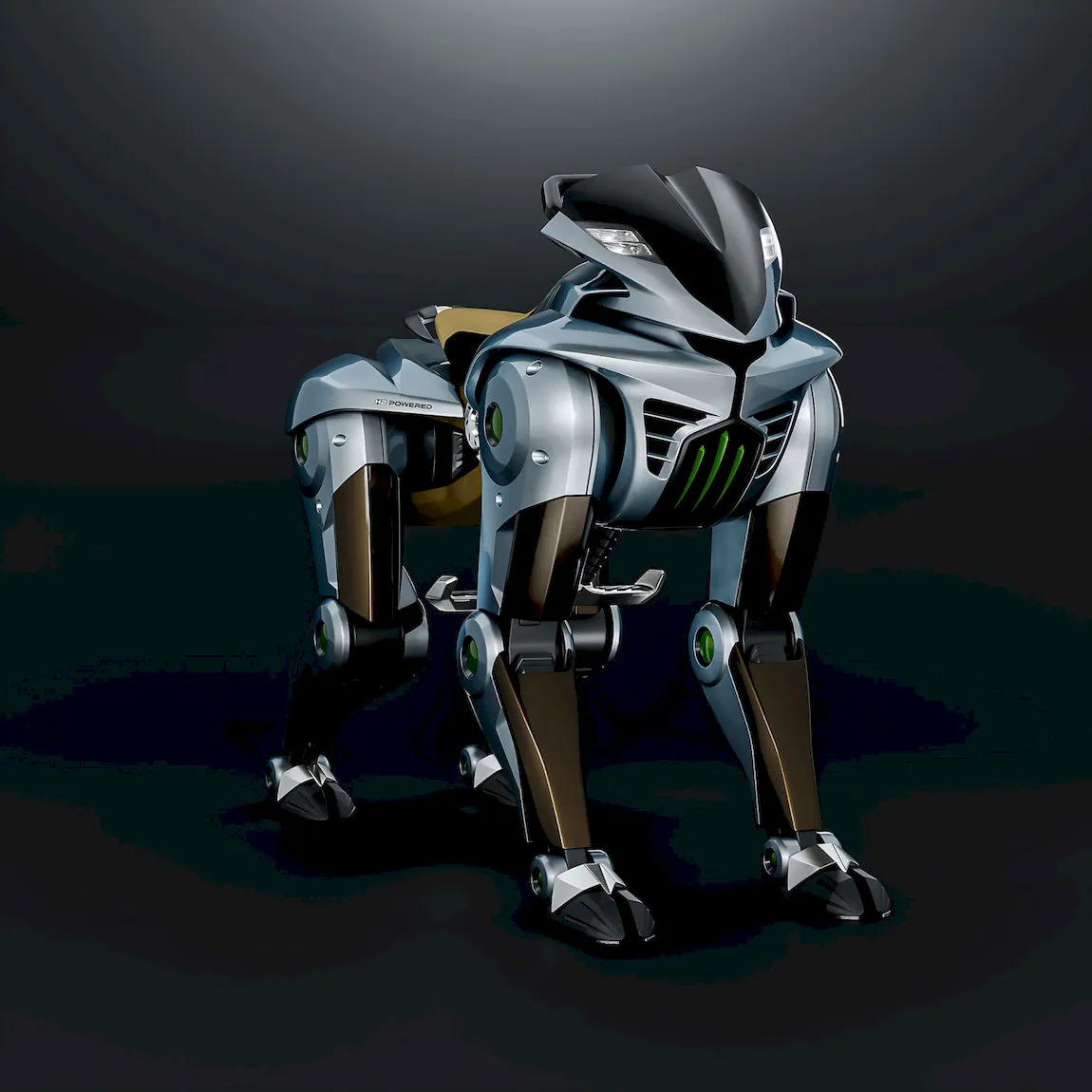
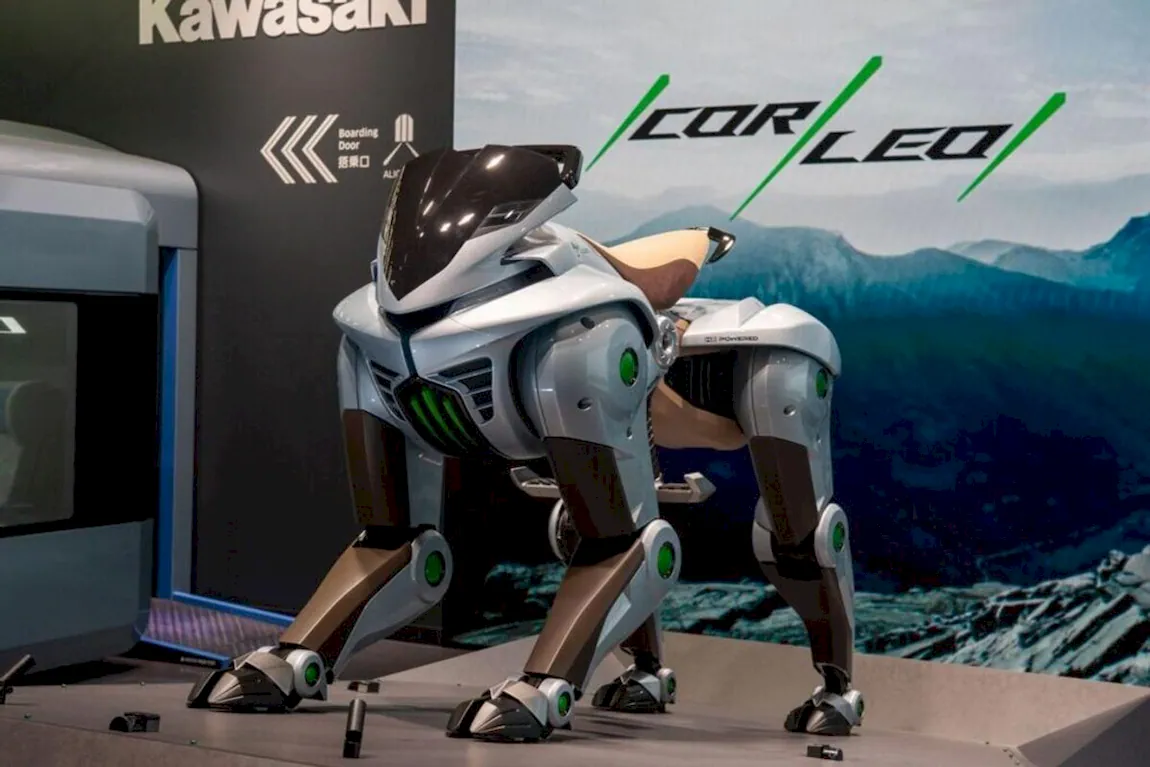
Kawasaki has officially confirmed that its four-legged, hydrogen-powered off-road vehicle called Corleo is headed for production. Even more surprising, the company says the public will be able to see it in person in just four years.
To make that happen, Kawasaki has formed a dedicated unit called the Safe Adventure Business Development Team. Its mission is clear: bring the robotic “horse” to life in time for Expo 2030 in Riyadh. Full-scale sales to private customers are expected to follow starting in 2035.
While engineers continue assembling physical prototypes, Kawasaki is also preparing a virtual side of the project. By 2027, the company plans to release a simulator that lets users experience what it’s like to ride and control a four-legged machine. Data gathered during Corleo’s development — including 3D models and motion physics — is expected to be shared with game developers and even used in esports applications.
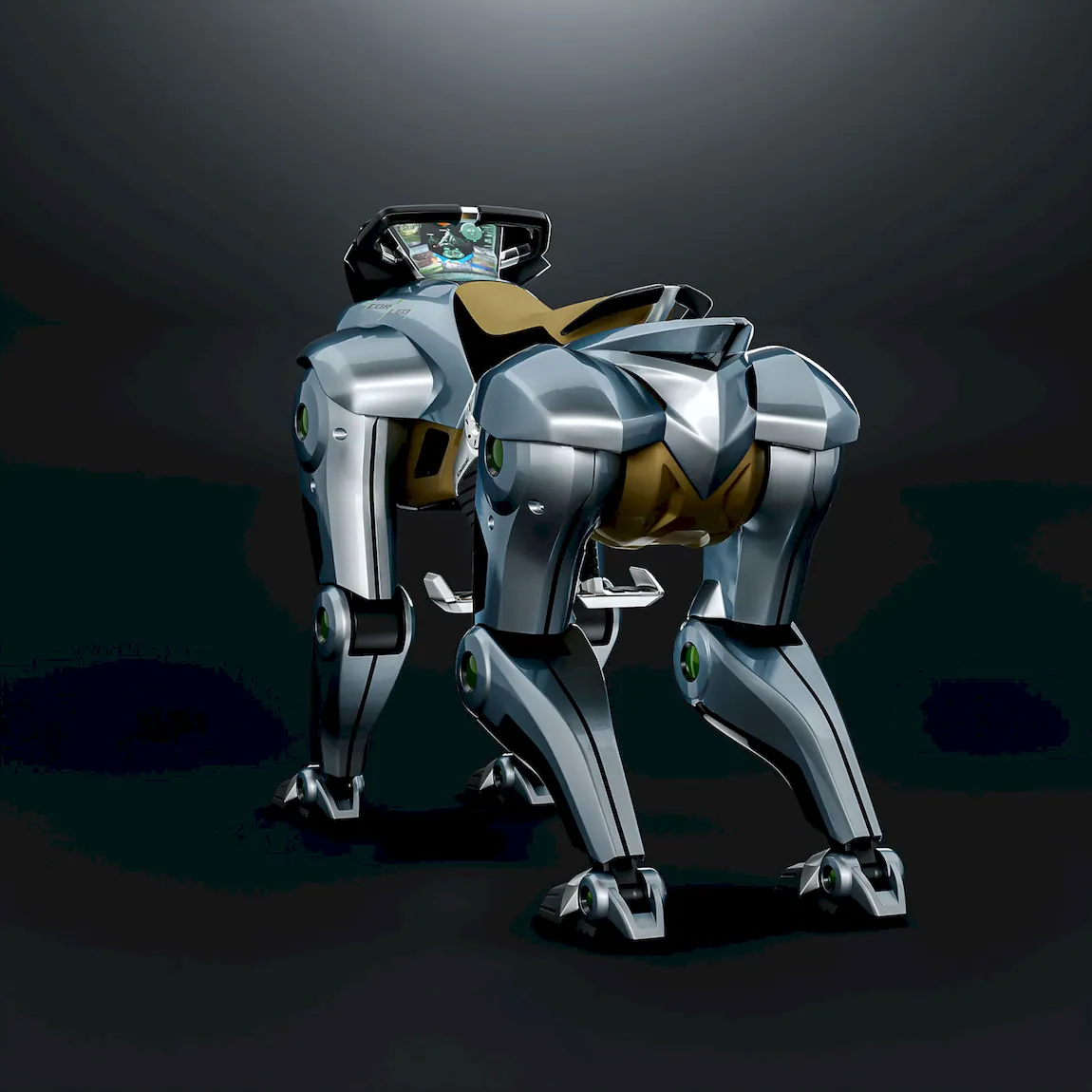
Corleo represents Kawasaki’s attempt to merge motorcycle know-how with advanced robotics in places where wheels simply don’t work. It’s designed for extreme terrain such as mountain trails, rocky landscapes, and river crossings.
Control is meant to feel natural. The rider shifts body weight much like on a real horse, without reins or traditional controls. Power comes from a compact 150cc hydrogen engine that generates electricity for the robotic legs. Hydrogen tanks allow for quiet operation and zero emissions, while onboard AI constantly manages balance and footing to prevent slips on uneven ground.
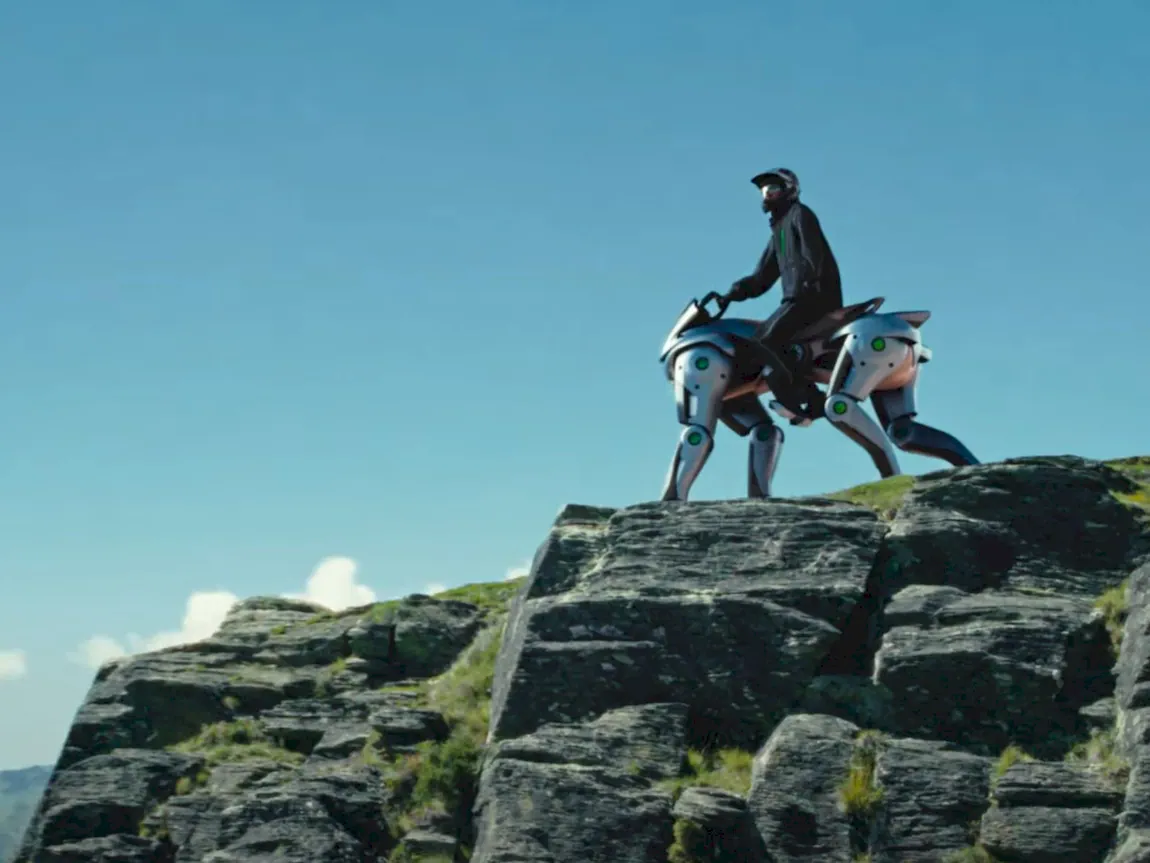
Pricing hasn’t been announced, but one thing is clear: this project has moved well beyond the stage of a “weird concept.” Corleo is now being positioned as a genuine piece of future mobility — and it’s arriving much sooner than anyone expected.
You may also be interested in the news:
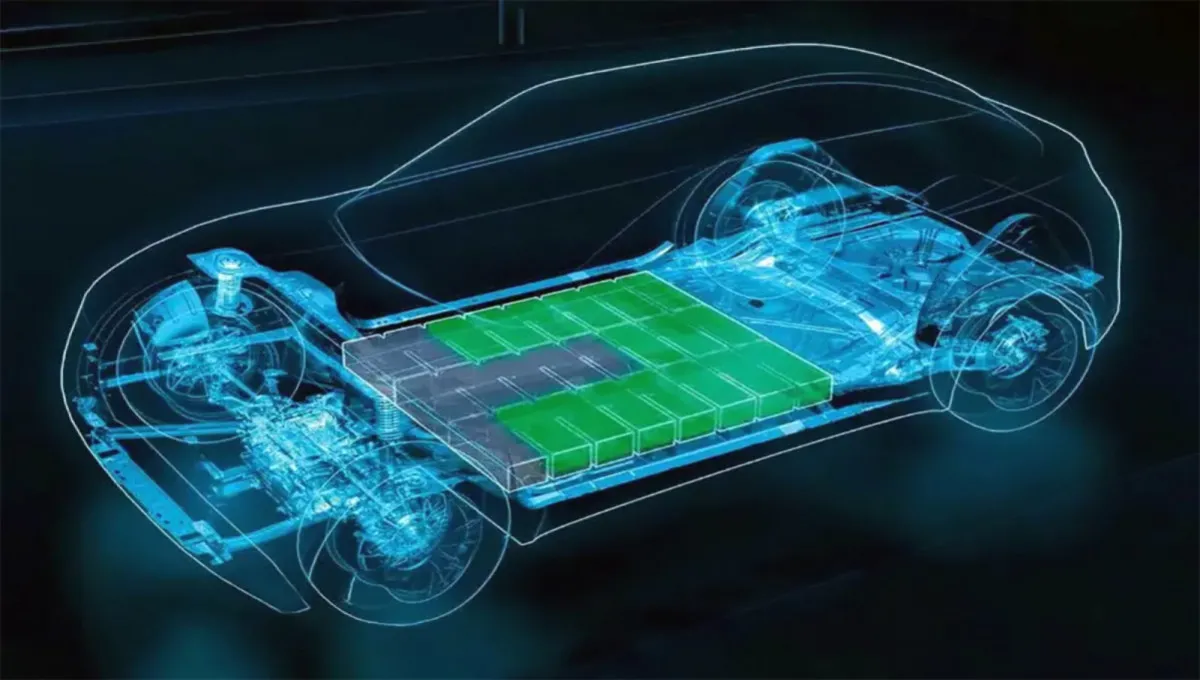
Stellantis Patents System That Lets an EV Drop Its Battery and Drive Away
A new patent details an emergency system that could let an EV disconnect its high-voltage battery and move away from danger.
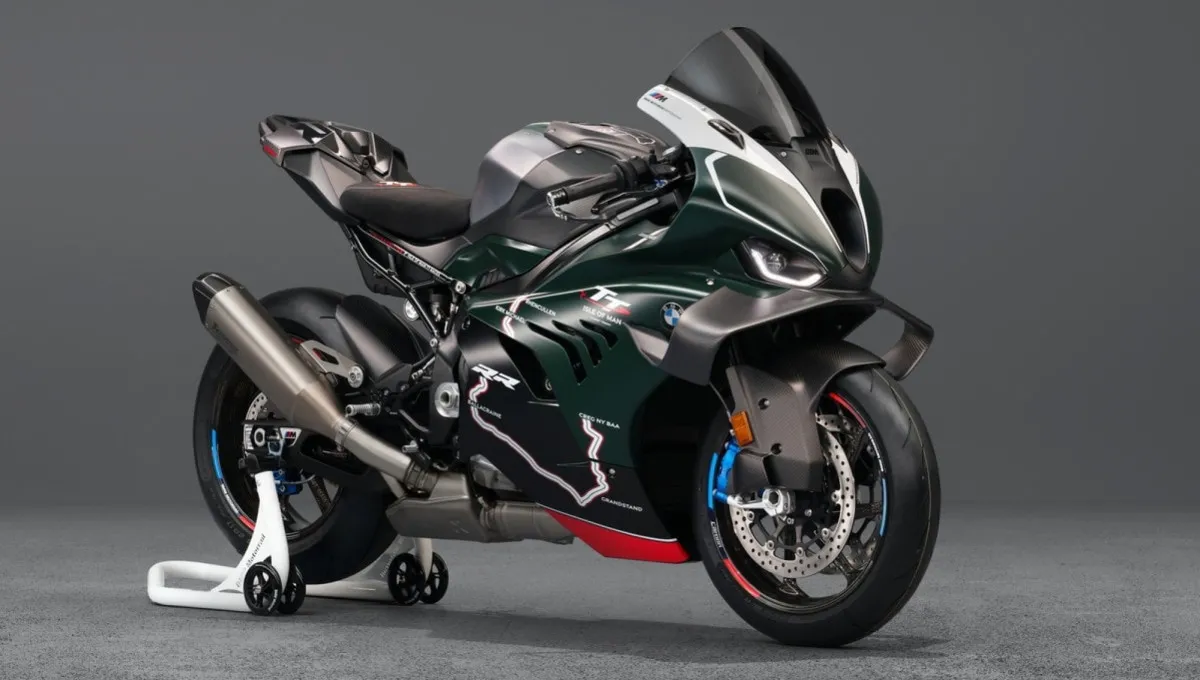
BMW’s $50,000 M 1000 RR Isle of Man TT Edition Is Coming to the U.S. With Just 115 Bikes Built
BMW is bringing a limited-edition M 1000 RR to America, with just 115 motorcycles available worldwide.
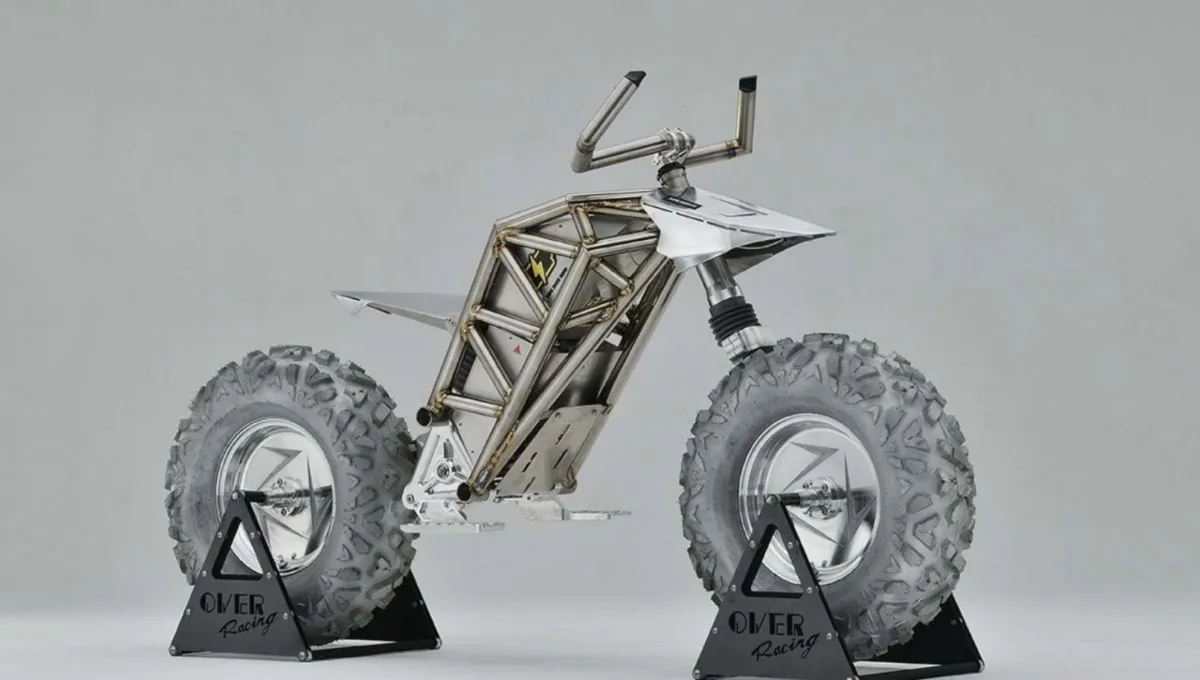
Toyota Was Shown a Motorcycle Built for the Moon—and It Looks Nothing Like a Lunar Rover
OVER Racing has unveiled the Luna Rider-1, a futuristic motorcycle concept designed specifically with lunar exploration in mind.
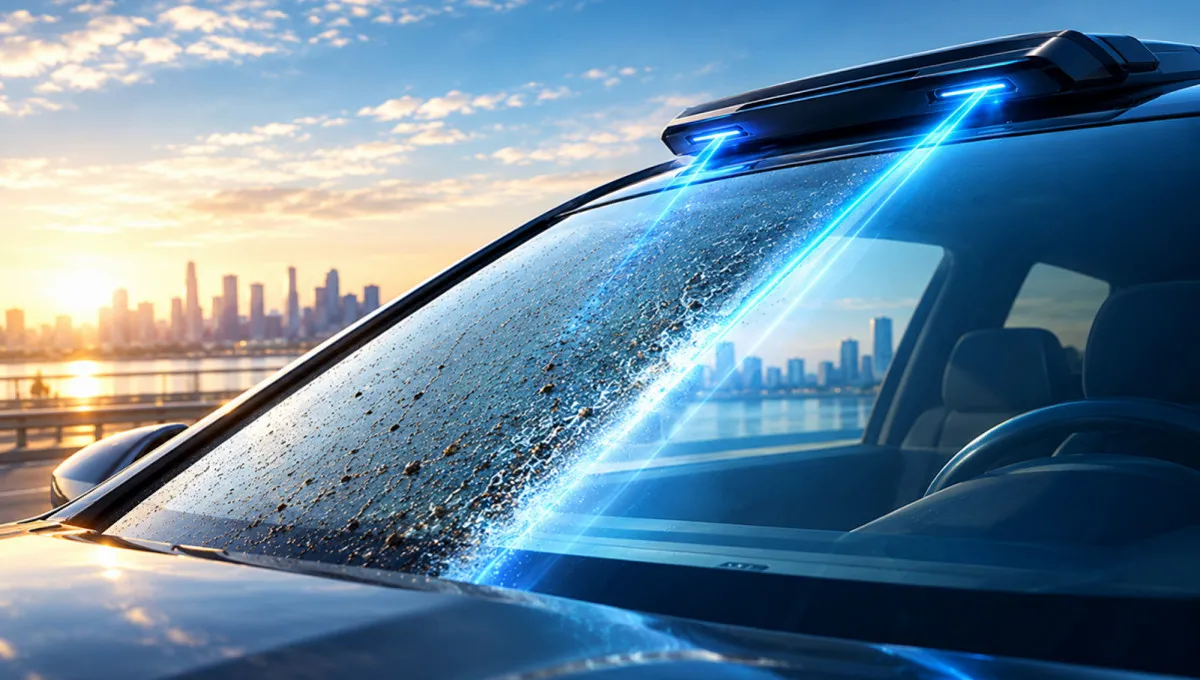
Tesla Patents Laser Windshield Wipers Again in 2026
Tesla is once again pursuing laser windshield cleaning, but the technology raises serious questions about cost, reliability and safety.
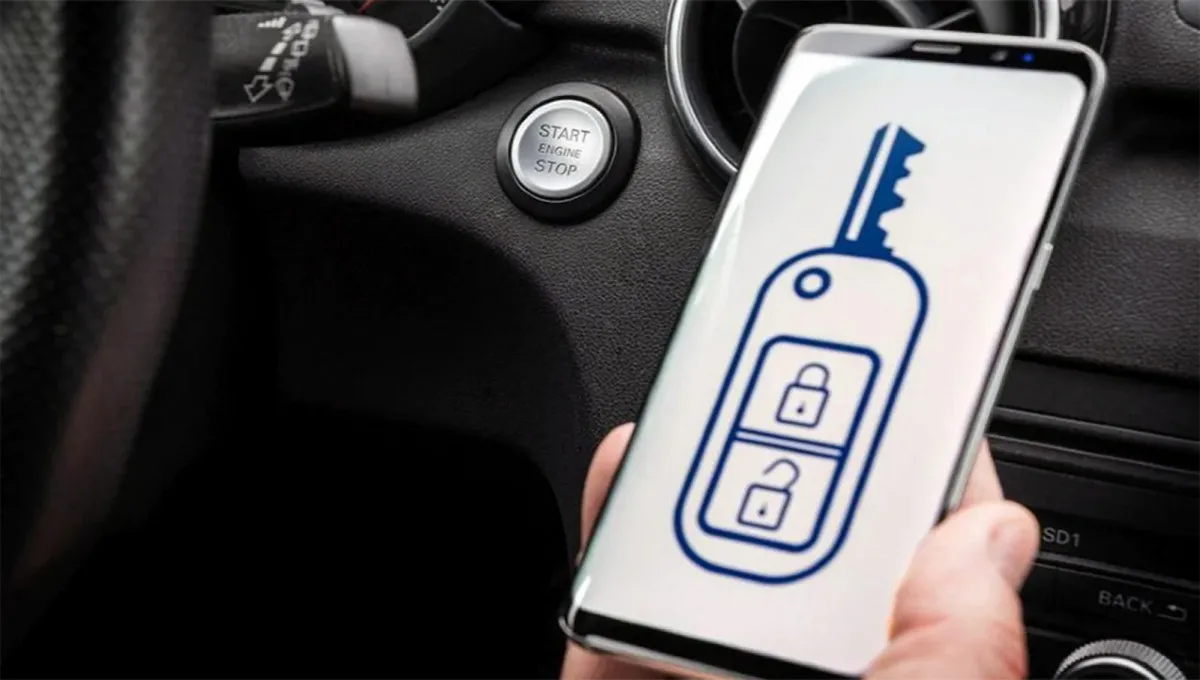
Forget the Key Fob: Apple Car Key Could Soon Expand to More Vehicles
Apple and automakers have yet to reveal the exact models or launch dates for the expanded digital-key feature.