
Items You Should Never Leave in Your Car During Cold Weather
There are certain items you should avoid leaving in a cold car.
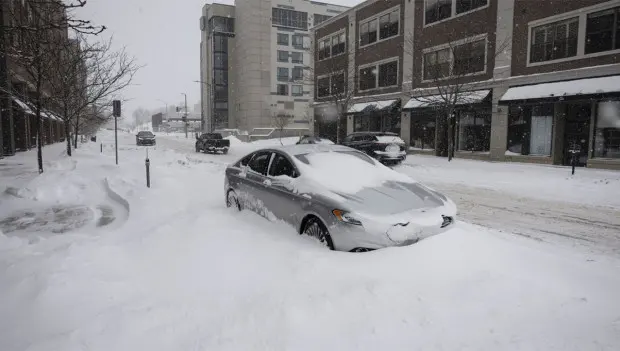
As cold weather sets in, car owners face not only the challenge of starting their engines but also less obvious yet serious risks — damage to or loss of items accidentally left inside the vehicle. There is a list of objects and substances that should absolutely not be kept in a car when temperatures drop below freezing.
Electronics
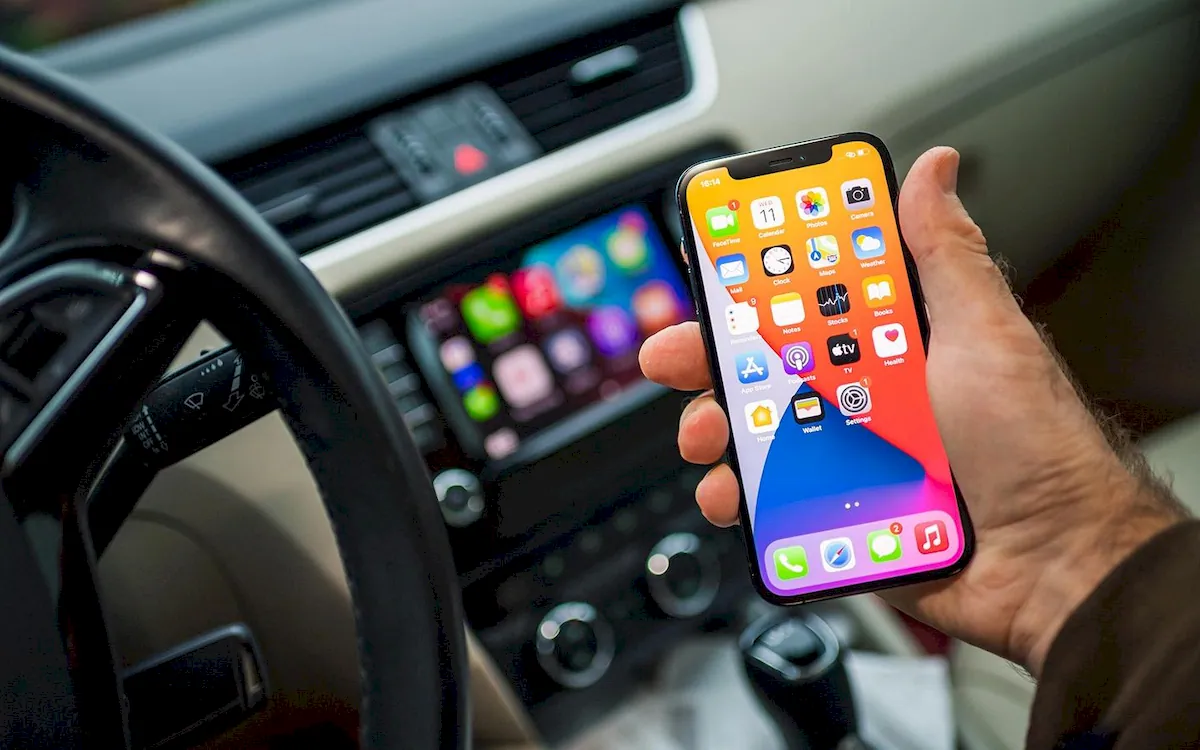
Modern smartphones, tablets, laptops, and portable speakers are especially vulnerable to cold temperatures. The batteries used in most electronic devices begin to lose capacity in the cold. At temperatures below 14°F (-10°C), internal chemical processes slow down so much that a device may simply shut off.
The main danger, however, occurs when a “frozen” gadget is brought back into a warm environment. Moisture can condense on the surface and inside the device, potentially causing short circuits, corrosion of contacts, and irreversible damage.
Devices without protective cases or with compromised seals are particularly at risk. Many electronics manufacturers explicitly state in their technical documentation that storing or using their products at temperatures below -4°F (-20°C) is not recommended.
In addition, sudden temperature changes can lead to microcracks in displays (especially OLED screens). A screen with such damage may darken, become sluggish, or fail completely. Even leaving a smartphone or other gadget in a car for just a few minutes during a deep freeze can be enough to trigger problems.
Medications and Medical Supplies
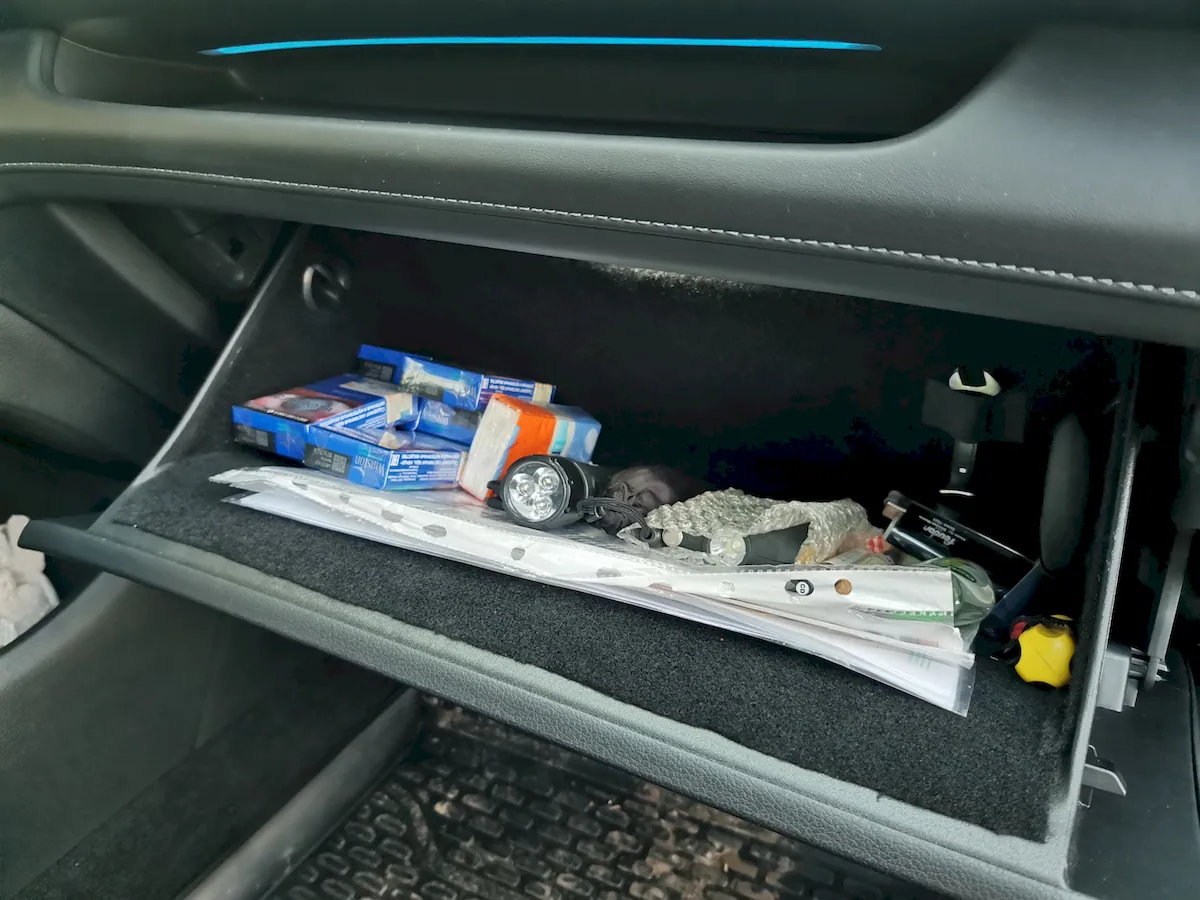
Some drivers are accustomed to keeping a first-aid kit, vitamins, inhalers, or even insulin in the glove compartment. While convenient, this habit becomes extremely risky in winter. Most medications require a strict storage temperature, which is clearly stated in their instructions.
When this temperature range is violated and medications freeze, they may crystallize, separate, or lose their effectiveness. For example, insulin changes its structure when frozen and becomes ineffective. Liquid antibiotics are also prone to degradation at low temperatures.
To avoid health risks, it’s best to keep medications out of the car during winter and carry them in a bag you take with you. Another option is using specialized insulated containers if there’s a chance medications must be left in the vehicle.
Drinks and Food
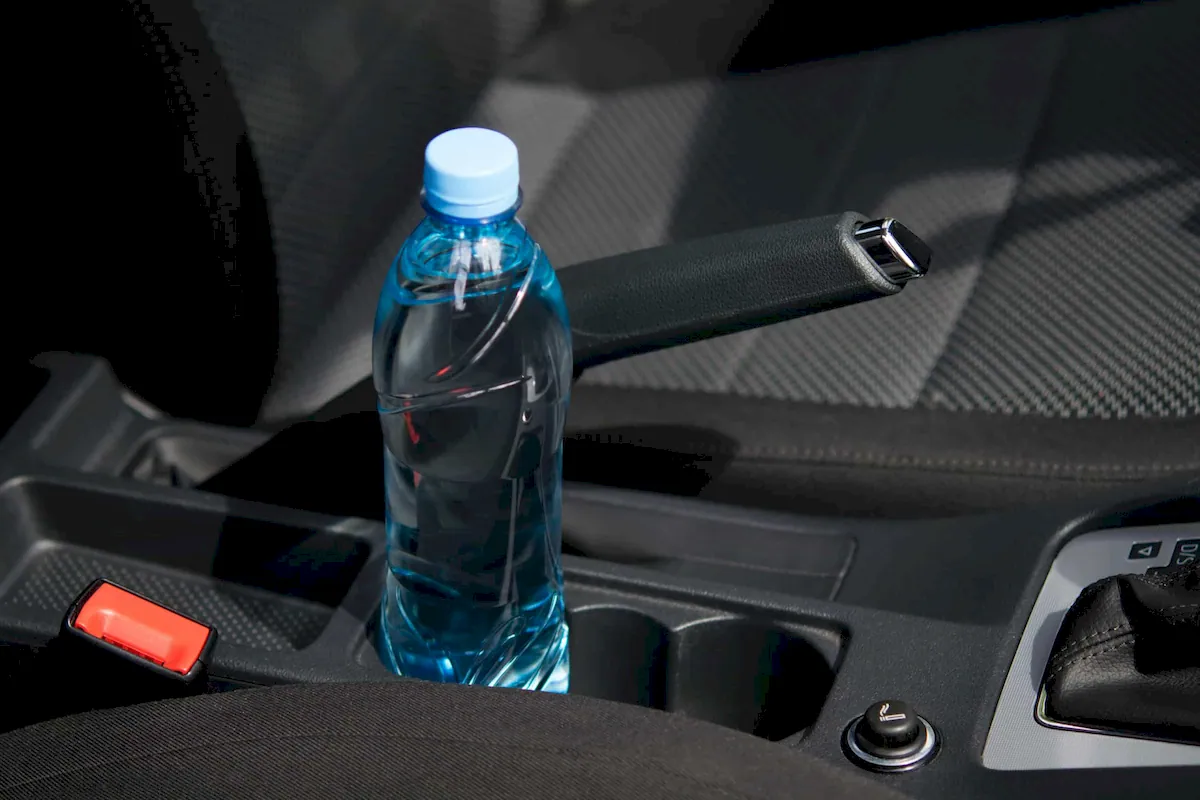
A can of soda, a bottle of water, or a yogurt may seem harmless, but in freezing temperatures they can cause real trouble. Water expands when it freezes, which can cause plastic bottles to burst and spill everywhere. Glass bottles can shatter violently, leaving dangerous shards on the seats and floor.
Carbonated drinks are especially hazardous because pressure inside the container increases when frozen. Even if the can or bottle doesn’t burst right away, it may explode later — for example, when opened or during a sudden temperature change. This can result not only in a messy, damaged interior but also in injuries to people inside the car.
Alcohol requires special attention in winter as well. Spirits with an ethanol content above 30% freeze at around -22°F (-30°C). Beer, wine, and liqueurs can begin to crystallize at temperatures ranging from 23°F to 0°F (-5°C to -18°C). This not only ruins the taste but can also compromise the integrity of the bottle.
Cosmetics and Perfume
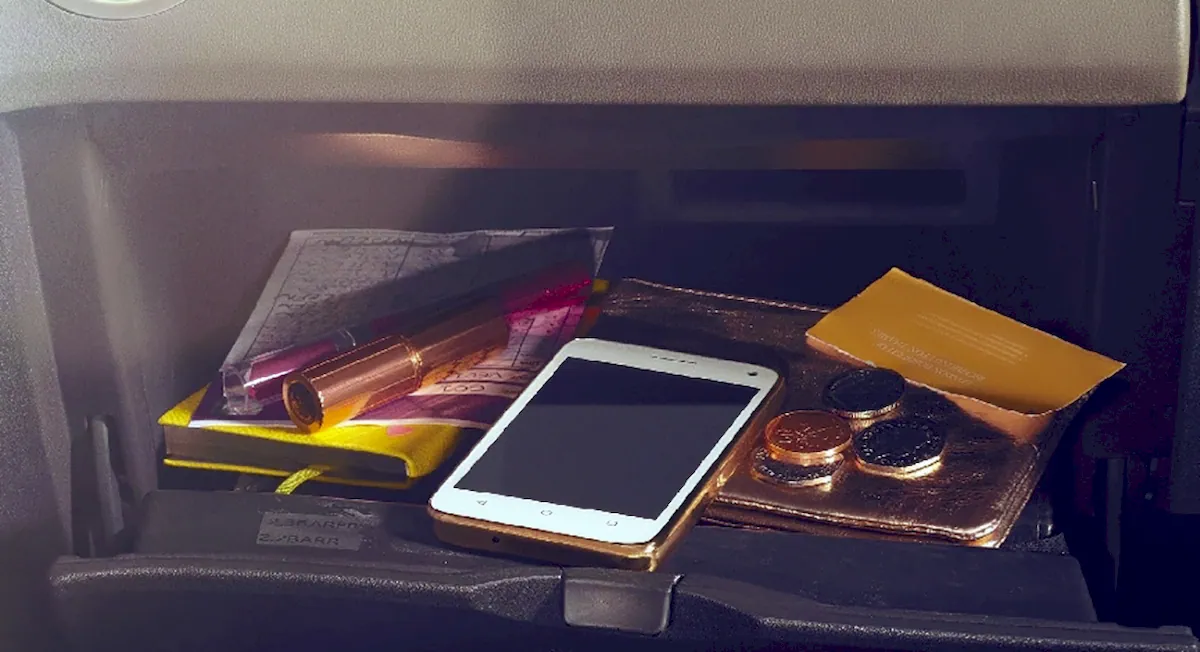
In cold weather, creams, foundations, lipsticks, and perfumes can be permanently damaged.
The water in cosmetics freezes, oil components separate, and the emulsion breaks down. After thawing, such products do not recover — they lose texture, scent, and beneficial properties. In the worst cases, they may cause skin irritation.
Perfumes and eau de toilette can lose their top notes, while base notes may become unnaturally harsh. This happens because temperature fluctuations disrupt the balance between water, alcohol, and aromatic compounds in the fragrance.
Documents and Paper Items
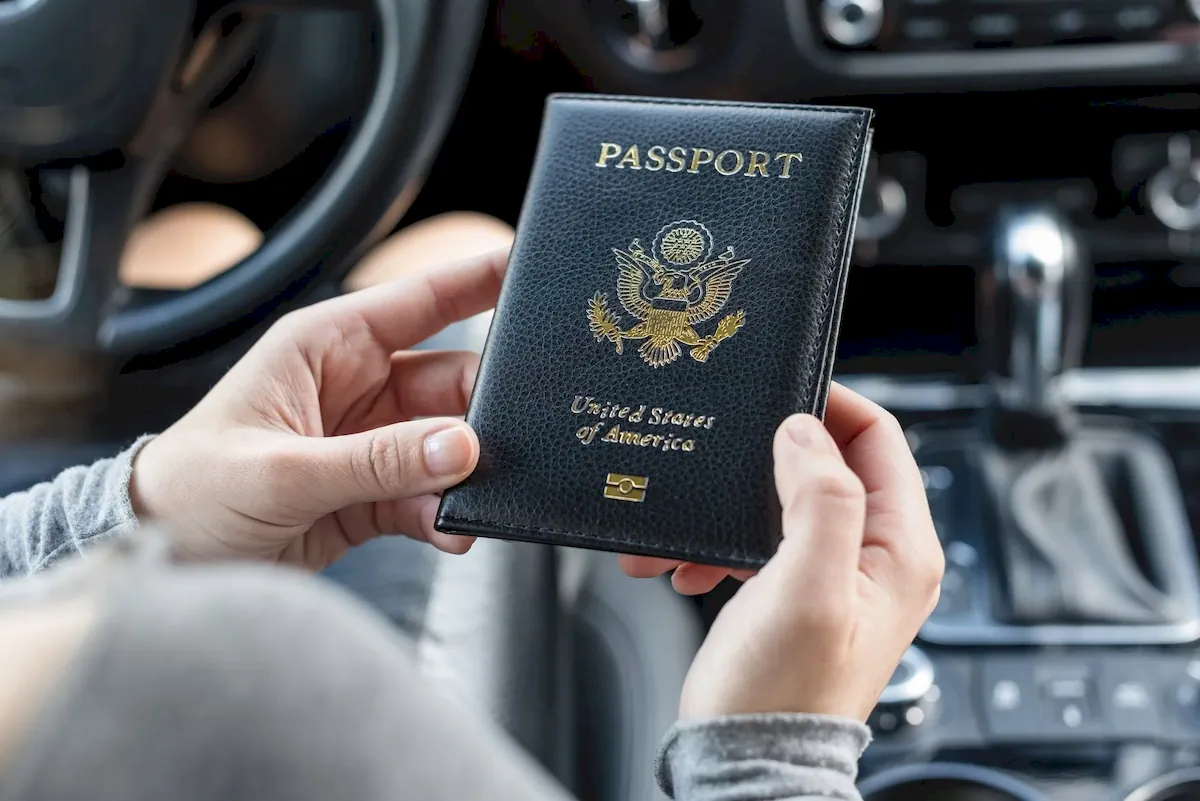
Passports, driver’s licenses, and other paper documents should not be left in a car during freezing weather. Paper becomes brittle at low temperatures, especially in humid conditions, and can easily crack along folds. Ink may also smear or fade, particularly if the printing quality is poor.
If there is moisture inside the car — for example, from snow on shoes — it can freeze in extreme cold and then damage paper when it thaws. As a result, documents may stick together, warp, or even develop mold.
You should also avoid leaving important paperwork, bank cards, or USB flash drives in your car during winter. While plastic may not crack immediately in the cold, repeated temperature swings degrade its properties. Cards may start malfunctioning at payment terminals, and flash drives may lose stored data.
You may also be interested in the news:
When the First Freeze Hits, Put Newspaper Under Your Floor Mat: An Old Winter Driving Trick
Newspaper under a floor mat can help protect a car's floor from winter moisture, but it requires regular attention.
How a Repair Shop Can Overcharge You: What Every Driver Should Know
An experienced mechanic knows how to increase a repair bill, and drivers should know what to watch for before approving work.
How to Find the Source of a Car Interior Rattle in 15 Minutes
A simple trick can help drivers pinpoint an annoying interior rattle without taking apart half the cabin or visiting a repair shop.
The Dent Can Disappear Without a Trace: How to Repair Car Body Damage Without Paint
Paintless dent repair can restore a damaged panel to its original shape, but only when certain conditions are met.

What Does a Flashing Red Traffic Light Mean? Can You Keep Driving?
Drivers must come to a complete stop at the stop line before deciding whether it is safe to proceed.