
Genesis Shares Its Plans: Magma GT Supercar Headed for Production
The premium brand has revealed new details about the development of its Magma performance sub-brand.
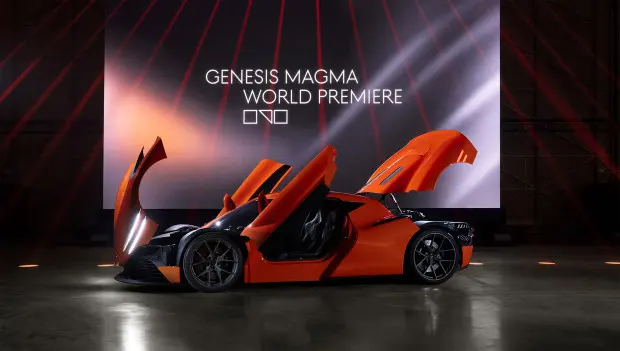
Last fall, Genesis unveiled the mid-engine Magma GT supercar concept. It has now emerged that the car was more than just a design study, as preliminary work on a production version is already underway. The road-going Magma GT is expected to debut before the end of the decade. At the same time, the premium marque has outlined its broader strategy for developing the Magma performance sub-brand.
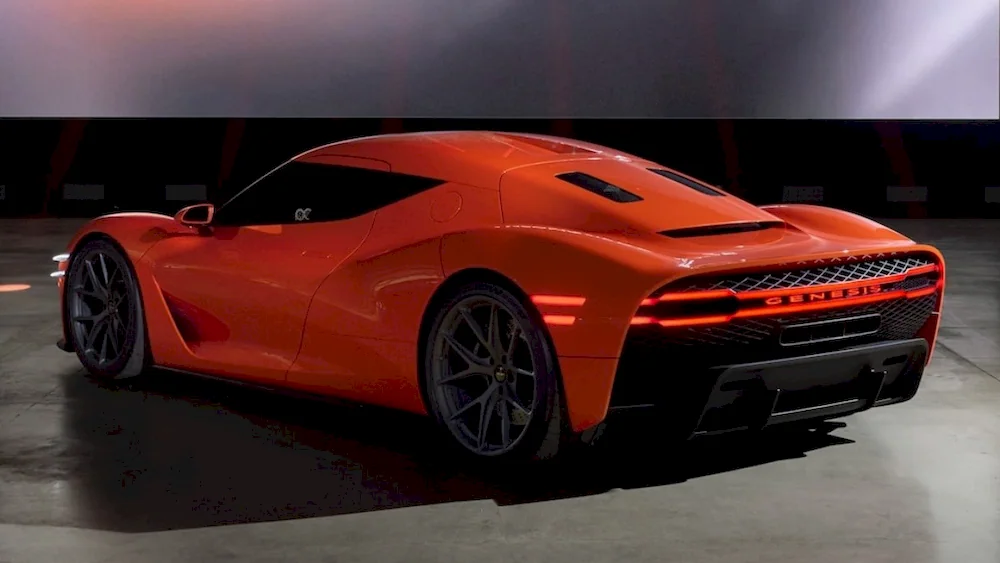
According to Genesis Chief Creative Officer Luc Donckerwolke — a view shared by executives at Hyundai Motor Group — the Magma GT supercar could be the model that truly elevates Genesis into the top tier of luxury brands. Donckerwolke says the design is still being refined, adding that the concept version may be too conservative. The production car, he suggests, should look even more dramatic and expressive.
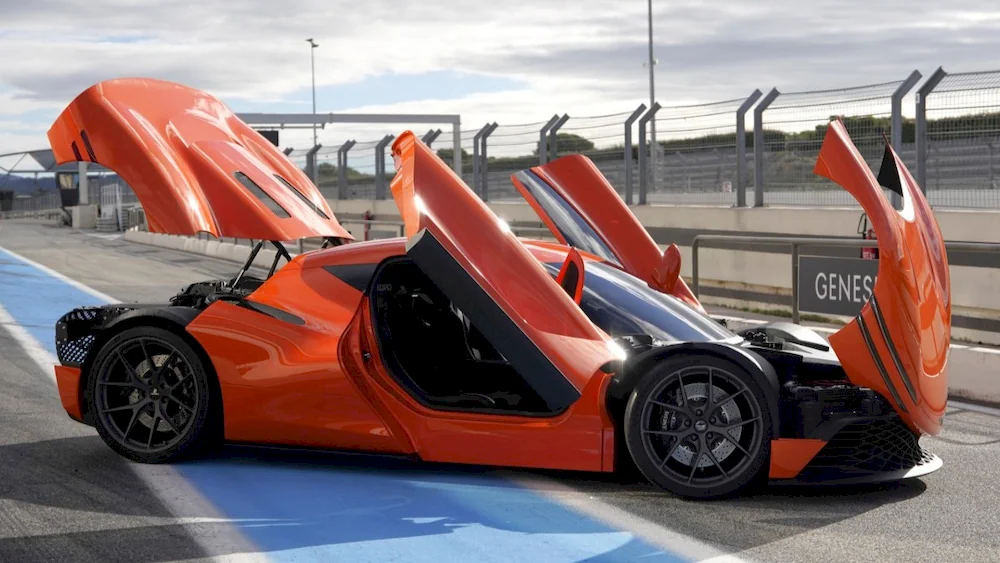
Technical details remain limited, but the Magma GT is expected to feature an aluminum monocoque chassis, which would be less expensive to manufacture than carbon fiber. The car could also receive a twin-turbocharged 3.2-liter V8 derived from the engine used in the Genesis GMR-001 endurance racing hypercar.
Donckerwolke believes the Magma GT platform could remain relevant for as long as 14 years, with profitability supported by regular updates and new variants. Genesis also plans to homologate the supercar for GT3-class competition and produce customer race cars for private teams.
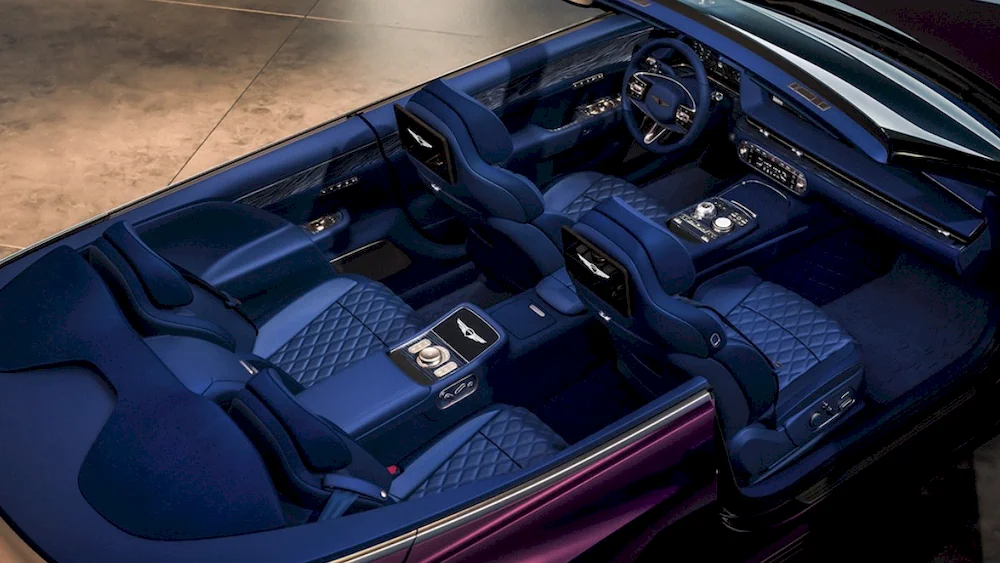
The Magma GT will serve as the flagship of the Magma sub-brand. Eventually, every Genesis model is expected to receive a Magma performance version. However, the differences will go beyond orange paint and increased power, signaling more substantial engineering and design upgrades.
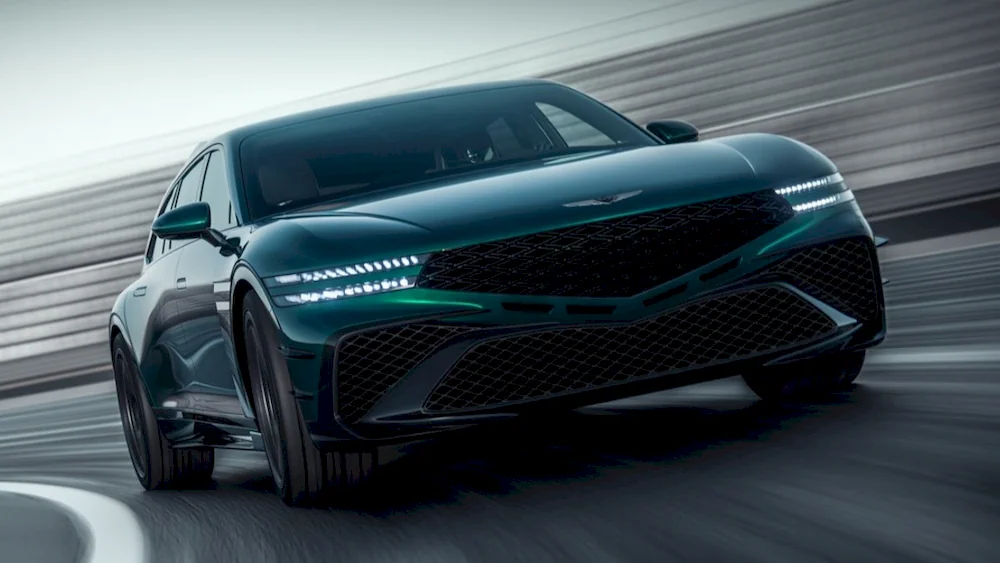
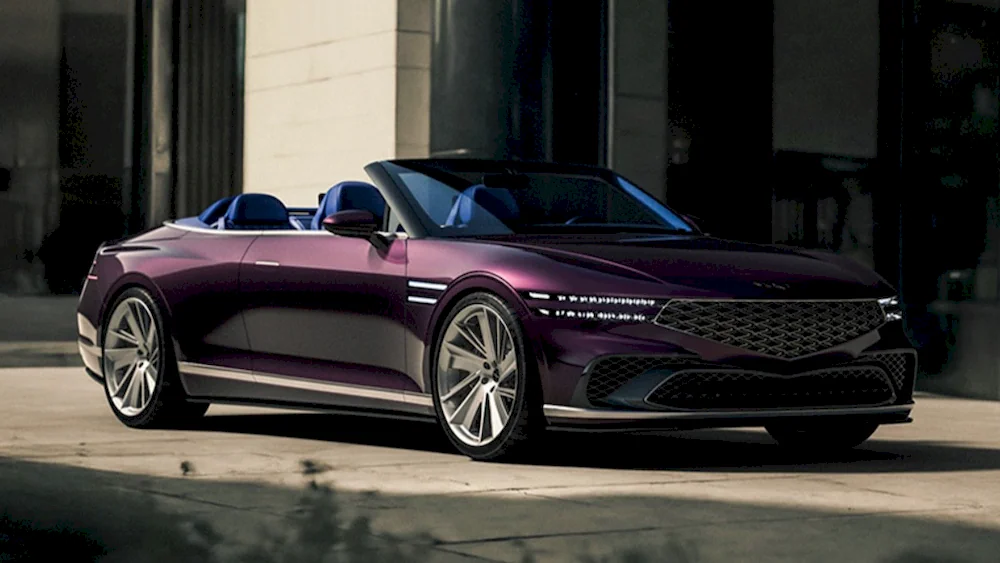
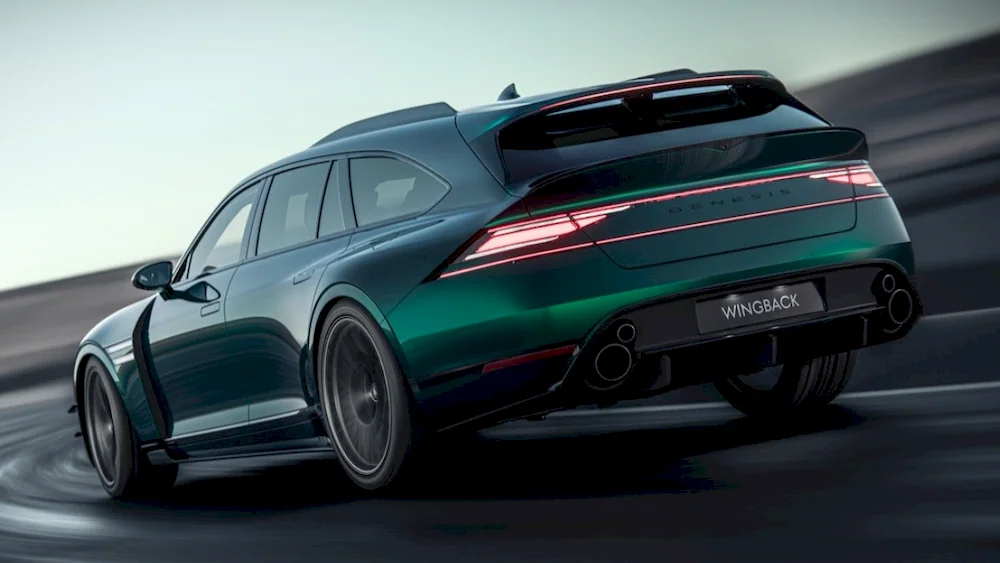
Donckerwolke also pointed to recent concept vehicles such as the Genesis X Gran Coupe, the Genesis X Gran Convertible, and the Genesis G90 Wingback as proof that the company can quickly develop and produce low-volume niche vehicles. Each of these projects, he noted, was engineered to be relatively simple and cost-effective to manufacture, allowing for limited production runs with minimal upfront investment.
Under the company’s strategy, every Genesis model will eventually offer a hybrid powertrain option to help meet sales targets. By 2030, Genesis aims to increase global annual sales to around 330,000 vehicles, up from roughly 225,000 today. North America will remain the brand’s primary market, though the Korean automaker plans significant expansion in Europe, where it hopes to boost sales by 650% by the end of the decade.
You may also be interested in the news:
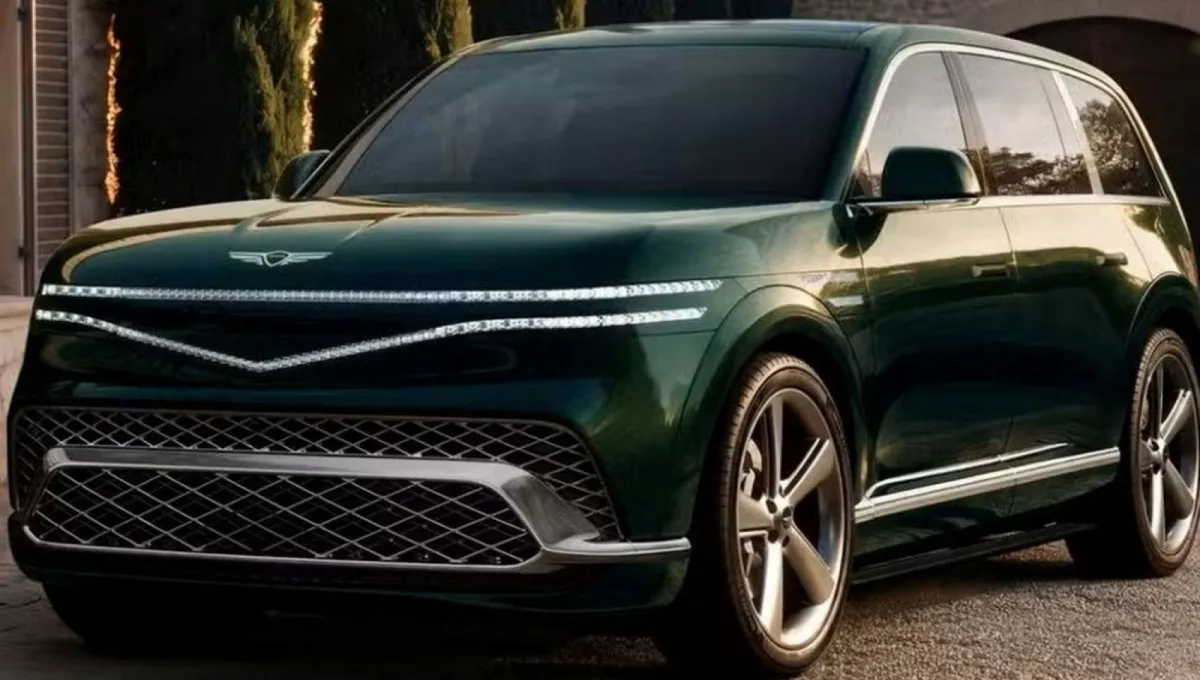
New Genesis GV90 Sets Its Sights on Leadership in the Premium Segment
When Genesis showed the Neolun concept two years ago, many saw it as another design fantasy that would never reach production. But the debut of the production GV90 proved the company was serious. The new flagship crossover not only made it to market but also closely follows the concept, with the only notable change being slightly larger side mirrors to meet regulations.
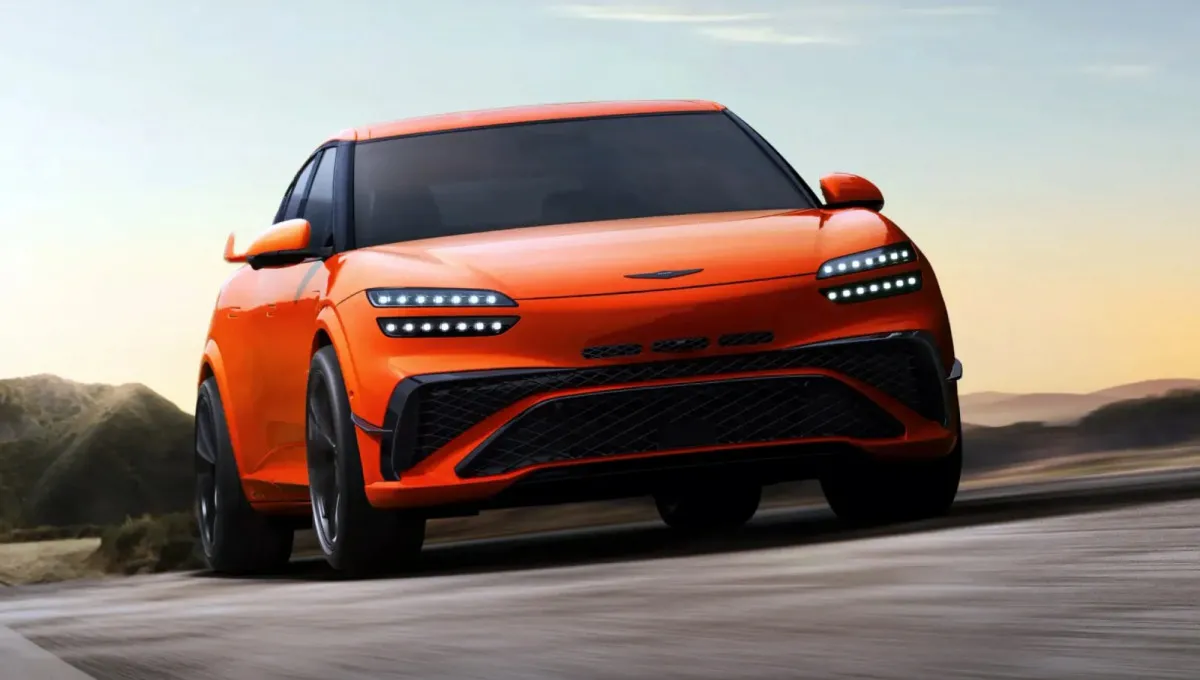
Genesis GV60 Magma Arrives in the US With 641 HP and a Surprisingly Competitive Starting Price
Genesis launches the high-performance GV60 Magma in America with 641 horsepower, rapid acceleration, and aggressive pricing.

Unofficial Renders Preview Refreshed Genesis G90 With an All-New Front-End Design
New unofficial renderings suggest the refreshed Genesis G90 could receive a redesigned front end, upgraded driver-assistance technology, and a new hybrid powertrain.