
NHTSA Warns Mandatory Anti-Drunk Driving Tech by 2026 Could Block Sober Drivers
U.S. regulators admit new alcohol-detection tech in cars still risks stopping sober drivers unexpectedly today.
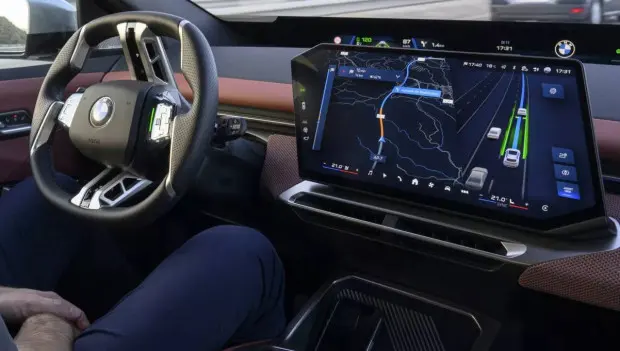
A new report from the National Highway Traffic Safety Administration includes an admission many industry observers expected to hear sooner: the technology designed to automatically detect impaired drivers and prevent a car from moving is still not ready for mandatory use.
With the federal deadline of 2026 approaching, discussion around a potential nationwide “vehicle kill switch” requirement has become more intense. The agency’s latest findings highlight the main concern—false positives. In other words, systems meant to stop intoxicated drivers could mistakenly prevent sober people from driving their own vehicles.
The issue dates back to 2021, when U.S. lawmakers instructed the NHTSA to create a new federal safety standard. Automakers were expected to eventually install passive technology capable of detecting whether a driver is intoxicated—without requiring any action from the driver.
If the system detects impairment, it would automatically block the vehicle from operating.
Regulators were originally given about three years to develop the framework for these rules. But the timeline is effectively slipping because the industry has yet to deliver a solution that meets all the requirements.
Several types of technology are currently under review. According to the report, researchers are evaluating:
- Breath-analysis sensors that monitor alcohol levels in the cabin
- Touch-based sensors that detect alcohol through the driver’s skin
- Camera systems that track driver behavior and alertness
- Software algorithms that analyze driving patterns, such as erratic steering
The challenge is that none of these approaches currently satisfies all three key conditions at once: passive operation, high accuracy, and no driver involvement.
Officials at the NHTSA say their goal is to create standards that minimize false activations and avoid restricting sober drivers. However, existing technologies—especially when operating near the legal blood alcohol limit—still produce errors the agency considers unacceptable.
Even extremely high accuracy rates could still create problems on a national scale. For example, a system that works correctly 99.9% of the time might still lead to millions of incorrect activations per year once installed across the entire U.S. vehicle fleet. In some estimates, the number of mistaken blocks—or missed intoxicated drivers—could reach tens of millions annually.
In essence, the NHTSA is signaling that it is not prepared to force a nationwide rule until a reliable technological solution exists.
That doesn’t mean alcohol-detection systems won’t eventually become standard in future vehicles. But before that happens, regulators say the technology must improve enough to ensure sober drivers aren’t prevented from traveling—while impaired drivers are consistently stopped before they hit the road.
You may also be interested in the news:
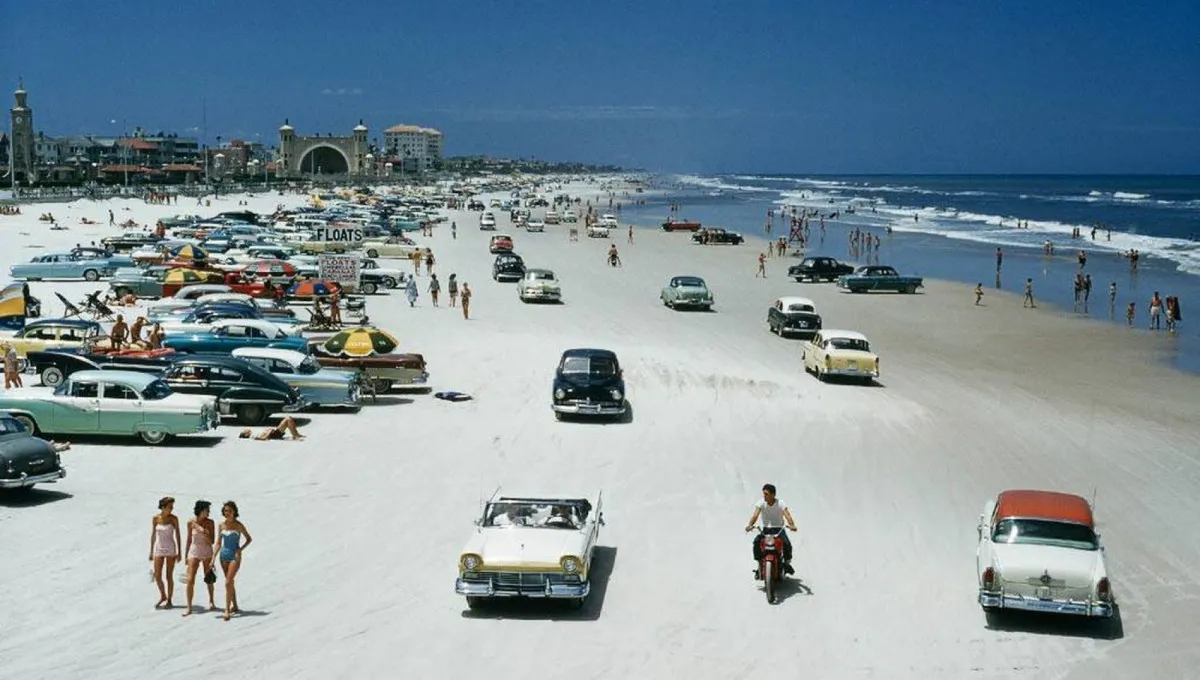
How Much Did American Cars Cost in the 1950s, and Who Could Afford Them?
American cars of the 1950s were large, powerful, and heavily chromed, but how much did they actually cost, and who could afford them?
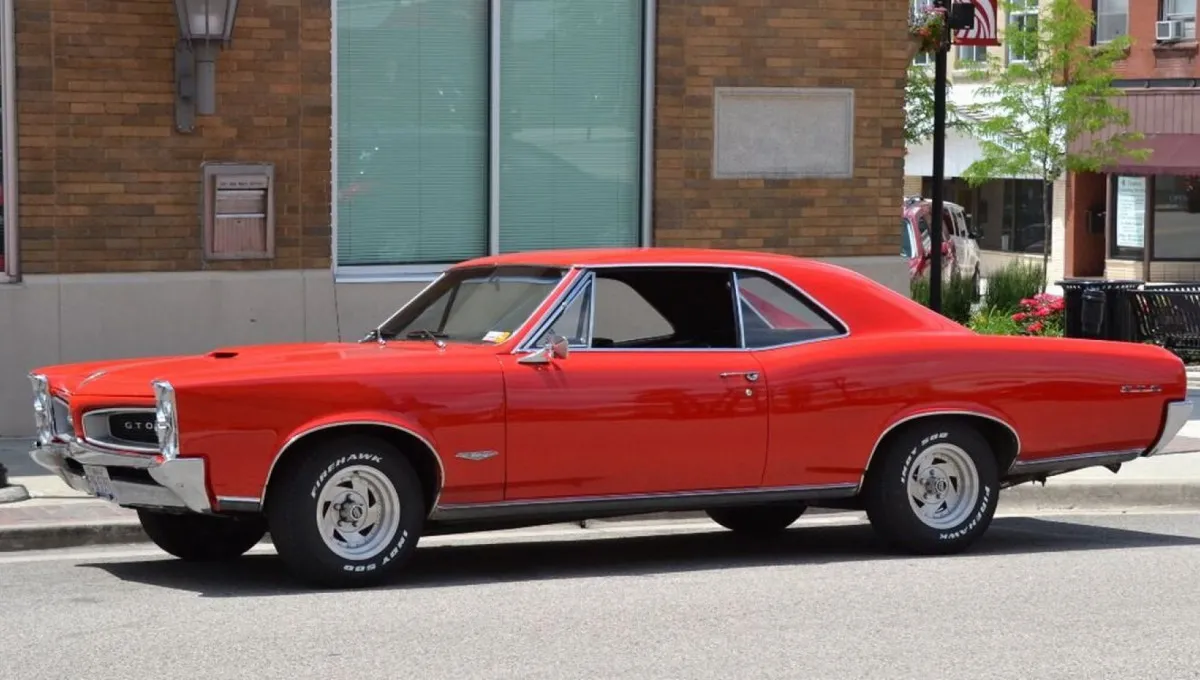
Pontiac GTO — Every American Teenager’s Dream in the 1960s
In 1964, Pontiac created a new kind of American performance car by putting a big-block V8 into the Tempest and launching the muscle car era.
Ford is recalling more than 223,000 F-150 trucks after regulators warned fuel tanks could loosen or leak.
Ford is recalling 223,472 F-150 pickup trucks in the United States after federal safety regulators identified a potential problem with fuel tank security.

It Hauled Kids and Terrified Mustangs: The Story of Chevrolet’s Strangest 1965 Wagon
It simply did its job—loudly, heavily, and with an unmistakable sense of purpose.

5 Rare American Cars You Probably Never Knew Existed — Why They Remained Toys for the Few
America knows how to build cars. Sometimes they’re so brilliant that the rest of the world ends up copying them.