
Why Gas Engines From Kia and Hyundai Are Being Called the Least Reliable Worldwide
Popular Korean models may look solid, but hidden engine flaws can lead to costly failures.
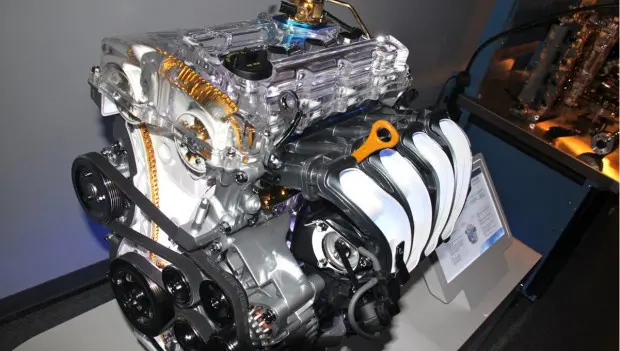
On the used car market, Korean models with naturally aspirated gasoline engines from Hyundai and Kia often seem like a great deal. Prices are attractive, nothing looks suspicious during a basic inspection, and the engine may run smooth and quiet. But the biggest risk is usually hidden deeper.
Most of the trouble is tied to engines from the Theta II family. These powertrains were widely used across Hyundai and Kia lineups about a decade ago. Today, they’re easy to find on the U.S. used market, with plenty of options across different models and trims.
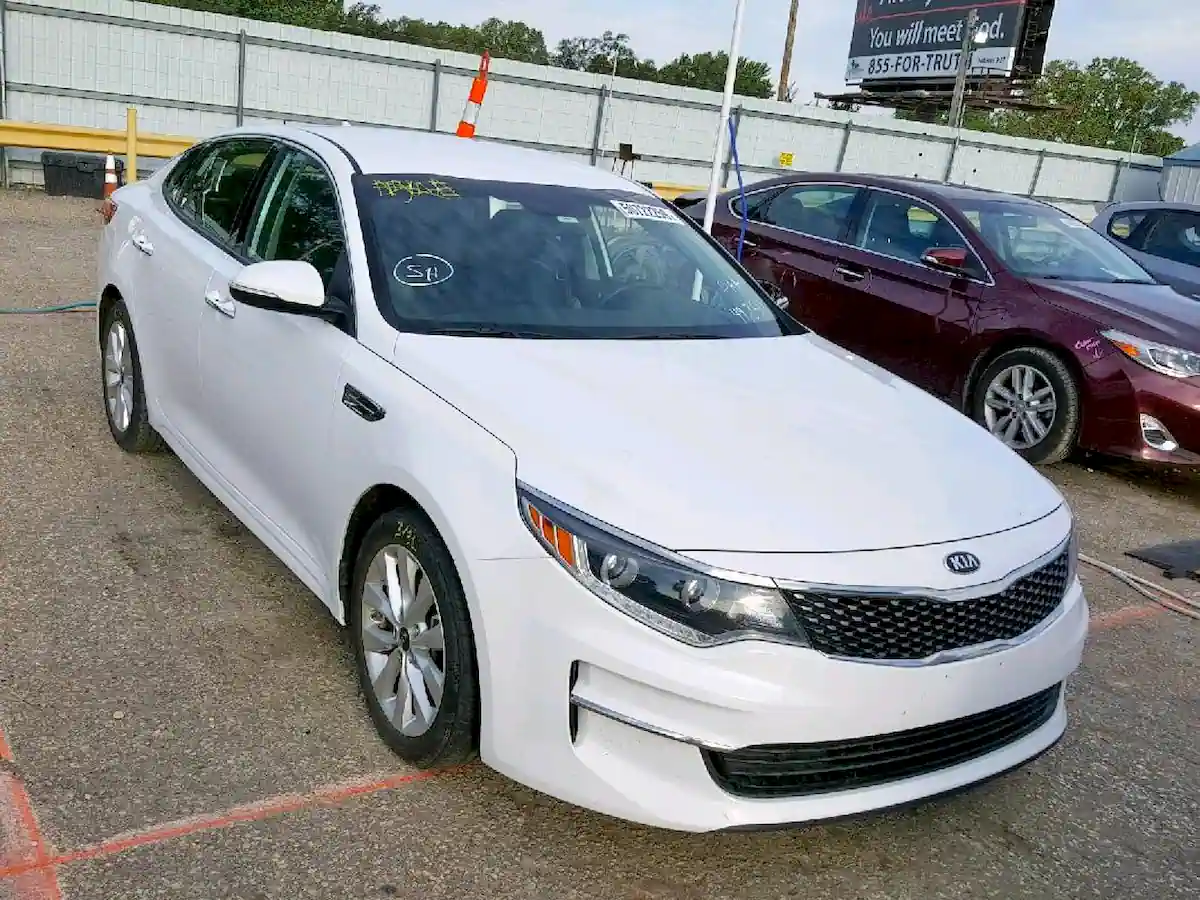
The problem isn’t with sensors or minor components—it’s much more serious. The weak point lies in the engine block itself. If the cylinder walls develop major damage, a simple fix isn’t possible. In most cases, it means a full engine rebuild or outright replacement, both of which come with steep costs. What makes things worse is that this kind of damage can only be spotted with an endoscopic inspection, so skipping that step when buying one of these cars is a risk.
According to industry sources, the most affected versions are the 2.0-liter and 2.4-liter engines. You’ll find them in models like the Hyundai Tucson, Hyundai Elantra, Hyundai Sonata, as well as the Kia Sportage, Kia Optima, and Kia Soul. Some Genesis models were also equipped with these engines.
The first wave of complaints came from owners of the third-generation Sportage. Soon after, service centers began confirming similar issues, and discussions spread across automotive forums. It became clear over time that these weren’t isolated cases. A car could appear perfectly fine—until suddenly it wasn’t. When serious engine damage occurs, repairs can take months and cost thousands of dollars.
In many cases, failures happened at relatively low mileage—around 50,000 miles. For most owners, it came as a shock. Vehicles were properly maintained and driven under normal conditions, without extreme нагрузок. Still, engines failed. Over time, it became evident that the root cause was tied to design flaws.
The Theta II engines have several known weak points. The lubrication system doesn’t always provide enough protection to internal components, which speeds up wear. Over time, damage can develop inside the engine block, and simple fixes won’t solve the problem.
Another issue involves piston cooling. These engines lack oil jets, which increases thermal stress under certain conditions and raises the risk of internal damage.
There are also concerns related to the catalytic converter. When it begins to break down, small particles can enter the cylinders and scratch the walls, leading to scuffing. Drivers may notice a drop in power and other warning signs, but by then, expensive repairs are often unavoidable.
In the United States, the scale of the problem became significant enough that Hyundai and Kia were forced to launch large-scale service campaigns, covering repairs and fixes at their own expense.
You may also be interested in the news:
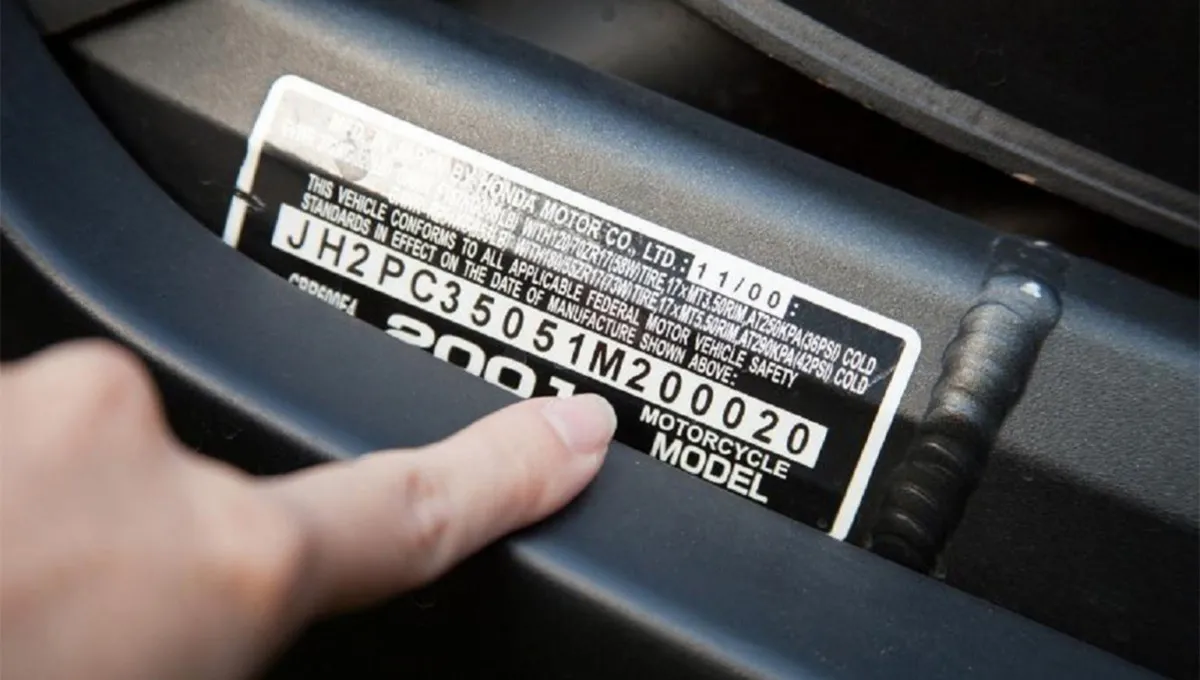
VIN-Based Auto Parts Lookup: Where Buyers Make the Most Mistakes
A VIN helps identify the right replacement part for your vehicle, but it cannot account for every change. Here’s what sellers need to know.
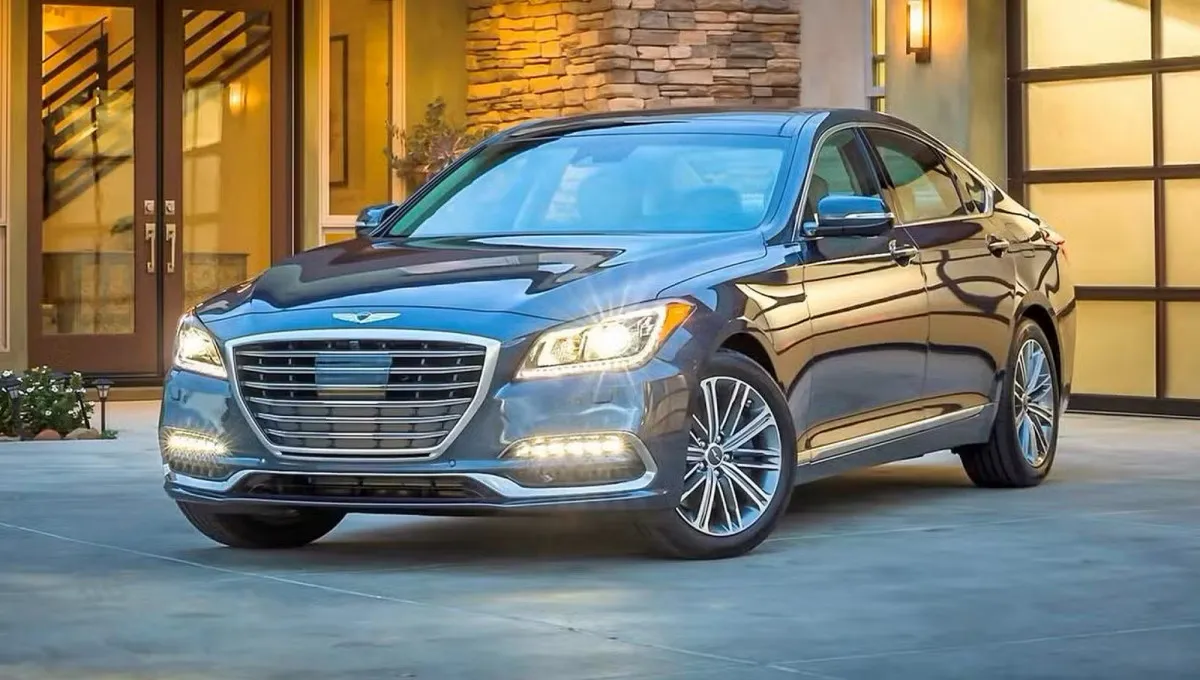
Hyundai Recalls Nearly 95,000 Genesis Sedans Over Fire Risk From Power Seats
Hyundai is recalling 94,622 Genesis sedans after a faulty power seat switch was linked to overheating and potential vehicle fires.
“Are You Sure It’s Chinese?” Who Really Builds China’s Car Engines
Who Really Develops China’s Car Engines?
Why Experienced Drivers Still Warn Against Buying a Used Car With a CVT
CVTs offer smooth acceleration and good fuel economy, but expensive repairs and durability concerns make used models risky.
2026 Ram 1500 Recall: 16K Trucks May Have Faulty Tire Pressure Sensors
Ram is recalling 16,385 model-year 2026 Ram 1500 trucks