
New Audi Q7 Gets Self-Opening Doors, ChatGPT Integration, and a Diesel Engine That Runs on Vegetable Oil
The latest Audi Q7 brings self-opening doors and a diesel engine compatible with vegetable oil-based fuel.
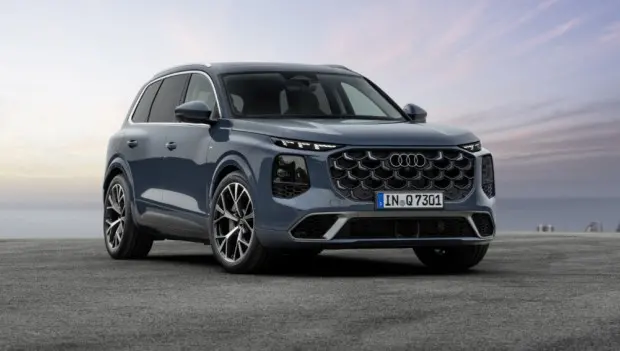
The third-generation Audi Q7 is turning heads not only with its styling, but also with a long list of new technologies. Self-opening doors, built-in artificial intelligence, and diesel engines capable of running on fuel made from vegetable oil are just some of the surprises packed into the latest SUV. Here’s a closer look at why these features matter and what they could mean for American drivers.
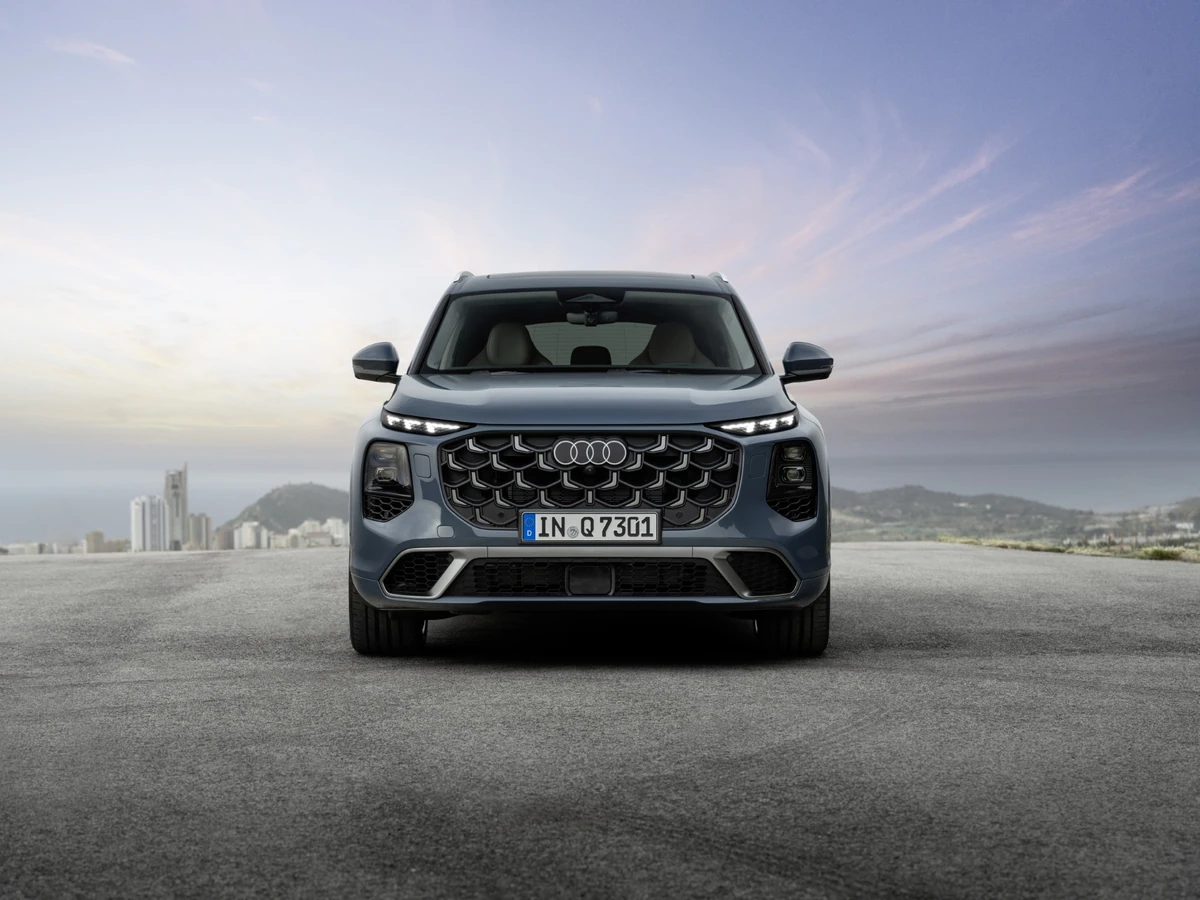
For U.S. buyers, the arrival of the new Audi Q7 is more than just another luxury SUV debut. It offers a glimpse into how quickly expectations for comfort, convenience, and safety are evolving in the premium segment. As competition intensifies, Audi is betting on technologies that until recently seemed more like science fiction than reality.
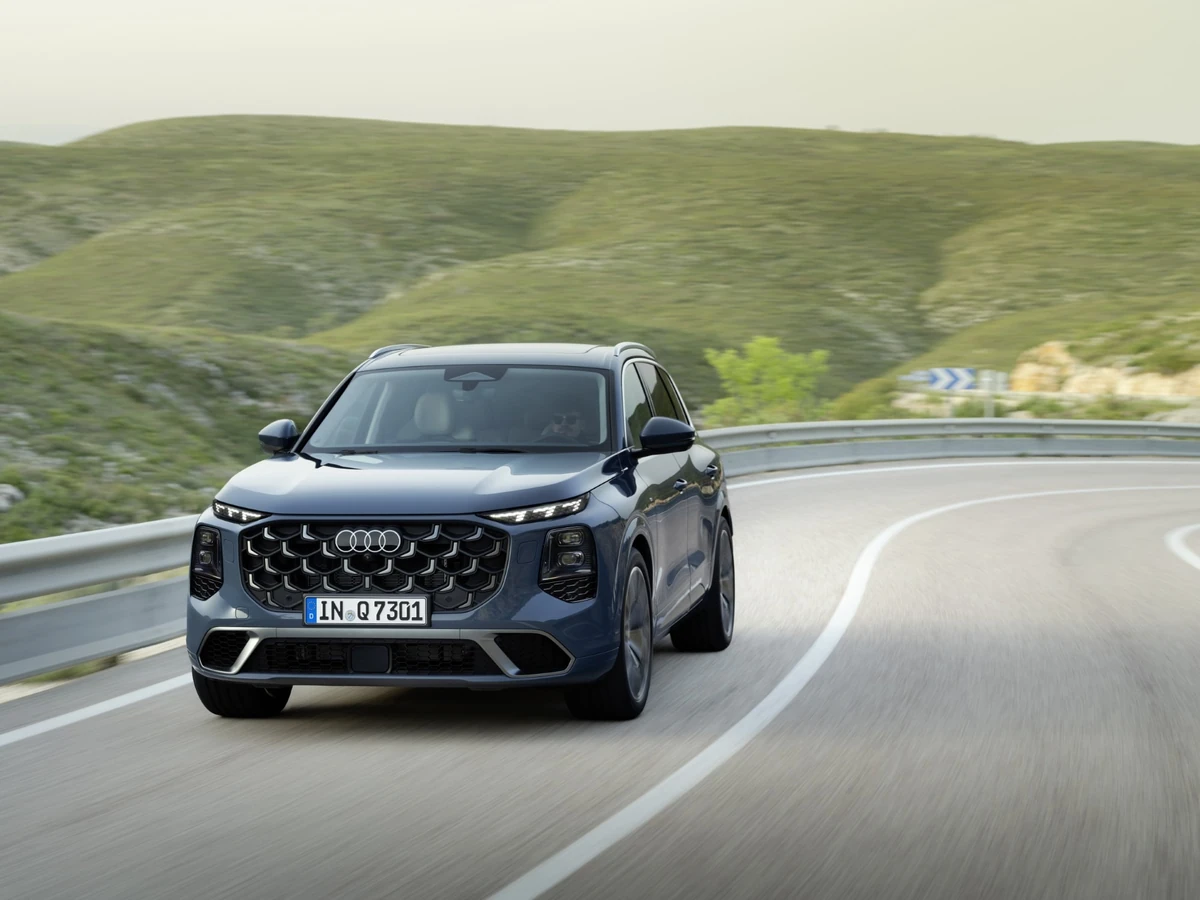
One of the most eye-catching additions is the automatic door system. Drivers and passengers no longer need to pull the handles, as the doors can open and close on their own. Sensors prevent them from striking nearby objects, and the system can also be controlled through a smartphone app. In colder regions of the United States, where drivers often wear gloves during winter months, the feature could prove especially useful.
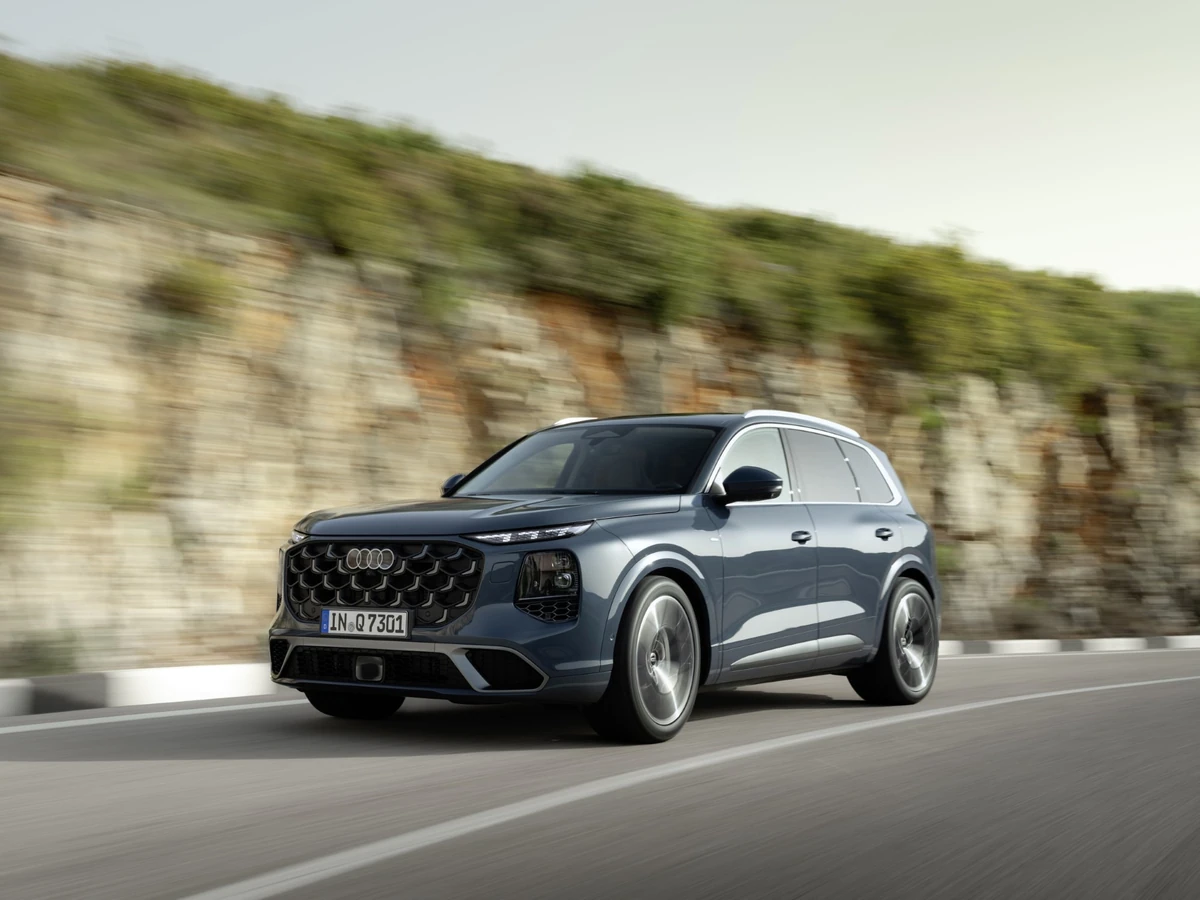
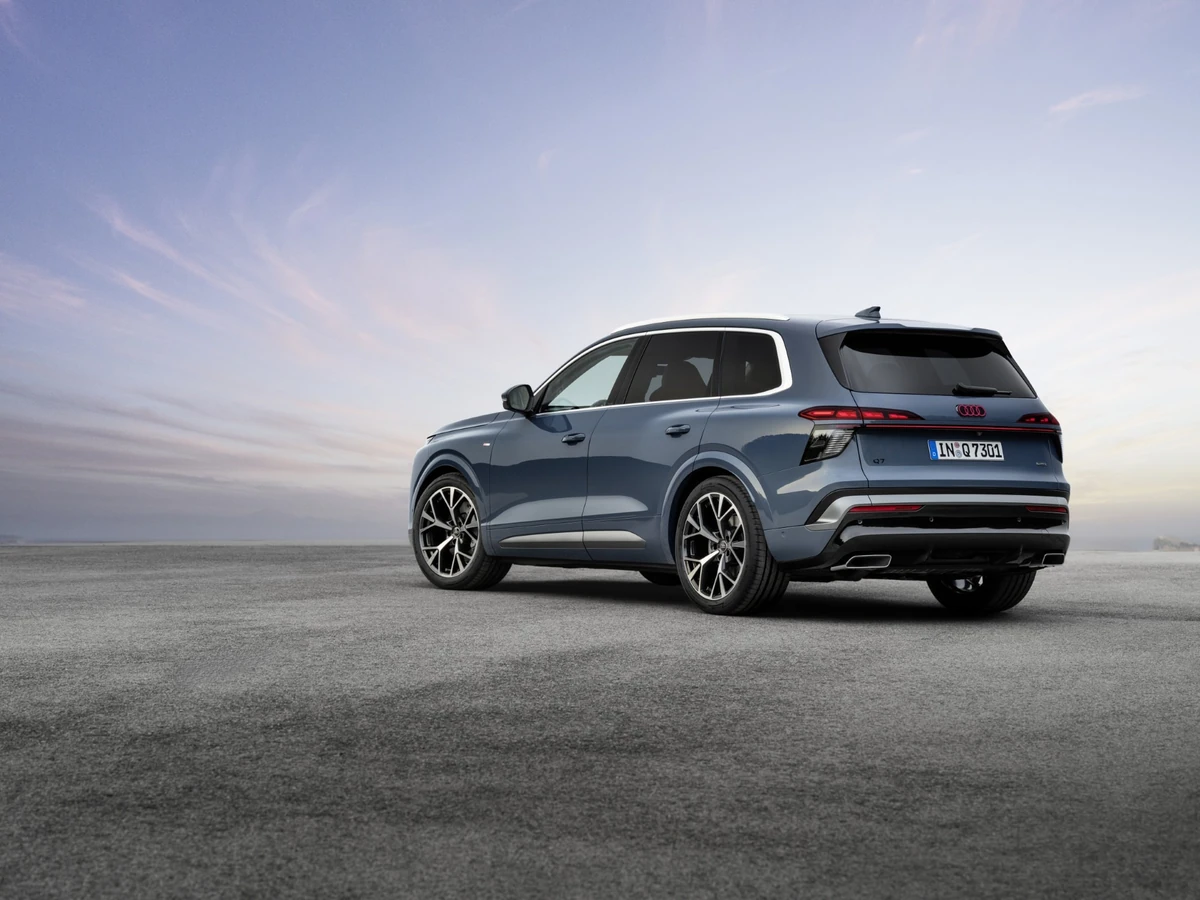
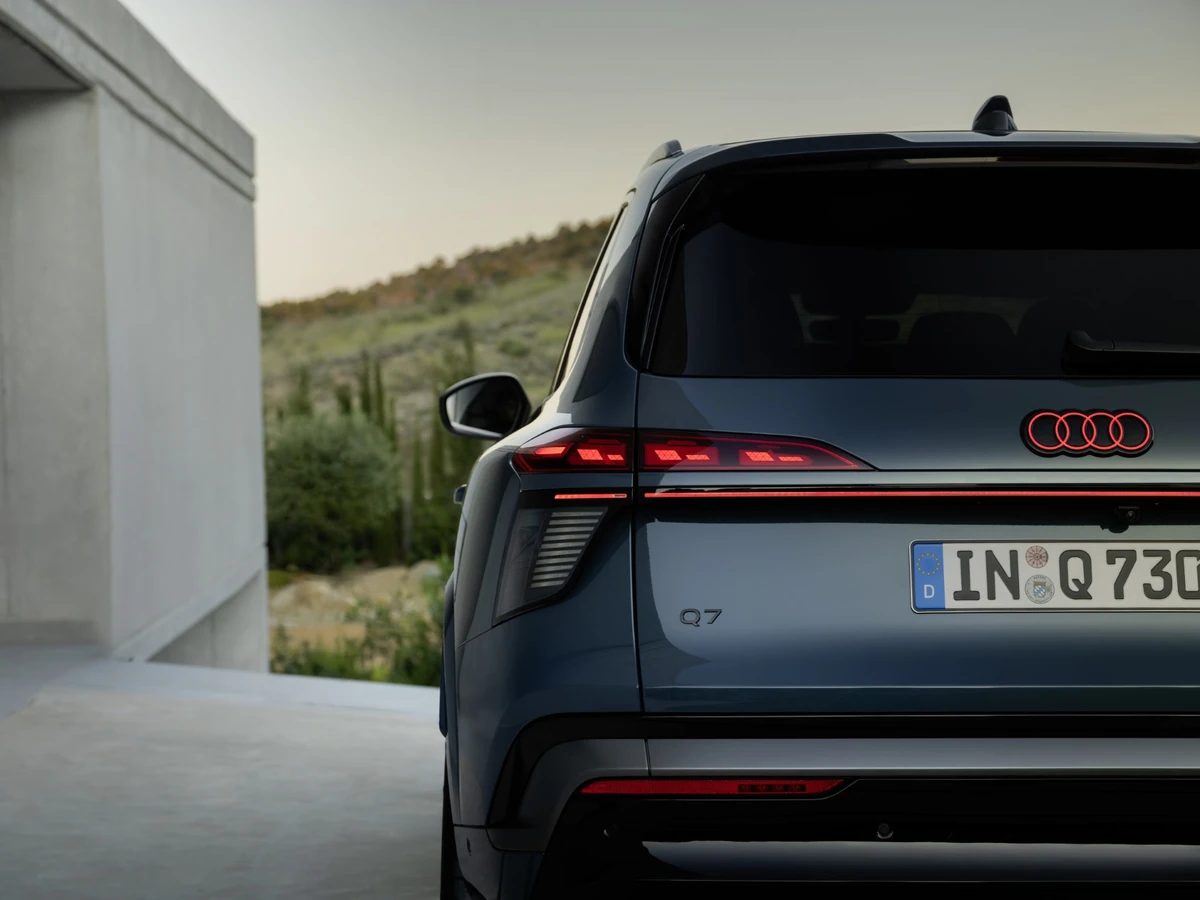
Another unusual innovation is the use of projection turn signals. At night, the indicators are visible not only on the vehicle itself but also on the pavement, improving visibility for surrounding traffic in poor weather conditions. The digital OLED taillights can alter their lighting signatures depending on the situation. If the system detects danger, conventional brake lights are supplemented by warning symbols. In stop-and-go traffic, the taillights become brighter when another vehicle approaches too closely, and when icy conditions are detected, a snowflake icon is projected onto the road surface.
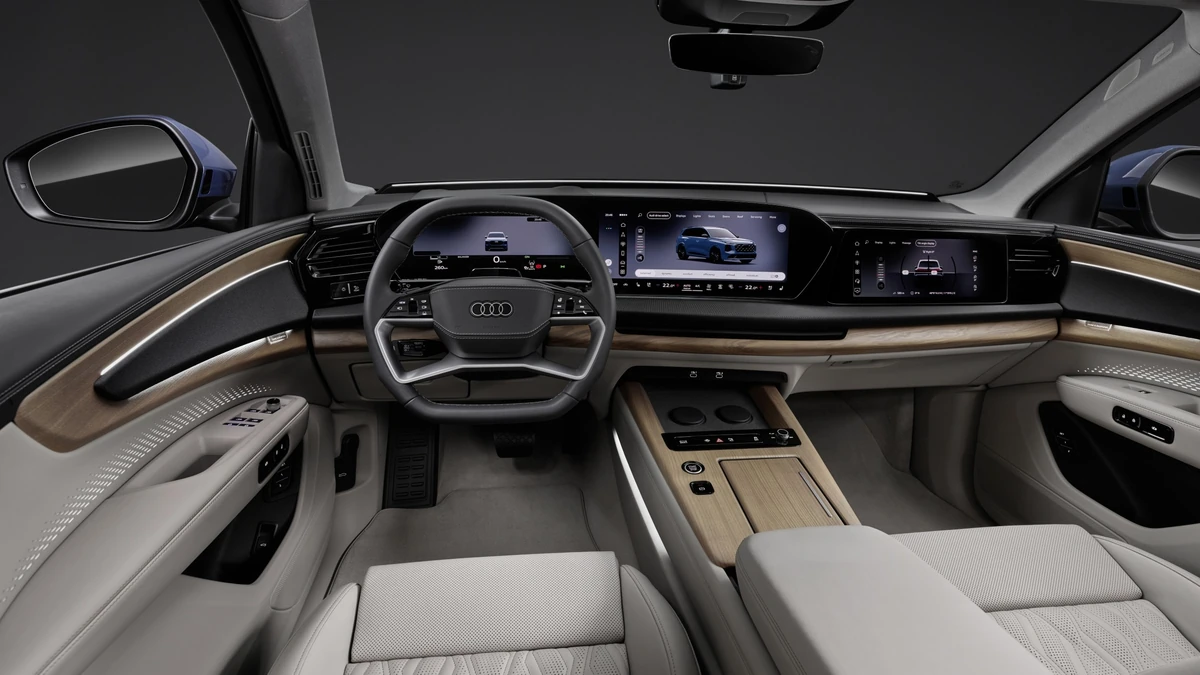
For the first time, an Audi SUV features the AI-powered Audi Assistant. The system does more than provide directions or locate gas stations and stores. It learns the driver's habits, including preferred cabin temperature settings, favorite music, frequently used routes, and even common parking locations. If the assistant cannot answer a question on its own, it can hand the request over to ChatGPT, allowing the driver to receive answers directly through the vehicle's interface without relying on external apps.
A built-in dash camera is now included as standard equipment. It continuously records what happens ahead of the vehicle, offering an added layer of security. Meanwhile, the optional Bang & Olufsen sound system uses 22 speakers and seat-mounted vibration units to create a concert-like experience. Bass frequencies can be felt throughout the cabin, while ambient lighting can synchronize with the music. Speakers integrated into the headrests deliver navigation prompts and phone calls directly to occupants, making long drives even more comfortable.
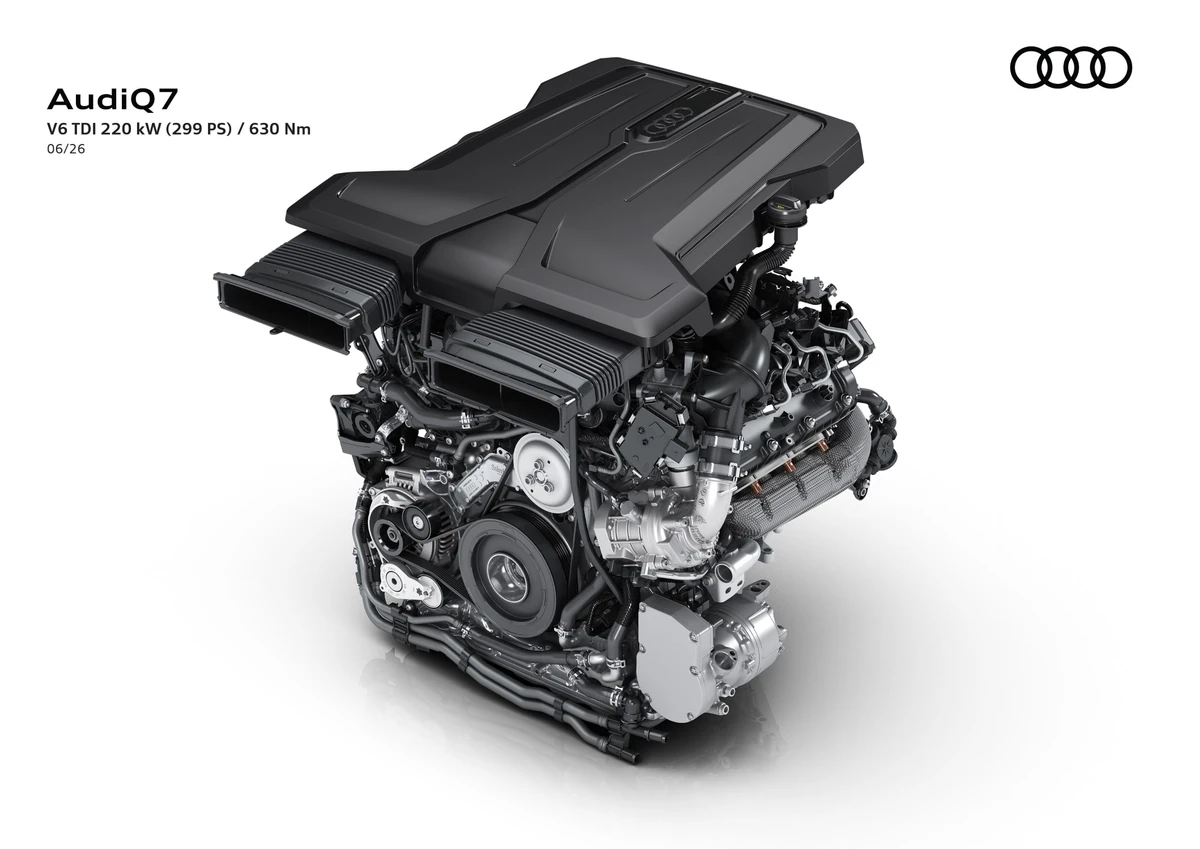
Perhaps the most interesting engineering feature for European markets is the availability of V6 diesel engines that can run on HVO (Hydrotreated Vegetable Oil), a renewable fuel produced from recycled vegetable oils and waste materials. According to Audi, using HVO can reduce CO₂ emissions by as much as 70 to 95 percent. The fuel can be used on its own or blended with conventional diesel. While such fuel remains uncommon in the United States, the industry's shift toward lower-emission solutions is becoming increasingly apparent.
The new Q7 also offers more personalization than before. Buyers can choose from ten additional exterior colors, fresh interior trim options, and new design packages. Another safety feature helps prevent accidents when exiting the vehicle by warning occupants of approaching cyclists or vehicles and projecting a special symbol onto the ground. In busy urban environments, where encounters with bicycles and scooters are increasingly common, this system could prove particularly valuable.
Overall, the third-generation Audi Q7 demonstrates how technology can make modern vehicles not only more comfortable, but also safer. Many of these features have not previously appeared on other German luxury SUVs, meaning competitors may soon be forced to respond. For consumers, that translates into more choices and greater opportunities for personalization, while for the industry it marks yet another chapter in the ongoing technology race.
Audi has not yet announced when the new Q7 will arrive in the United States.
You may also be interested in the news:

Audi 80 Has Covered Nearly 1 Million Kilometers With Its Original Engine
A 1991 Audi 80 is closing in on a mileage record.

Bovensiepen Spider Debuts as Former Alpina Specialists Rework the BMW Z4
Bovensiepen has unveiled the new Spider roadster based on the BMW Z4. The car gets exterior modifications and a more powerful engine for improved performance.
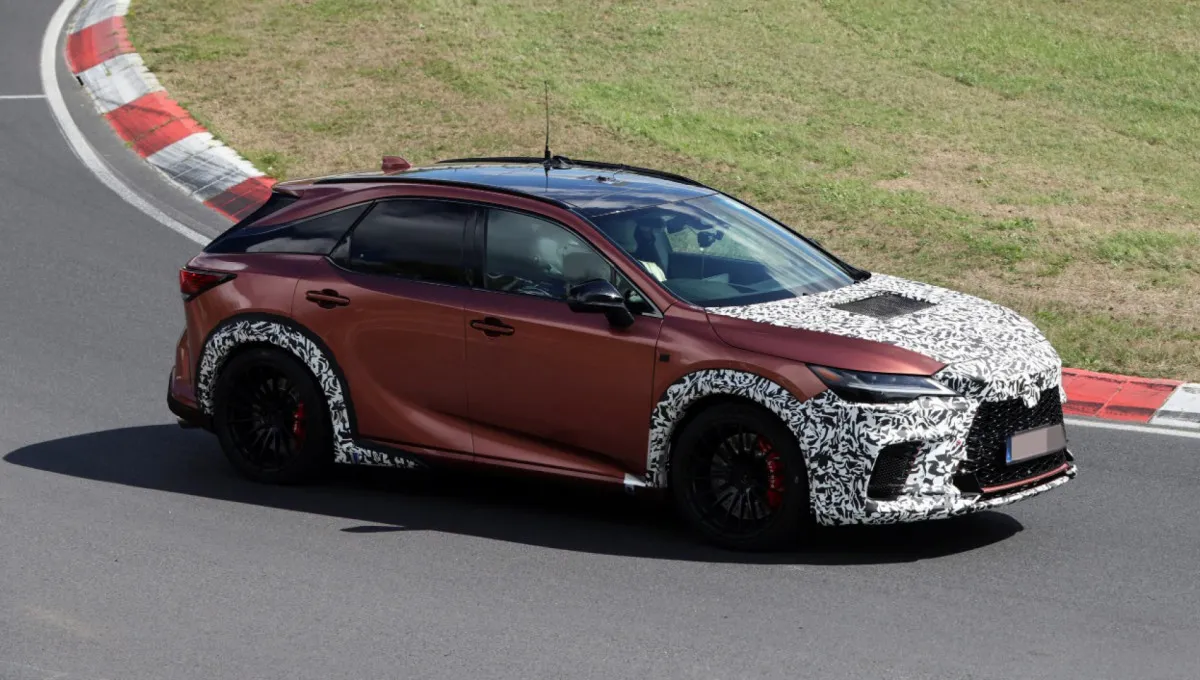
2028 Lexus RX Morizo RR Spy Photos Reveal a Hood Vent and Aggressive New Seats
The Lexus RX Morizo RR is back at the Nürburgring, revealing a functional hood vent and its sport-focused interior.

Honda's New 7-Seat Luxury SUV Gets a Projected Price
Honda is preparing a new Avancier three-row SUV aimed at buyers seeking more space, comfort and upscale features.
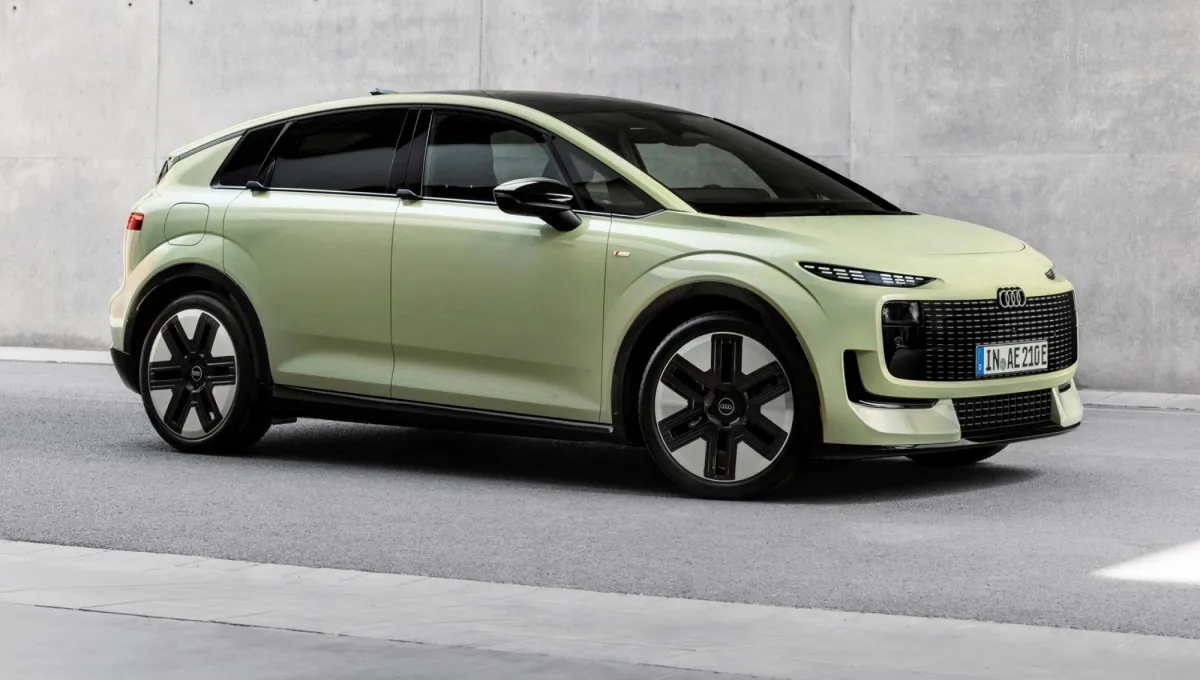
Audi Reveals EV With Unusual Door Handles
Audi has unveiled the new A2 E-Tron, an electric hatchback with distinctive styling and tiny flush-mounted door handles.