
Flash Flood Soaked Your Car? Here’s How to Save It
A mistake made in the first few minutes after finding your vehicle in floodwater can destroy the engine and turn the car into a total loss.
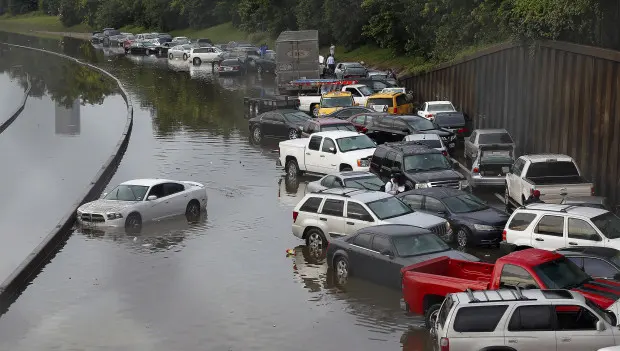
A mistake made in the first few minutes after finding your vehicle in floodwater can destroy the engine and turn the car into a total loss. Below is a strict step-by-step guide to help you avoid catastrophic damage and keep your vehicle operational.
Do Not Try to Start the Engine
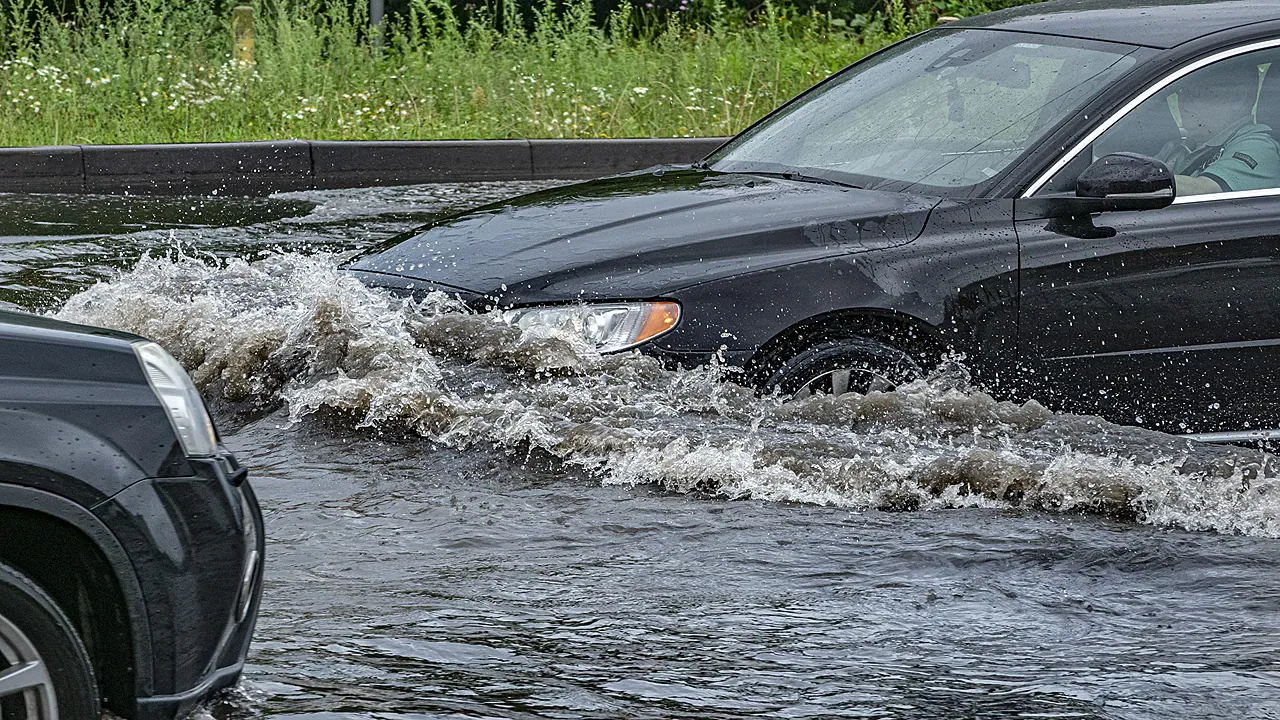
This is the single most important rule, and every automotive technician agrees on it. If the water rose above the wheels or there is even the slightest suspicion that it entered the engine compartment, do not attempt to start the engine. If water has reached the cylinders, engaging the starter will almost certainly cause hydrolock.
Unlike an air-fuel mixture, water is essentially incompressible. As the piston moves upward, it slams into the water, creating enormous stress that can bend or even break engine components. The higher the engine speed when water enters the cylinders, the more severe the damage.
It is a mistake to think there is no risk when using only the starter. Even the starter motor can generate enough force to bend a connecting rod. Even if the engine starts after drying out, it is unlikely to last long because the damaged part will quickly lead to complete engine failure. Repairing an engine after hydrolock is extremely expensive and is often not economically practical.
Disconnect the Battery
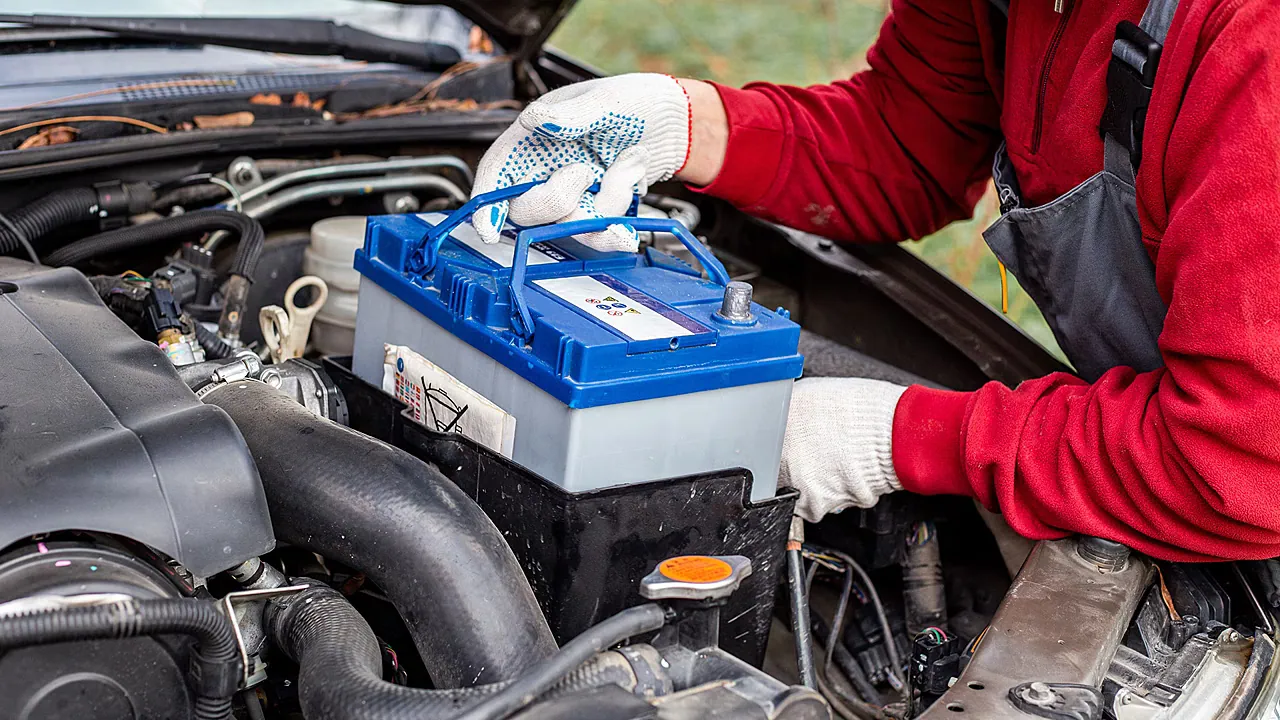
If the water level allows you to safely reach the hood, disconnect the negative battery terminal. This step is critical to protecting your vehicle’s electronics.
Water is an excellent conductor of electricity. If it reaches exposed electrical contacts or electronic control modules, it can cause short circuits. The consequences may be severe, ranging from failed sensors to complete failure of expensive modules that control the engine, transmission, ABS, or airbags.
Even if the engine compartment appears dry, moisture may have entered connectors and electronic components through tiny cracks or ventilation openings. Leaving the electrical system energized allows electrochemical corrosion to begin. Contacts oxidize, electrical resistance increases, and electrical problems may start appearing days or weeks later, making them difficult and expensive to diagnose and repair.
Disconnecting the battery as soon as possible minimizes these risks. It should be done before the vehicle is towed to help prevent hidden damage that could surface later, even after the vehicle is considered repaired.
Don't Drive It
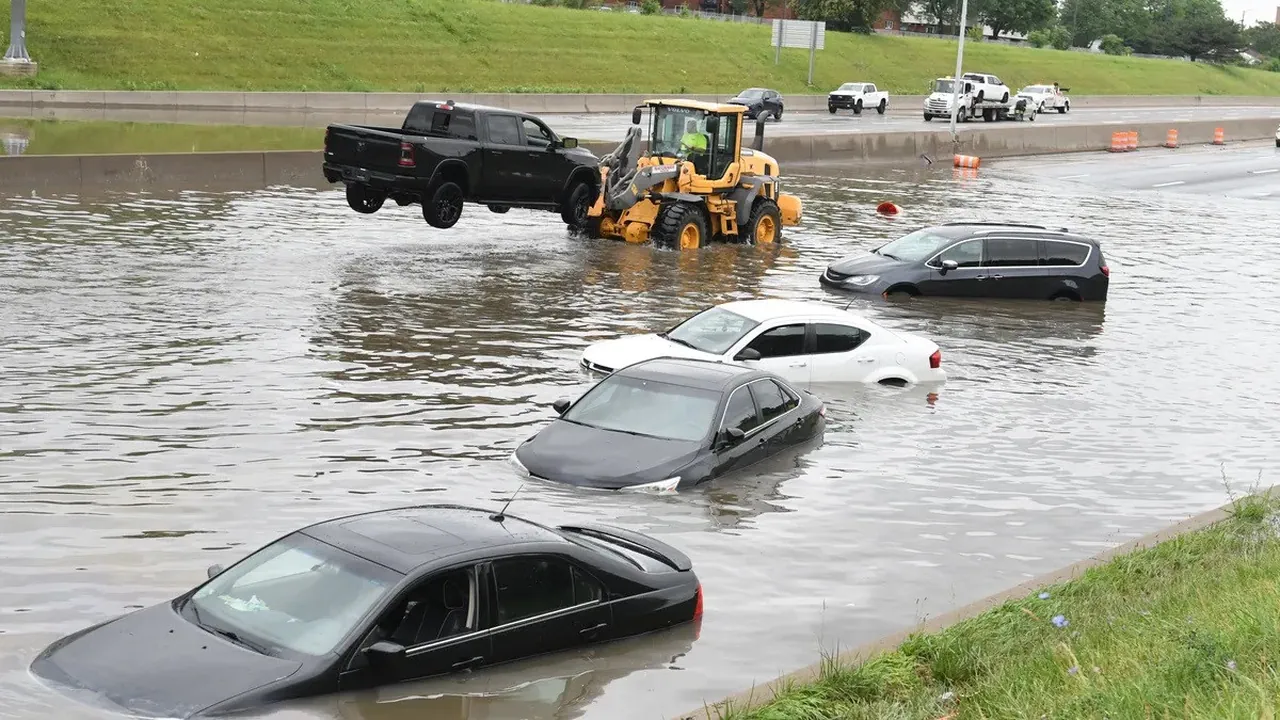
This rule applies even if the water has already begun to recede and the engine appears dry. Starting the engine is only part of the risk. The drivetrain is also highly vulnerable.
The transmission, transfer case, and differentials are equipped with breather vents that release excess pressure as components heat up. When the vehicle is submerged, water can enter through these vents. Once mixed with gear oil, it forms an emulsion that completely loses its lubricating properties. The result is severe wear of gears, bearings, and differentials that may not become apparent immediately but will eventually require expensive major repairs.
The only safe solution is to call a tow truck and have the vehicle taken to a repair shop. With the vehicle on a lift, technicians can properly assess the damage, drain contaminated fluids, and perform the necessary repairs. Trying to save money by avoiding a tow often leads to much higher repair costs.
Dry Everything
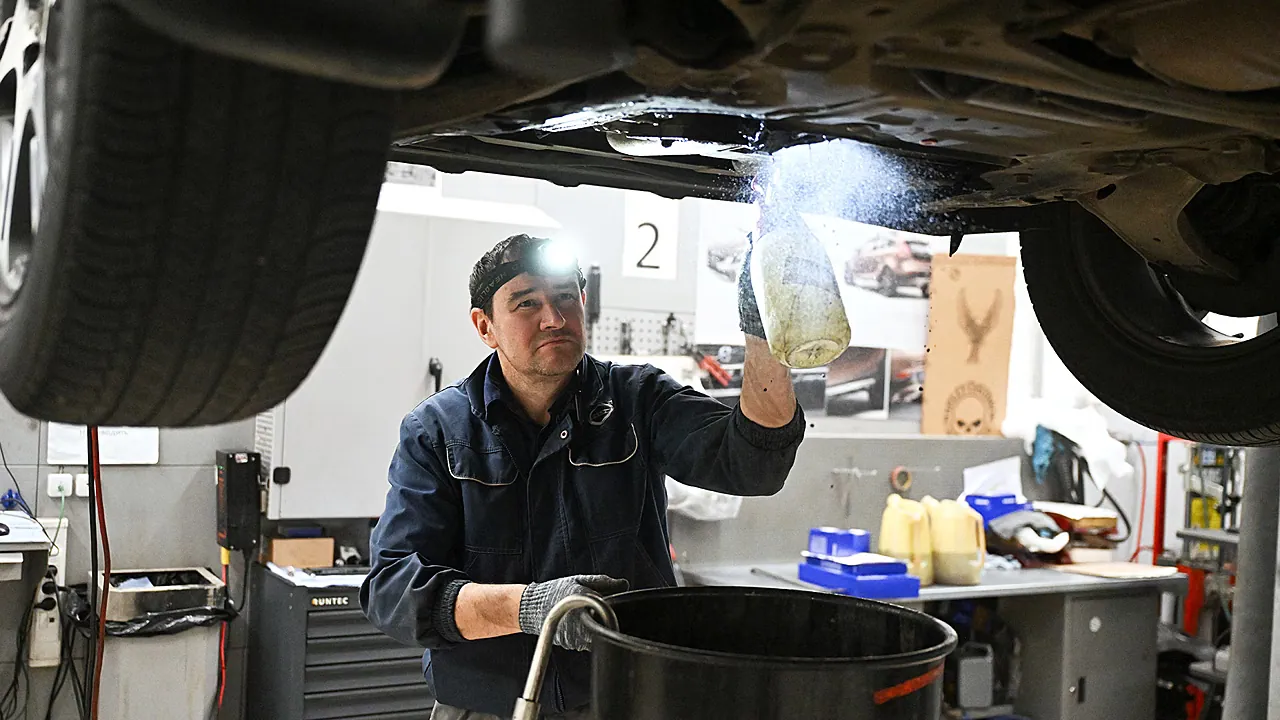
According to specialists, about 90% of flood-damaged vehicles can be saved with proper and thorough drying. Every detail matters, and there is no room for rushing the process.
If water entered the cabin, remove the seats along with all carpeting and sound insulation. These materials act like sponges, absorbing moisture immediately and releasing it only over the course of weeks. They should never be left damp inside the vehicle. Doing so almost guarantees three major problems: a persistent mold odor that will not go away, corrosion inside the body that may remain hidden until it becomes severe, and short circuits in wiring routed beneath the floor. Repairing the electronics after such damage often costs more than rebuilding the engine.
The entire drying and inspection process can take several weeks. This is not excessive caution but a necessity. Every module, connector, and electrical contact must be disassembled, cleaned, and thoroughly dried. Technicians also need to verify that no moisture remains inside hidden body cavities, behind the dashboard, or within wiring harnesses. Only then can further diagnostics and reassembly begin.
Do not agree to accelerated drying with heat guns or hair dryers without disassembly. It only creates the illusion of saving time and can result in expensive problems a few months later.
Replace Every Fluid
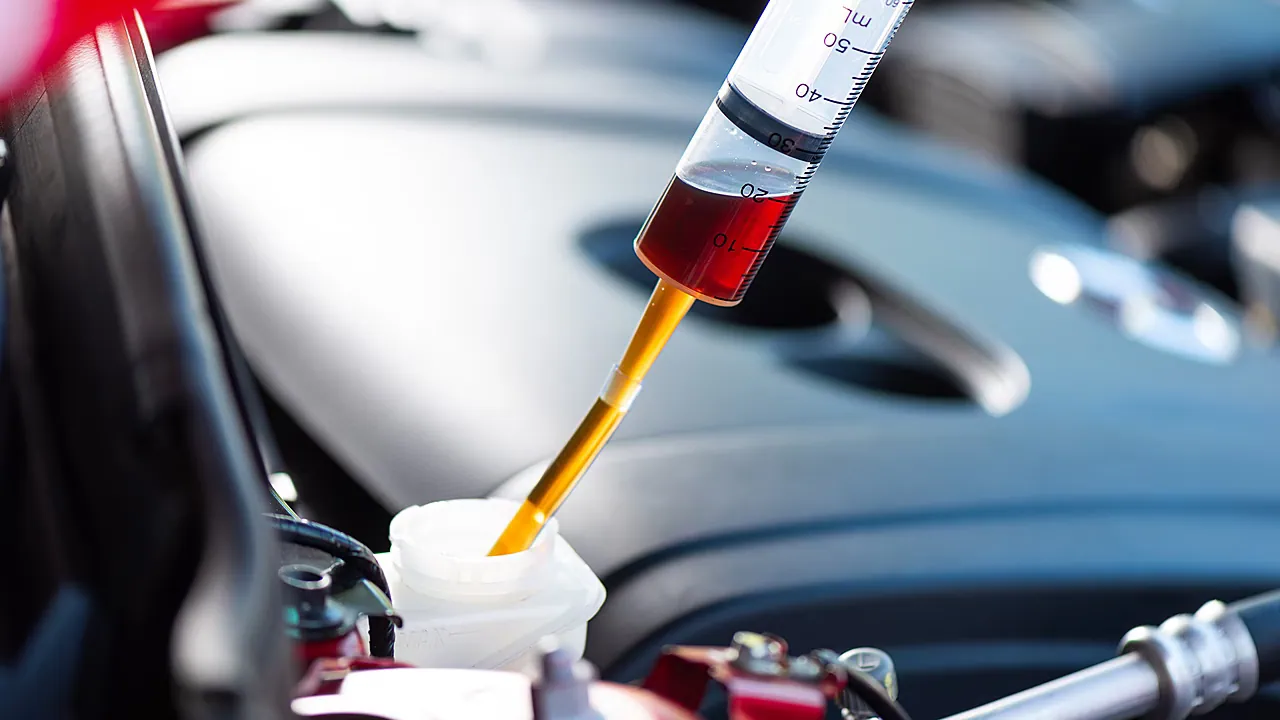
While the interior is being disassembled and dried, all vehicle fluids should also be inspected. Engine oil, transmission fluid, and brake fluid all require careful evaluation. If water or moisture has entered any of them, serious damage can result unless corrective action is taken promptly.
Water in the engine crankcase or transmission turns the lubricant into an emulsion. This mixture has poor lubrication properties and reduced viscosity. As a result, moving parts effectively run with inadequate lubrication, dramatically shortening the life of the engine or transmission.
Brake fluid presents another serious concern because it is hygroscopic and readily absorbs moisture. Even a small amount of water significantly lowers its boiling point. During hard braking, the fluid may boil, creating vapor lock and causing the brake pedal to drop to the floor. The consequences are obvious.
Replace every fluid that came into contact with water. This is not an expense worth cutting. It protects the engine, transmission, and your safety on the road. Do not settle for topping off or partial fluid changes. Perform a complete drain and refill using fluids that meet the manufacturer's specifications.
The most important rule when dealing with a flood-damaged vehicle is simple: do not try to start it or drive it. Disconnect the battery as quickly as possible, call a tow truck, and leave the vehicle with qualified technicians for complete disassembly, drying, and replacement of all fluids. Attempts to save time or money at this stage are highly likely to result in much more expensive engine and electrical repairs later.
You may also be interested in the news:
Changing Your Car’s Filters: How to Do Basic Maintenance Yourself Without Damaging the Engine
Changing the oil, engine air filter and cabin air filter yourself can save money, but small mistakes can cause expensive problems.
That Stuff in Your Trunk Is Costing You More Than You Think—Here’s What to Take Out
Carrying unnecessary cargo can quietly increase fuel use, accelerate wear and create an avoidable safety hazard for drivers and passengers.
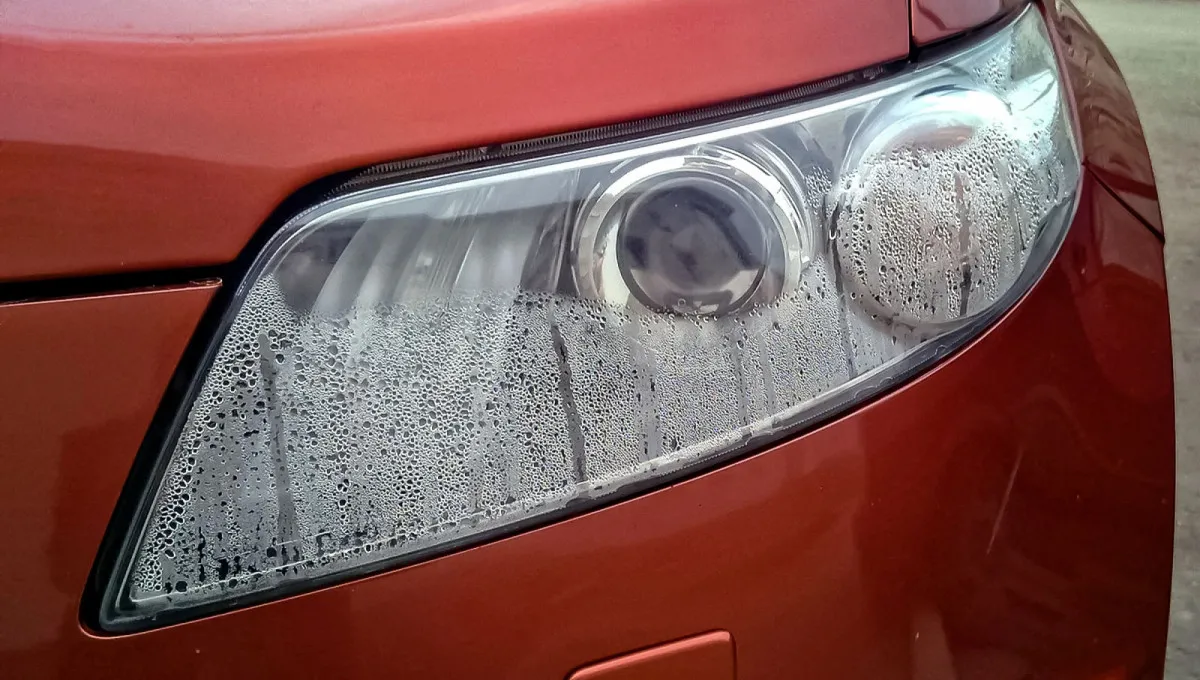
Your Headlights Are Fogging Up for a Reason: 4 Causes and 5 Steps to Fix Them
Foggy headlights are not always a sign of damage, but persistent condensation can point to a problem that needs attention.
Why Is Your Car’s Suspension Making a Knocking Noise? 5 Symptoms Every Driver Should Know
Five common suspension noises can point to specific problems, helping drivers narrow the cause before inspection.
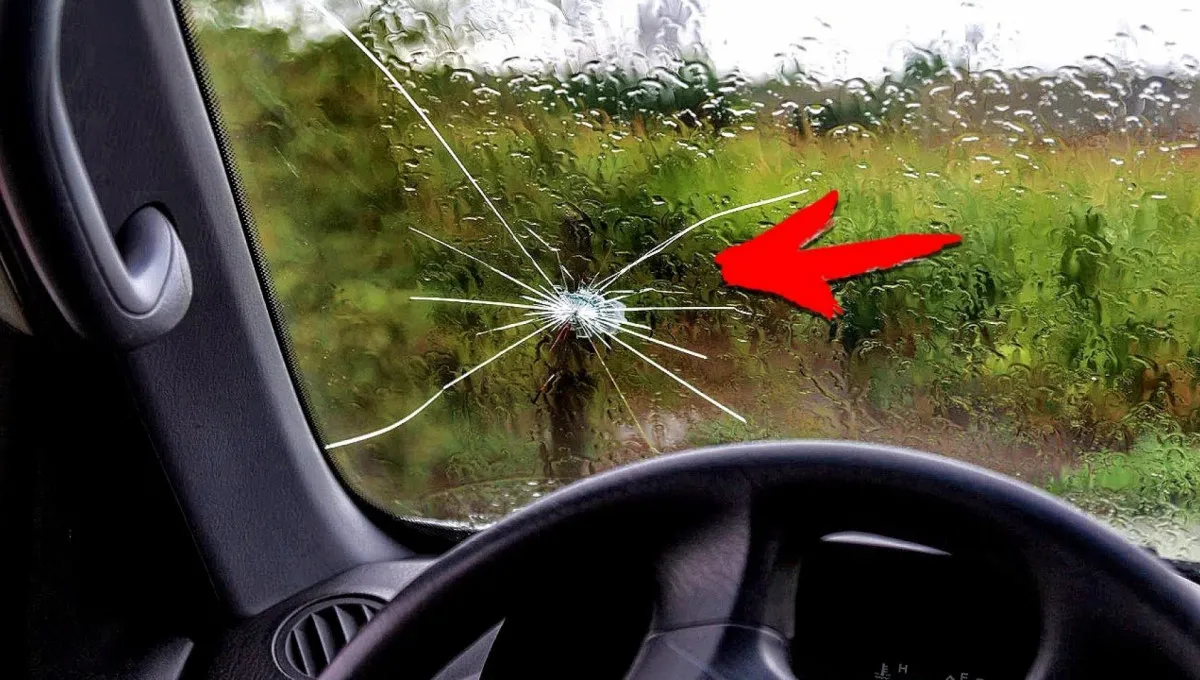
How to Protect Your Windshield From Flying Rocks: This Simple Trick Could Save You From Replacing It
Keep your distance, slow down and repair chips quickly to help prevent small windshield damage from becoming costly cracks.