
Why Cars Break Down More Often in Summer—and What You Can Do About It
Certain types of vehicle failures happen more frequently during the summer months.
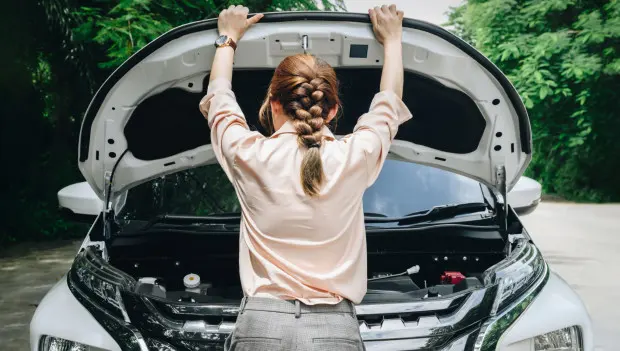
It may seem that without snow, freezing temperatures, and damp conditions, cars should run trouble-free in summer. In reality, however, vehicle breakdowns are fairly common during the warm season. The likelihood of these failures can be minimized by understanding what causes them.
Cooling System
In hot weather, when outside temperatures can climb above 86°F, engine overheating is a common problem. The main causes of overheating include a low coolant level, a clogged radiator, a faulty thermostat, or a malfunctioning cooling fan.

In addition to the obvious causes, there are hidden risks that can also lead to engine overheating. For example, prolonged exposure to high temperatures can accelerate wear on the plastic coolant reservoir and coolant hoses. Small cracks may develop, eventually causing coolant leaks. As a result, the cooling system can no longer operate properly, increasing the risk of engine overheating.
To help prevent the engine from overheating in hot weather, it is recommended to check the coolant level, especially before a long drive, and clean the radiator of sand, pollen, and insects.
Another important recommendation is to keep an eye on the engine temperature gauge while driving. If the needle starts to climb, it signals overheating and requires an immediate stop and turning the heater on at its highest setting. In this situation, the heater will act as an additional cooling aid by drawing some heat away from the engine. The engine should be allowed to idle for a short time so the temperature can return to normal as the coolant continues to circulate.
Air Conditioning
The air conditioning system works especially hard in hot weather, significantly increasing the risk of component failure.
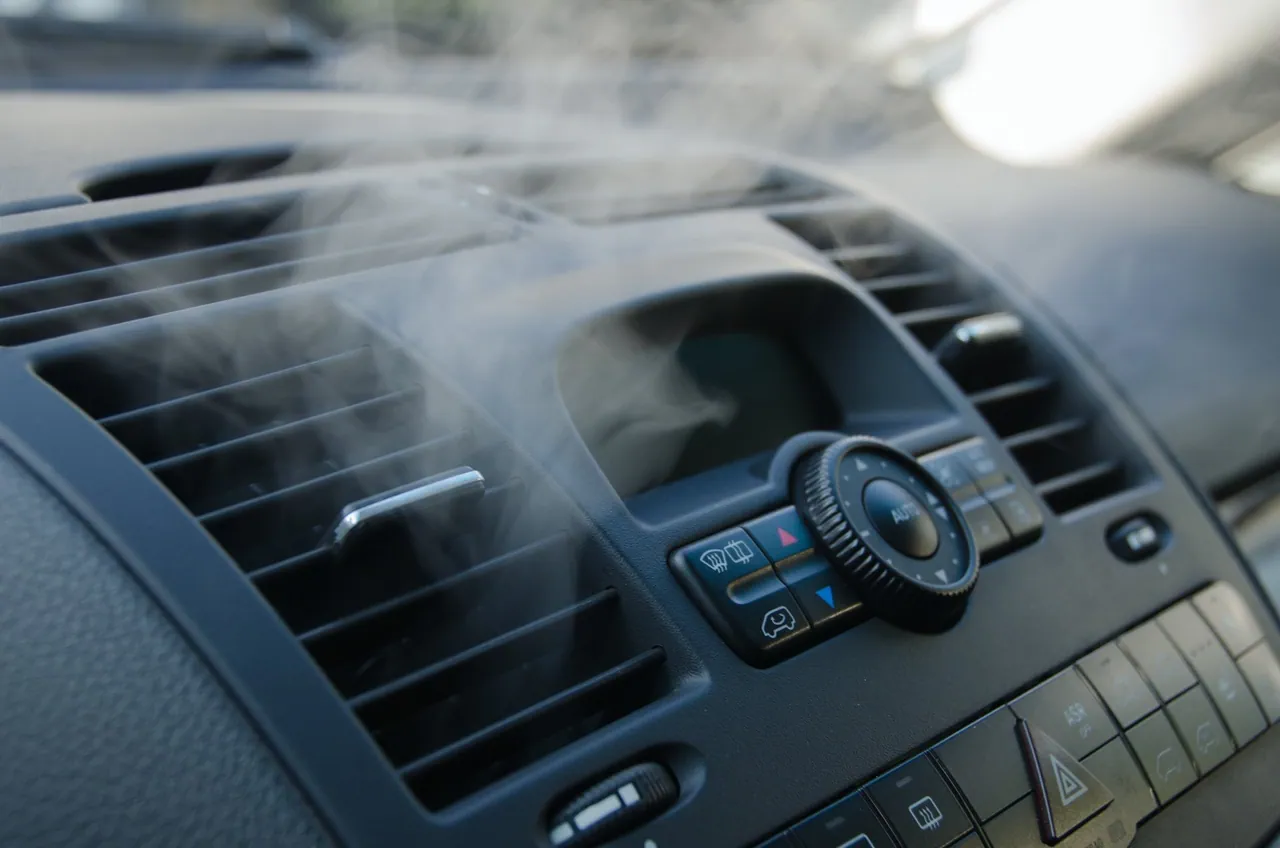
Heavy workloads and the difference between daytime and nighttime temperatures often cause rubber seals to lose elasticity and crack more quickly. As a result, refrigerant can leak even under relatively low pressure.
Another common summer problem is a clogged A/C condenser. It collects road dust, cottonwood fluff, small stones, and insects first. As a result, heat remains inside the cabin instead of being released outside. The air conditioning system may cycle off frequently because its overheat protection is activated, or it may stop working altogether.
To help prevent problems, it is important to regularly inspect the system for leaks, clean away dirt, replace the cabin air filter, and perform antibacterial treatment of the evaporator. If warm air or an unpleasant odor comes from the vents, it is time to visit a repair shop.
Battery
The belief that car battery problems happen only in winter is incorrect. Summer heat is just as hard on the battery, but the damage occurs gradually and often goes unnoticed.
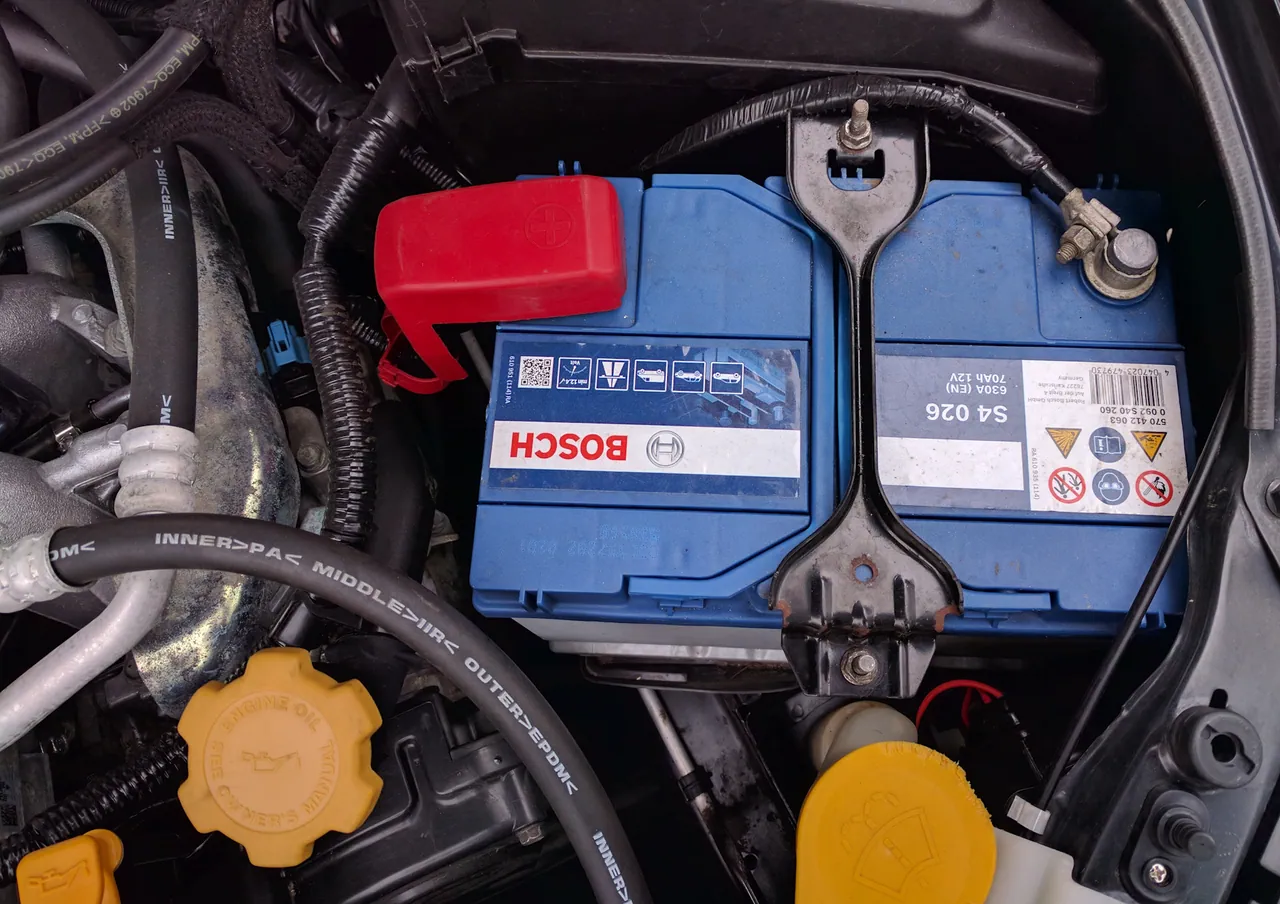
High temperatures accelerate all electrochemical processes inside the battery. This leads to faster electrolyte evaporation, corrosion of the plates, and more rapid self-discharge.
When you factor in the air conditioning, interior lighting, cooling fans, and infotainment system, the combined load on the alternator and battery during summer is no less than it is in winter.
To help preserve the battery, it is recommended to check the voltage at the terminals. With the engine off, it should read 12.5-12.7 volts, and with the engine running, 13.8-14.5 volts. It is also important to clean corrosion from the terminals and make sure they are securely fastened.
It is recommended to keep jumper cables or a compact jump starter in the trunk so a discharged battery can be dealt with on the road. If the battery is five years old or older, it is better to replace it before a long summer trip.
Electrical System
High temperatures under the hood and inside the cabin affect not only the battery but also the alternator and electrical wiring. The diode bridge, brush assembly, or windings may fail.
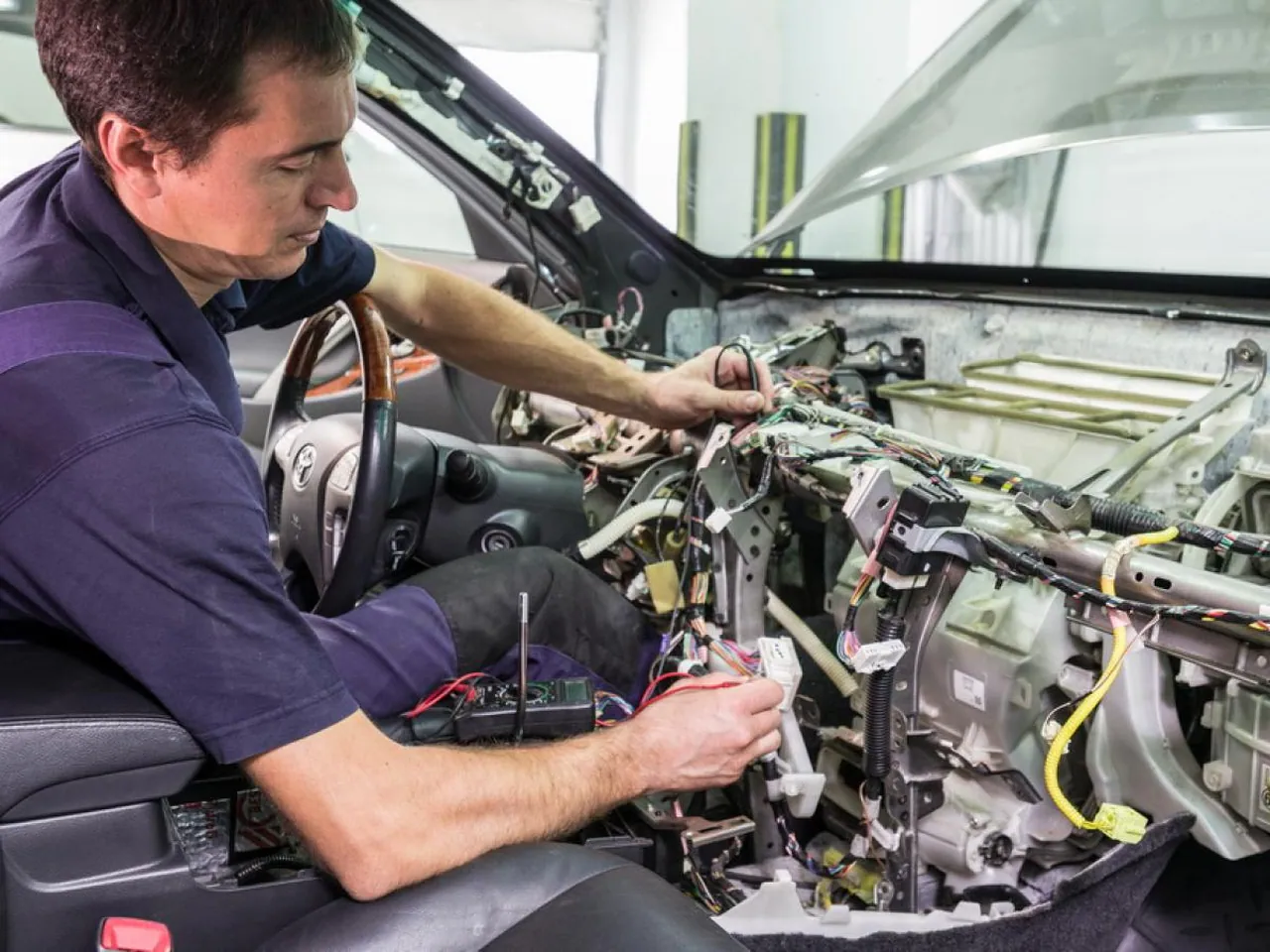
The electronic control modules and infotainment system contain sensitive sensors that can also malfunction, generate error messages, or fail after prolonged exposure to summer heat.
To help ensure the alternator, wiring, and various sensors continue to operate properly, make it a habit to inspect their condition regularly.
Another recommendation is not to leave the vehicle in direct sunlight. Choose a shaded parking spot whenever possible. Another option is to use a windshield sunshade.
Tires
Although summer tires are designed to operate in high temperatures, they still have their limits.
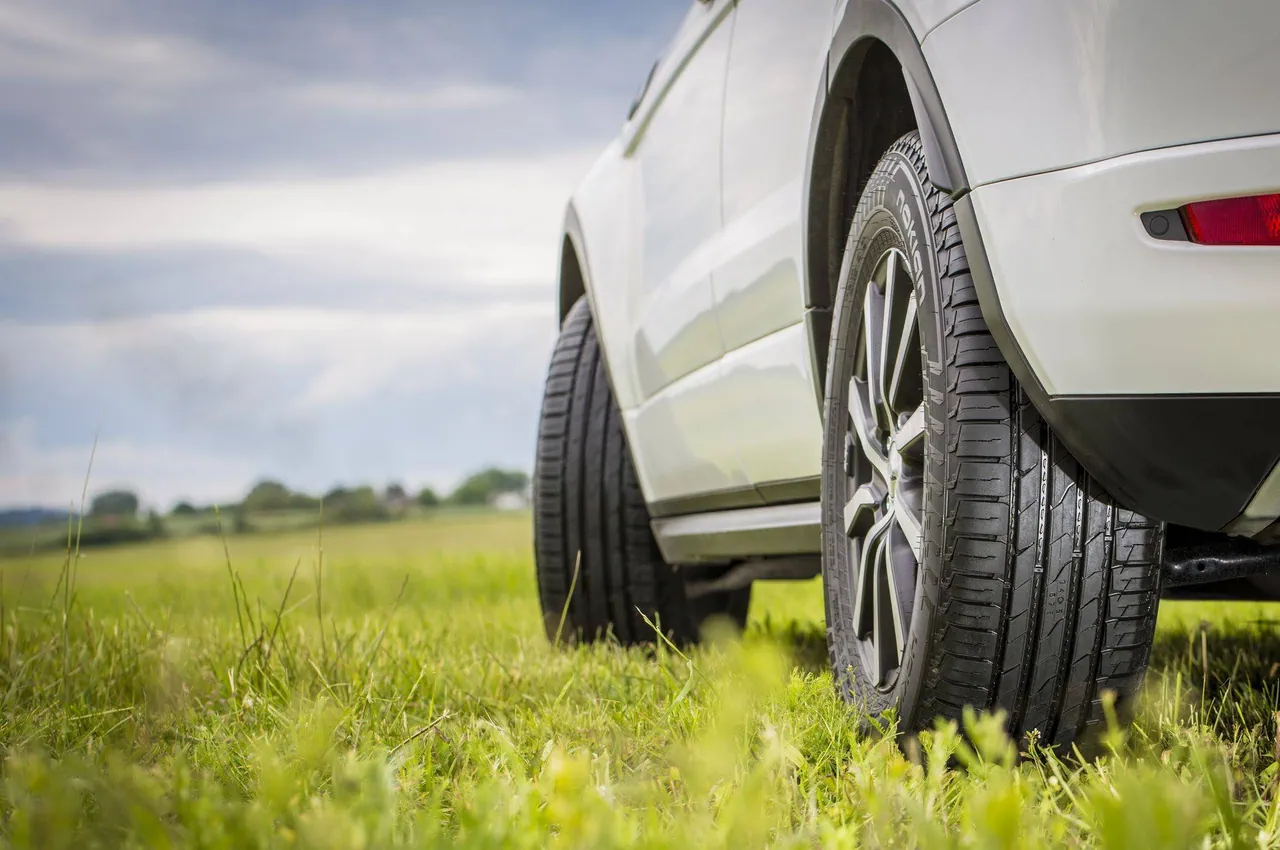
Heat from sun-baked pavement and friction while driving raises the temperature of the tires, increasing internal pressure by about 2.9-4.4 psi. This increases the risk of a tire blowout at highway speeds. The situation becomes especially dangerous if the tire has cuts, sidewall bulges, or severe wear.
Serious problems on the road can be avoided by not driving on damaged summer tires.
Even if the tires have no visible defects, tire pressure should be checked regularly when the tires are cold. This should be done every two weeks, as well as before long trips and after the vehicle has been parked for an extended period. The trunk should always contain a spare tire inflated to the proper pressure.
You may also be interested in the news:
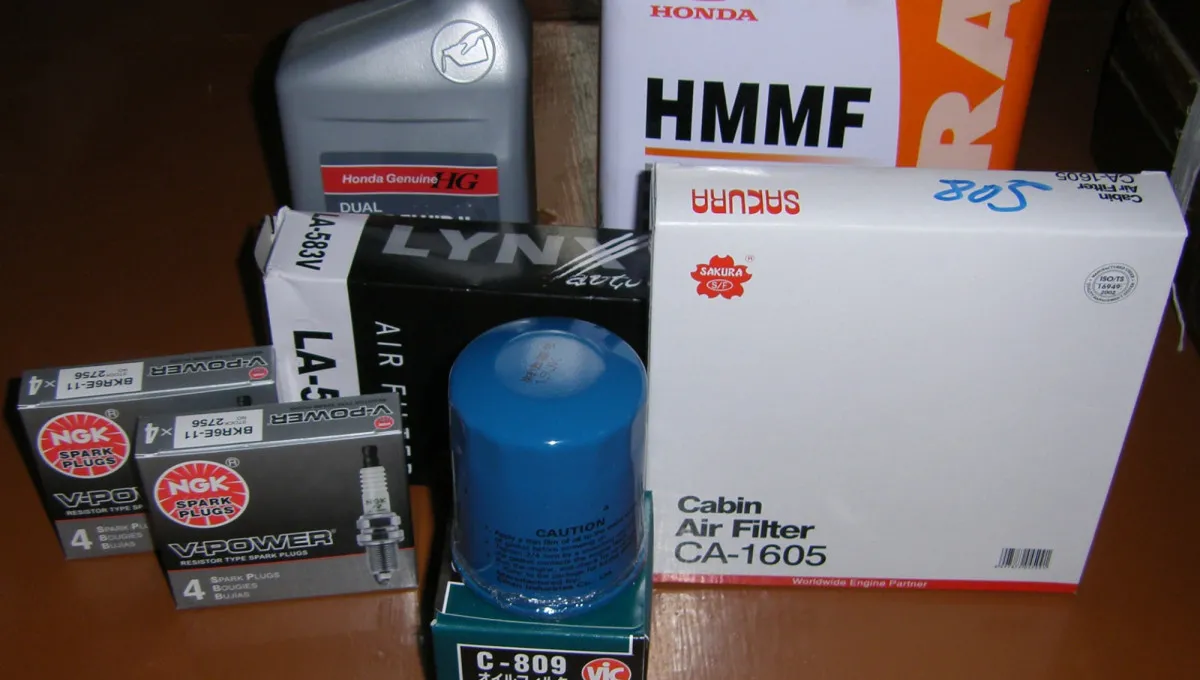
Changing Your Car’s Filters: How to Do Basic Maintenance Yourself Without Damaging the Engine
Changing the oil, engine air filter and cabin air filter yourself can save money, but small mistakes can cause expensive problems.
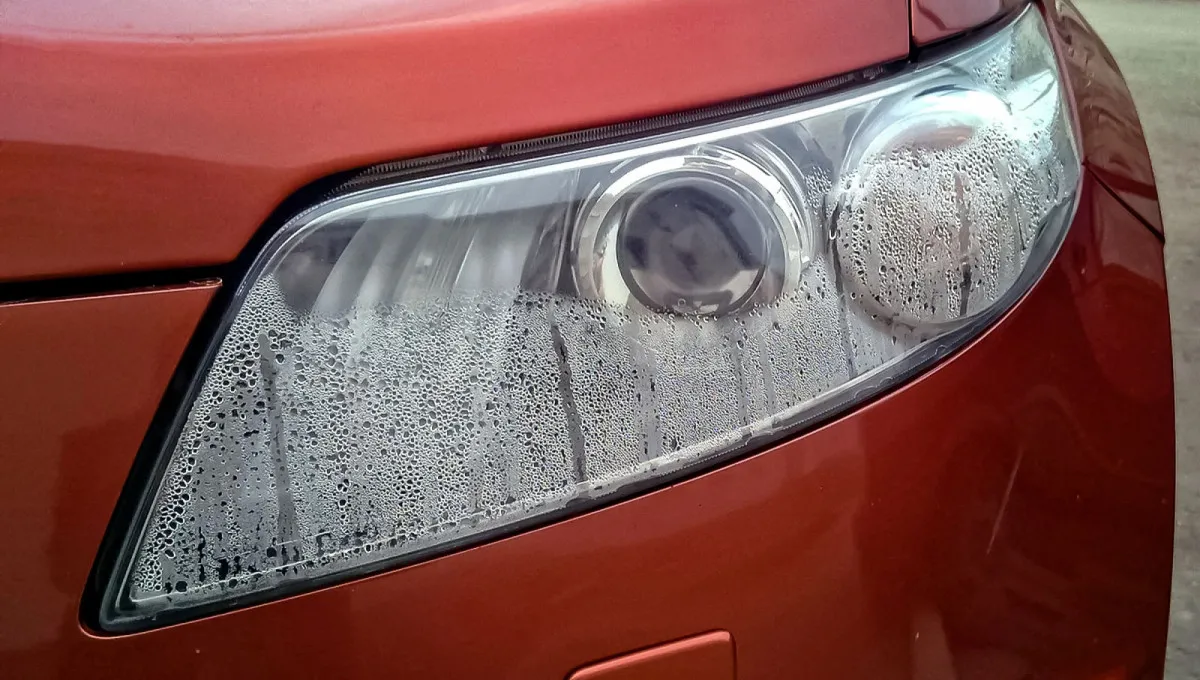
Your Headlights Are Fogging Up for a Reason: 4 Causes and 5 Steps to Fix Them
Foggy headlights are not always a sign of damage, but persistent condensation can point to a problem that needs attention.
Why Is Your Car’s Suspension Making a Knocking Noise? 5 Symptoms Every Driver Should Know
Five common suspension noises can point to specific problems, helping drivers narrow the cause before inspection.
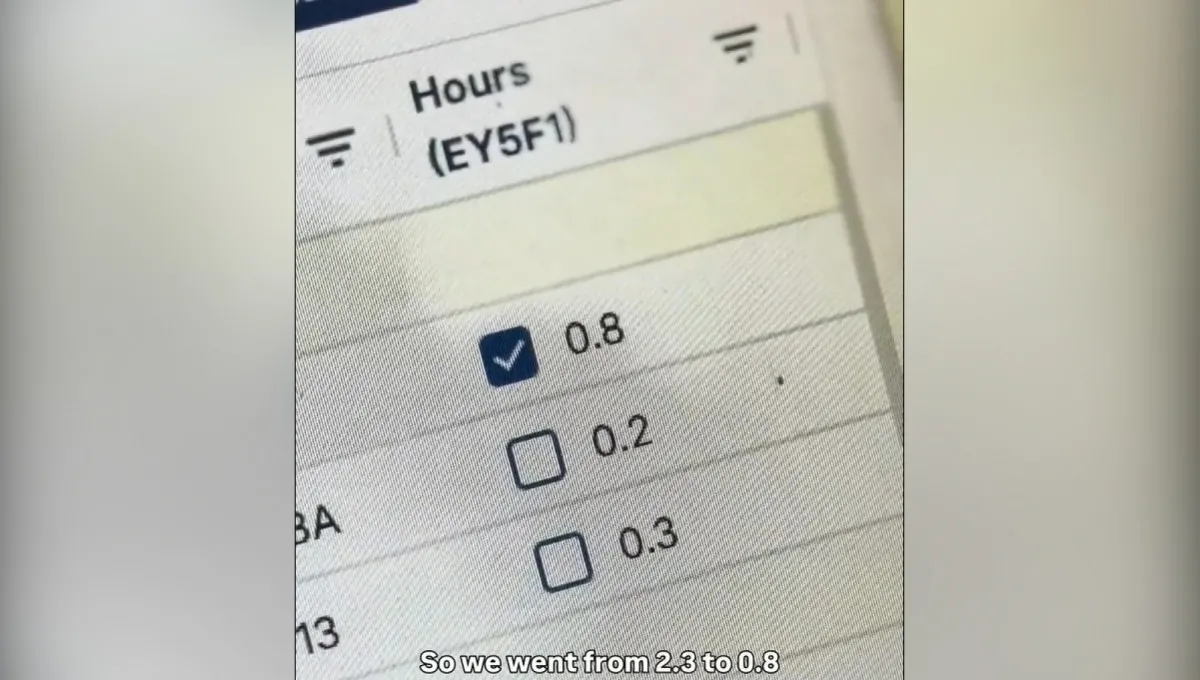
Toyota Technician Walks Away After Viral TikTok Exposes a Nearly 3x Pay Cut on One Repair
A Toyota technician with 11 years of experience quit after a viral TikTok sparked a dispute over repair pay.
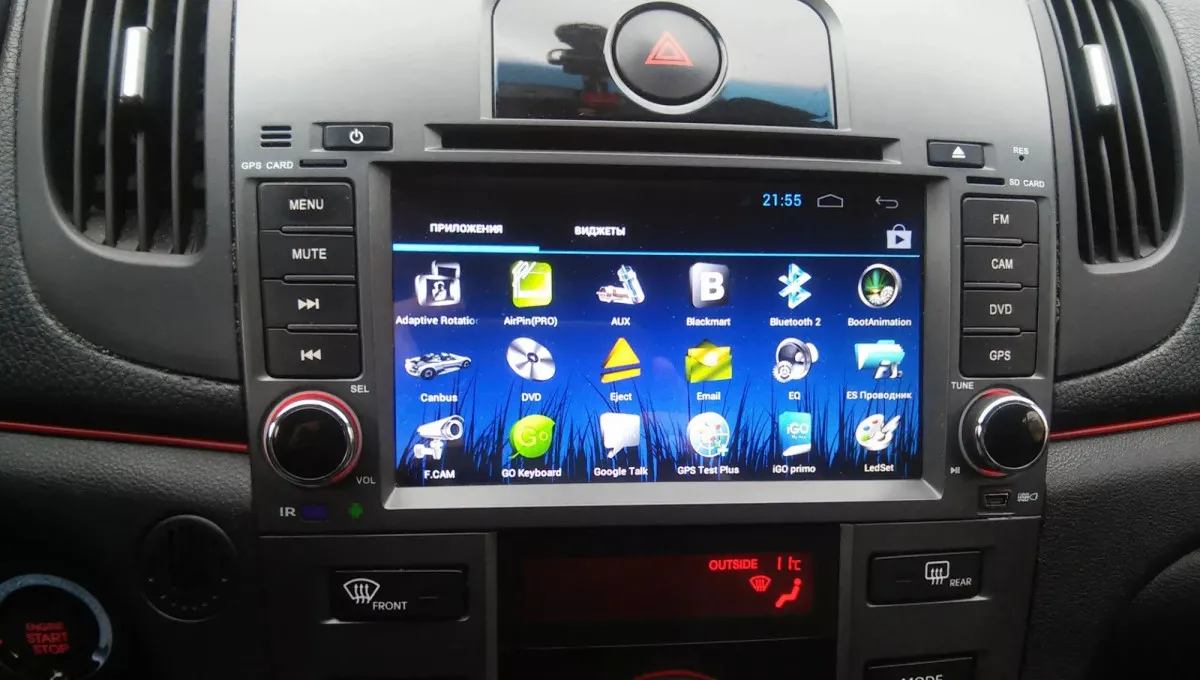
Your Old Car Can Feel New Again With These 7 Upgrades That Actually Make a Difference
Modernizing an Older Car: Better Audio, Navigation, Safety and Everyday Tech. An older car does not have to feel outdated when a few smart upgrades can transform everyday driving.