
Flop or Breakthrough? Why the Tesla Cybertruck Is Following the Same Path as the Ford Edsel
Despite disappointing sales, the Tesla Cybertruck could be remembered less for its commercial performance than for the technologies it introduced.
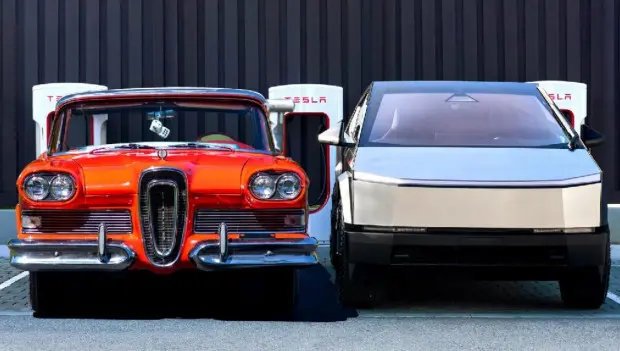
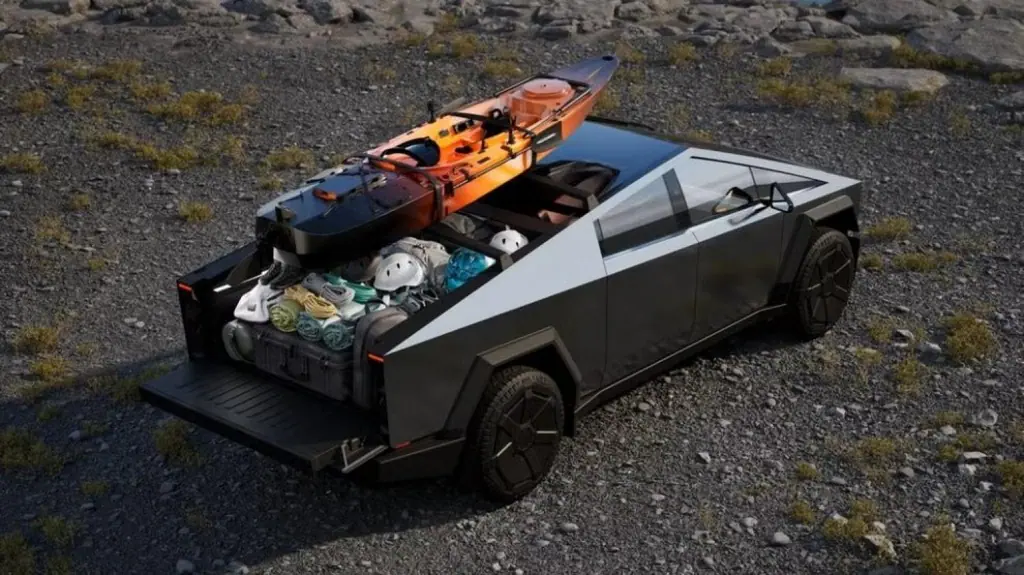
Tesla's ambitious electric pickup was supposed to redefine the market. Instead, the Cybertruck is increasingly drawing comparisons to one of the most famous commercial failures in automotive history: the Ford Edsel.
The comparison may seem harsh, but there's an interesting twist. Both the Cybertruck and the Edsel were, from an engineering standpoint, more innovative than many of their rivals. Looking only at their sales figures, however, you'd never know it.
The Numbers Tell the Story
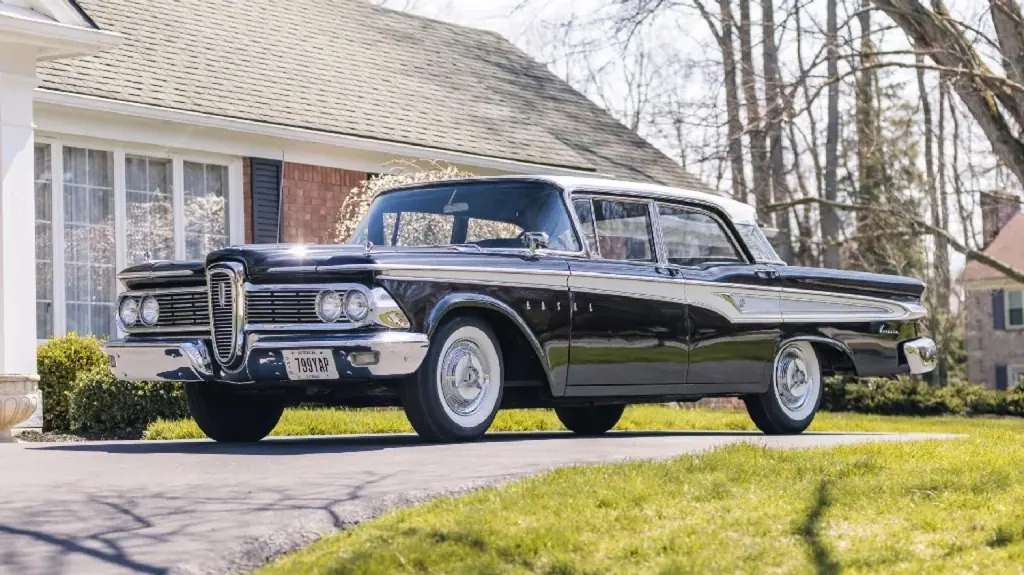
The Ford Edsel launched in 1957 amid enormous expectations. Ford hoped to sell 200,000 units during its first year, but actual sales reached less than one-third of that target. Just two years later, the model was discontinued.
Tesla's numbers look even more dramatic.
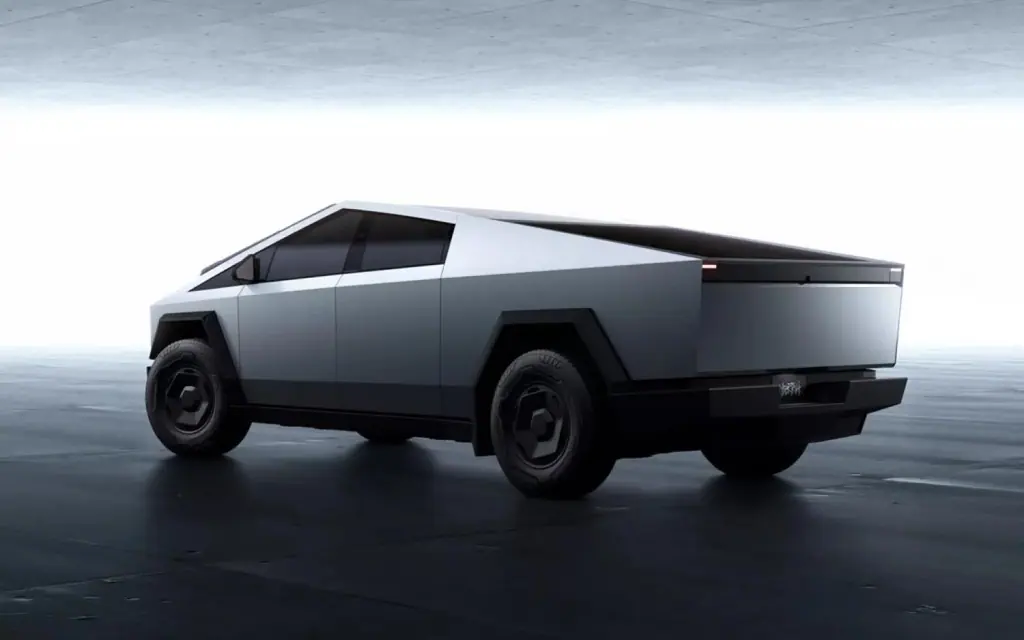
Elon Musk has repeatedly said the company could eventually build as many as 250,000 Cybertrucks annually, yet the pickup has fallen well short of those expectations. About 39,000 Cybertrucks were reportedly sold during its first full year on the market in 2024. In 2025, sales reportedly dropped by nearly half to roughly 20,000 units.
According to Cox Automotive, Tesla sold just 3,519 Cybertrucks during the first quarter of 2026, a 45% decline from the same period a year earlier.
Some analysts have also noted that nearly 19% of Cybertruck deliveries in the fourth quarter of 2025 reportedly went to companies affiliated with Musk. SpaceX alone is said to have purchased 1,279 trucks. Critics argue those fleet purchases helped offset weakening retail demand, although Tesla has not characterized them that way.
Engineering That Was Ahead of Its Time
Calling the Cybertruck a failure from a technological standpoint would be unfair.
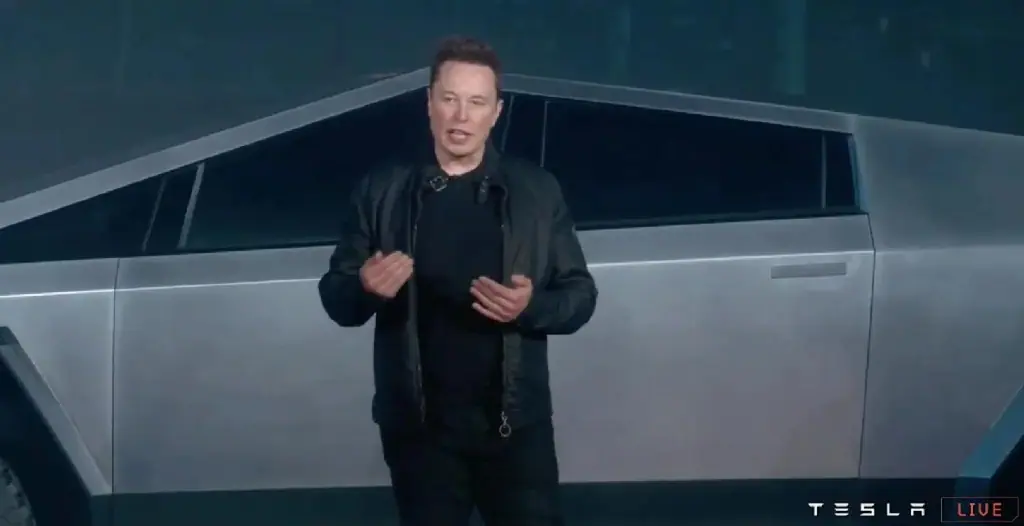
It remains one of the boldest production vehicles introduced in decades. Among its biggest innovations is Tesla's steer-by-wire system, which eliminates the traditional mechanical connection between the steering wheel and the front wheels. Combined with rear-wheel steering, the technology makes the full-size pickup surprisingly maneuverable. In many situations, drivers need only about a 120-degree turn of the steering wheel to execute tight maneuvers.
The Cybertruck also became the first mass-produced vehicle to adopt a 48-volt electrical architecture in place of the conventional 12-volt system. The higher-voltage setup reduces wiring weight and creates room for more advanced electrical systems in future vehicles.
That said, not every component operates at 48 volts. Some experts have pointed out that certain systems—including the electric power steering—still rely on lower operating voltages.
A Product of Its Time
The Cybertruck and the Edsel share more than disappointing sales.
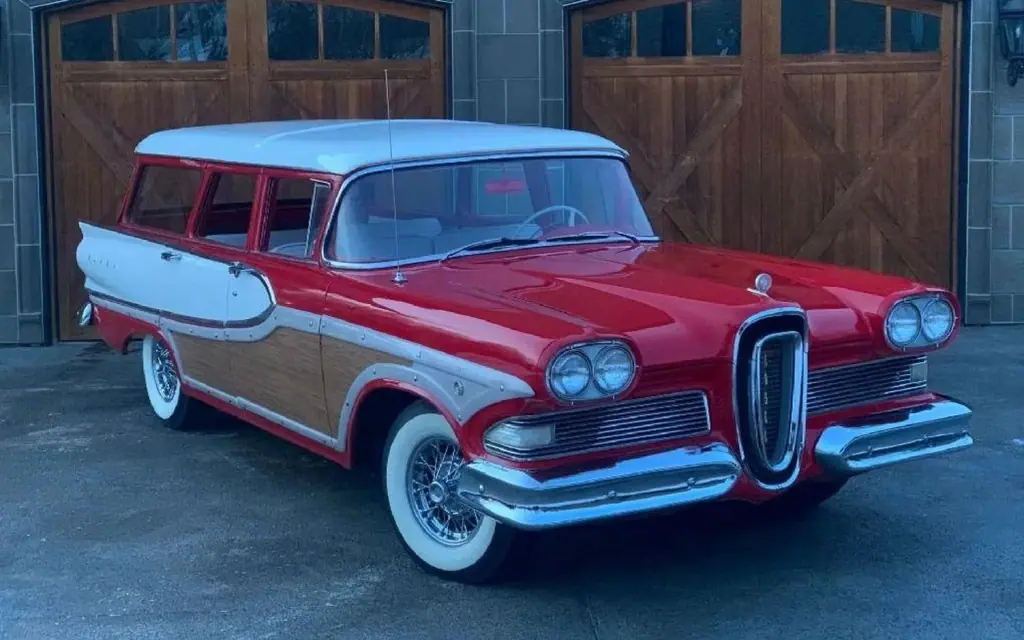
Both arrived with polarizing styling that divided public opinion. Both promised to revolutionize their respective segments. And both entered the market at prices higher than many buyers expected.
The Cybertruck, however, faces a challenge the Edsel never did: its close association with Elon Musk.
For many consumers, the Cybertruck has become more than just an electric pickup. Owning one can be perceived as a statement about Musk himself, and that association has likely influenced purchasing decisions for at least some potential buyers.
Ironically, history has been kinder to the Edsel than buyers were when it debuted in 1958. Today, it's remembered as an ambitious experiment that pushed boundaries despite its commercial failure.
The Cybertruck may ultimately earn a similar legacy. It could go down as one of the biggest sales disappointments of the modern automotive era while also being recognized as a vehicle that introduced technologies likely to influence future generations of automobiles.
Automotive history has shown that those two outcomes aren't mutually exclusive. In many cases, they go hand in hand.
You may also be interested in the news:
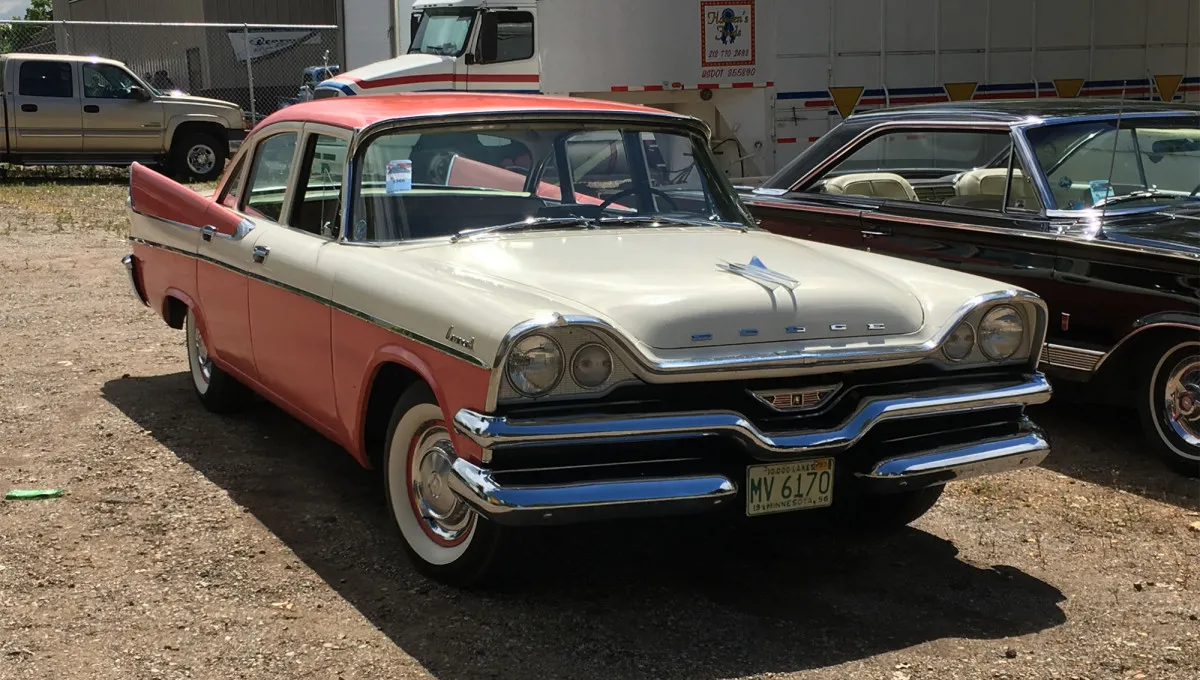
The 1957 Dodge: How “Autodynamics” Shaped One of Detroit’s Boldest Designs
The 1957 Dodge Looked Like a Dream Car, but Its Biggest Flaw Was Hiding Beneath the Surface.
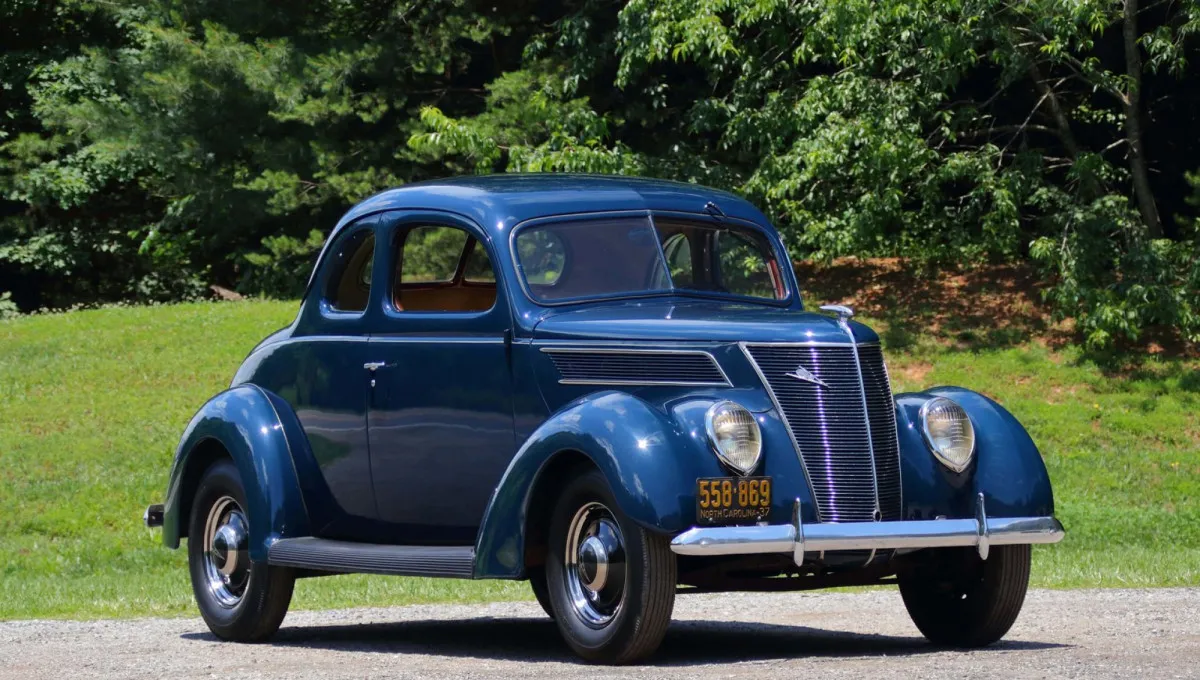
The 1937 Ford Was a Quality Car at an Affordable Price — Here’s What Made It Stand Out
The 1937 Ford featured several major changes and improvements. Let’s take a closer look.
Hyundai Recalls Nearly 95,000 Genesis Sedans Over Fire Risk From Power Seats
Hyundai is recalling 94,622 Genesis sedans after a faulty power seat switch was linked to overheating and potential vehicle fires.
2027 Ram 1500 Rumble Bee: Pricing, Options and How to Build Yours
The 777-HP Ram Rumble Bee Is Coming — But You Can Buy the New Hemi Truck Now
Why Experienced Drivers Still Warn Against Buying a Used Car With a CVT
CVTs offer smooth acceleration and good fuel economy, but expensive repairs and durability concerns make used models risky.