
Toyota to Join CellCentric as an Equal Partner Alongside Daimler Truck and Volvo
Hydrogen alliance: Daimler Truck, Volvo, and Toyota are joining forces in fuel cells. Here's what it means for commercial vehicles.
Daimler Truck, Volvo Group, and Toyota Motor Corporation have announced an agreement under which the Japanese automaker will join the CellCentric joint venture. Once all required procedures are completed, each company will own a one-third stake in the business. The transaction is expected to close by the end of 2026, pending regulatory approval.
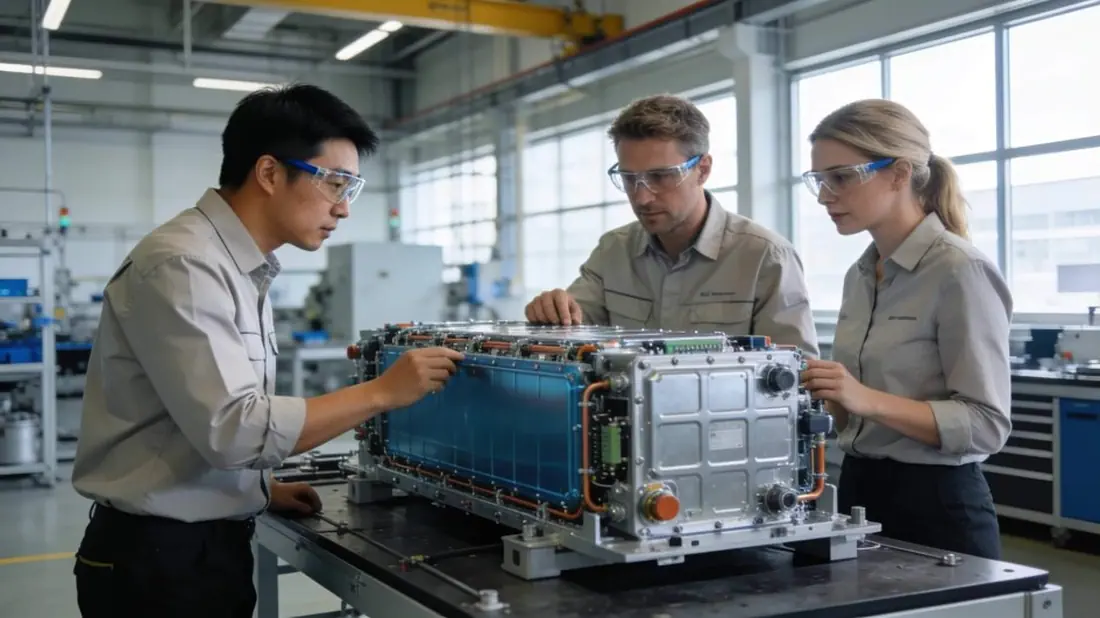
The primary goal of the partnership is to strengthen CellCentric's position in the hydrogen fuel cell market for commercial vehicles. The company plans to operate as an independent manufacturer, offering its technology not only to the alliance members but also to third-party customers. Despite joining forces on hydrogen technology, Daimler Truck, Volvo, and Toyota will continue competing with one another in other areas of their businesses.
CellCentric was established in 2021 as a joint venture between Daimler Truck and Volvo Group. Since then, the company has built a team of more than 560 specialists working at facilities in Germany and Canada. Over the past several years, CellCentric has secured approximately 700 patents, highlighting its strong technological foundation and global ambitions.
Industry experts say Toyota's addition to the venture could significantly accelerate the adoption of hydrogen technology in commercial vehicles. The Japanese automaker has invested in hydrogen development for many years and brings extensive experience in the field. Combining the resources and expertise of the three companies could establish a new industry benchmark as environmental regulations continue to become more demanding.
Toyota Motor Corporation has long been recognized for its innovations in hybrid and hydrogen technology. The company continues to expand its fuel cell development for both passenger cars and commercial vehicles. Daimler Truck and Volvo Group, meanwhile, are leading commercial truck manufacturers that have been working together through CellCentric for several years. The joint venture is focused on the large-scale deployment of hydrogen technology, a move that could significantly reshape the commercial vehicle market in the coming years.
You may also be interested in the news:

Toyota Could Build a Tiny, Affordable Sports Car With Just 64 Horsepower
Toyota’s long-rumored S-FR sports coupe could return in 2027 as a tiny, rear-wheel-drive kei car with a turbocharged engine.

Toyota Hilux BEV Gets Hit With a Falling Camper in a Top Gear-Inspired Test
Toyota's UK team recreated a famous Top Gear-style stunt by dropping a camper onto its new all-electric Hilux pickup.
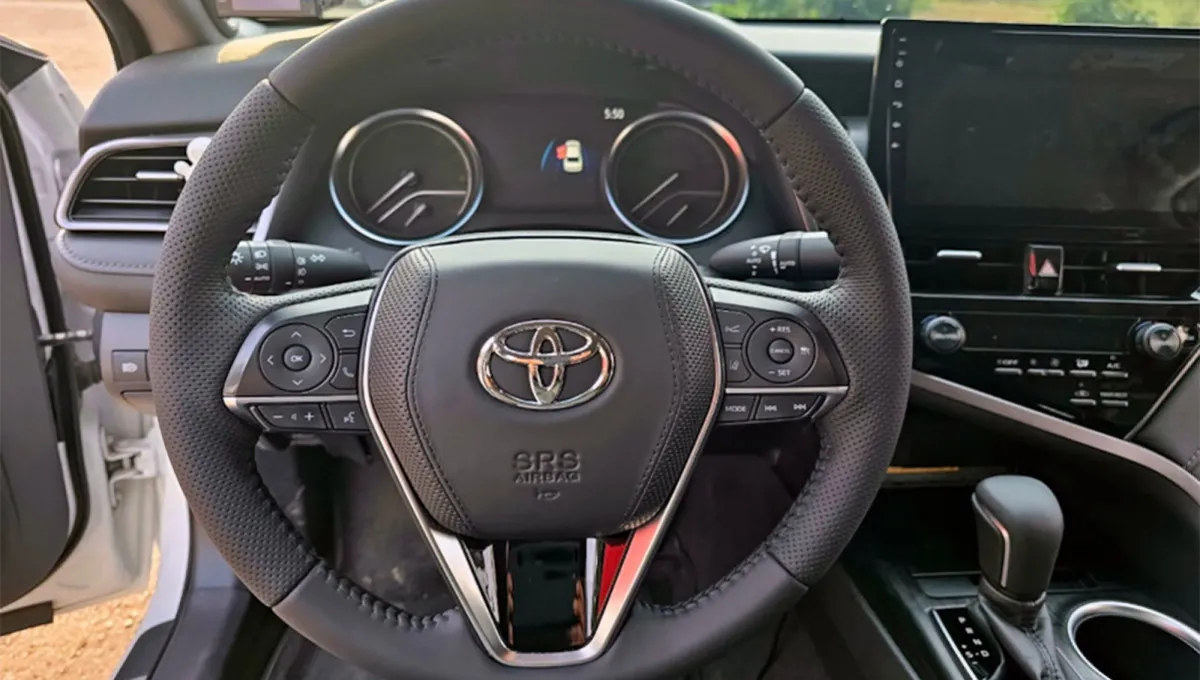
Toyota Is About to Turn the GR86 Into a Very Different Sports Car
Next-generation Toyota GR86 is expected to replace its naturally aspirated engine with a turbocharged powertrain.
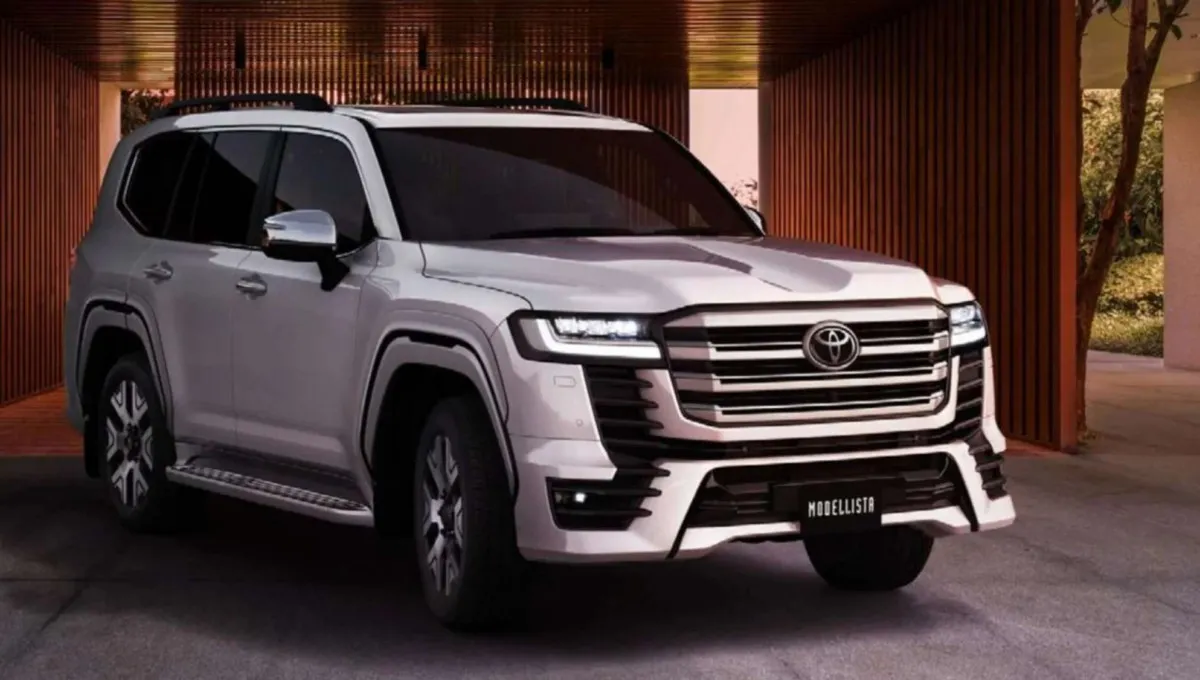
Toyota's Legendary Land Cruiser Just Got a Wild New Look — And Those 20-Inch Wheels Aren't Cheap
The updated Land Cruiser 300 looks tougher than ever after Toyota's Modellista division gave it a bold new appearance package.
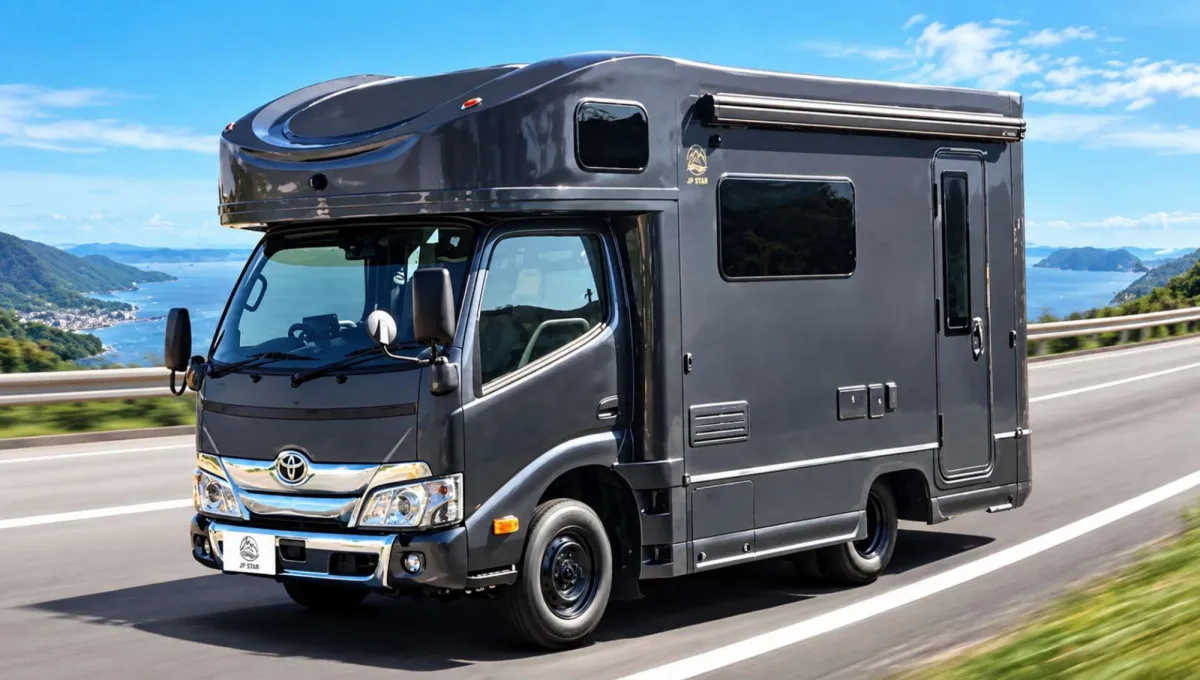
This Tiny Camper Has a Shower, Kitchen and Two Beds—And It Fits on a Small Truck
A new Japanese camper packs a living room, kitchen, shower and two sleeping areas into a compact package.