
Toyota and Honda Suspend Production Following Earthquake in Japan
Production at several Toyota and Honda plants has been halted after a powerful earthquake disrupted operations and supply chains in Japan.
A powerful earthquake in Japan has disrupted operations at several major automakers. Toyota and Honda have been forced to suspend production, while suppliers have also experienced disruptions. Here is what is happening.
The production disruptions at Japan's leading automakers could affect vehicle and parts shipments worldwide. Following the powerful earthquake in Kumamoto Prefecture, several major manufacturers announced temporary shutdowns at their facilities, triggering a broader impact across the industry's supply chain.
Toyota canceled the second shift at three key plants in southern Japan: the Miyata assembly plant, the Kanda engine plant, and the Kokura hybrid powertrain facility. An attempt to resume production on July 29 was unsuccessful. After additional aftershocks and an assessment of damage to logistics operations, the company extended the shutdown of all three facilities through at least July 31. Toyota said the decision was made because of unstable supply conditions and safety concerns for employees.
Honda also suspended operations at its motorcycle plant in Kumamoto through the end of the month to carry out repairs and assess damage caused by the earthquake. Auto parts suppliers in the region, including Aisin Kyushu and Ahresty Corp., were also affected, creating additional challenges for the production supply chain.
The disruptions extended beyond the auto industry. Semiconductor manufacturer Renesas Electronics halted operations at two plants to inspect equipment, while Sony evacuated employees and temporarily suspended production at its facilities. Those interruptions could delay deliveries of electronic components that are critical for today's vehicles.
Among Japan's major automakers, Nissan was the only company to maintain normal operations. Its Nissan Shatai Kyushu plant in Fukuoka Prefecture continued building the Nissan X-Trail, Patrol, Armada, Infiniti QX80, and the Kicks e-Power and Serena e-Power hybrid models. Maintaining production while competitors halted operations could provide Nissan with a temporary market advantage.
According to the companies, no employees were injured. However, the effects on the industry could extend beyond the immediate shutdowns. Production and logistics disruptions may delay vehicle and parts deliveries and put upward pressure on prices.
Production interruptions caused by natural disasters are not uncommon in Japan. Similar events have previously disrupted automotive manufacturing and affected global supply chains.
Japan remains one of the world's key automotive manufacturing hubs, and any disruption to its production network can quickly affect vehicle availability and pricing in international markets. Based on previous incidents, production typically resumes within several days to a few weeks, although the impact on the market can last considerably longer.
You may also be interested in the news:
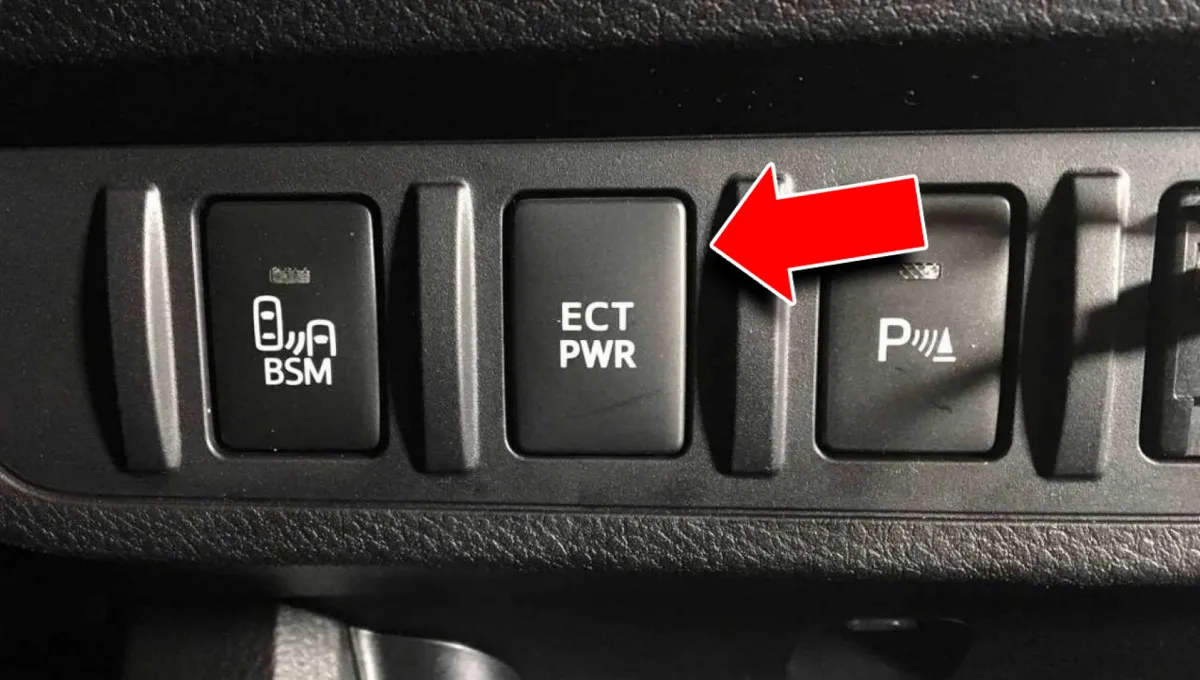
You Hit ECT PWR and Your Toyota Suddenly Wakes Up: What That Mysterious Button Really Does
This little button can change the way a Toyota drives, but plenty of owners have no idea what actually happens when they press it.
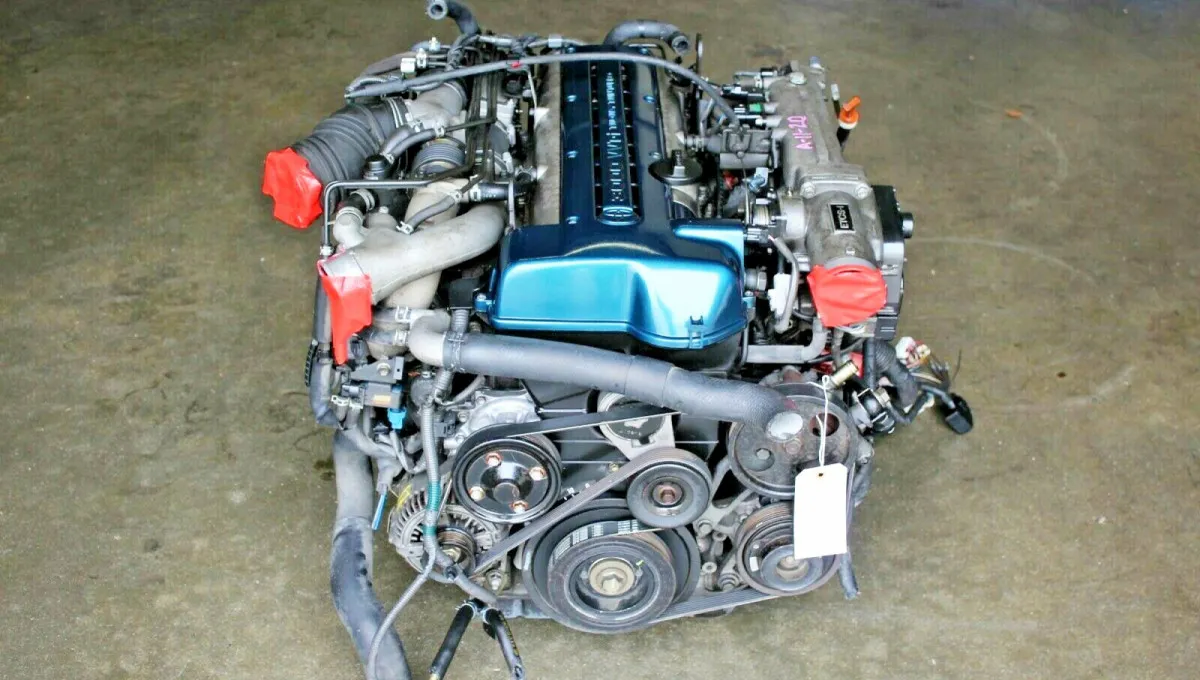
Toyota Wanted a Reliable Engine — It Accidentally Built a 2,000-HP Monster
Toyota engineers may have gone too far with durability — and accidentally created the ultimate engine for hot-rodding.

You Won’t Recognize This Toyota: Tuners Turned the Crossover Into a Sports Car
Modellista has prepared two new styling packages for the updated Toyota Harrier.
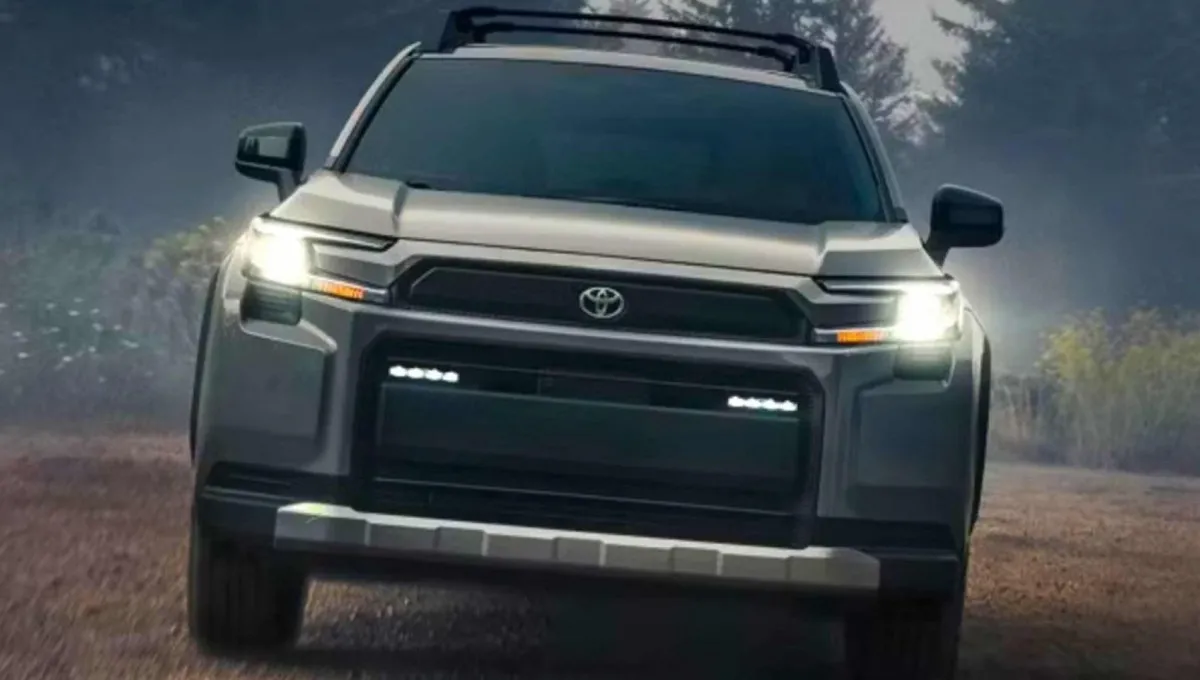
Toyota Patent Hints at New Car-Based Pickup With a Clever Cargo Bed
Toyota could launch a rival to the Ford Maverick.

Flooded Honda NSX Sells for $52,100 in Japan
A 1991 Honda NSX that went underwater sold at auction for an astonishing price.