
City Traffic Can Rob Your Engine of Power and Accelerate Wear
A single highway drive can help bring back some of the responsiveness and performance your car has lost.
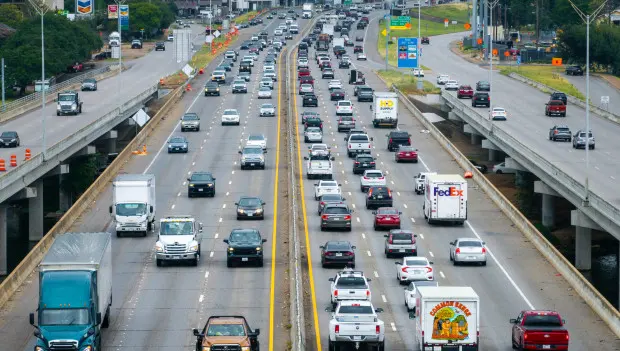
Many drivers assume short trips are easier on their cars. In reality, that routine can accelerate engine wear over time. There is a simple way to help restore some of the performance a car has lost, although many drivers are unaware of it.
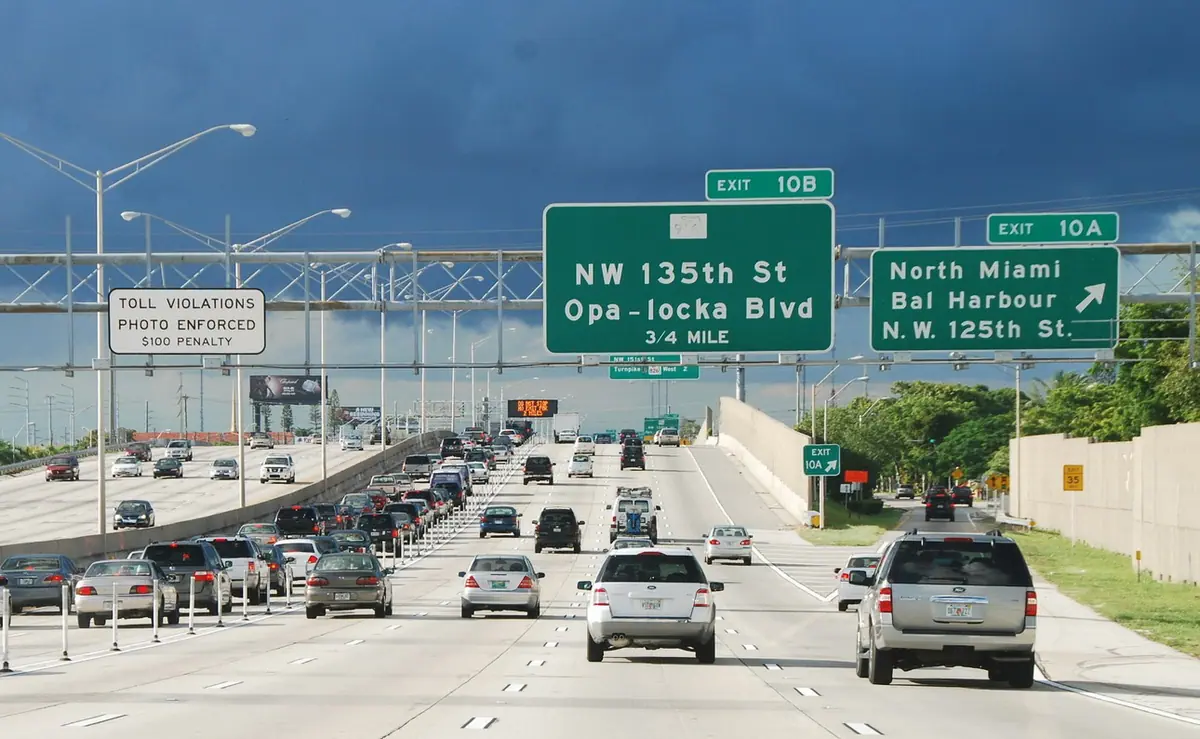
Drivers who spend most of their time on short trips around town may not realize that their daily routine can take a toll on both engine performance and longevity. Constant stops, gentle acceleration and endless traffic jams may seem like an easy life for a car, but they can create conditions that aren't particularly healthy for the engine.
During typical city driving, the engine often doesn't have enough time to reach and maintain its ideal operating temperature. Fuel may not burn as efficiently as it does under fully warmed-up conditions, while engine components don't get enough time to heat up properly. Over time, deposits can build up inside the engine, collecting on pistons, valves and combustion-chamber surfaces. The process is gradual and easy to miss, but it can eventually contribute to weaker acceleration, slower throttle response and increased fuel consumption.
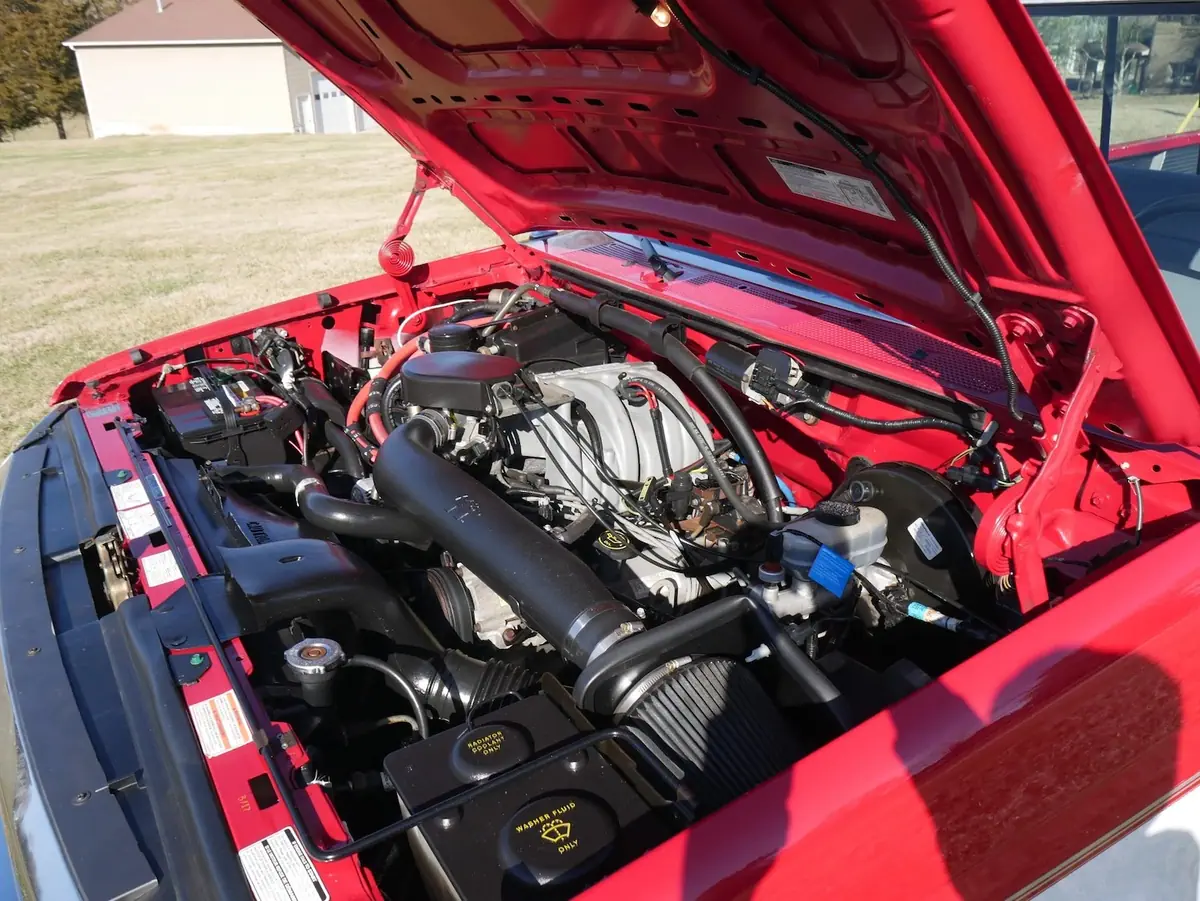
Addressing the issue doesn't require complicated procedures or an expensive trip to a repair shop. Periodically taking the car out on the highway and allowing the engine to operate at higher RPMs can help. Once the engine oil and coolant have reached normal operating temperature, a few minutes of driving at roughly 4,000 to 4,500 rpm can raise combustion temperatures enough to help burn off some fresh deposits naturally.
Owners of cars with automatic transmissions should keep one additional factor in mind. Modern automatics are designed to shift into higher gears quickly to improve fuel economy, which can keep the engine operating at relatively low RPMs. In situations where higher engine speed is appropriate, selecting Sport mode can delay upshifts and allow the engine to spend more time in a higher-RPM range.
That doesn't mean drivers should push the engine to its limit. Prolonged operation at maximum RPM can increase heat and accelerate oil degradation. A better approach is a brief period of higher load followed by a return to normal driving. Used sensibly, this type of occasional exercise can be a useful part of maintaining an engine in good operating condition.
Regular highway drives also give the entire powertrain more time to reach its normal operating temperatures, while stronger acceleration provides the engine with a level of load that's often missing during stop-and-go driving. Some drivers notice that their cars feel more responsive afterward, with sharper throttle response and a greater willingness to accelerate.
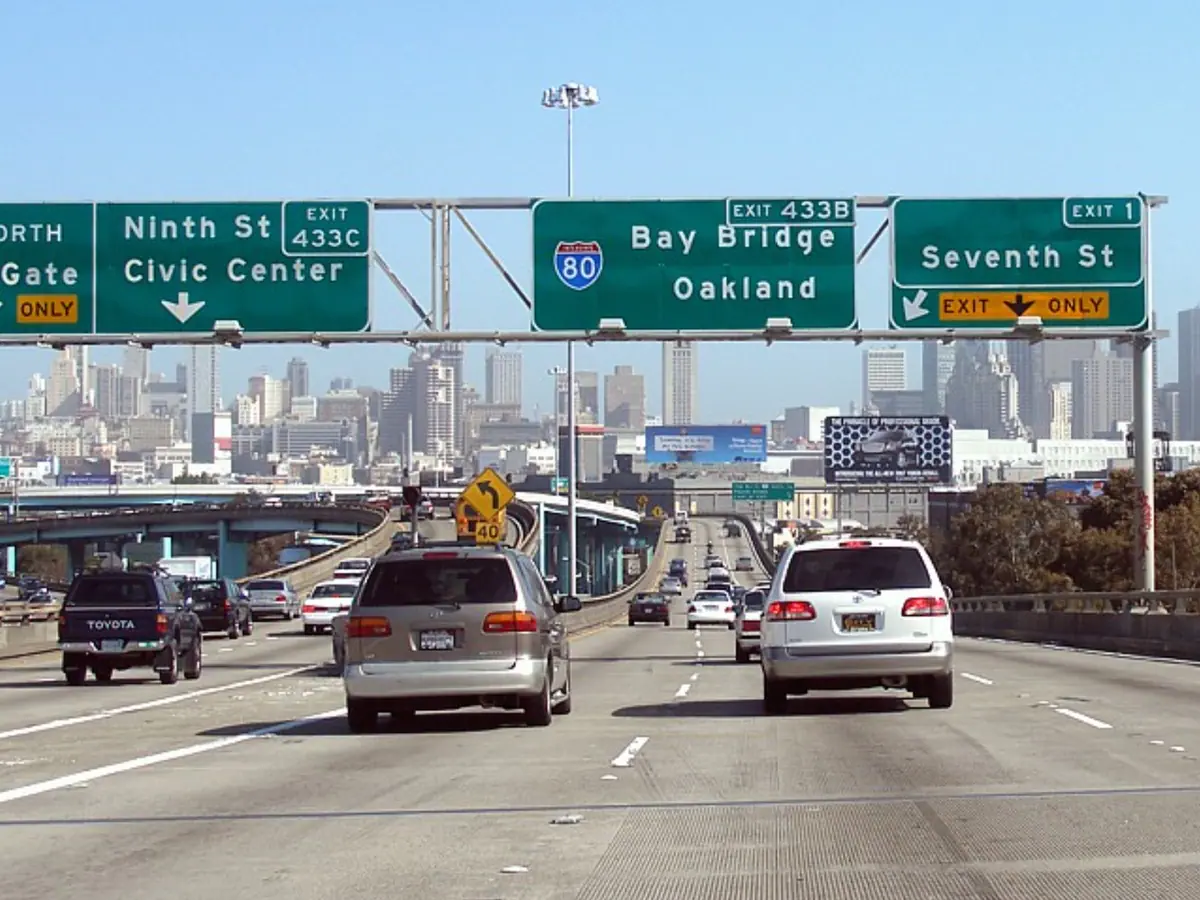
Ignoring the effects of constant short trips can cause an engine to accumulate wear and deposits faster than it otherwise might. Taking care of an engine isn't just about following the maintenance schedule; driving habits matter, too. If you want to preserve your car's performance and reliability, don't limit it to short trips around town. Occasionally getting out on the highway may be enough to bring back some of the responsiveness you thought your car had lost for good.
You may also be interested in the news:
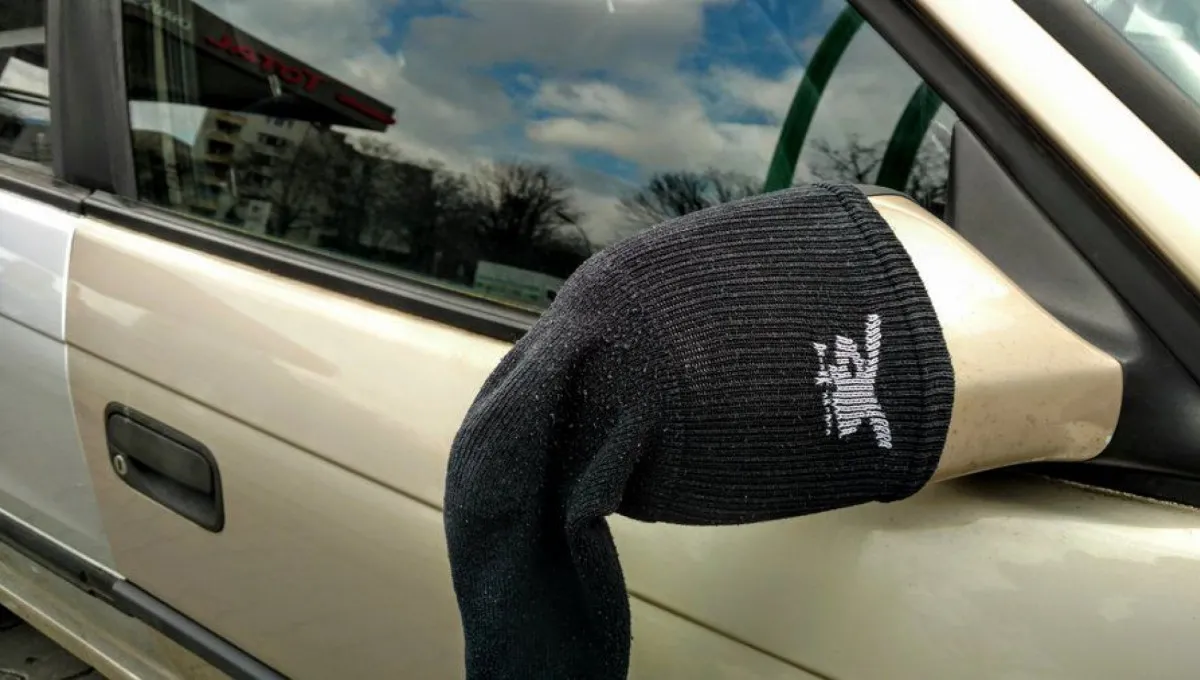
Why Experienced Drivers Put Socks on Their Car Mirrors in Fall: The Clever Trick Explained
An old pair of socks can help reduce frost buildup on your side mirrors overnight, saving time on cold mornings when every minute counts.
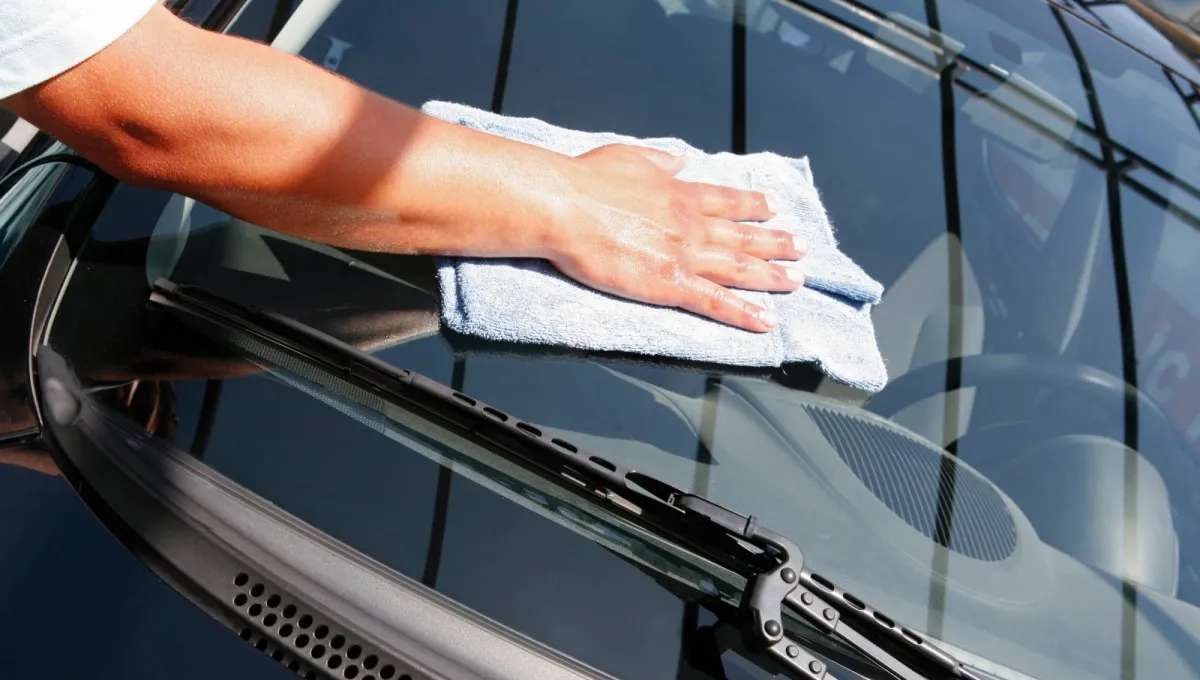
How to Clean Your Windshield Without Streaks: Experts Recommend This Simple DIY Mix
The secret to a streak-free windshield comes down to the right cleaning solution, two microfiber cloths, and the proper drying technique.
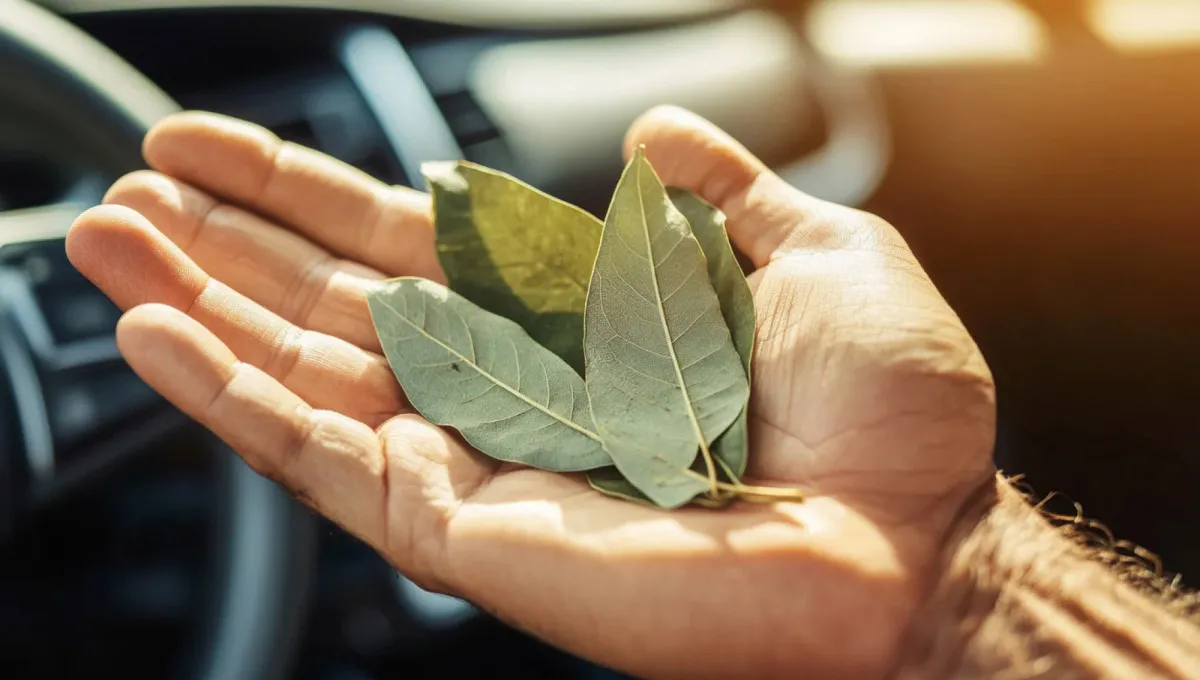
Why Some Drivers Keep Bay Leaves in Their Cars — It’s Not Just About Superstition
Can a common kitchen spice help repel bugs, freshen your car’s interior, or even help you relax behind the wheel?
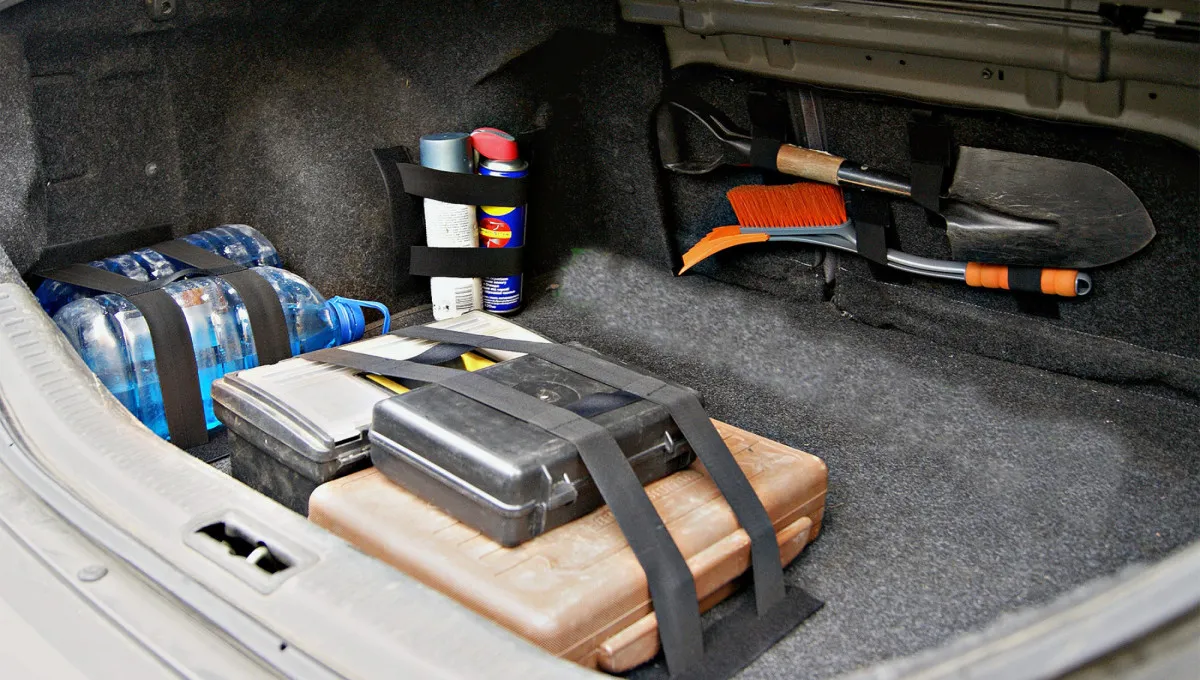
Cold Weather Can Leave You Stranded — 5 Things Every Driver Should Have in Their Car
The first hard freeze can catch drivers off guard. Here's what to keep in your vehicle and how to prepare your battery, tires, and fluids for colder weather.
Hidden Key Fob Trick: Open All Your Car Windows With One Button
An auto mechanic explains how drivers can remotely open and close car windows using a key fob, provided the vehicle has the right hardware.