
Yuri Gagarin and His First Foreign Car in the Soviet Union: Behind the Iron Curtain
Few people, even among the wealthy, could afford foreign cars like this one during the Soviet era.
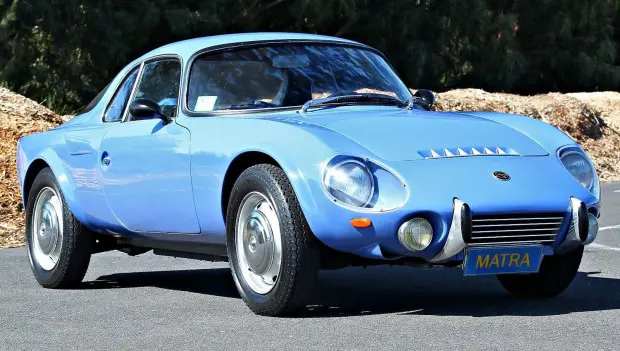
Foreign cars were rare in the Soviet Union, and even wealthy citizens generally could not simply buy one. Yuri Gagarin, however, was in a very different position. As the first human to travel into space, he had become one of the most famous people on Earth.
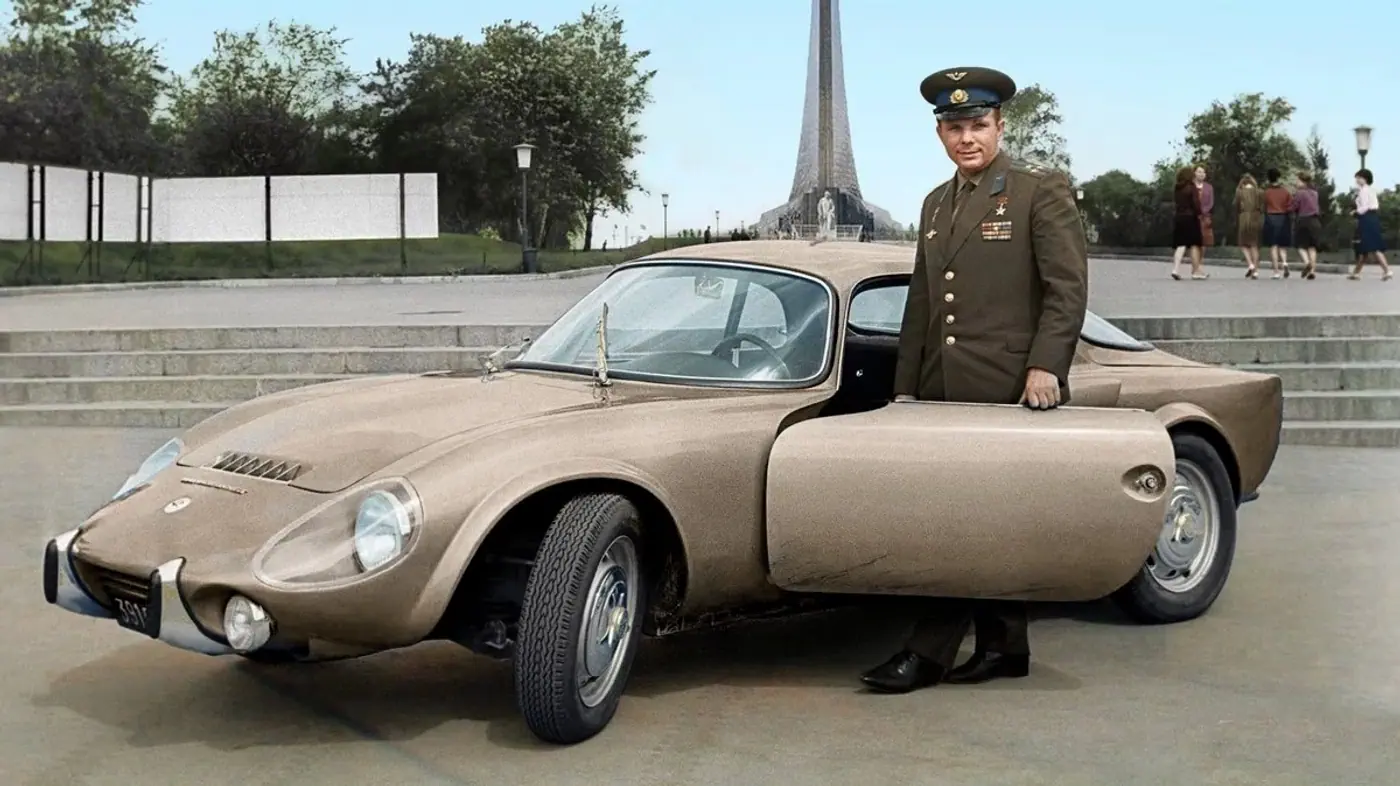
Gagarin became the first person to leave Earth aboard a spacecraft. After returning safely from his historic mission, the test pilot was no longer simply a national hero—he was a living legend. Following his flight, Gagarin embarked on a world tour that included a visit to French company Matra, which specialized in aviation and aerospace equipment while also producing automobiles.
It was at the Matra showroom that Gagarin took a liking to an unusual, ultra-compact sports car called the Matra-Bonnet Djet V. The design and technical specifications immediately caught the cosmonaut's attention. After returning from his world tour, Gagarin was unexpectedly invited to the French Embassy. To applause from journalists and embassy staff, he was presented with the keys to the very same coupe, which had been painted sky blue.
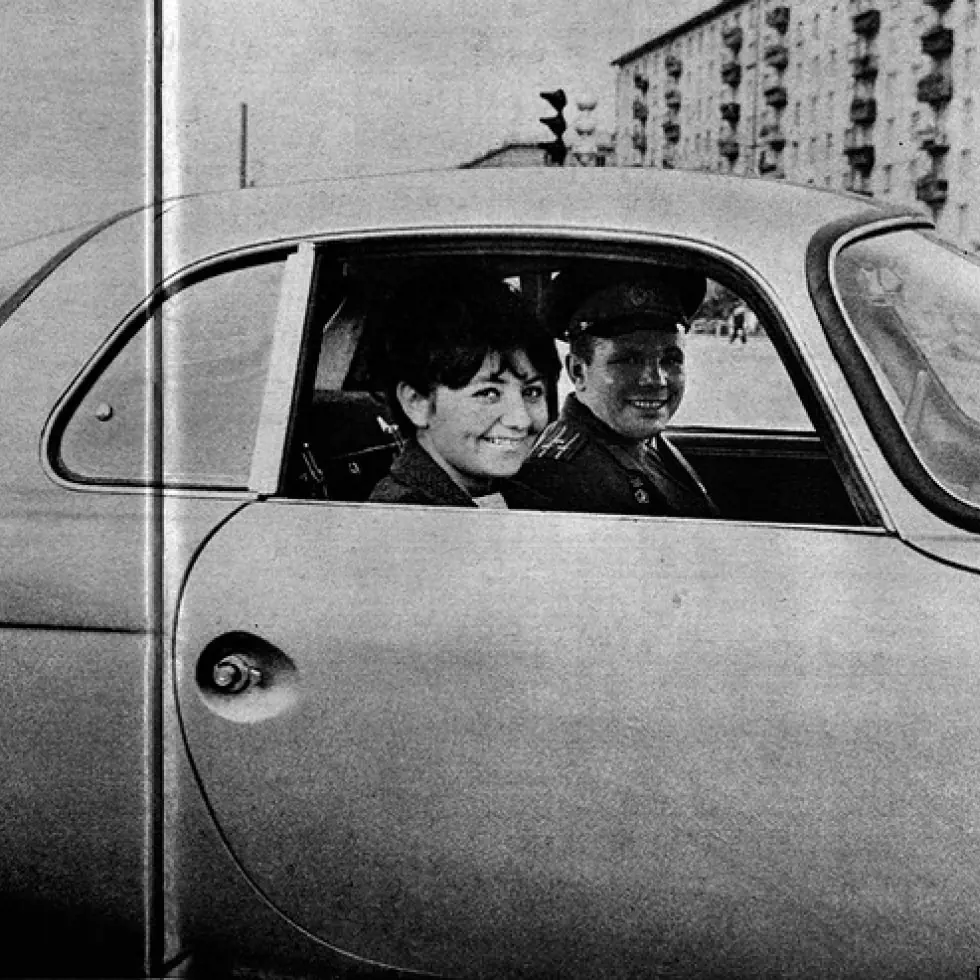
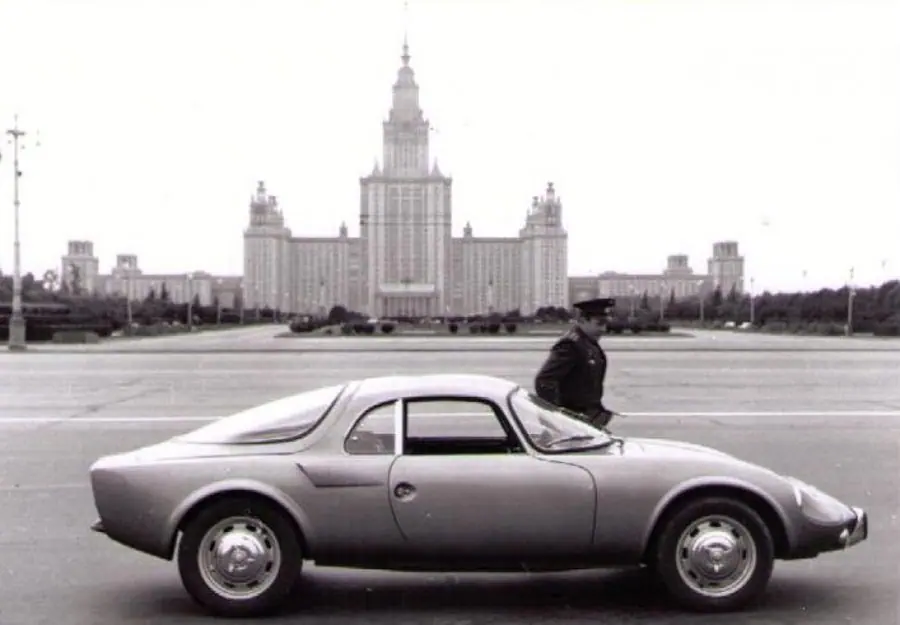
On the streets, the exotic foreign car looked almost like a spaceship that had landed in the skies over Moscow. For much the same reason, Gagarin did not drive the Matra-Bonnet Djet V very often. After the pilot's tragic death in 1968, his "space-age" car remained stored in Star City for years. Eventually, the vehicle was purchased by Lithuanian collector Kęstutis Indziulis. At the time, the Matra was owned by the pilot's widow. In an ironic twist, the French Matra sports coupe bearing the number "5" was discontinued in the same year Gagarin died.
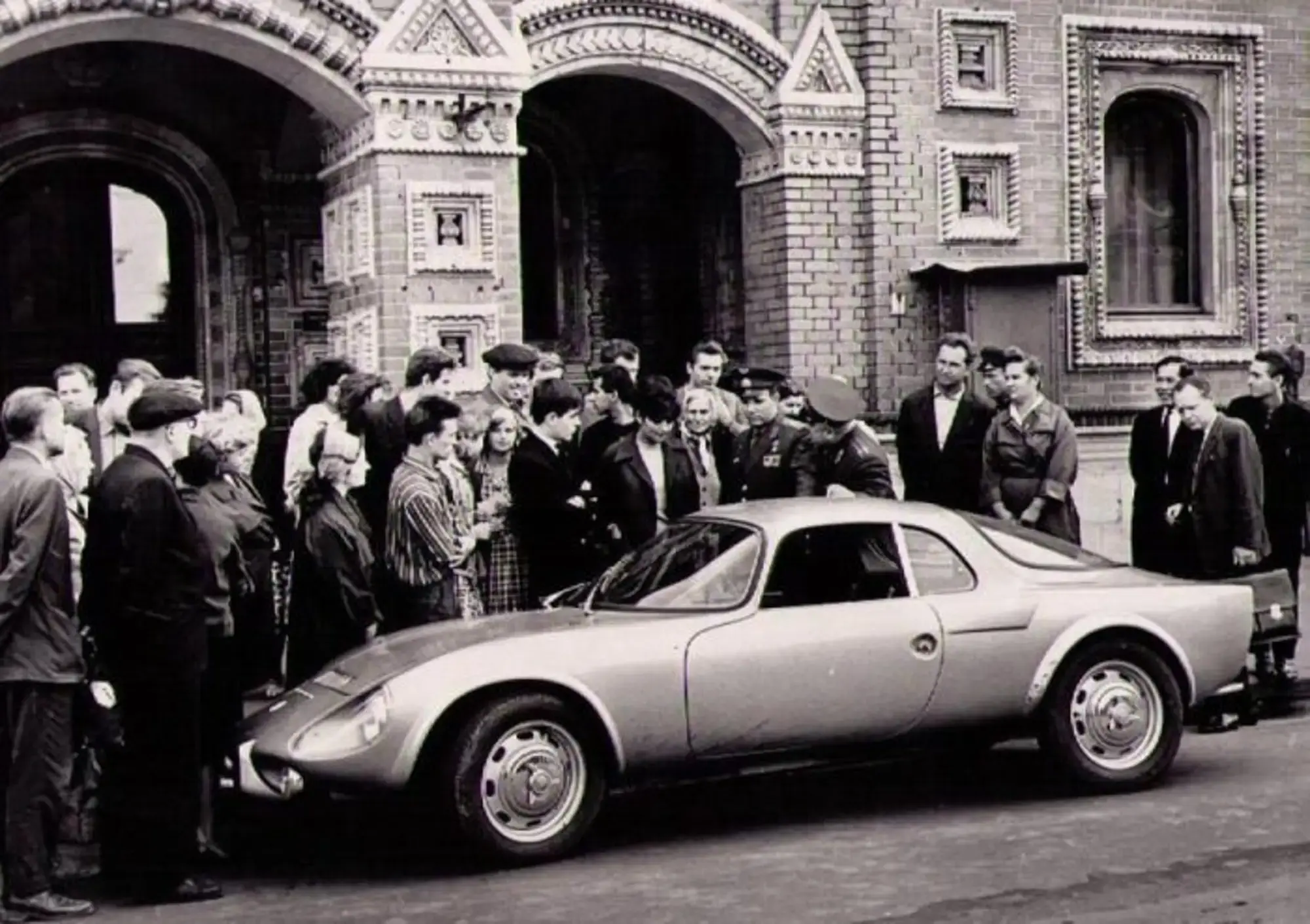
The car's specifications are just as intriguing, starting with its remarkably low weight. The coupe tipped the scales at just 1,455 pounds. It featured an innovative plastic body and an equally unconventional mid-engine layout for its time. Another interesting feature was four-wheel disc braking. Inside, however, the sports car had an unmistakably Spartan cabin.
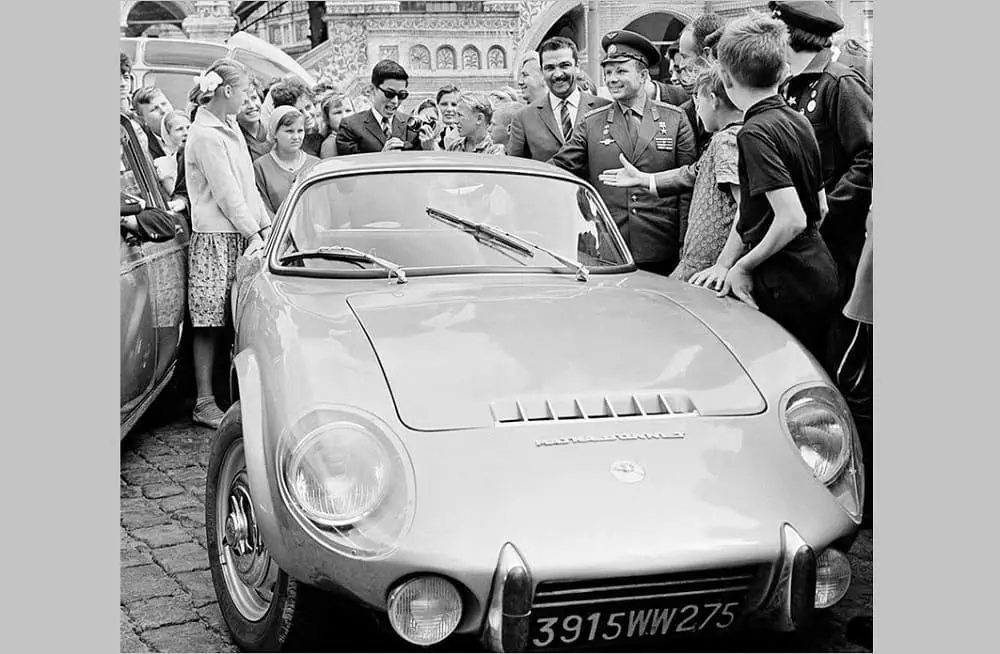
The French sports car was powered by a 1.1-liter engine sourced from the compact Renault 8. With 70 horsepower, the engine could propel the lightweight coupe to an impressive 107 mph. It took 13.2 seconds to reach 62 mph, which was a respectable figure for a sports car of that era.
You may also be interested in the news:
These 8 Cars Went Over 1 Million Miles — They Just Don’t Build Them Like They Used To
Some cars outlast generations of owners, proving that careful maintenance and durable engineering can deliver extraordinary mileage.
The 1957 Dodge: How “Autodynamics” Shaped One of Detroit’s Boldest Designs
The 1957 Dodge Looked Like a Dream Car, but Its Biggest Flaw Was Hiding Beneath the Surface.
The 1937 Ford Was a Quality Car at an Affordable Price — Here’s What Made It Stand Out
The 1937 Ford featured several major changes and improvements. Let’s take a closer look.

Two Ferrari F40s Spotted on Google Maps Turn Out to Be Pontiac Fiero Replicas
Two Ferrari F40 lookalikes spotted on Google Maps in Spain turned out to be replicas built on an American sports car.
10 Concept Cars From the 20th Century That Look Like They Came From the Future
From futuristic cockpits to rocket-inspired bodies, these 10 vintage concept cars pushed design boundaries and still look spectacular today.