
Cord Returns in 2028: From Vintage Style to Space-Age Futurism — What Models Could We See?
Cord cemented its place in automotive history with two iconic models that pushed American design and engineering forward.

The history of the American Cord brand reads like a flash of lightning across the dark skies of the Great Depression. Founded by ambitious industrialist Errett Lobban Cord in the late 1920s as the jewel of his Cord Corporation empire, the company never set out to build cars for the masses.
Instead, Cord focused on uncompromising engineering and styling that seemed years ahead of its time. Its cars were designed to make people stop and stare.

Cord secured its place in automotive history with two legendary models.
The first was the Cord L-29, introduced in 1929. It was the first American production car with front-wheel drive. Moving the drivetrain to the front eliminated the need for a conventional driveshaft running to the rear axle, allowing engineers to lower the body and create a remarkably sleek, low-slung profile.
Then came the legendary Cord 810/812 in 1935, designed by the brilliant Gordon Buehrig. The car stunned the public with its lack of a conventional grille, replacing it with horizontal chrome louvers. Its headlights were hidden inside the fenders and manually deployed, while its semi-automatic transmission used vacuum-assisted gear selection.
Cord embraced a pure, unapologetic form of automotive futurism — and the 810/812 became one of the defining designs of the Art Deco era.
The Fall of an Empire: Why Cord Failed
Despite being an engineering masterpiece, the Cord 810/812 ultimately became a major part of the company's downfall.
The biggest problem was the rushed launch. Determined to get the new car into prestigious auto shows and onto the market, the company pushed unproven components into production before they were ready.

Early owners encountered a long list of serious problems. The revolutionary transmission could jump out of gear, the complicated cooling system could cause the engine to overheat, and the constant-velocity joints used by the front-wheel-drive system proved troublesome.
Cord's reputation took a severe hit almost immediately.
Orders were canceled, production struggled with parts shortages, and the company faced growing financial pressure. Errett Cord also became the subject of scrutiny over his financial dealings in the securities market, drawing the attention of the U.S. Securities and Exchange Commission.
In 1937, Cord sold his corporation. Without its founder and burdened by debt, the company's automotive operation soon disappeared for good.
Ghosts of the Past: Failed Attempts to Bring Cord Back
Ownership of Cord's legacy changed hands several times, and there were repeated attempts to put the name back on the road.
In the 1960s, businessman Glenn Pray acquired remaining Cord parts and tooling and developed a modernized replica known as the Cord 8/10, based on Chevrolet Corvair mechanical components. The project didn't last long, largely because of limited funding and increasingly strict safety requirements that made the fiberglass-bodied design difficult to bring to market.
In the early 21st century, entrepreneurs in Oklahoma also attempted a limited production run of Cord 812 replicas using modern General Motors V8 engines.
Those cars were primarily expensive toys for collectors rather than genuine technological successors to the original Cord. The problem was fundamental: the originals had been technological breakthroughs. Simply putting modern engines underneath vintage-inspired bodywork didn't recreate that spirit of innovation.
The 2028 Revival: A Hypothetical Comeback
Now imagine Cord making its most unexpected comeback yet.
In this fictional 2028 scenario, a consortium of independent design studios and powertrain specialists that has acquired the rights to the Cord name announces a revival of the brand.
Rather than following the increasingly familiar luxury-EV formula, the new Cord would focus on sophisticated gasoline engines and high-performance hybrid technology. The goal would be to combine Art Deco-inspired design with modern performance.
The exhaust system would become a major styling element, with polished metal and carbon-fiber exhaust outlets prominently integrated into the rear of each car.
The hypothetical lineup would consist of four exclusive performance cars, each combining a historic Cord design theme with modern engineering.
Cord 810 Evolution

The flagship would be a dramatic reinterpretation of the classic 1936 Cord.
It would retain the famous coffin-shaped nose and horizontal intake slots, now serving the practical purpose of cooling a twin-turbocharged V8. The headlights would remain hidden inside the front fenders, but modern electric actuators would replace the original manual mechanism.

A long hood would conceal the gasoline engine, while the muscular rear fenders would frame large dual exhaust outlets integrated into the diffuser.
Cord 810 Speedster

The open-top version would target buyers who still appreciate the character of a high-performance gasoline-powered car.

A low windshield split by a central pillar would visually extend the line of the hood. The rear bodywork would taper toward the tail, echoing the shape of prewar racing cars.

Externally mounted exhaust pipes behind the driven wheels would be protected by heat shields, recalling the supercharged versions of the original Cord 812.

Cord 812 Phaeton
The Phaeton would represent the most technically ambitious model in the lineup, combining grand-touring luxury with a high-output gas-electric powertrain.

A complex carbon-fiber and titanium roof mechanism would reportedly fold its three-section hardtop into the trunk in just 12 seconds.

Four titanium exhaust outlets would hint at the V8 hidden beneath the hood. In this fictional concept, the exhaust hardware would even change color as it heats up when the car switches into its most aggressive performance mode.
Cord Crossfire Element
The Crossfire Element would take a different approach, serving as the more accessible model in the hypothetical lineup.
Instead of the massive V8 used by the flagship cars, it would rely on a turbocharged 2.0-liter four-cylinder with mild-hybrid assistance. Rear-wheel drive would give it a more traditional sports-car character.
Power, Performance and Pricing
The hypothetical Cord lineup would avoid conventional powertrain choices and combine modern dual-clutch transmissions with technology inspired by the semi-automatic gearboxes of the original 1930s cars.
The proposed specifications would look like this:
Cord 810 Evolution: 4.4-liter twin-turbo V8, 620 horsepower, all-wheel drive, 0-60 mph in 3.1 seconds.
Cord 810 Speedster: 4.4-liter twin-turbo V8, 620 horsepower, all-wheel drive, 0-60 mph in 3.1 seconds.
Cord 812 Phaeton: V8 plug-in hybrid with two electric motors on the front axle, 880 horsepower, all-wheel drive, 0-60 mph in 2.4 seconds.
Cord Crossfire Element: 2.0-liter turbocharged mild-hybrid engine, 340 horsepower, rear-wheel drive, 0-60 mph in 4.3 seconds.
All models would reportedly use an 8-speed dual-clutch automatic transmission.
Pricing would reflect the imagined lineup's ultra-premium positioning and limited production.
The hypothetical Cord Crossfire Element would start at around $140,000, while the Cord 810 Evolution would command at least $350,000. The open-top 810 Speedster would reportedly cost about $380,000.
At the top of the range would sit the Cord 812 Phaeton. With its complex hybrid powertrain and folding hardtop, it would carry a starting price of approximately $450,000, before personalization and other bespoke options.
One Important Disclaimer
There is an important distinction between Cord's fascinating history and the 2028 revival described above.
The proposed 2028 comeback, the new models, specifications, prices and production plans in this article are fictional. They represent an alternate-history/future scenario created for entertainment purposes. There is currently no official information confirming that Cord is returning to the automotive market in 2028.
The real Cord may have disappeared from the automotive industry nearly a century ago, but its willingness to take risks remains part of what makes the brand so fascinating. The L-29 and 810/812 were built around the idea that a car could look and drive like something from the future.
A hypothetical modern Cord would have a difficult legacy to live up to — but that's exactly what makes the idea so intriguing.
You may also be interested in the news:
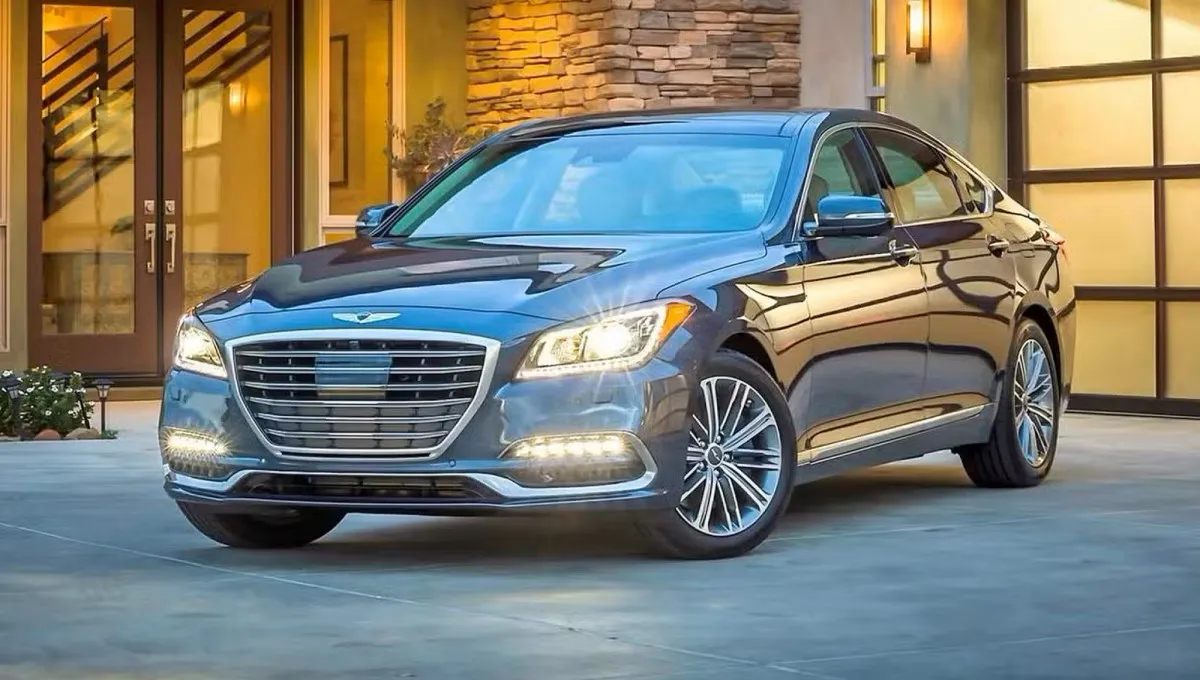
Hyundai Recalls Nearly 95,000 Genesis Sedans Over Fire Risk From Power Seats
Hyundai is recalling 94,622 Genesis sedans after a faulty power seat switch was linked to overheating and potential vehicle fires.
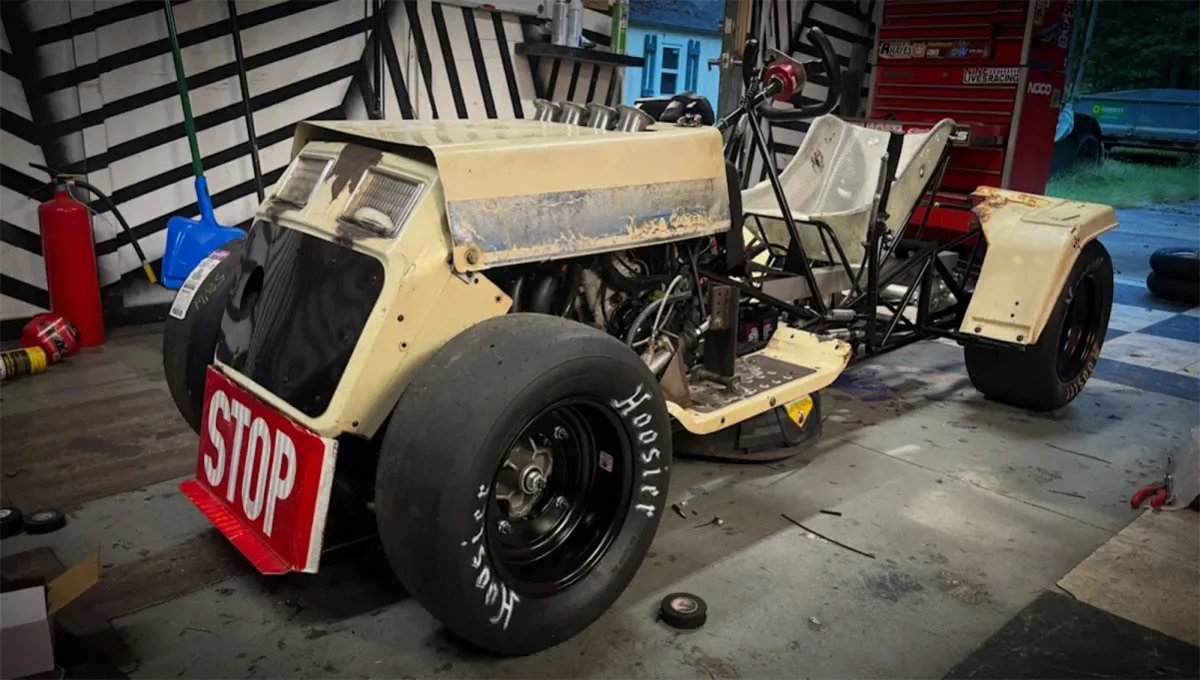
The U.S. Builds the World’s Fastest Lawn Mower
An American-built lawn mower hit 152.8 mph at Arkansas Mile and can still cut grass.
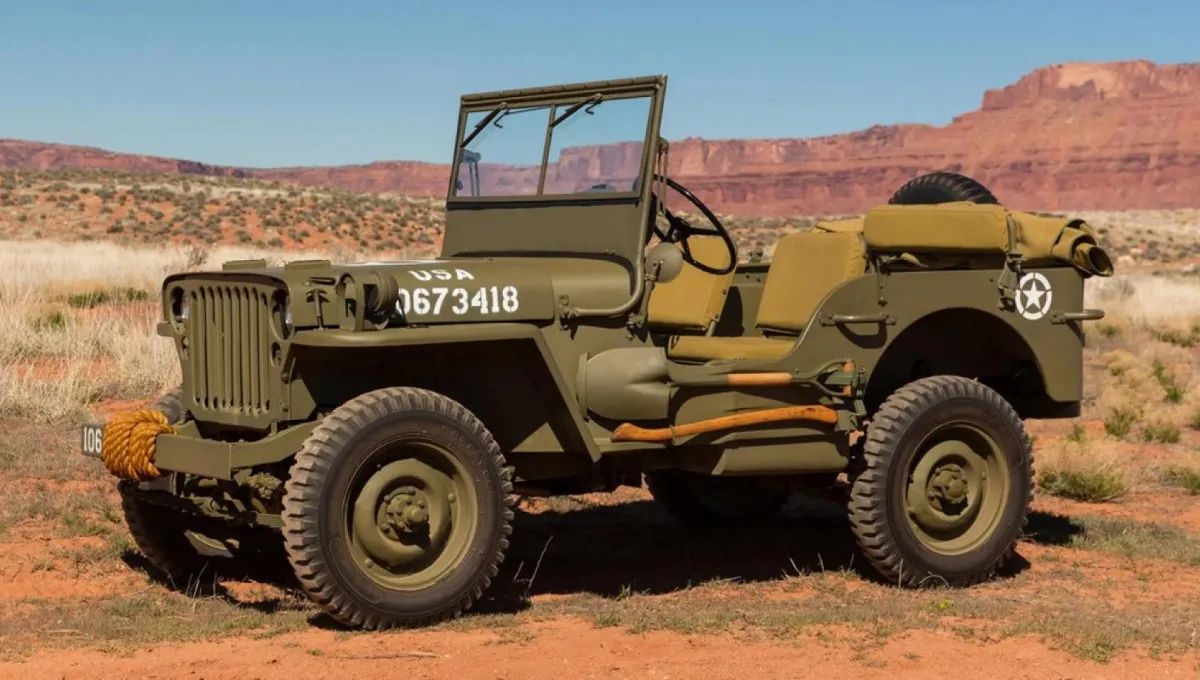
Jeep Could Return to Its Roots With a Revived Willys
Jeep is seriously considering bringing back its iconic off-roader, the vehicle that started the brand's legendary story.

No Password Required: Hackers Remotely Took Control of Chinese EV Functions While the Vehicle Was Moving
An Australian investigation uncovered serious cybersecurity flaws that could expose connected Chinese vehicles to remote access.
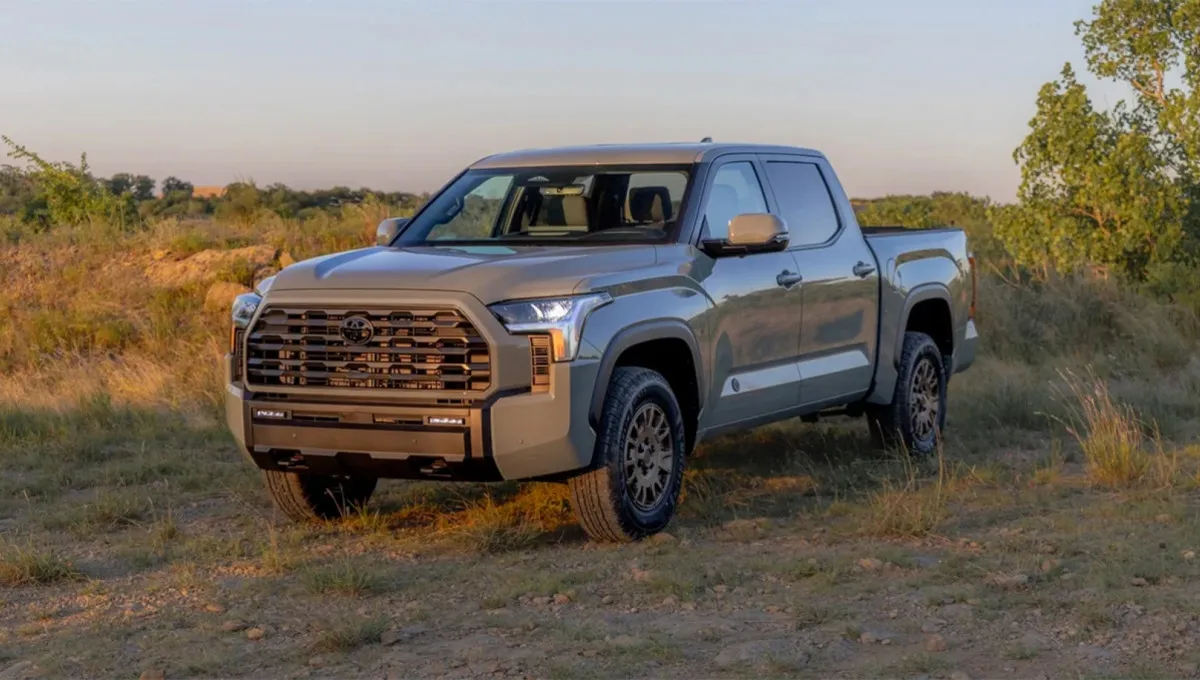
A Lifelong Ford Family Is Ready to Walk Away From F-150s for This $79K Toyota Tundra
A longtime Ford family is considering a $79,000 2026 Toyota Tundra 1794 i-FORCE MAX after questioning loaded F-150 prices.